
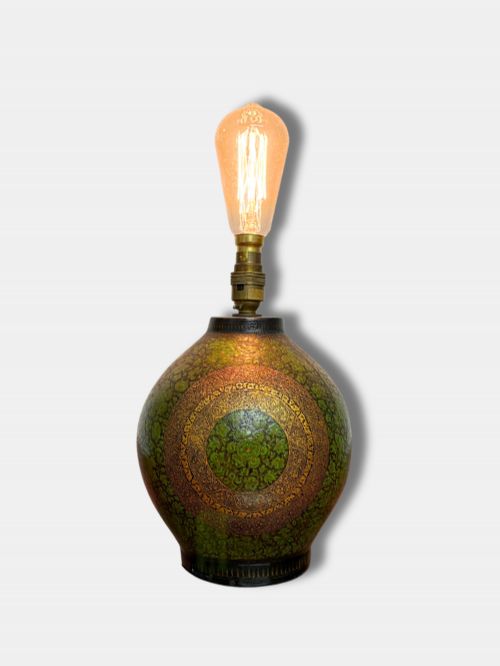


Gold Lacquered Table Lamp
A gold lacquered table lamp brings warmth and patterned depth to a room, combining rich surface decoration with practical illumination.
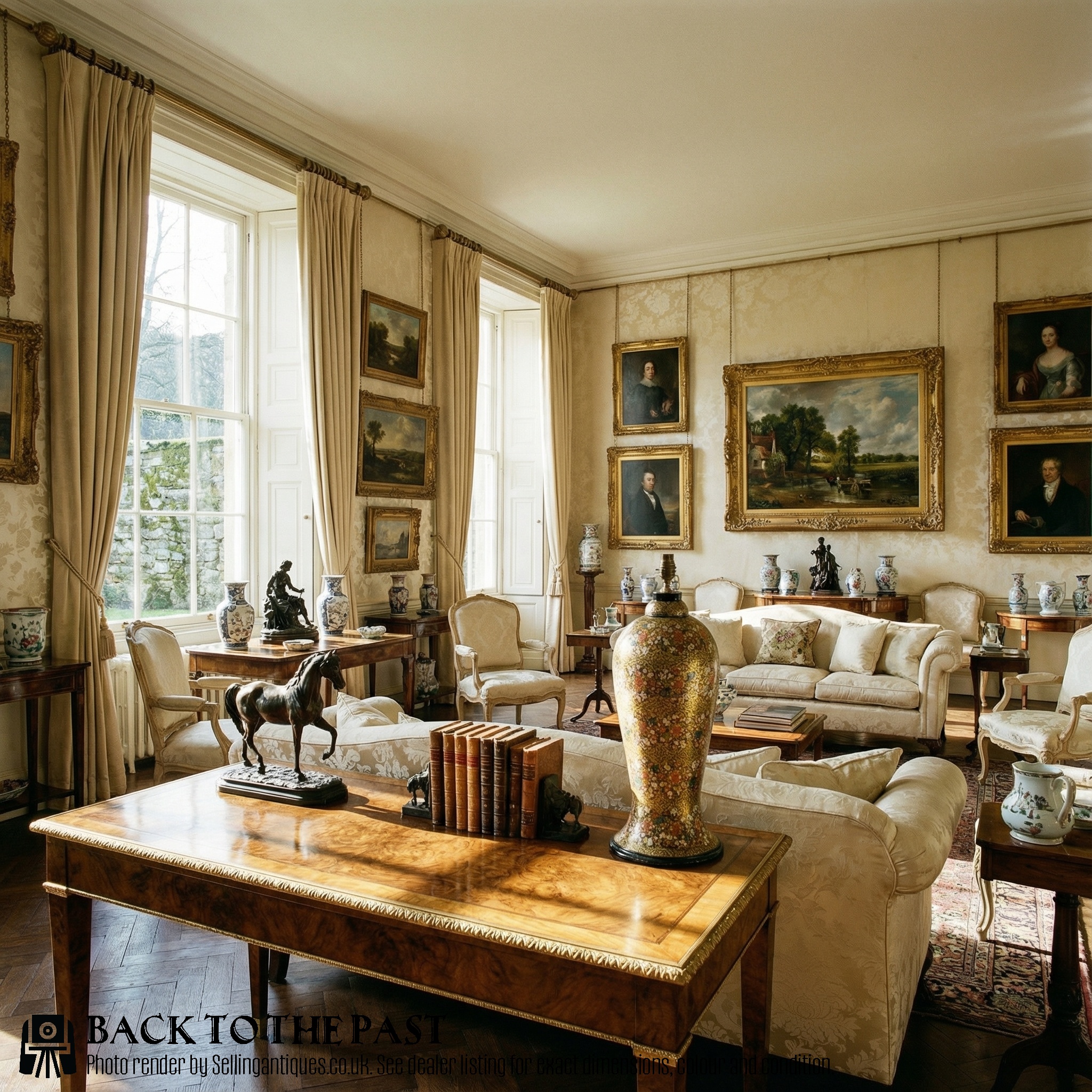
Gold Lacquered Table Lamp
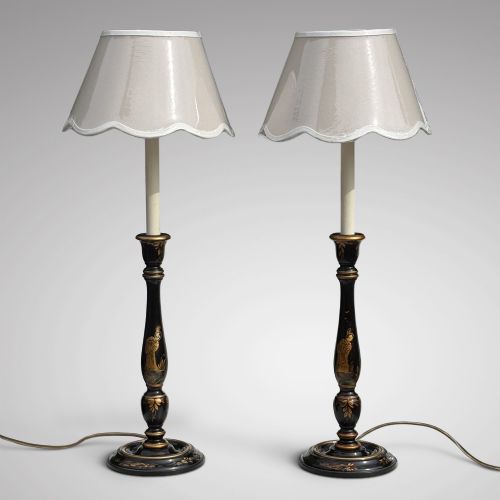
A gold lacquered table lamp is a decorative lighting fixture featuring a surface finish of lacquer enriched with gold leaf, gilt, or paint. When buyers search for a gold lacquered table lamp, they encounter items originating from varied periods including the nineteenth century, Victorian era, Regency, and the 1920s and 1930s. The selection spans distinct regional and aesthetic traditions such as Chinoiserie, Kashmiri, Anglo-Indian, French Neoclassical, and Empire styles.
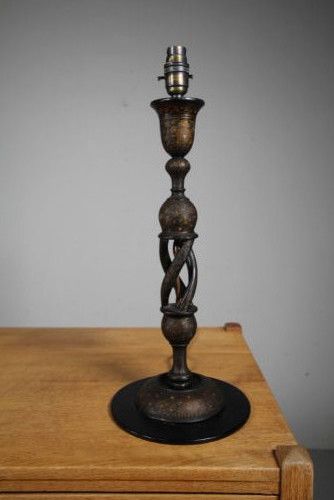
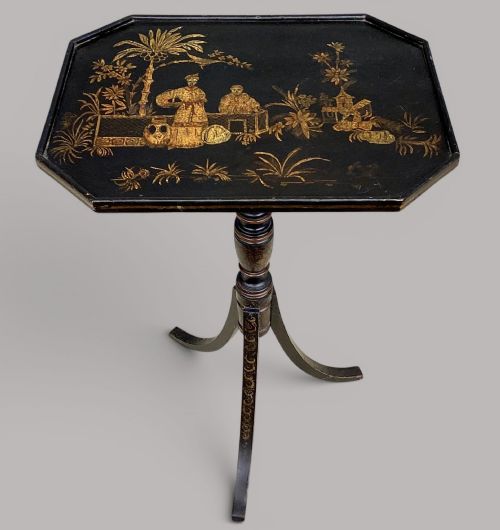
Beyond dedicated table lamps, the evidence shows that the category frequently encompasses forms like occasional tables, side tables, and tea canisters adapted for lighting. Many examples emerge from the early twentieth century, particularly the 1920s and Edwardian periods, often featuring Chinoiserie motifs on wood, lacquered wood, or papier-mache. Buyers also find twist lamp designs and paired sets alongside single large statement pieces.
How they were made
The construction of these pieces relies on traditional woodworking, brass work, and papier-mache substrates finished with applied lacquer and metallic decoration. Artisans built bodies from wood, lacquered wood, or brass before applying layers of lacquer, gold leaf, or gilt paint to create the luminous surface. Many items incorporate hand-painted details characteristic of Kashmiri and Chinoiserie craftsmanship.
The decorative schemes frequently employ black or green grounds overlaid with gold or gilt ornamentation, reflecting techniques seen across nineteenth-century and early twentieth-century workshops. Electrical rewiring is common in surviving examples to adapt older lamp bodies and tea canisters for modern domestic use.
An antique tea canister quietly gives up its brewing days to stand tall as a Victorian reading lamp.
What varies in quality
Quality in a gold lacquered table lamp is determined by the depth and preservation of the hand-applied lacquer and gold leaf work. Superior pieces display intricate, well-defined painted motifs and stable wooden or brass structures that show harmonious ageing without crude structural repairs.
The sophistication of the stylistic execution also separates standard examples from exceptional ones, particularly in the precision of Chinoiserie detailing or Kashmiri floral patterns. The choice of base material, from solid lacquered wood and papier-mache to heavy brass, influences the physical substance and balance of the lamp.
The Gold Lacquered Table Lamp Glossary
- Chinoiserie
- European decorative style reflecting Chinese artistic influences, frequently featuring figures, landscapes, and pavilions rendered in gold lacquer. This style dominates the surface ornamentation of many lamp bases and occasional tables.
- Kashmiri
- Pertaining to decorative arts from Kashmir, noted for intricate hand-painted floral and botanical designs executed in rich colours and gold. These pieces often take the form of tall or enormous twist lamp bodies.
- Lacquered Wood
- Timber treated with multiple coats of resin or varnish to produce a hard, durable, and glossy finish. It serves as the primary structural and visual base for numerous Asian and European decorative objects.
- Papier-mache
- Composite material made from paper pulp or layers of paper reinforced with glue, moulded and then lacquered and painted. It provides a lightweight yet robust body for nineteenth-century lighting pieces and small vessels.
- Gilt
- Application of gold leaf or gold paint to a surface to impart a metallic lustre. This technique highlights carved details and decorative borders on tables and lamp bases.
Gold Lacquered Table Lamp: Frequently Asked Questions
What periods do these lamps come from?
The available pieces span the nineteenth century, Victorian era, Regency period, Edwardian era, and the 1920s and 1930s. Styles range from Empire and French Neoclassical to regional Kashmiri and Chinoiserie.
This broad chronological spread means buyers can find both nineteenth-century adaptations, such as tea canisters converted into lamps, and dedicated 1920s productions.
Are these lamps rewired for modern use?
Many surviving examples have undergone electrical updates to ensure they meet contemporary safety standards. Listings frequently note when a piece has been rewired.
Buyers should inspect the wiring details in the description or consult the dealer regarding the current electrical fittings of each lamp.
What materials are used in these lamps?
The primary structural materials include wood, lacquered wood, brass, and papier-mache. Surfaces are finished with lacquer, gold leaf, gilt, or hand-painted details.
Fabric shades also accompany certain lamp listings, completing the domestic lighting fixture.
How do I style a gold lacquered table lamp?
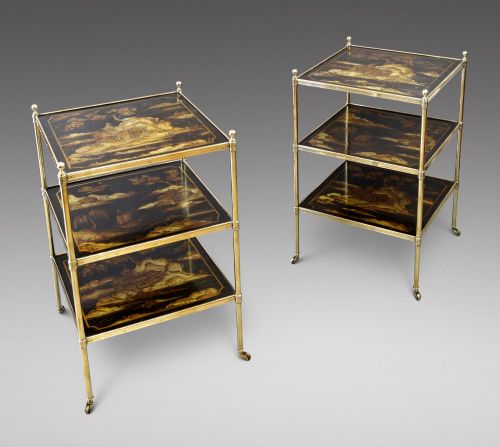
These lamps work well on side tables, occasional tables, and nests of tables, adding a reflective metallic accent to an interior. Their rich black, green, and gold grounds complement both traditional and eclectic room schemes.
Pairing them with related Chinoiserie furniture or placing them alongside complementary brass pieces creates a cohesive decorative arrangement.
What is the difference between Chinoiserie and Kashmiri lamps?
Chinoiserie lamps feature European interpretations of Chinese motifs, typically showing pavilions, figures, and landscapes in gold lacquer. Kashmiri lamps showcase distinct South Asian floral and twist designs.
Both styles utilise gold leaf and painted lacquer over wooden, lacquered wood, or papier-mache bodies.