


Antique Indian Lighting
Antique Indian lighting brings vibrant colour and intricate hand-carved detail into a room through table lamps, floor standards, and sconces.
Antique Indian Lighting
When you search for antique Indian lighting, you encounter a rich array of objects designed to illuminate interiors through traditional craftsmanship. The pieces span from the late nineteenth century into the mid-twentieth century, capturing periods such as the Victorian era and the 1920s and 1930s. Table lamps and standard floor lamps dominate the selection, accompanied by wall sconces, candlesticks, and pendant lights.
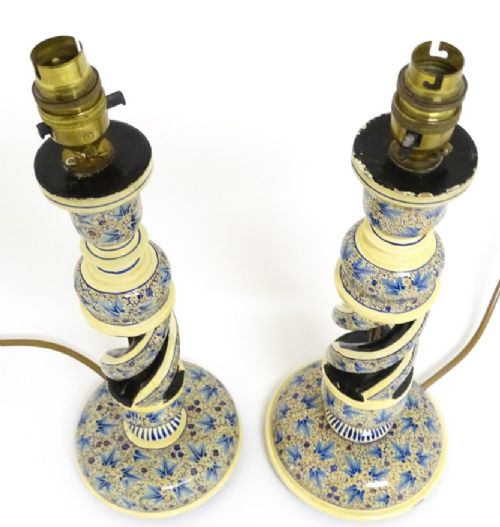
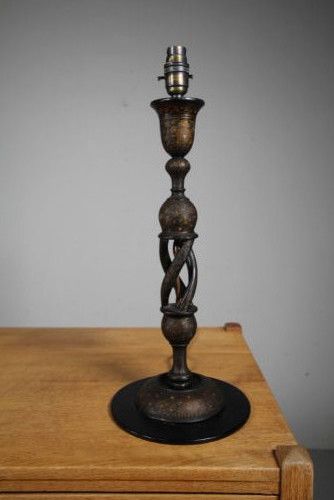
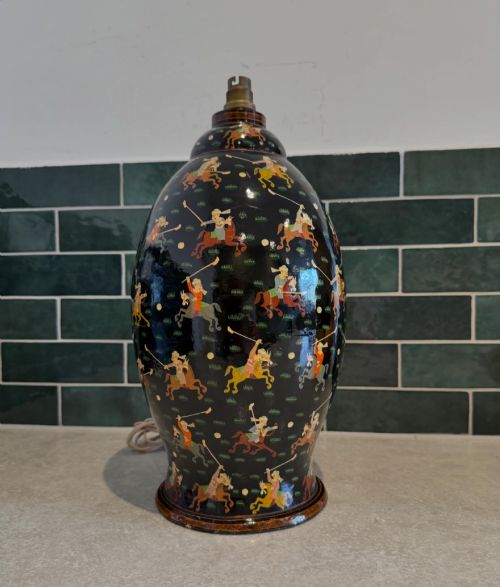
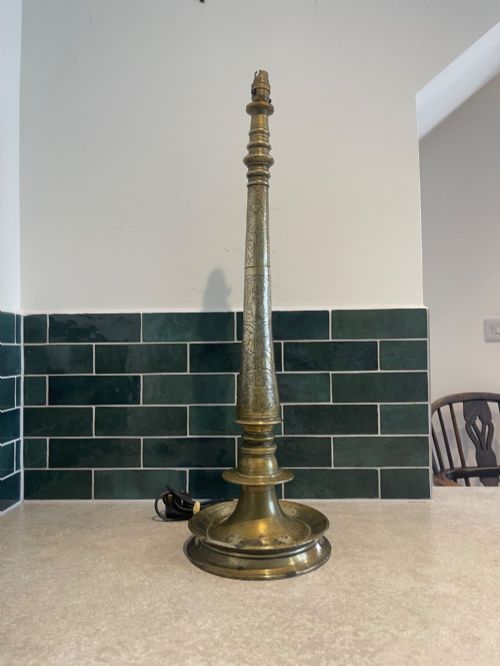
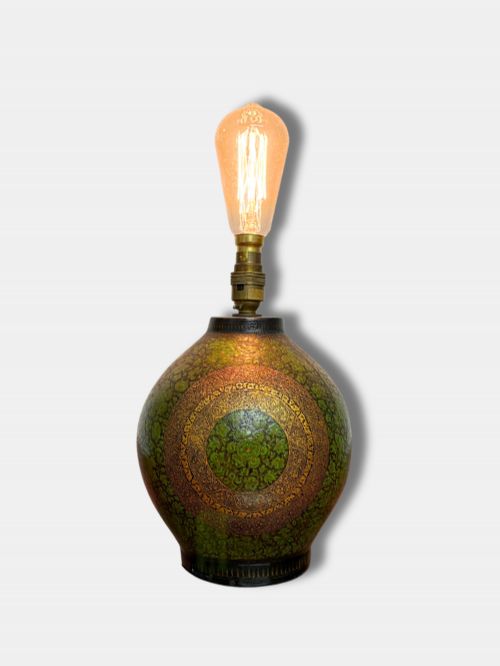
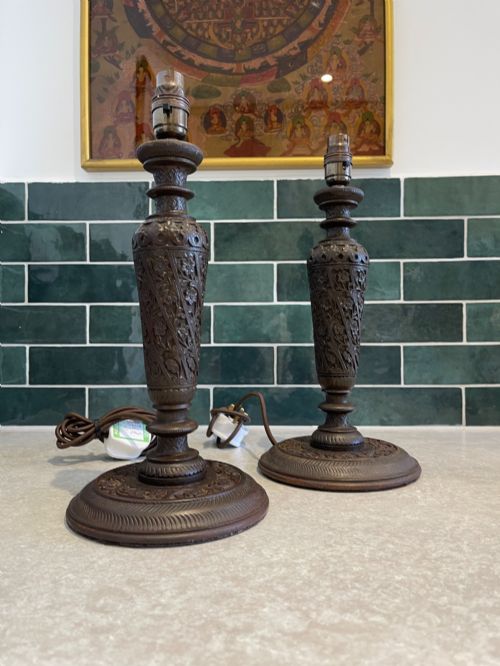
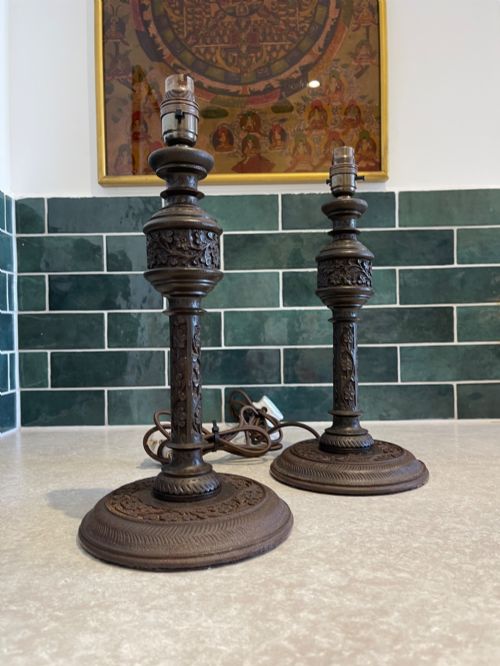
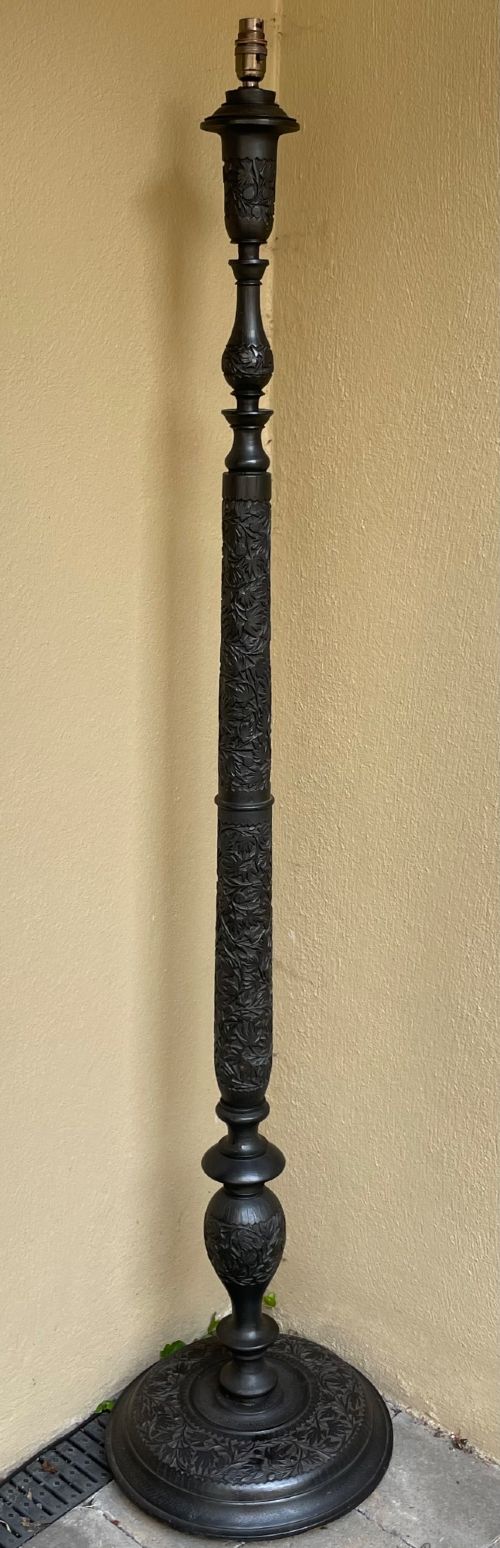
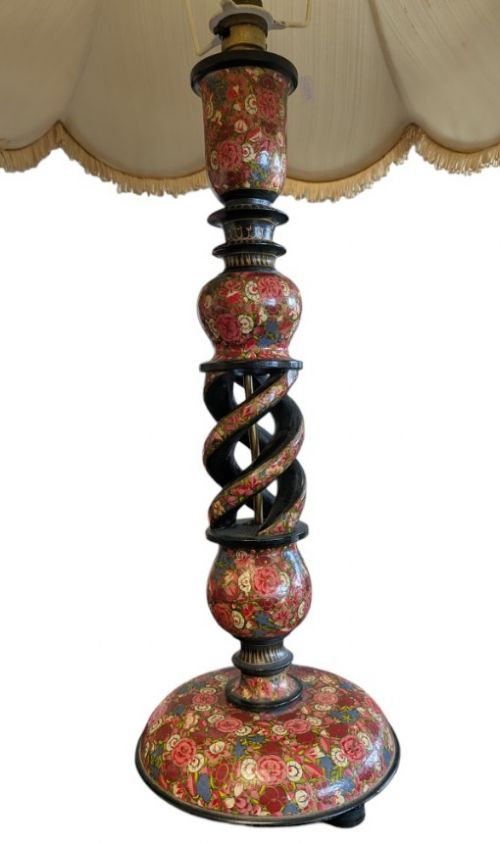
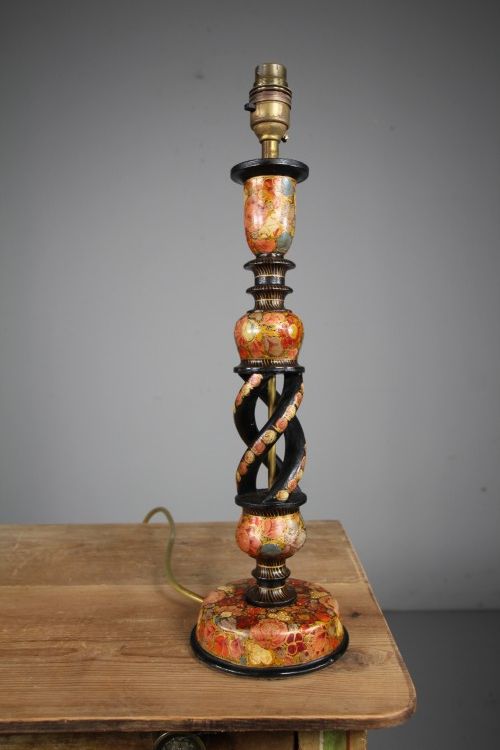
Kashmiri items form a major part of the selection, often taking the form of hand-painted or gilt table and standard lamps displaying intricate floral motifs. Alongside these, Anglo-Indian items showcase heavy carved wood, while brass pieces introduce detailed metalwork including Bidri ware and pierced designs. These objects reflect a blend of indigenous design and colonial influence that defined the period.
Materials and construction
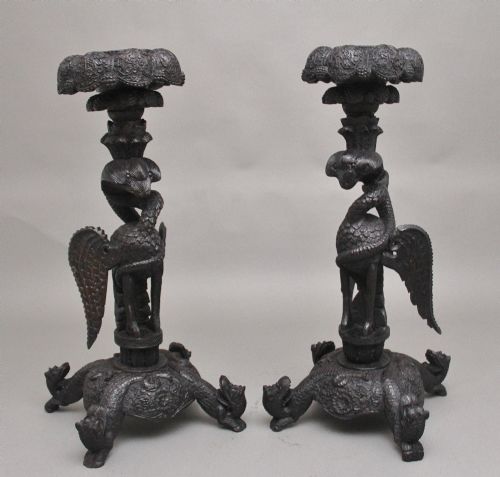
Makers utilised a variety of woods and metals, shaping teak, walnut, padouk, and carved wood into substantial standards and table bases. Brass and bronze also appear frequently, often worked into candlesticks, pendant lights, and serpent motifs using traditional casting and piercing techniques.
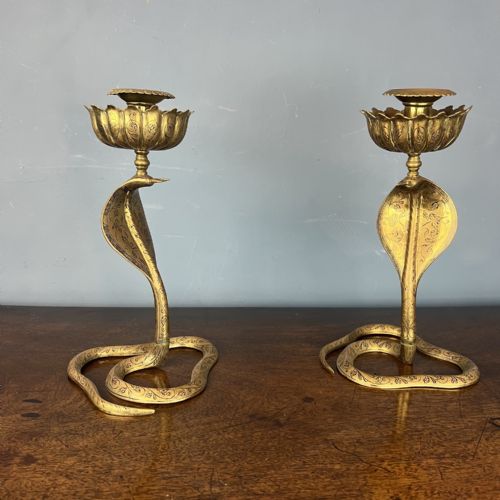
Brass snake candlesticks slither into the lighting category, bringing a reptilian twist to nineteenth-century illumination.
Distinctions in quality
Quality rests primarily on the depth and execution of the hand-carved detail or the precision of the painted decoration. Pieces with crisp, deeply incised foliage or carefully applied gilt work stand apart from simpler production, showing superior hand skill by the artisan.
The integrity of the material and the preservation of the original surface finish dictate the standing of an item. Intact lacquer, clear hand-painted pigments, and solid timber construction without inappropriate modern alterations maintain the character expected of fine period examples.
The Antique Indian Lighting Glossary
- Bidri ware
- An Indian metalwork technique where a blackened alloy of zinc and copper is inlaid with thin sheets of pure silver. This creates striking high-contrast patterns often seen on candlesticks and decorative vessels.
- Kashmiri
- Pertaining to the region of Kashmir, known in lighting for turned wood bases finished with detailed hand-painted floral decoration and gilt highlights. These items often date from the early twentieth century.
- Torchere
- A tall standing ornamental candlestick or lamp stand designed to hold a single light source aloft. In antique Indian pieces, these are frequently executed in heavily carved wood.
- Standard lamp
- A freestanding floor lamp designed to illuminate a room from standing height. Examples in this category often feature tall turned wooden columns or intricate inlay work.
Antique Indian Lighting: Frequently Asked Questions
How do I date an antique Indian lamp?
Dating relies on examining the wiring methods, the wear to the wood or metal, and the characteristic painting styles of periods like the 1920s or the Victorian era.
Subtle indicators such as the type of timber used and the method of construction help narrow the decade of origin.
Are these lamps safe for modern use?
Many older pieces require rewiring to meet contemporary electrical standards before regular use in a home.
Dealers frequently note when a lamp has been updated with modern flex and fittings while preserving the antique exterior.
What is Anglo-Indian lighting?
This term describes items produced during the British colonial period that combine traditional Indian motifs and materials with European furniture forms.
They often feature dense carving in woods like teak or padouk.
How should I clean a painted Kashmiri lamp?
Dusting gently with a dry, soft cloth is the safest method to protect fragile hand-painted surfaces and gilt highlights.
Moisture and chemical cleaners should be avoided to prevent damage to the historic finish.