


Hand Painted Wooden Lamp
These hand painted wooden lamp pieces bring patterned colour and turned form into a room.
Hand Painted Wooden Lamp
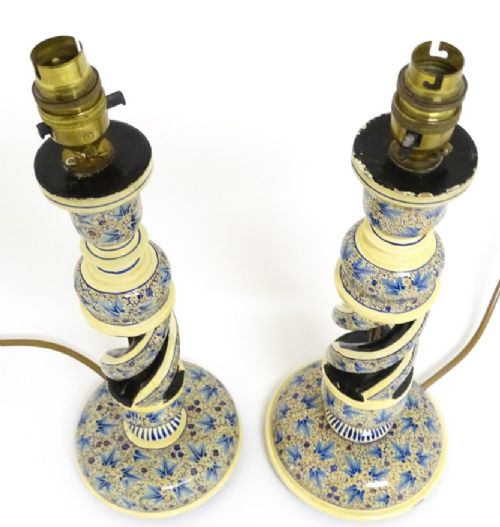
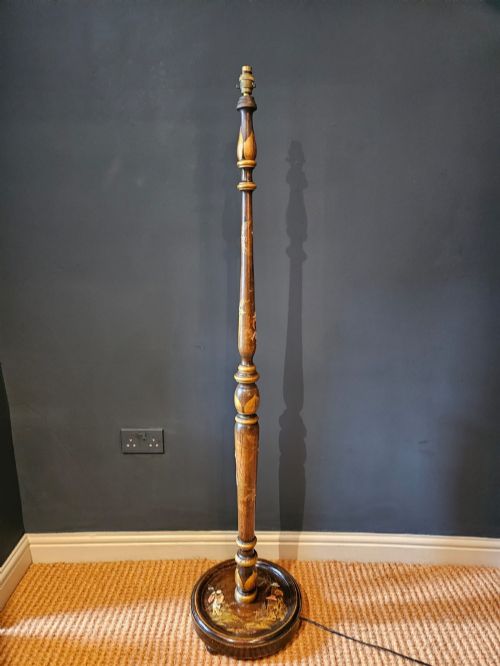
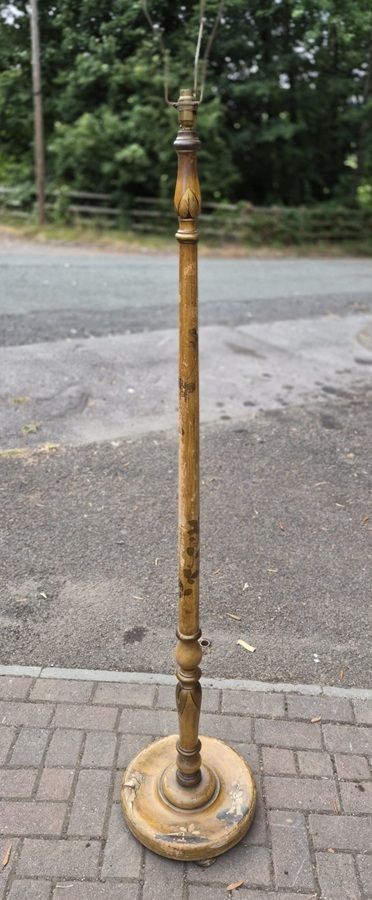
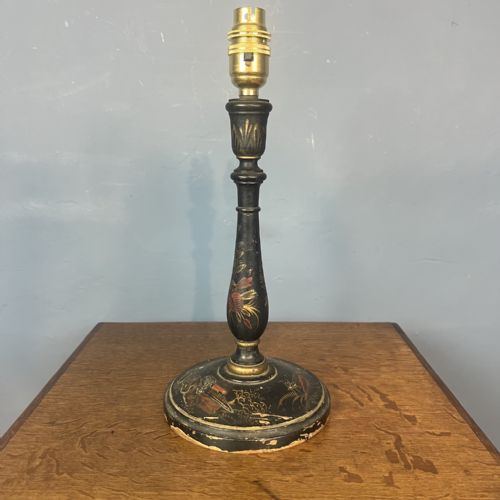
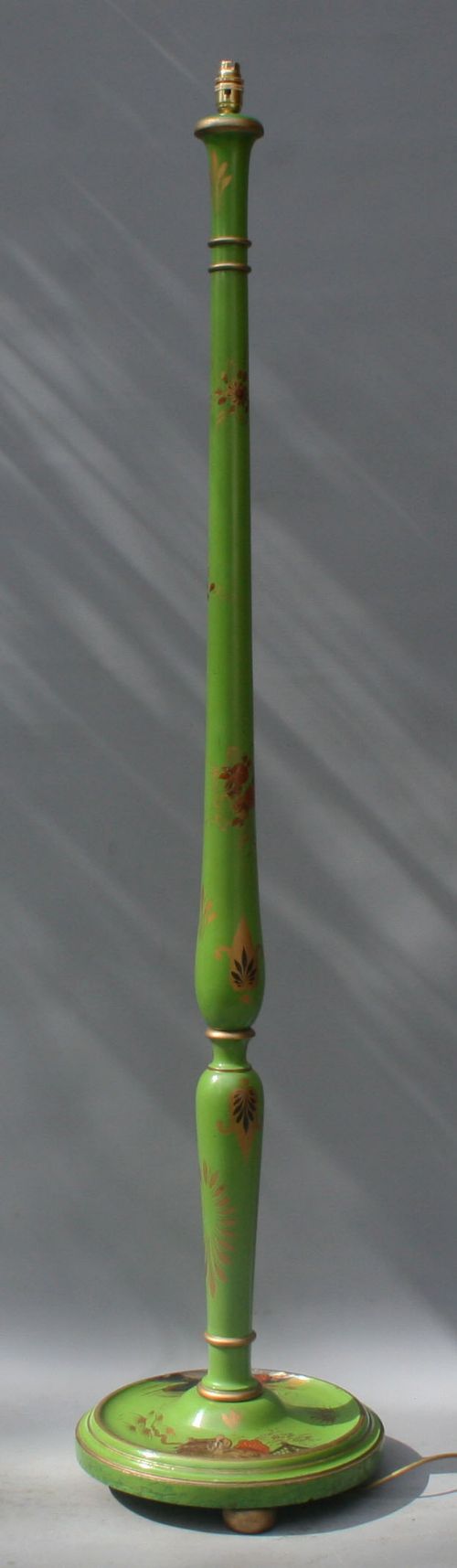
A hand painted wooden lamp combines turned timber forms with decorative painted surfaces originating from various historic periods. When exploring this selection, buyers encounter table lamps, standard lamps, and floor lamps spanning the Victorian era through the early twentieth century.
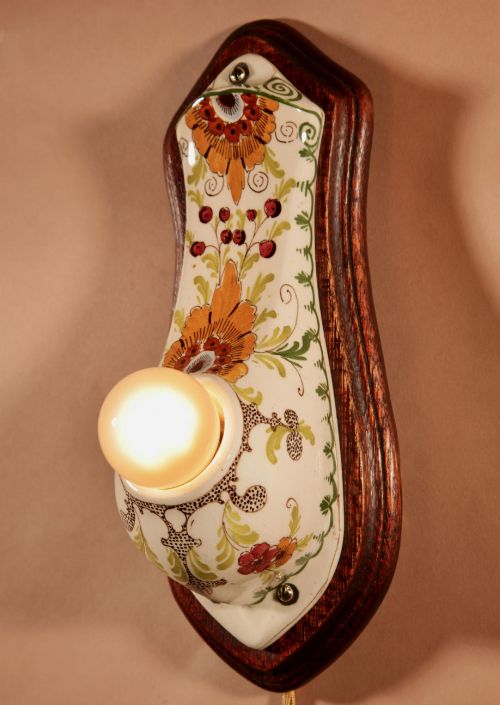
The regional styles represented include Anglo-Indian and Kashmiri work alongside Edwardian and nineteenth century Chinoiserie interpretations. Turned wooden bodies carry lacquer, painted details, and occasionally ceramic or brass elements to create distinct decorative lighting.
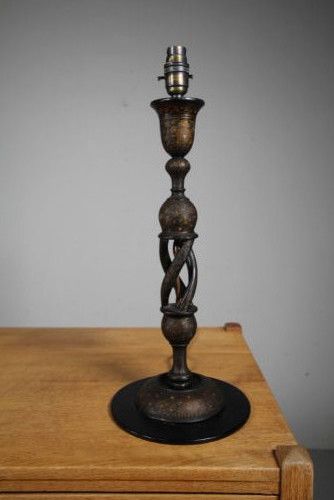
Table lamps and twist columns appear alongside standard floor standing versions. These pieces reflect specific stylistic revivals and international design influences from past centuries.
How they were made
Makers shaped timber on lathes to produce turned columns, twist pillars, and supporting bases. Wood provides the primary structural material for these lighting pieces.
Surfaces received layers of paint, lacquer, and detailed hand painting often applied over prepared grounds. Artisans utilised contrasting colour palettes and motifs characteristic of Chinoiserie and Kashmiri traditions.
Listings feature items from the 19th Century, Victorian period, 1900, 1910, 1920, and 1930.
What varies in quality
The refinement of the wood turning and the complexity of the hand painted surface decoration dictate the overall standard of a piece. Finer examples display crisp detail in the painted motifs and precise balance in the turned wooden structure.
The preservation of original lacquer and painted finishes influences the character of each piece. Superior items retain integrated decoration that complements the underlying timber form.
The Hand Painted Wooden Lamp Glossary
- Chinoiserie
- European decorative style reflecting Chinese artistic influences. This aesthetic appears frequently in painted lacquer and decorative furnishings.
- Standard Lamp
- A tall floor-standing lamp designed to illuminate a room from a vertical position. These objects provide substantial height and decorative presence.
- Lacquer
- A durable resin or varnish applied in multiple layers to wooden surfaces. It creates a smooth, glossy finish suitable for hand painted ornamentation.
- Twist Table Lamp
- A lamp featuring a spiralling or carved helical column turned from wood. This form adds visual movement to the vertical support.
Hand Painted Wooden Lamp: Frequently Asked Questions
What periods do these lamps come from?
The selection includes pieces from the Victorian era, the nineteenth century, and early twentieth century decades up to the nineteen-thirties.
Design characteristics align with Edwardian tastes, Sheraton Revival aesthetics, and regional traditions such as Kashmiri craftsmanship.
How do I identify a Chinoiserie lamp?
Chinoiserie lamps feature painted motifs inspired by traditional East Asian art, often set against lacquered or painted wooden backgrounds.
These pieces typically date from the Edwardian period or the early twentieth century and exhibit distinct decorative detailing.
What wood types are used?
Makers utilised various timbers for these lamps, sometimes incorporating turned wood, painted wood, or satinwood alongside lacquer finishes.
Structural elements frequently pair with brass components or ceramic sections depending on the specific design origin.
Where were Kashmiri lamps made?
Kashmiri lamps originate from the Kashmir region, known for distinctive hand painted wooden surfaces and decorative table lamp designs.
These objects often feature intricate painted patterns applied to turned wooden bodies dating from the early twentieth century.