




Decorative Painted Table Lamp
A decorative painted table lamp brings colour and pattern into a room through hand-applied ornament on ceramic, metal, or wood.
Decorative Painted Table Lamp
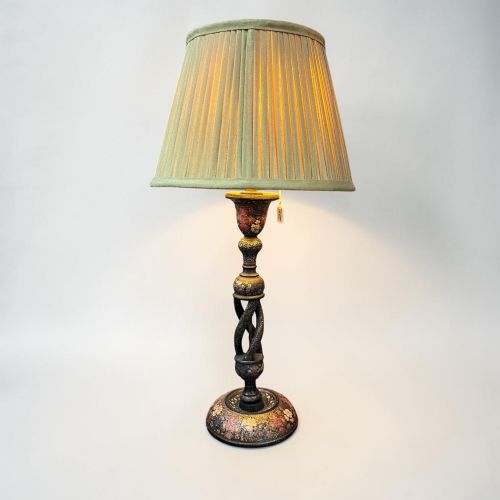
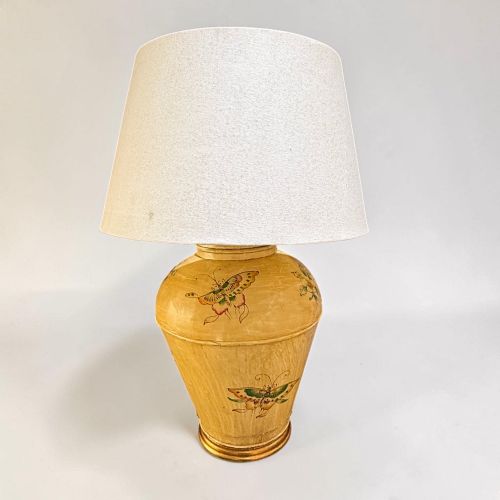
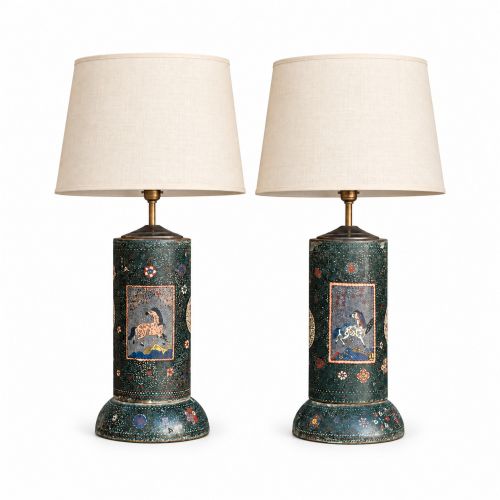
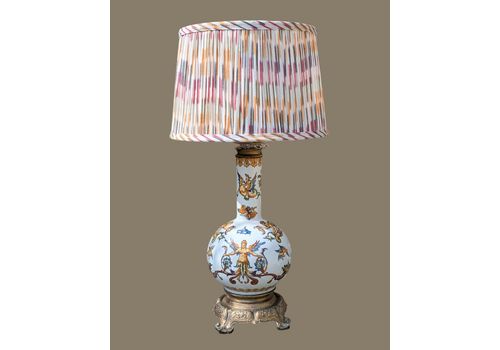
When you search for a decorative painted table lamp, you encounter a varied group of lighting fixtures and converted vessels spanning the nineteenth and early twentieth centuries. These objects combine illumination with distinct ornamental schemes, drawing on styles from Victorian Britain, continental Europe, and East Asia.
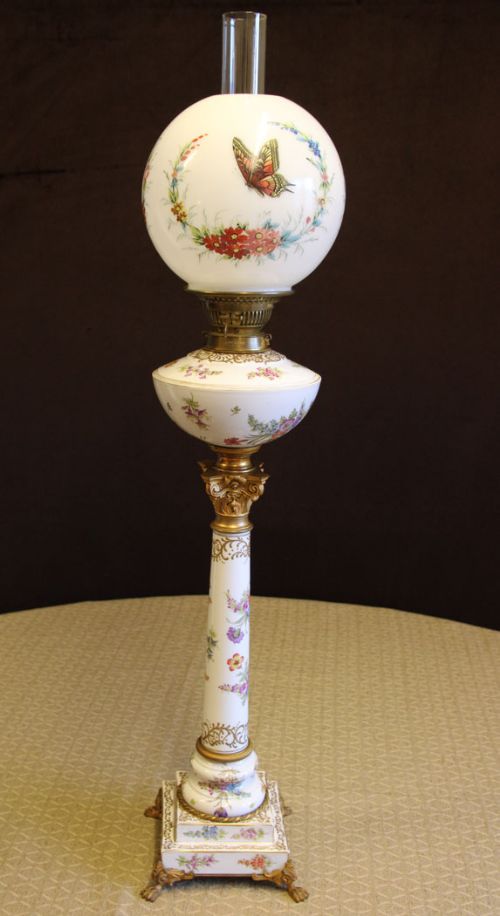
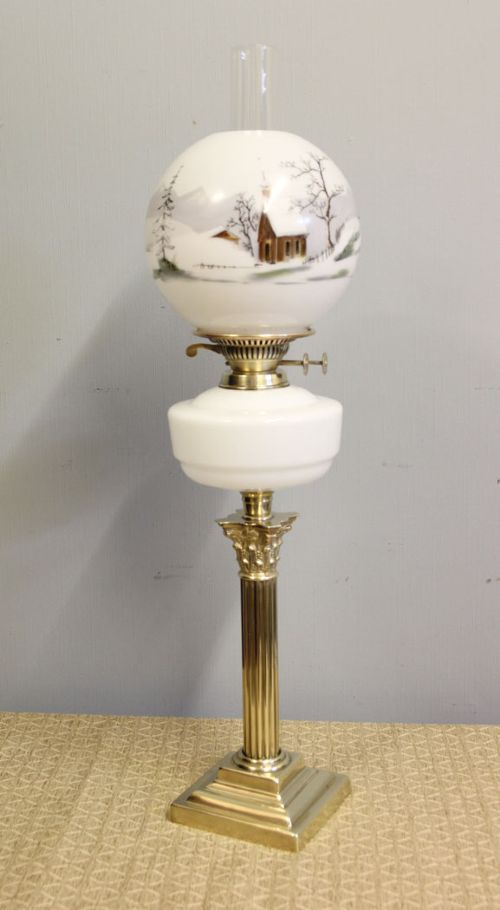
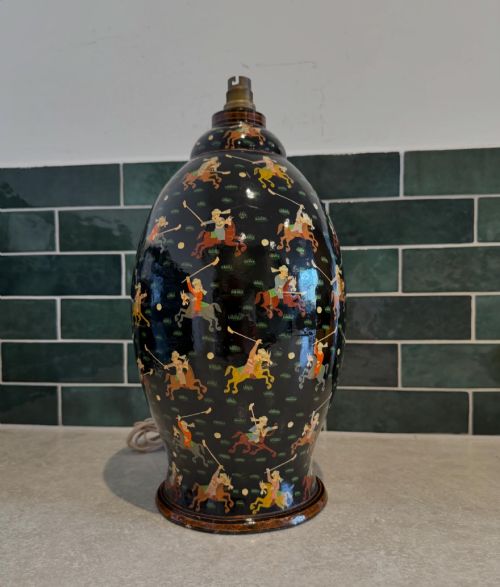
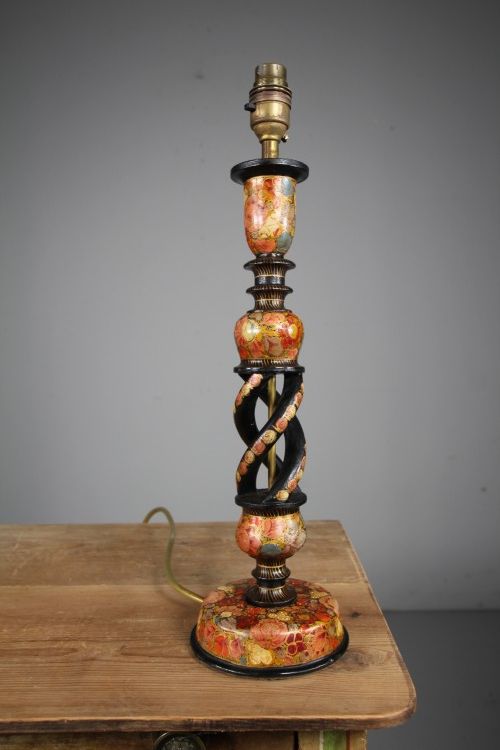
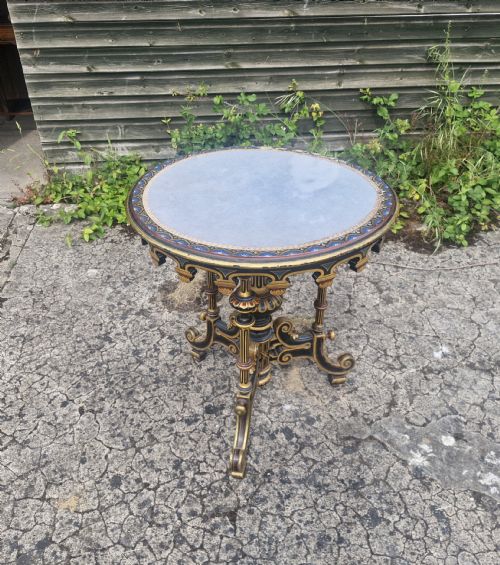
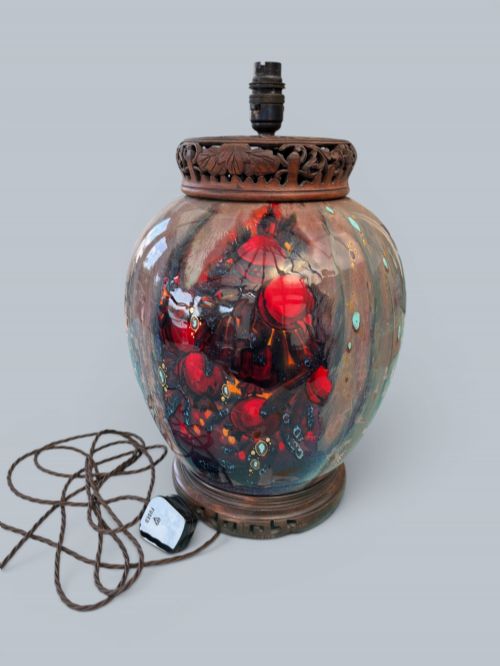
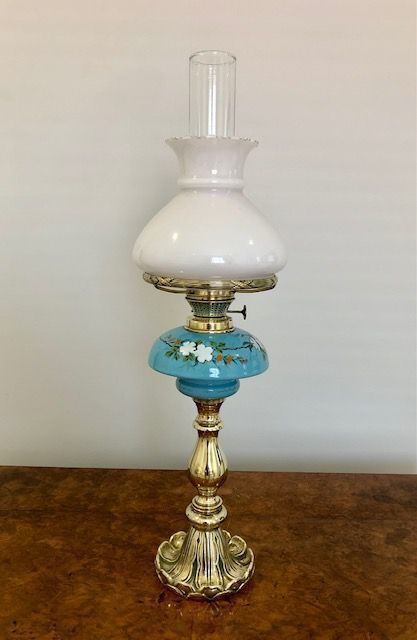
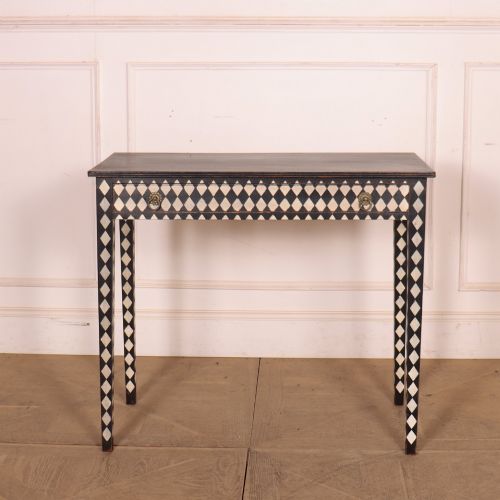
The selections on this page appear in several distinct forms, including converted porcelain vases, oil lamps with painted bowls, and turned wooden bases with lacquer or polychrome finishes. Alongside dedicated lamps, the inventory includes painted occasional tables and tea canister lamps that share the same ornamental vocabulary.
Origins range widely across periods and regions, featuring Kashmiri papier-mache work, Japanese Satsuma and Arita ceramics, French Toleware, and English Chinoiserie. This diversity means buyers select pieces based on specific regional motifs and historical manufacturing traditions rather than a single uniform design.
How they were made
Construction relies on a combination of traditional turning, moulding, and surface decoration applied to brass, wood, porcelain, and glass. Artisans shaped ceramic bodies on the wheel, turned timber on lathes, and fabricated metal components from brass or sheet iron.
Surface ornament is integral to these pieces, employing hand-painted pigments, lacquer layers, and applied glazes. Craftspeople used techniques such as polychrome enamel work, gilt detailing, and papier-mache layering to build up richly coloured patterns before sealing the surfaces.
Decorative Painted Table Lamp Retail Price Guide 2026
Typical asking prices for decorative painted table lamp among the pieces listed under this phrase on Sellingantiques today, from the lower quarter to the upper quarter. They describe what is for sale here now, not the wider market.
What varies in quality
Quality rests primarily on the execution of the hand-painted ornament and the integrity of the underlying material, whether porcelain, brass, or wood. Finer examples display meticulous brushwork, balanced compositions, and well-preserved surface finishes that retain their original depth of colour.
The choice of materials and the complexity of the manufacturing process also set pieces apart. Items utilising specialised regional techniques, such as Japanese Satsuma earthenware or Kashmiri lacquerwork, demonstrate superior artisanal investment compared to standard mass-produced alternatives.
The Decorative Painted Table Lamp Glossary
- Chinoiserie
- European decorative style inspired by Chinese art and design. This aesthetic appears frequently on lacquered items and painted lamp bases from the eighteenth and nineteenth centuries.
- Toleware
- Painted or lacquered sheet metal items originating in France and Britain. These pieces often feature dark backgrounds embellished with floral or gilt motifs.
- Majolica
- Opaque tin-glazed earthenware decorated with brightly coloured metal oxide paints. The technique produces a glossy surface finish found on nineteenth-century ceramic lamps.
- Satsuma
- Japanese earthenware pottery characterised by a ivory craquelure glaze and polychrome enamel decoration. Pieces often depict figurative scenes accented with raised gold.
- Papier-mache
- Composite material made from paper pulp or layers of paper bound with glue and resin. Kashmiri artisans shaped this medium into lightweight bases before applying elaborate lacquer paintwork.
Decorative Painted Table Lamp: Frequently Asked Questions
How do I identify a converted oil lamp?
Converted oil lamps typically retain original brass burners, collars, or reservoirs that have been adapted to accept modern electrical fittings.
Examine the upper portion of the base where the burner assembly joins the ceramic, glass, or metal body to spot threaded components originally designed for liquid fuel.
What is the difference between porcelain and earthenware lamps?
Porcelain is fired at extremely high temperatures to produce a vitreous, non-porous body that often rings when struck and appears translucent in thin sections. Earthenware, such as Majolica or Satsuma, uses lower firing temperatures and results in an opaque, heavier ceramic body.
Surface decoration behaves differently on each substrate, with porcelain accepting smooth overglaze enamels and earthenware often showing a characteristic glaze crazing.
How should I clean a painted lamp surface?
Dust painted and lacquered surfaces gently with a dry, soft microfiber cloth to prevent abrasion of delicate pigments and gilt highlights. Avoid chemical cleaners, moisture, and solvents, which can lift water-soluble paints or damage historic lacquer finishes.
Are these lamps professionally rewired?
Many antique lighting pieces require updated internal wiring to meet contemporary electrical safety standards for domestic use. Listings indicate whether a piece has been recently rewired or retains older components requiring professional inspection.