


Antique Indian Lamp
When you search for an antique indian lamp, you find lighting and carved wooden stands shaped by colonial trade and regional craftsmanship.
Antique Indian Lamp
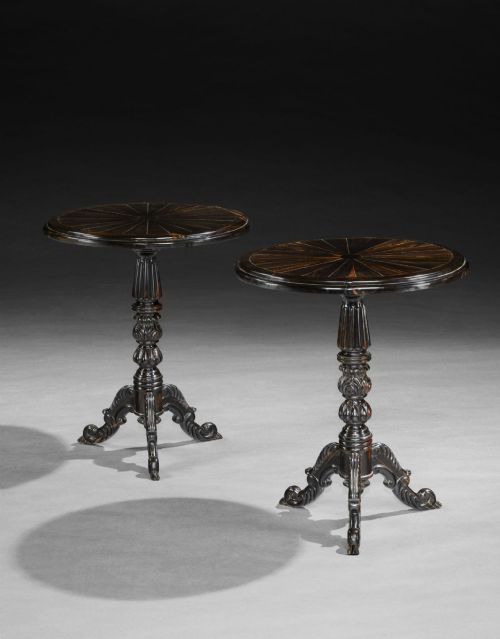
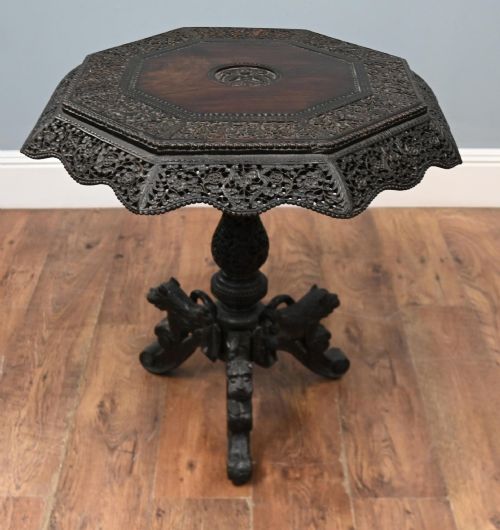
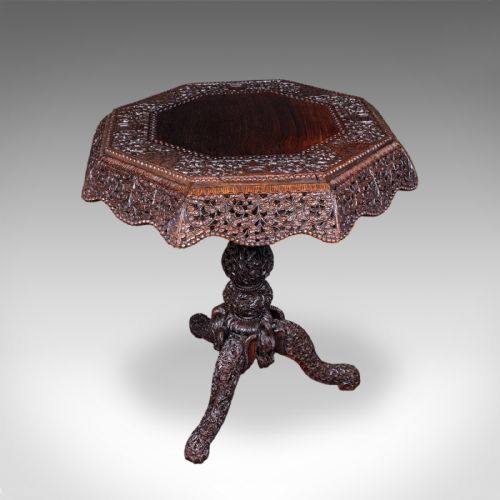
An antique indian lamp encompasses table lamps, floor lamps, and hanging pendant lights originating from the nineteenth and early twentieth centuries. These pieces emerge from periods such as the Victorian era, alongside specific decades from nineteen hundred to nineteen thirty. When looking through these listings, a buyer encounters forms that blur the line between functional lighting and intricately carved occasional or side tables.
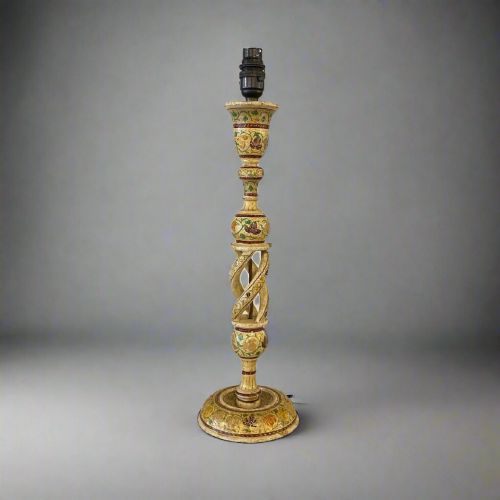
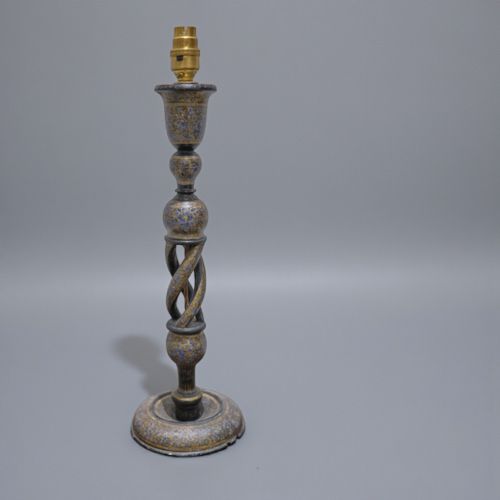
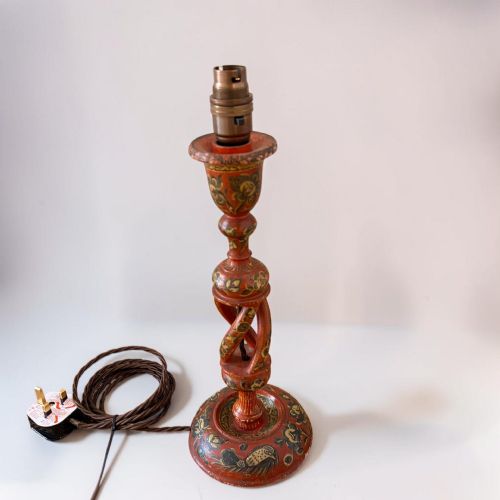
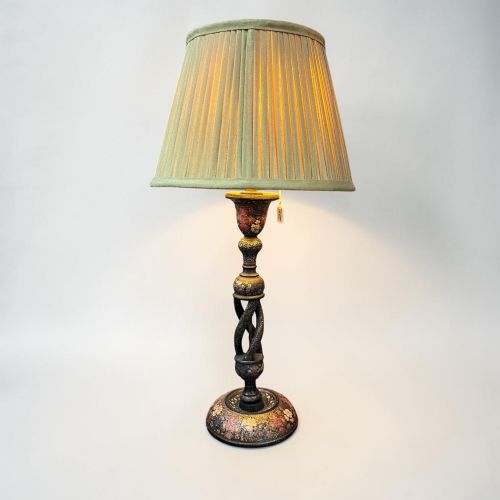
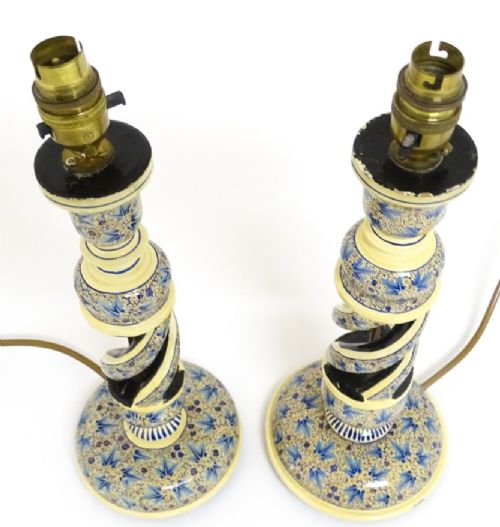
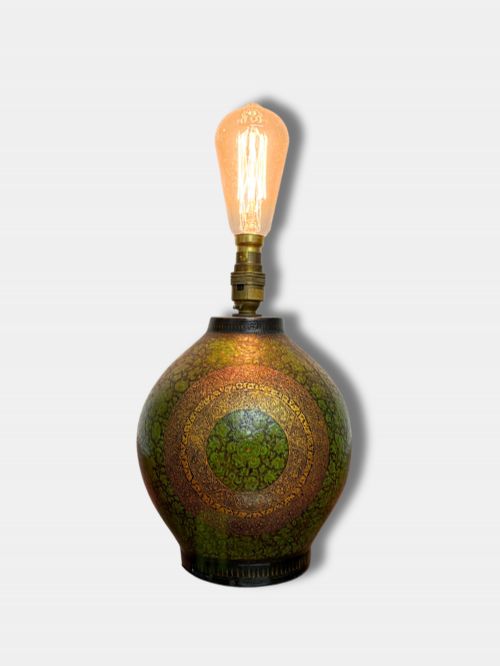
The regional origins and styles span Kashmiri, Anglo-Indian, Anglo-Burmese, and Moorish Revival traditions. Many items reflect colonial production, incorporating traditional hand-painting, gilt gold, and dense floral carving. Standard lamps and table lamps sit alongside side tables adapted for lighting use.
Makers and workshops across different regions produced these pieces using native timbers and metals. The surviving items demonstrate how domestic lighting integrated with ornate furniture design during the Victorian period and the early twentieth century.
Materials and methods of construction
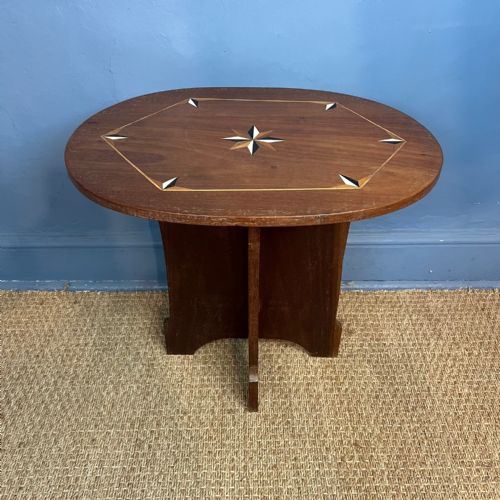
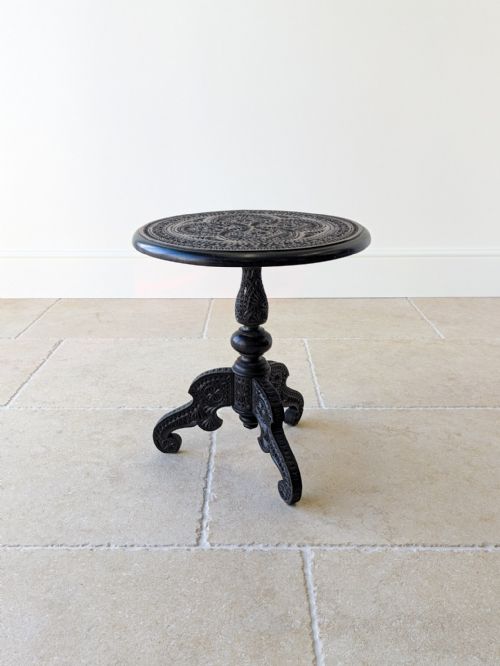
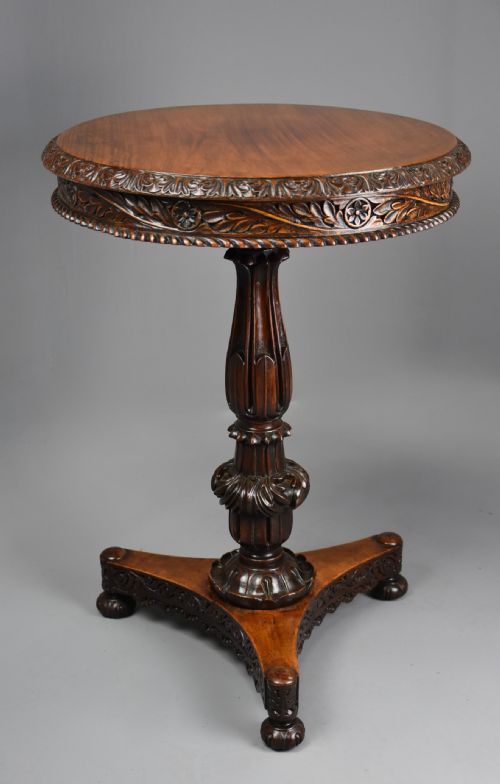
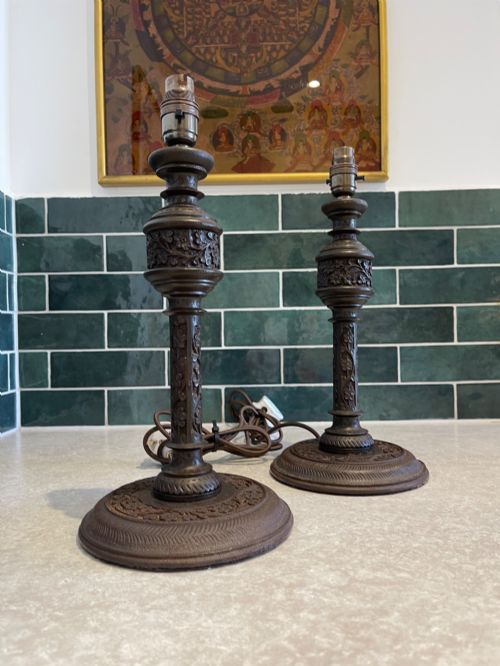
Construction relies on dense tropical hardwoods including teak, padouk, rosewood, and general hardwood. Artisans shaped these timbers through deep carving, pierced fretwork, and geometric inlay work characteristic of centres like Hoshiarpur.
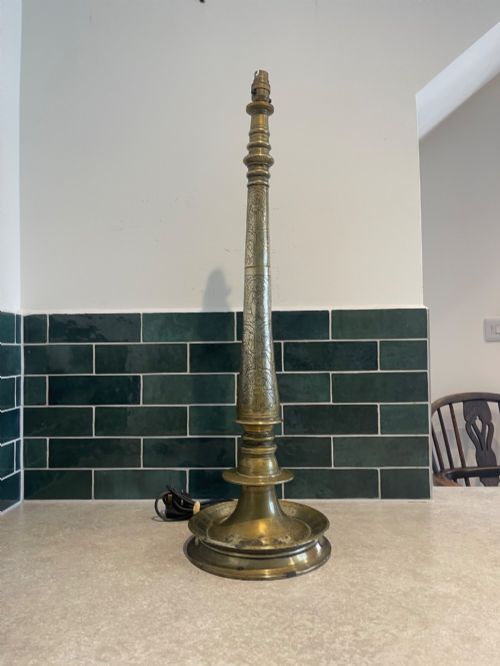
Metalwork forms another core material category, seen in pierced brass pendant lights, bronze ceremonial censers, and cast brass lamp bases. Lacquer and hand-painted finishes appear on wooden lamp bodies, utilising gilt gold and coloured pigments over carved surfaces.
Antique Indian Lamp Retail Price Guide 2026
Typical asking prices for indian lamp among the pieces listed under this phrase on Sellingantiques today, from the lower quarter to the upper quarter. They describe what is for sale here now, not the wider market.
The documented forms range from standard floor lamps and table lamps to octagonal side tables and hanging brass pendants.
Judging the quality of an antique indian lamp
Quality rests upon the crispness of the hand-carved detail and the complexity of the inlaid surfaces. Dense, deep relief carving in teak or padouk demonstrates superior craftsmanship compared to shallow or mechanical surface decoration.
The integrity of the timber and the precision of fitted joints determine the durability of table structures and standard lamp bases. Painted and gilded Kashmiri pieces rely on the preservation of the original pigments and the subtlety of the brushwork.
The Antique Indian Lamp Glossary
- Anglo-Indian
- Describing furniture or decorative objects made in India during the British colonial period, often combining British furniture forms with local decorative carving traditions. These pieces frequently utilise native timbers like teak and padouk.
- Kashmiri
- Pertaining to decorative work originating from Kashmir, typically characterised by hand-painted floral motifs, lacquered wooden surfaces, and gilt detailing. Kashmiri standard and table lamps often display rich colour palettes.
- Hoshiarpur
- Referring to the town in Punjab renowned for intricate inlay work using brass, bone, or shesham wood set into dark timber grounds. Hoshiarpur tables and standard lamps show dense geometric patterns.
- Padouk
- A heavy, durable tropical hardwood with a reddish hue used in nineteenth-century colonial furniture and standard lamps. It provides a stable base for deep sculptural carving.
- Occasional table
- A small, movable table designed for a specific room function, frequently utilised to support a table lamp in nineteenth-century interiors. These items appear in octagonal, circular, and folding formats.
Antique Indian Lamp: Frequently Asked Questions
What styles define an antique indian lamp?
Styles include Kashmiri hand-painted designs, Anglo-Indian colonial carvings, and Moorish Revival brasswork. These reflect regional workshops working during the nineteenth and early twentieth centuries.
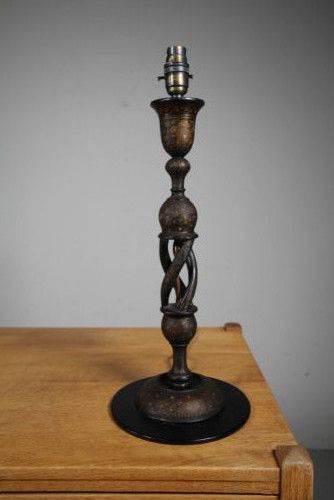
Many objects combine structural forms like octagonal side tables with lighting functions, or present turned wooden standard lamp bodies.
How were these lamps used originally?
They functioned as domestic illumination in colonial and Victorian homes, utilising oil or early electrical fittings. Standard lamps and table lamps provided ambient light in studies and drawing rooms.
Suspended brass pendant lights and bronze censers served functional and ceremonial roles across various domestic and public spaces.
What woods are common in these pieces?
Teak, padouk, rosewood, and general hardwood form the primary structural materials. Artisans selected these dense timbers to withstand intricate piercing and deep surface carving.
Specimen wood marquetry and inlaid elements also appear on occasional tables adapted for lighting.
How do I date an antique indian lamp?
Dating relies on stylistic markers associated with the Victorian era, the Aesthetic Movement, and the early twentieth century. Construction details and wiring updates offer further chronological context.
Materials such as hand-hammered brass, gilt lacquer, and native hardwoods align with specific periods recorded between eighteen forty and nineteen thirty.