
Vintage Hand Painted Lamps
These vintage hand painted lamps bring colour and character to a room, turning surfaces and corners into points of focused illumination.

Vintage Hand Painted Lamps
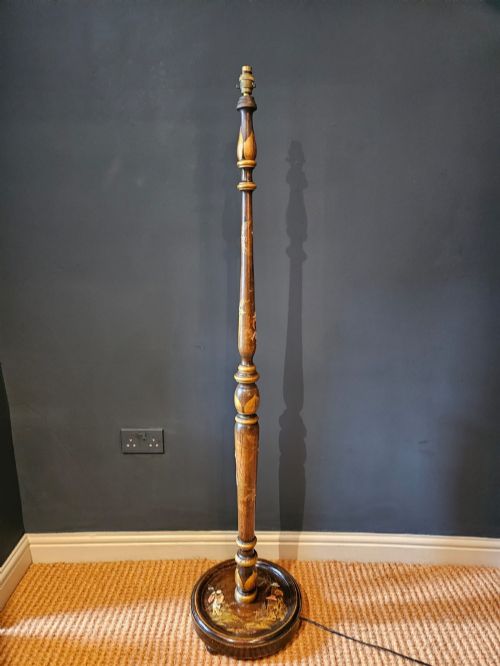
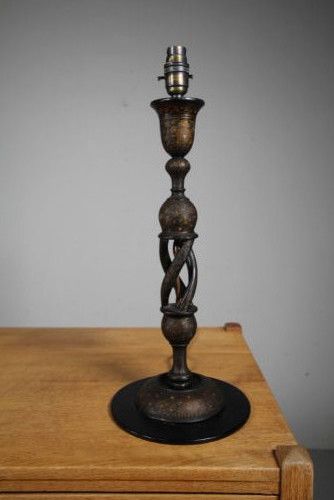
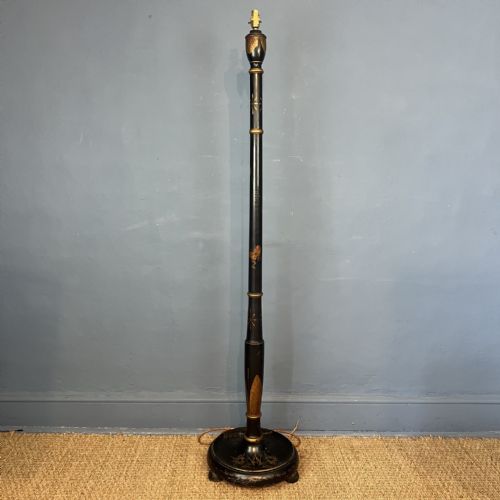
When you search for vintage hand painted lamps, you encounter items designed to illuminate interiors while displaying decorative artwork on their bodies or shades. The selection spans table lamps, floor standards, and hanging oil lamp shades originating from the nineteenth and early twentieth centuries.
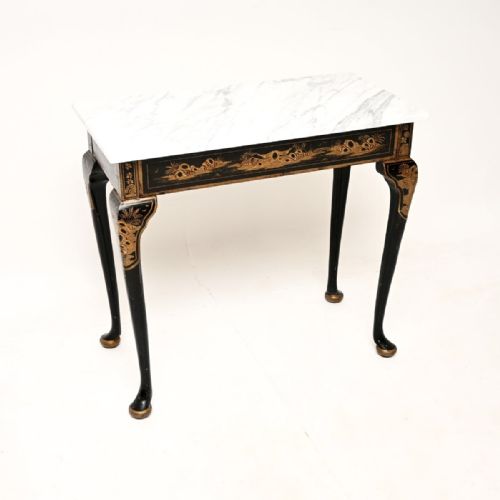
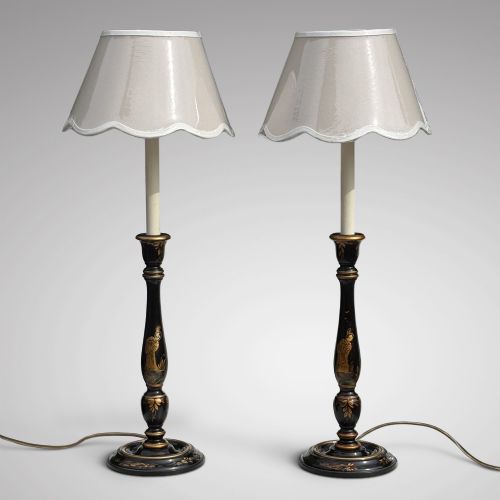
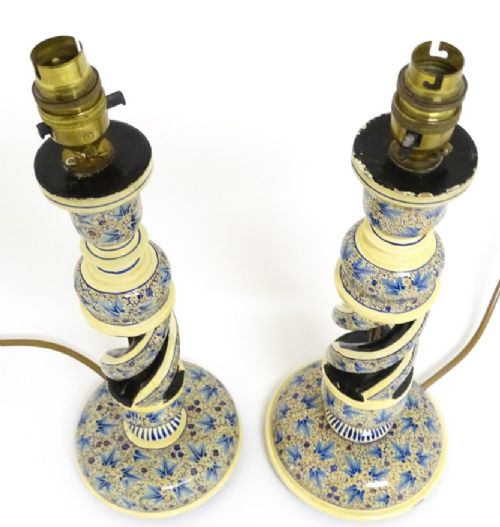
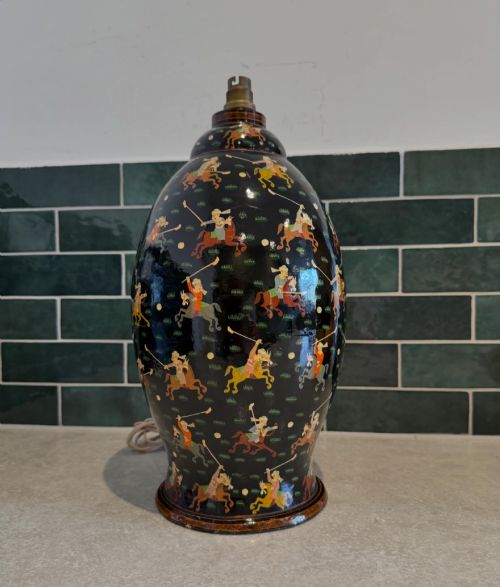
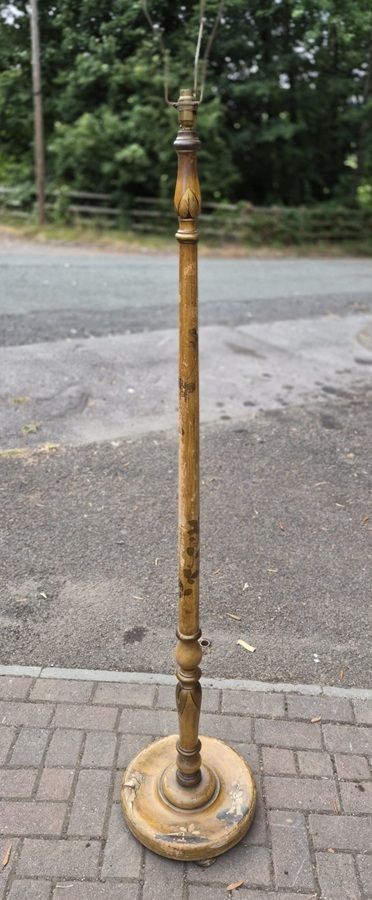
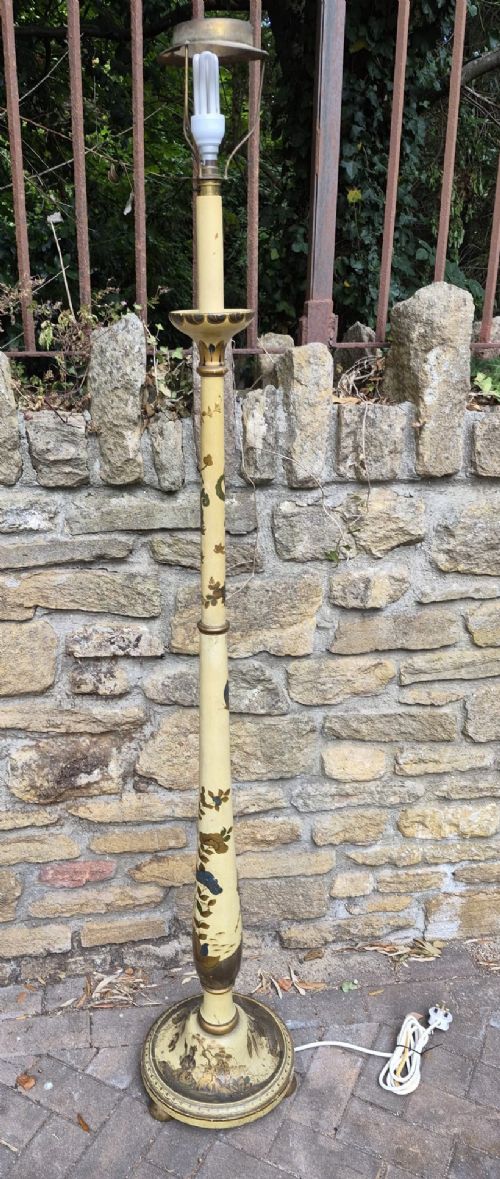
The most common examples on this page are Chinoiserie lacquer lamps and Kashmiri painted wooden or papier-mache columns from the Edwardian era and the 1920s. Alongside these, you find converted oil lamps with painted glass fonts and ceramic bases from makers spanning Victorian times to the Art Deco period.
How they were made
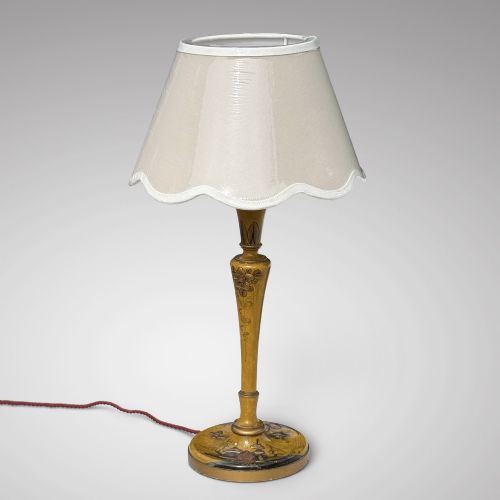
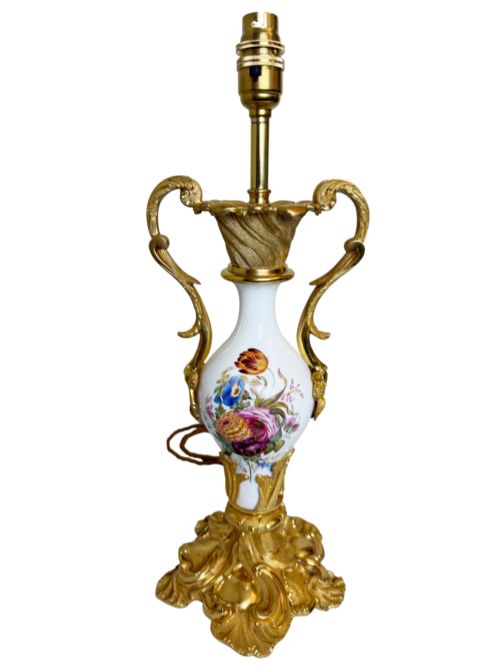
Materials combine brass, wood, glass, porcelain, and papier-mache, often finished with layers of lacquer or paint. Artisans applied hand-painted motifs directly onto these surfaces, utilising gilt, ochre, and mandarin orange pigments to build up intricate floral or oriental scenes.
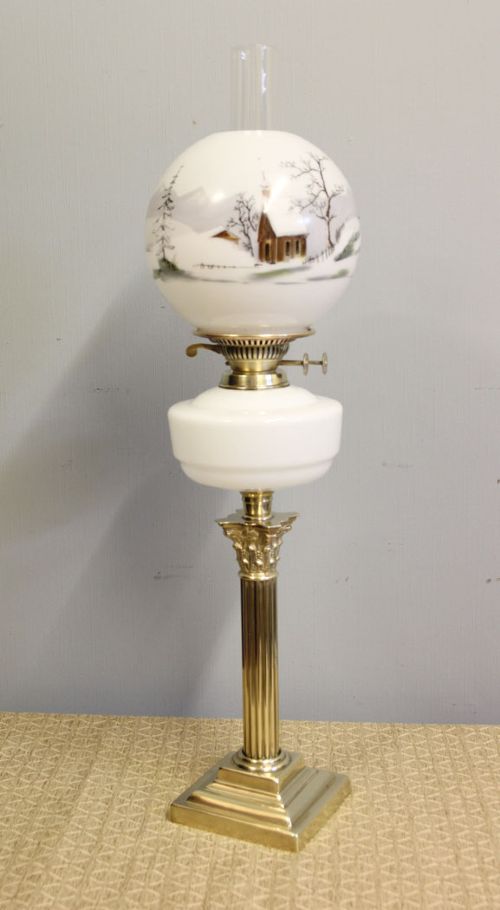
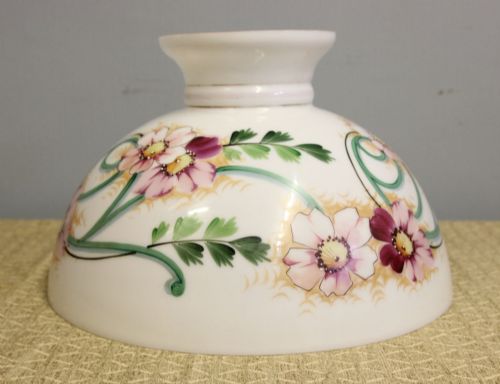
Many tall standard lamps and table lamps utilise turned wooden columns or classical brass Corinthian columns fitted with oil reservoirs or later electrical wiring. Glass components range from opaline and cranberry glass shades to hand-painted font inserts created during the Victorian and Edwardian periods.
Railway inspectors once carried hand lanterns with tri-colour lenses, proving that even signal checks involved a touch of painted glass.
What varies in quality
Quality rests in the precision of the hand-painted detail and the preservation of the original lacquer or gilt decoration. Pieces with crisp brushwork and intact surface finishes stand apart from examples showing heavy wear or crude overpainting.
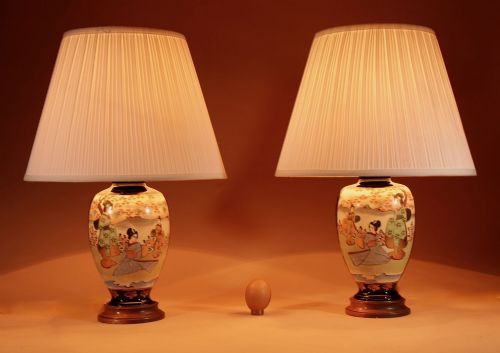
The choice of base materials also defines the tier, with heavy brass castings, solid woods, and genuine papier-mache structures offering greater substance than simpler constructions. Matching pairs command particular attention for their decorative symmetry.
Royal Worcester·GWR
The Vintage Hand Painted Lamps Glossary
- Chinoiserie
- European interpretation of Chinese and East Asian artistic traditions, frequently expressed through lacquerwork and painted scenes on furniture and lamps. This style flourished during the eighteenth century and saw strong revivals in the Edwardian period and the 1920s.
- Papier-mache
- A composite material made from paper pulp or layers of paper bound with glue, moulded into forms and dried. In lamp production, it provided a lightweight yet durable core suitable for detailed hand painting.
- Opaline glass
- A pale, translucent white or coloured glass developed in the nineteenth century. It accepts painted decoration readily and diffuses light softly.
- Standard lamp
- A tall floor-standing lamp designed to illuminate a room from a vertical post. These often incorporate heavy bases for stability.
- Corinthian column
- A classical architectural column style featuring ornate capitals decorated with acanthus leaves. It was frequently adopted for brass oil lamps in the Victorian era.
Vintage Hand Painted Lamps: Frequently Asked Questions
How do I wire an old lamp?
Rewiring typically involves replacing the outdated internal cord and lamp holder with modern electrical components that meet current safety standards. Many pieces arrive already rewired for contemporary use.
Qualified electricians can perform this update while preserving the external vintage column and painted finish.
Were these originally oil lamps?
Many examples began life as oil lamps burning paraffin or other fuels before conversion to electricity. You can often identify these by the presence of a burner mechanism, font, or chimney gallery.
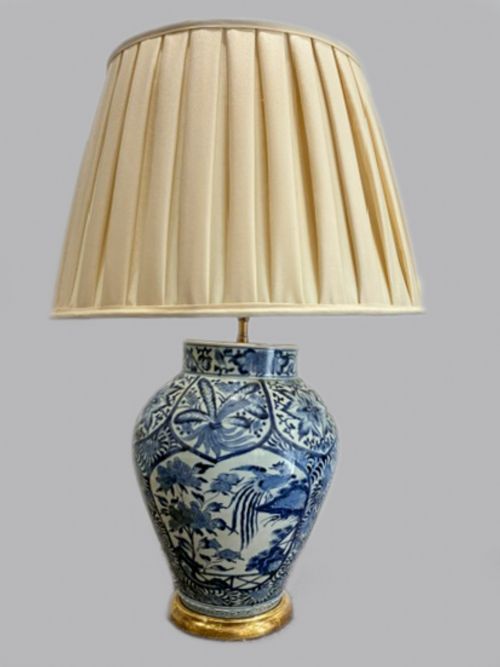
Other items were constructed specifically as electric lamps or converted from vases and tea canisters later in their history.
How do I clean a painted lamp?
Dust surfaces gently with a soft, dry cloth to protect delicate hand-painted details and lacquer finishes. Avoid using harsh chemical solvents or abrasive cleaners that might strip the pigment.
Glass shades can sometimes be removed and washed in lukewarm soapy water if handled with care.
How do I date a lacquer lamp?
Dating relies on stylistic clues, the type of wood or core material, and the characteristics of the lacquer or paint. Edwardian and 1920s pieces often exhibit specific Chinoiserie motifs popular during those decades.
Construction methods within the base and the remnants of old wiring also offer clues to the approximate period of manufacture.