

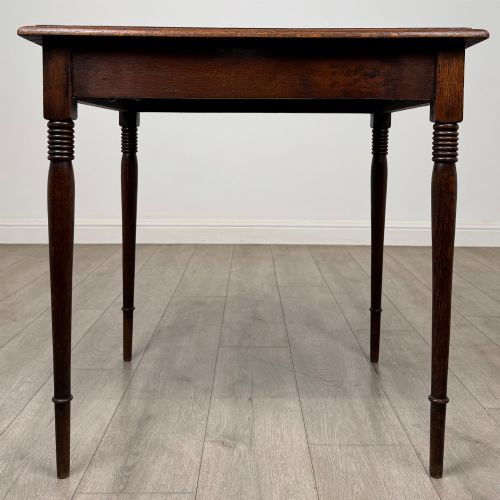
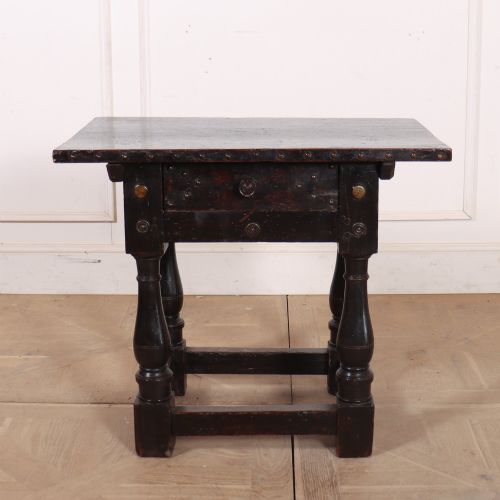
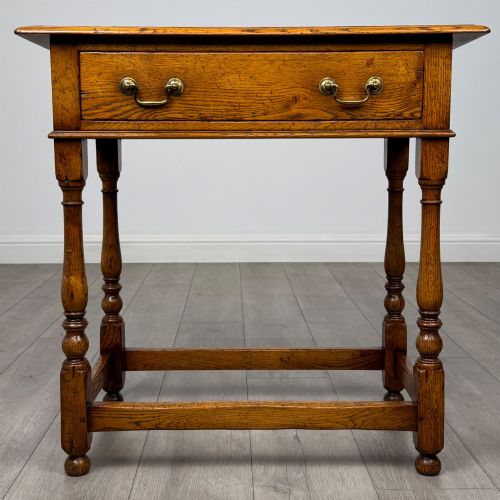
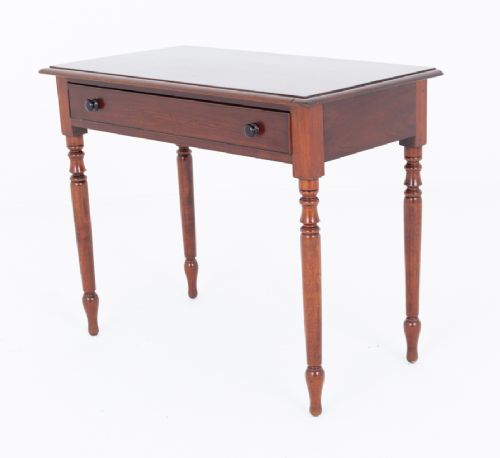
Turned Leg Nightstand
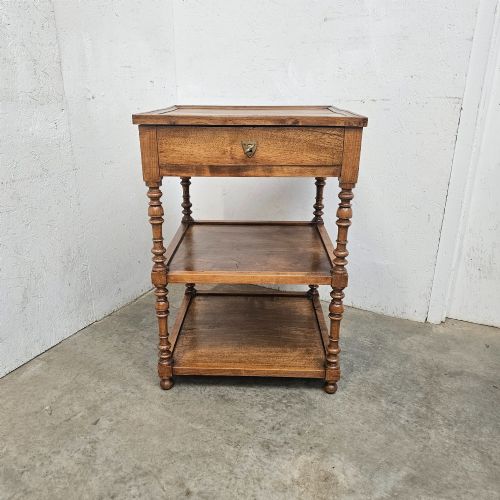
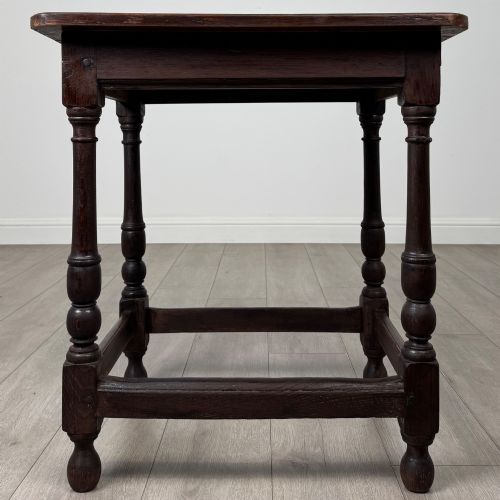
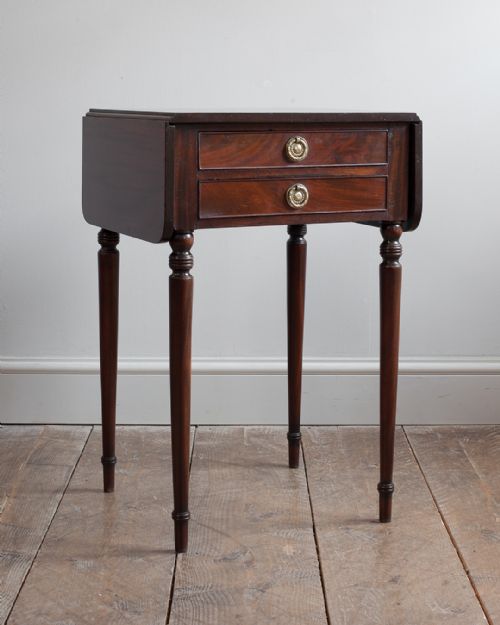
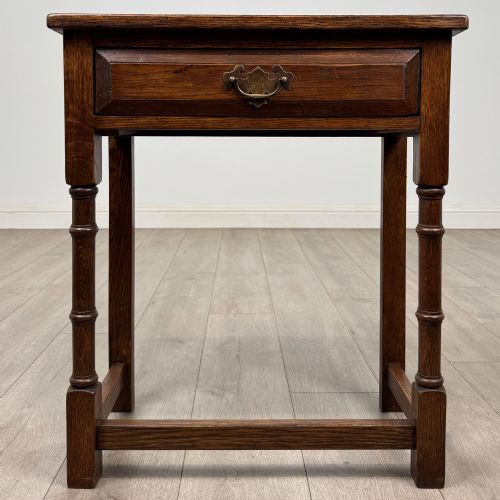
These turned leg nightstand pieces offer compact bedside storage and display surfaces derived from historic side tables and lamp tables.
Turned Leg Nightstand
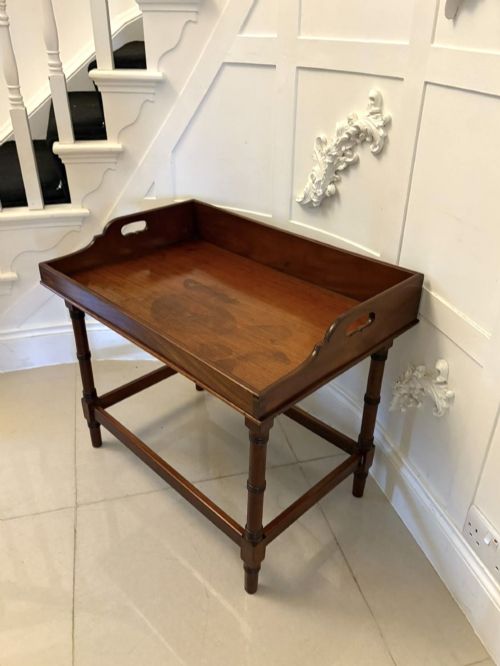
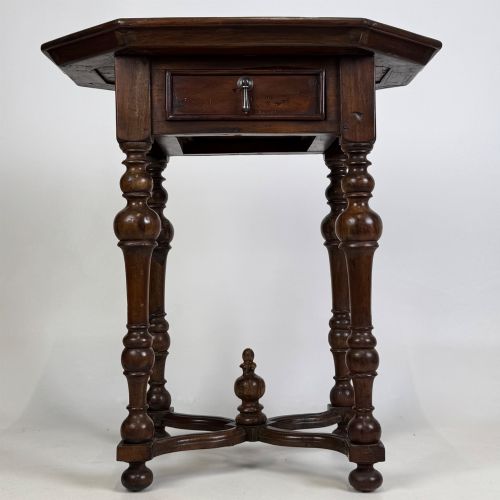
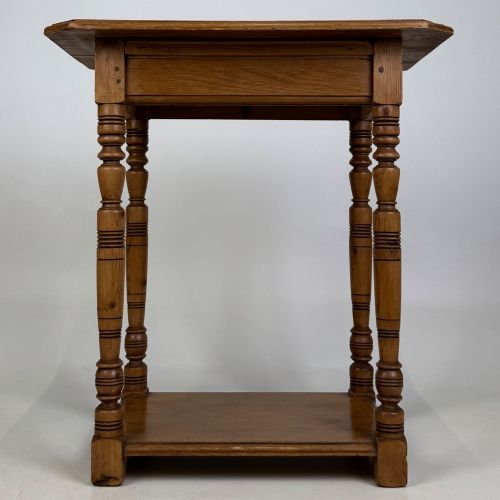
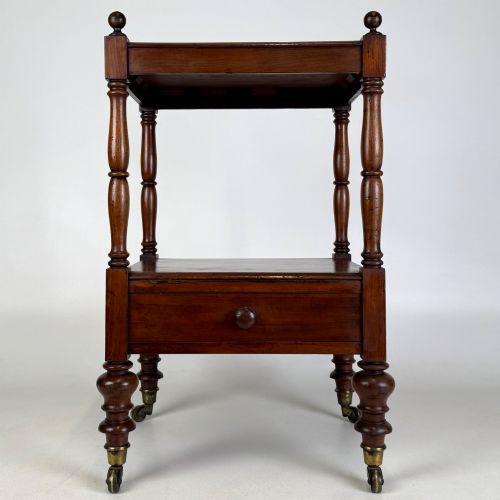
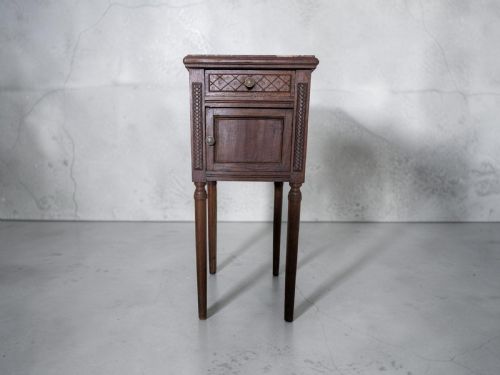
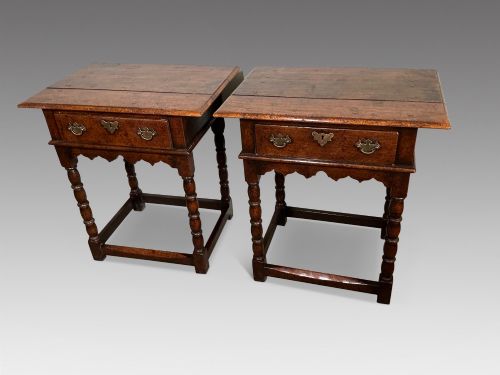
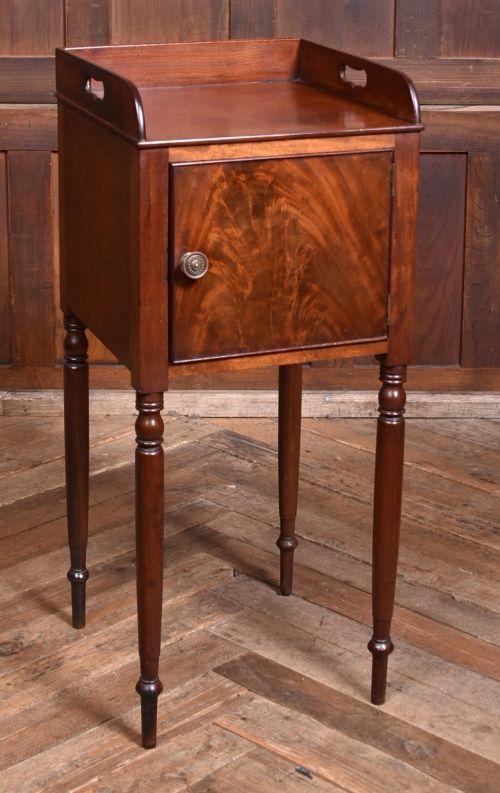
A turned leg nightstand typically appears in forms such as bedside tables, bedside cabinets, side tables, lamp tables, and pot cupboards. These pieces serve domestic spaces beside beds or seating areas, providing a practical surface and small-scale storage.
The selection draws on periods spanning the 18th century, Georgian, Regency, Victorian, and Edwardian eras, alongside later revival pieces. Buyers encounter various utilitarian and occasional formats adapted for bedroom use.
Originating from diverse British, French, and Italian traditions, these items utilise timber frames scaled for compact domestic interiors. The turned leg design element unites varied functional types under this descriptive heading.
Materials and construction methods
Cabinet makers utilised dense hardwoods including mahogany, oak, walnut, fruitwood, and satinwood, often pairing primary display timbers with secondary structural woods. Surfaces frequently feature polished finishes that highlight natural grain patterns.
Joinery methods incorporated turned leg components shaped on lathes, supporting tops such as tray tops, drop leaves, or rectangular boards. Drawers and cupboards utilised traditional joints and occasionally incorporated brass hardware or keys.
Turned Leg Nightstand Retail Price Guide 2026
Typical asking prices for turned leg nightstand among the pieces listed under this phrase on Sellingantiques today, from the lower quarter to the upper quarter. They describe what is for sale here now, not the wider market.
Listings feature mahogany, oak, and walnut across 19th-century, Regency, and Edwardian periods.
Factors determining quality
Quality separates examples through the precision of timber selection, the crispness of turned leg turnings, and the integrity of structural joinery. Finer specimens display harmonious proportions and careful attention to secondary details like drawer linings.
Origin and period influence the character of each piece, with earlier examples showing hand-tooled execution while later items reflect standardised workshop production. The preservation of original surface patination remains central to an item's standing.
Heals
The Turned Leg Nightstand Glossary
- Tray top
- A table top finished with a raised moulded rim designed to prevent items from rolling off. This feature often appears on lamp tables and small stands.
- Pot cupboard
- A small bedside cabinet originally constructed to enclose a chamber pot. These enclosed pieces frequently feature a single door and interior shelving.
- Pembroke table
- A drop-leaf table with hinged flaps on two opposing sides supported by folding brackets. It offers adjustable surface area for flexible placement.
- Etagere
- A set of open shelves arranged in tiers for display purposes. These pieces provide vertical storage space in compact rooms.
- Drop leaf
- A hinged table leaf that lowers when not in use. This mechanism allows the overall footprint of the furniture to contract.
Turned Leg Nightstand: Frequently Asked Questions
What is a turned leg nightstand?
A turned leg nightstand is a compact bedside or occasional table supported by legs shaped on a lathe. These pieces function as bedside storage or lamp stands.
They draw on historical forms like pot cupboards, side tables, and work tables dating from the 18th century through the Edwardian period.
How do I date a turned leg nightstand?
Dating relies on identifying timber types, construction joinery, and stylistic details associated with periods like Georgian, Regency, or Victorian eras. Mahogany and oak usage evolved significantly across these centuries.
Secondary woods and hardware fittings also provide physical clues to a piece's age and regional origin.
Where were these pieces used?
These tables and cabinets served primarily in domestic bedrooms as bedside storage for personal items and lamps. They also functioned as occasional tables in sitting rooms.
Their small scale allowed them to fit easily beside beds, chairs, and in narrow hallways.
Which woods are most common?
Mahogany and oak appear most frequently across the listed selection, often finished with polished surfaces. Walnut, fruitwood, and satinwood also feature in specific regional pieces.
Secondary materials such as brass fittings and marble tops sometimes complement the primary timber frames.