
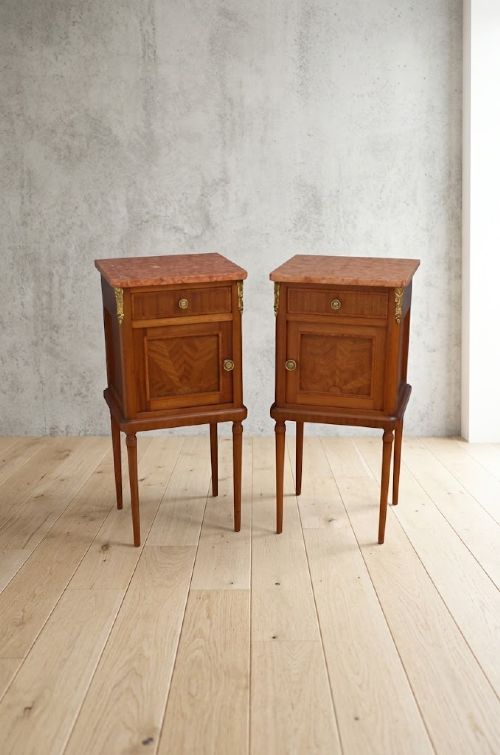
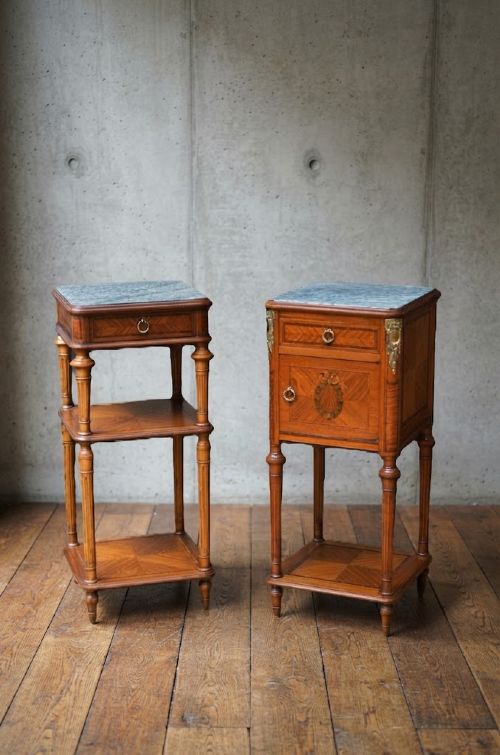
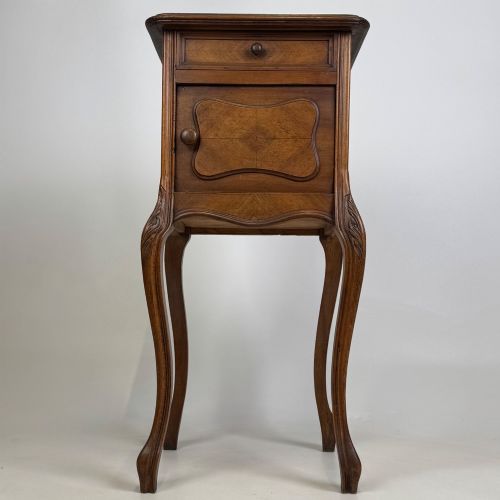
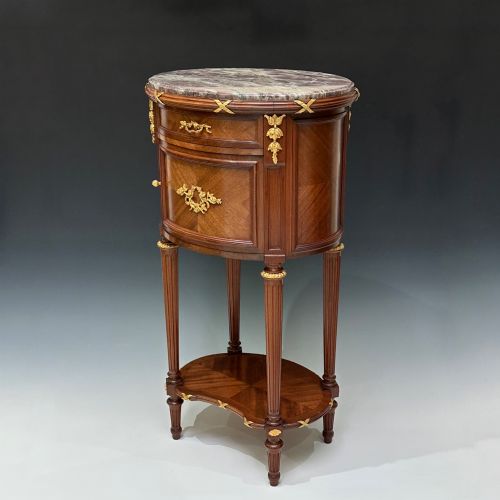
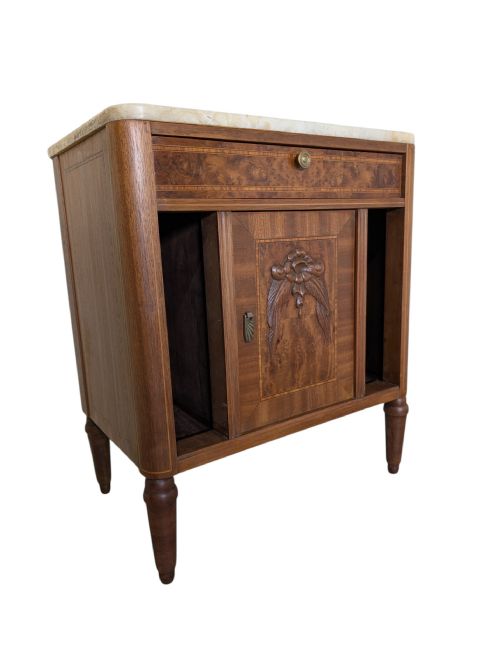
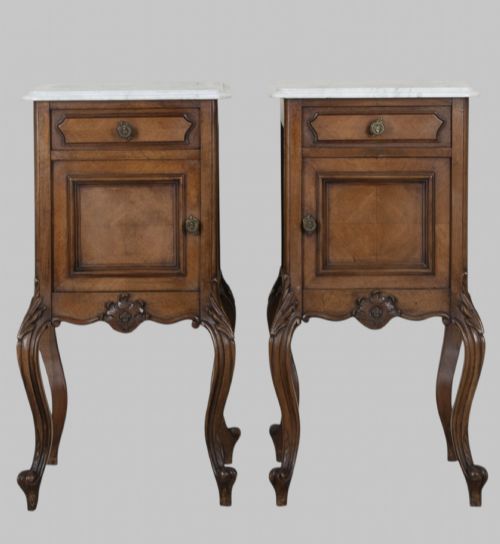
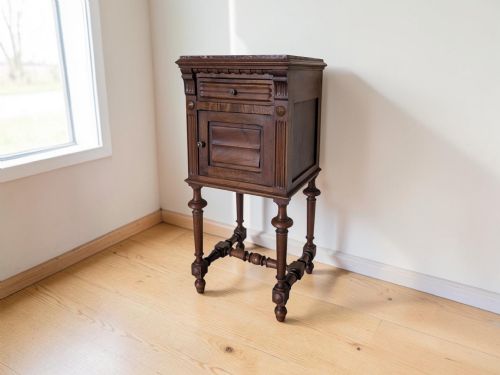
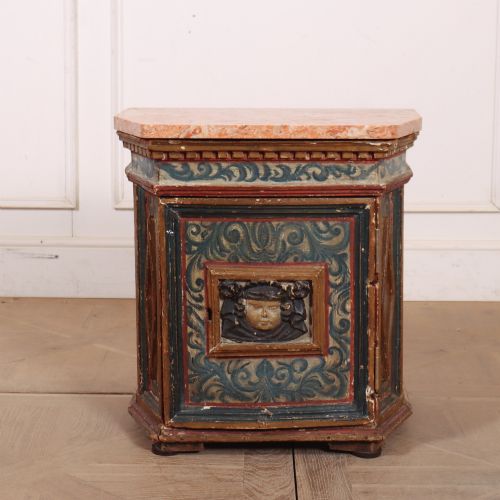
Antique Marble Nightstand
These antique marble nightstand options offer a sturdy stone surface and period charm, making them a practical bedside companion.
What They Are
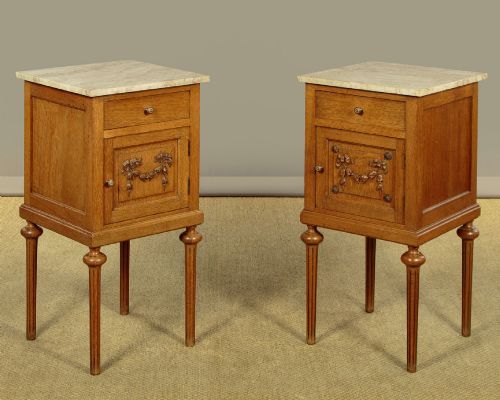
An antique marble nightstand combines a cool stone slab with timber construction to provide a stable surface beside the bed. Buyers search this phrase to find functional bedside tables and cabinets that double as decorative focal points in a bedroom.
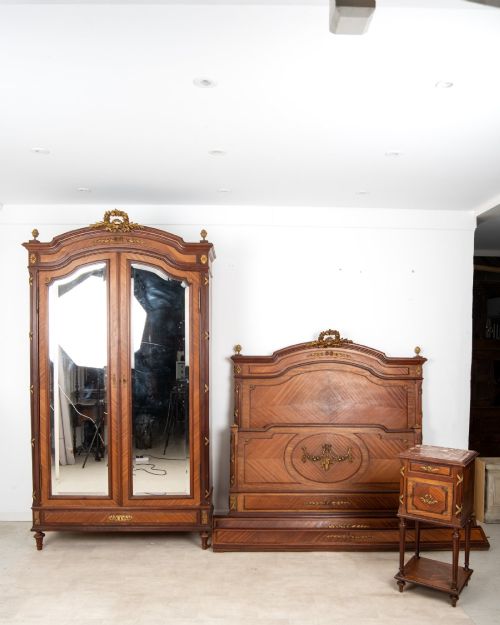
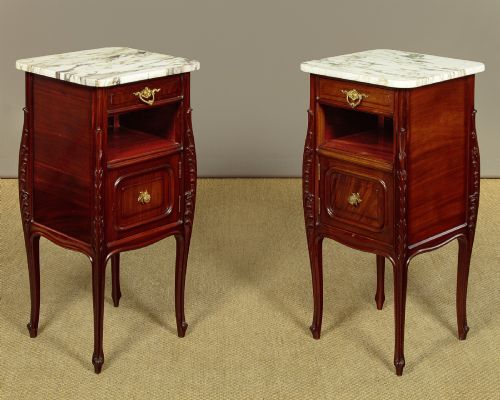
The pieces appearing in this category span from the eighteenth century through to the Edwardian era and nineteen-ten. French provincial, French country, and Art Nouveau styles sit alongside straightforward nineteenth-century forms.
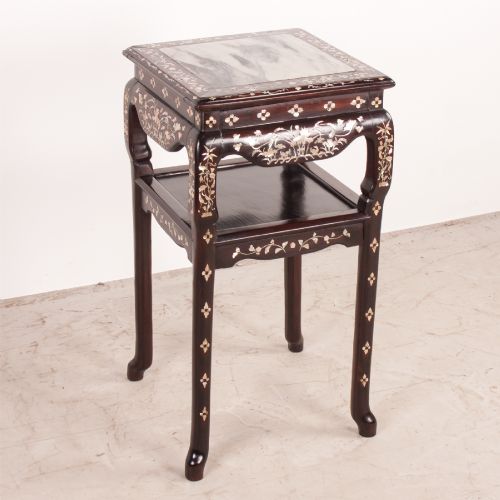
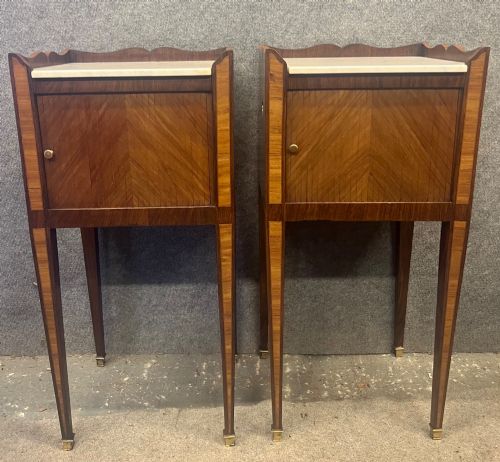
Most examples function as bedside cabinets or enclosed pot cupboards with a fitted marble top. Side tables also appear, offering open space rather than enclosed storage beneath the stone.
How They Were Made
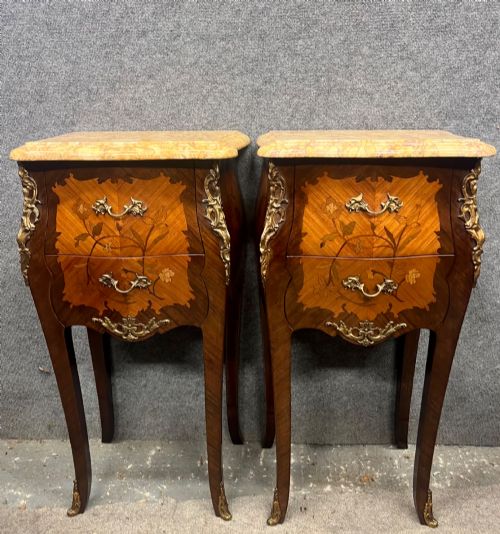
Cabinet makers utilised a variety of timbers including mahogany, walnut, fruitwood, burr wood, cherry, maple, kingwood, and pine. Veneers such as burr and fruitwood were applied to carcass structures to create decorative grain patterns.
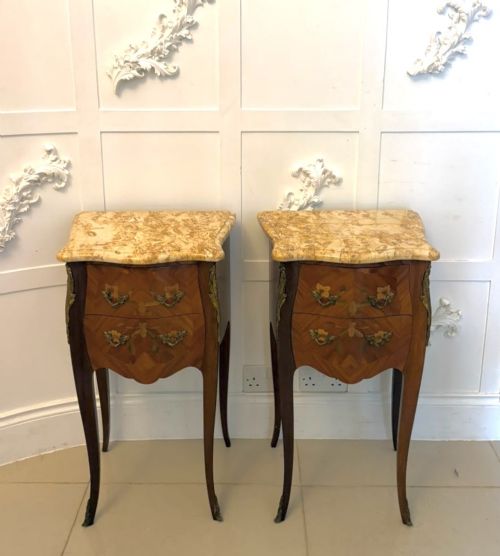
Marble slabs were cut and polished to fit precisely onto the wooden tops, providing a durable and hygienic surface resistant to water and cosmetics. Brass mounts and handles frequently furnished the doors and drawers of French and Edwardian models.
Retail Price Guide 2026
Typical UK retail prices for marble nightstand, calculated from the Sellingantiques database of over a million retail prices indexed since 2003. This retail price guide relies exclusively on Sellingantiques data; no external sources or auction records are used, so the figures do not describe the wider market.
The styles represented range from French Louis XVI and Art Nouveau to Edwardian, French provincial, and French country.
What Varies in Quality
The calibre of timber selection and veneer work separates standard pieces from finer examples. Marquetry inlay and carefully matched burr wood veneers demand greater skill from the cabinet maker than plain mahogany or pine.
The thickness, colour, and veining of the marble top also dictate quality. Heavy, finely polished stone slabs integrated cleanly into the wooden framing represent superior manufacturing.
The Antique Marble Nightstand Glossary
- Pot cupboard
- A small bedside cabinet originally designed to house a chamber pot behind a single door. These pieces usually feature an enclosed cupboard space beneath the marble top.
- Tambour
- A sliding door constructed from narrow vertical strips of timber glued to a canvas backing. This mechanism allows the door to curve smoothly around the corner of a cabinet.
- Marquetry
- The art of applying pieces of veneer to a structure to form decorative patterns and pictures. Craftsmen use various coloured woods to achieve tonal contrast.
- Kingwood
- A dense, heavy timber with rich dark brown and golden violet markings. It was heavily utilised in fine French cabinet making.
- Burr wood
- Wood taken from a tree growth where the grain has grown in a deformed manner, producing intricate swirling patterns. It is sliced into thin veneers for decorative surfaces.
Frequently Asked Questions
What is an antique marble nightstand?
These are small bedside cabinets, tables, or pot cupboards fitted with a stone top, produced mainly during the nineteenth and early twentieth centuries.
They combine wooden storage with a wipe-clean marble surface designed to hold washing basins, lamps, or nighttime water jugs.
How were they used historically?
In period bedrooms, these cabinets stood beside the bed to conceal chamber pots and hold nighttime essentials.
The stone top provided a cool, water-resistant space for pouring water from a jug into a basin before plumbing was common.
How do I identify French styles?
French provincial and country pieces often display softer lines, fruitwood veneers, and subtle carving compared to rigid British cabinet work.
Look for tambour doors, marquetry inlay, and shaped brass handles that typify continental workshops from the nineteenth century.
Are the marble tops original?
In most period examples, the marble slab is cut specifically to fit the wooden carcass and rests within a rebated edge.
Examining the underside and edges of the stone helps determine if it matches the age and wear of the timber base below.
How do I care for marble?
Marble is a porous stone that reacts to acidic liquids, so spills should be wiped away promptly with a damp cloth.
A neutral soap and soft cloth keep the polished surface clean without scratching the delicate stone.