
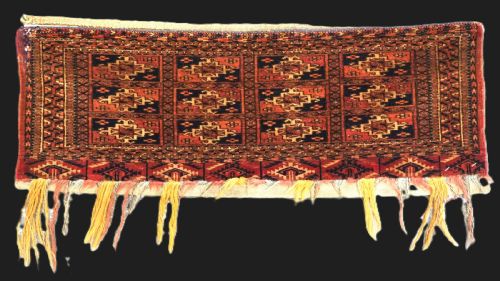


Turkmen Gul Textile
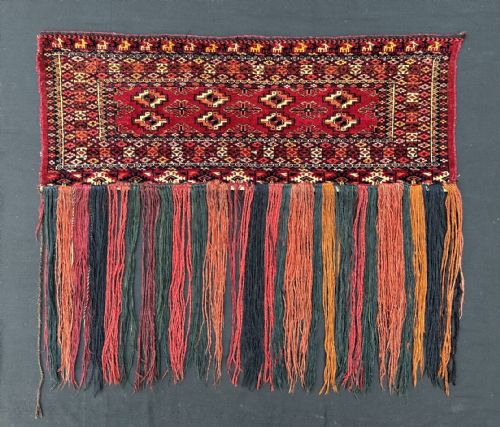
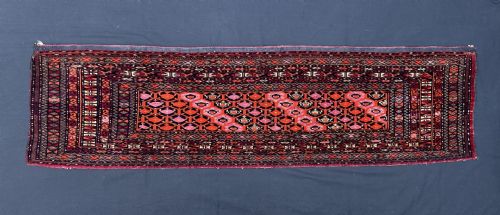
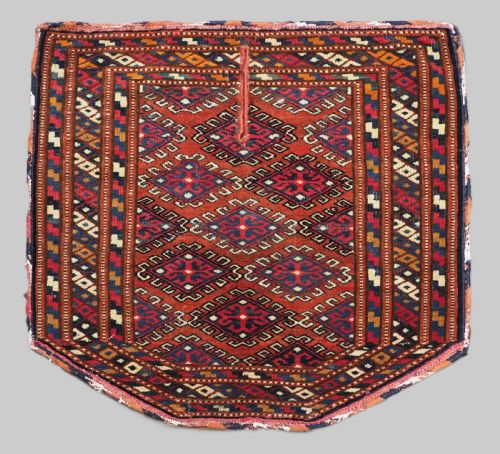
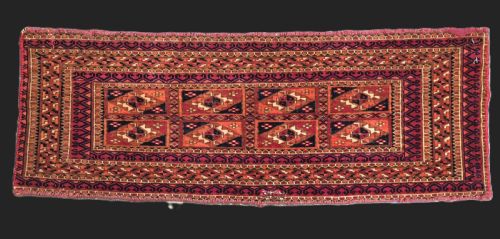
When you explore turkmen gul textile examples, you enter the tribal weaving traditions of Central Asia through distinct medallion designs.
Turkmen Gul Textile
A turkmen gul textile encompasses tribal rugs, torba faces, chuvals, and saddle covers produced across the steppes and oases of Central Asia. These pieces originate from specific tribal groups including the Tekke, Yomut, Ersari, Saryk, and Chodor tribes.
Buyers encounter numerous bag faces and storage sacks designed for nomadic domestic use, alongside larger rug formats. Dating spans from the mid nineteenth century into the early twentieth century, showing traditional geometric patterns rooted in tribal heritage.
The characteristic gul, or primary medallion motif, organises the composition of each piece. Surviving examples include complete pieces with plain weave backs and hanging loops alongside individual bag fronts.
How They Were Made
Weavers utilised hand-spun wool for the pile and structure, combining it with cotton details in specific areas. Natural dyes provided the deep red, brown, and contrasting secondary hues characteristic of these tribal items.
Construction methods involved durable knotting techniques executed on portable vertical looms set up by nomadic and settled tribal communities. Many surviving bag faces and storage items retain their original plain weave wool backs.
Nomadic weavers packed their worldly belongings into these very bags, carrying domestic order across the windswept Central Asian steppes.
What Varies in Quality
Quality depends upon the precision of the drawing and the density of the weave structure. Pieces with very fine weave display intricate proportions within the repeating gul motifs.
The vibrancy and saturation of the natural dyes influence the visual depth of the textile. Masterful execution of secondary ornaments and border designs separates standard domestic weaving from exceptional tribal work.
The Turkmen Gul Textile Glossary
- Gul
- A primary medallion motif used in Central Asian carpet design. Each tribal group utilised distinct repeating gul shapes to signal identity and heritage.
- Chuval
- A large tent storage bag used by nomadic families. They frequently feature rows of major guls across the face.
- Kap
- A general term for a bag or container used in nomadic households. These items served practical storage functions in daily tribal life.
- Mafrash
- A rectangular storage sack or bedding bag produced in pairs. They feature structured flatweave or pile faces.
Turkmen Gul Textile: Frequently Asked Questions
What is a gul on these textiles?
A gul is the principal repeating medallion motif found across Central Asian tribal weaving. These octagonal or geometric emblems identify the specific tribe that produced the piece.
Weavers arranged these motifs in structured rows across torbas, chuvals, and rugs to create balanced compositions.
How were these bags used originally?
Nomadic families utilised these woven pieces for storing household goods, clothing, and bedding inside traditional dwellings. Smaller torbas and larger chuvals hung against tent walls or travelled packed upon animals.
Many surviving examples retain original hanging loops or plain weave backs intended for daily utility.
How do I identify different tribal groups?
Tribal attribution relies on the specific structural characteristics of the gul, secondary ornaments, and overall palette. Tekke, Yomut, Ersari, and Saryk weavers each employed distinct variations of medallions and border patterns.
Examining the drawing style and wool preparation helps distinguish between these regional traditions.
How do I care for an antique wool textile?
Display these textiles away from direct sunlight to protect natural dye colours from fading over time. Gentle vacuuming without a rotating brush helps remove dust from the wool pile.
Allowing the piece to breathe and avoiding damp environments preserves the integrity of the antique foundation.