



Hand Knotted Tribal Bag
When you search for hand knotted tribal bag, you open a doorway to nomadic woven utilitarian art from Central Asia and Persia.
Hand Knotted Tribal Bag
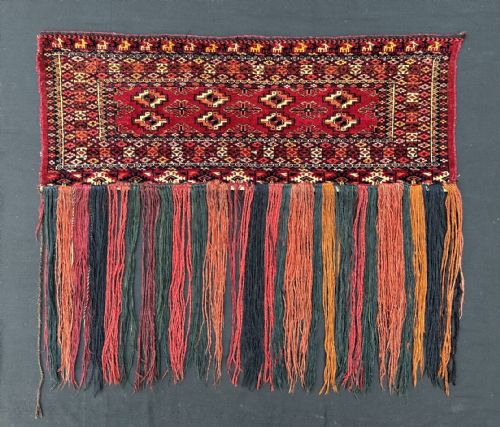
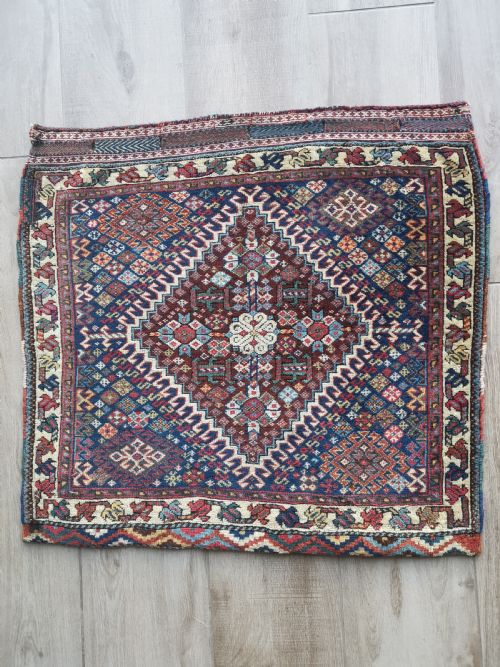
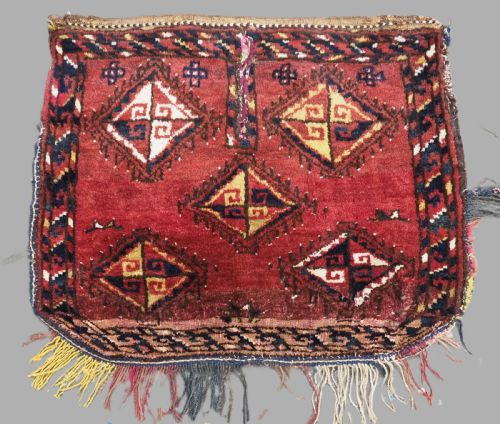
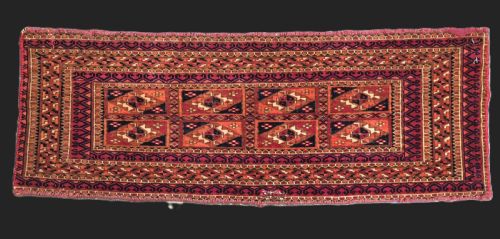
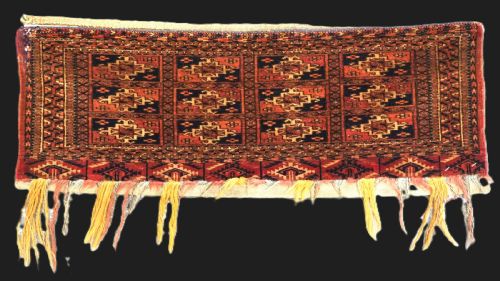
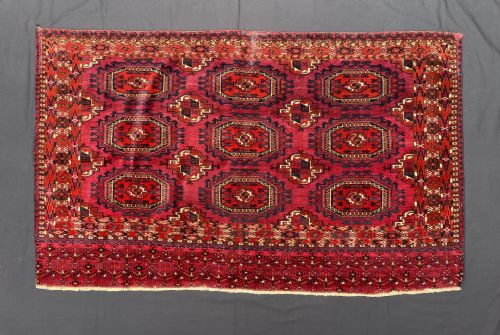
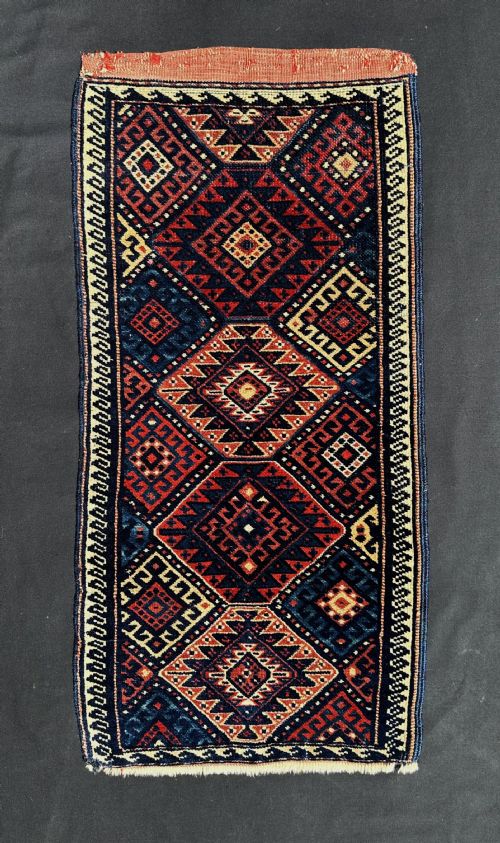
A hand knotted tribal bag represents the domestic and nomadic craftsmanship of various tribes across Central Asia and Persia. When exploring a hand knotted tribal bag, one encounters utilitarian objects originally fashioned for storage, transport, or saddle use by groups such as the Turkmen, Qashqai, and Baluch. These pieces span the nineteenth and early twentieth centuries, reflecting distinct regional weaving traditions and tribal motifs.
The primary forms on this page include torbas, chuvals, kap faces, and saddlebag fragments. Torbas and chuvals function as wall-hanging storage sacks or tent bags, whilst smaller pieces derive from saddle bags and pillow faces. Each format displays specific geometric layouts, such as gul medallions or curled leaf patterns, native to the weaving groups who made them.
Evaluating Quality and Detail
Quality in these textiles depends heavily on knot density and the precision of the weave. Pieces with very fine weave display complex secondary patterns and crisp medallion outlines with greater clarity.
The vibrancy and depth of the natural dyes also dictate the tier of the piece. Superior examples exhibit harmonious colour saturation and well-preserved structural elements, such as surviving plain weave backs or complete borders.
The listings span from the mid-nineteenth century through to the early twentieth century, featuring wool, cotton, and natural dyes.
The Hand Knotted Tribal Bag Glossary
- Torba
- A small tent-storage bag produced by Turkmen tribes. These rectangular sacks hung against the lattice walls of a yurt.
- Chuval
- A large tent bag utilised by nomadic women for household storage. They frequently feature repeating major guls across the face.
- Gul
- A medallion motif repeated across Turkmen and Central Asian carpets and bags. Each design typically identifies a specific tribal group.
- Kalta
- A small storage bag or pouch format. These items served various personal and domestic functions within the nomadic camp.
- Balisht
- A pillow or cushion face woven for domestic comfort inside the tent. They measure smaller than main storage sacks and often display distinct field designs.
Hand Knotted Tribal Bag: Frequently Asked Questions
What is a tribal bag face?
A bag face is the decorative front panel of a nomadic storage sack that has been separated from its plain-weave back. These panels were preserved as flat textiles for display.
They capture the primary knotting and iconography of the original piece without the bulk of the full container.
How were torbas used?
Torbas served as utilitarian storage sacks inside traditional nomadic tents across Central Asia. Families stored bedding, clothing, or smaller possessions within them.
Hung against the interior lattice walls, they combined domestic utility with tribal identity.
How do I identify Turkmen bag types?
Turkmen bags divide into specific formats like torbas, chuvals, and kap dependant on their original dimensions and function. Chuvals represent the larger storage sacks, whilst torbas are comparatively wider and shorter.
The specific tribal attribution, such as Tekke or Yomut, often emerges through the geometry of the guls.
Are these bags made with natural dyes?
Nineteenth-century examples rely entirely on natural dye sources like madder and indigo for their palette. These materials produce stable, rich tones that age with a characteristic patina.
Inspectors look for the subtle abrash shifts in colour that indicate traditional dyeing methods.