
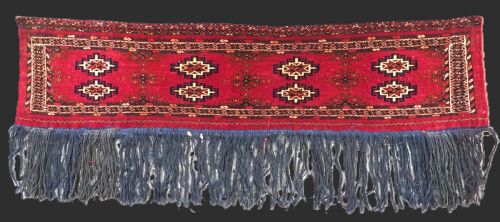


Antique Wool Tent Bag
When you search for an antique wool tent bag, you are looking at nomadic domestic textiles woven across Central Asia.
Antique Wool Tent Bag
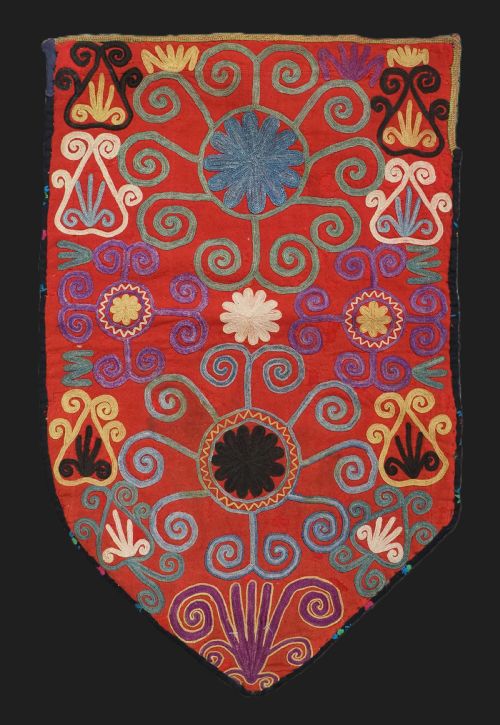
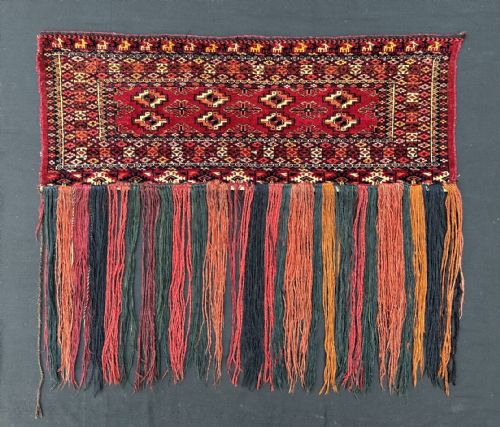
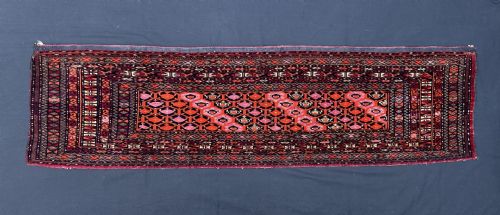
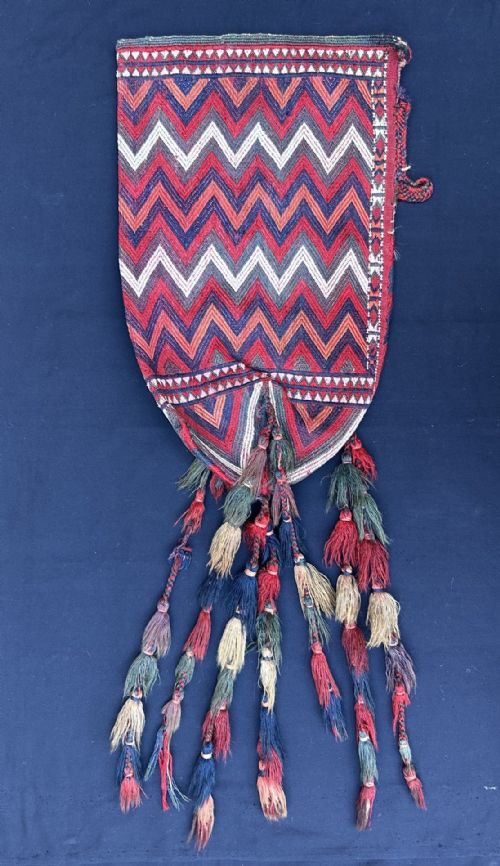
An antique wool tent bag represents the domestic weaving traditions of Central Asian tribal groups such as the Turkmen, Uzbek, and Yomut. These pieces served practical storage functions inside nomadic dwellings, holding belongings, bedding, or tent poles. On this page, a buyer encounters various formats including torbas, chuvals, and uk bash or okbash tent pole bags originating from the nineteenth and eighteenth centuries.
Tribal weavers produced these items using traditional techniques passed down through generations, often incorporating specific tribal motifs known as guls. Examples range from complete bags retaining their original backs and tassels to individual faces designed for wall hanging. The regional diversity spans from the Merv and Akhal oases to the Trans-Caspian steppes, reflecting distinct clan aesthetics.
The selection includes specific tribal attributions such as Tekke, Saryk, Ersari, Chodor, and Sariq, alongside Lakai Uzbek pieces. Structural variations include pile-woven surfaces and flat weaves, with formats varying from small dowry pieces to larger storage sacks. Each surviving artefact bears the distinct design vocabulary of its maker and region of origin.
How They Were Made
Makers utilised hand-spun wool as the primary structural and pile material, supplemented by natural dyes derived from local plants and minerals. Artisans occasionally introduced cotton and silk highlights to emphasise specific geometric motifs and provide textural contrast against the wool ground.
Weavers employed dense knotting techniques on wool foundations, frequently creating fine weaves that delineated intricate tribal guls and border patterns. Flat weave constructions also appear, alongside embroidery used by specific tribes like the Lakai Uzbeks for yurt bags.
The listings demonstrate centuries of Central Asian nomadic weaving, featuring natural dyes, hand-spun wool, and structural formats from torbas to chuvals.
What Varies in Quality
Knot density and structural fineness distinguish exceptional examples from standard domestic pieces, with tighter weaves allowing for sharper definition of tribal motifs. The precision of the drawing within guls and the complexity of the secondary borders indicate the skill of the weaver.
The vibrancy and condition of the natural dyes play a major role in the visual impact of a piece. Examples that retain complete backs, original tassels, or scarce design variations command greater interest among collectors of Central Asian textiles.
The Antique Wool Tent Bag Glossary
- Torba
- A small horizontal trapping used for household storage inside a nomadic tent. These bags typically hung against the lattice walls of the dwelling.
- Chuval
- A large storage bag utilised by nomadic tribes for bedding and heavy possessions. They frequently feature multiple primary guls arranged across the face.
- Gul
- A primary medallion or repeating motif used in Turkmen carpet and textile design. Each tribal group utilised distinct gul variants to signal lineage and identity.
- Okbash
- A specialised tent pole bag designed to cover the ends of the wooden struts that support a yurt roof. These triangular or hood-shaped pieces are less common than standard storage bags.
- Jollar
- A nomadic storage bag or trapping associated with specific Turkmen tribes. They share functional similarities with torbas within the domestic interior.
Antique Wool Tent Bag: Frequently Asked Questions
What was an antique wool tent bag used for?
These textiles served as practical storage containers inside nomadic tents across Central Asia. Families utilised them to organise clothing, bedding, and domestic utensils.
Specific formats like chuvals held bulky items, while smaller torbas stored personal belongings. Tent pole bags specifically protected the wooden components of the dwelling structure.
How do you hang a tent bag on the wall?
Displaying these pieces safely requires mounting methods that distribute the weight evenly across the upper edge. Conservation-grade velcro or custom fabric sleeves sewn to the reverse prevent stress on the antique wool foundation.
Avoid direct nails or clips that pierce the textile structure. Positioning the bag away from direct sunlight preserves the natural dyes.
How can you tell which tribe made a bag?
Attribution relies on identifying the specific tribal guls, border arrangements, and colour palettes characteristic of each group. Tekke, Yomut, Ersari, and Saryk weavers all maintained distinct design vocabularies.
Structural details such as side-cord finish and knotting conventions also provide evidence of regional origin. Comparative study of known pieces helps confirm tribal provenance.
What is the difference between a torba and a chuval?
Size and proportion separate these two primary bag formats within nomadic households. Torbas are wider and shorter horizontal trappings designed for general storage.
Chuvals are significantly larger sacks intended for heavy storage duties. Both formats display characteristic tribal motifs on their visible faces.