
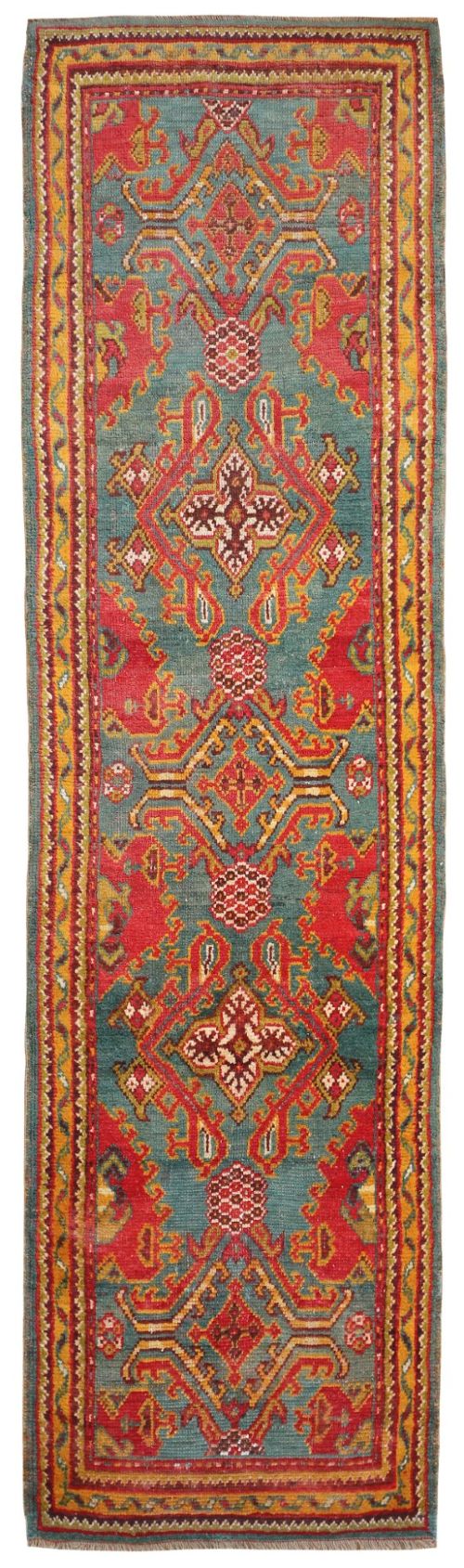



Turkish Ushak Carpet
A turkish ushak carpet brings warmth and deep, muted character to a room through traditional Ottoman design and generous proportions.
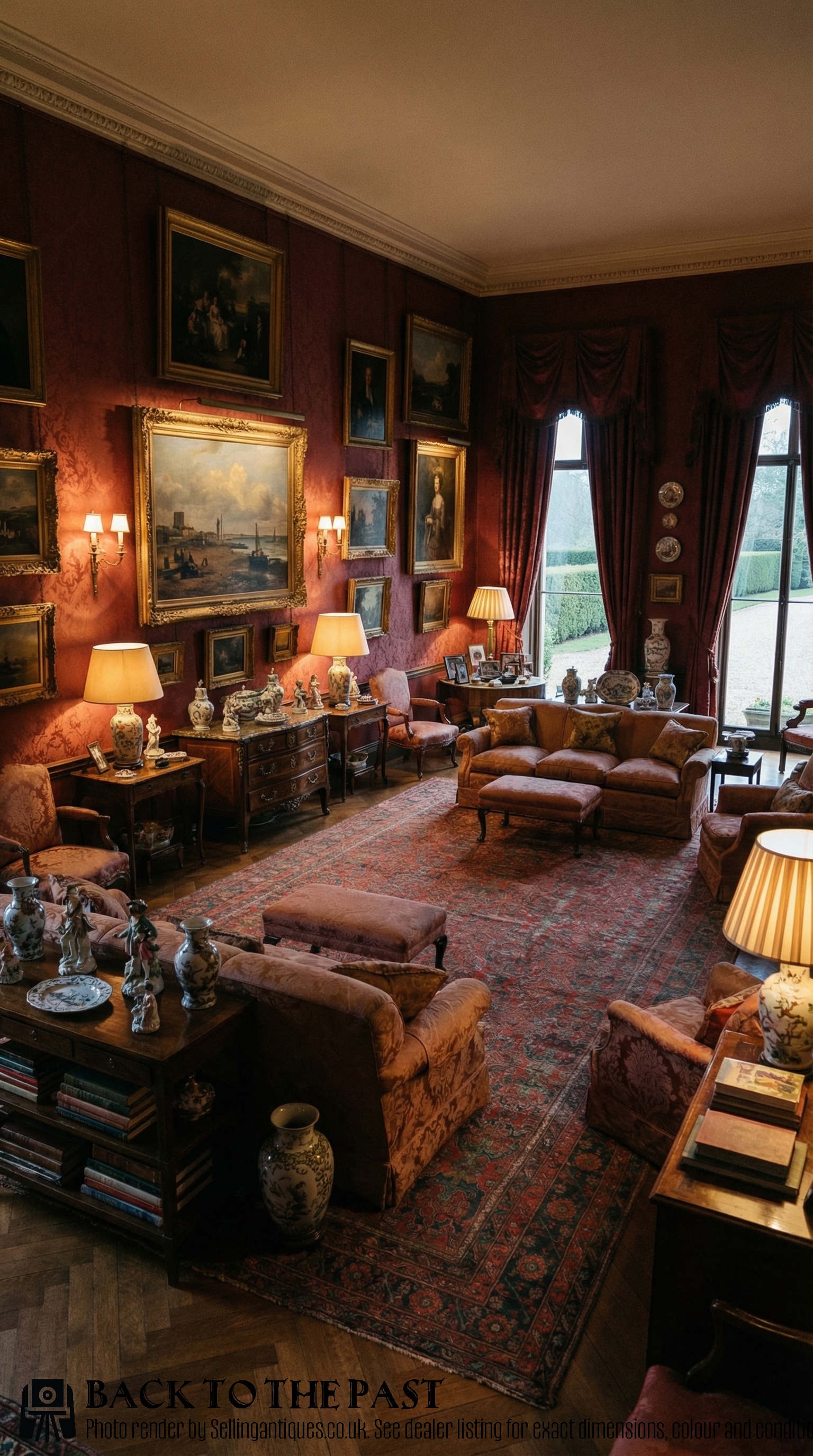
Turkish Ushak Carpet
A turkish ushak carpet is a woven floor covering originating from the Anatolian region, carrying styles rooted in Ottoman tradition. The examples met here span the nineteenth and early twentieth centuries, including room-size carpets, runners, and kilims.
Buyers encounter formats ranging from square dimensions to long runners and oversized floor pieces. The designs often display large medallions, ivory grounds, or patterned fields created within the Ottoman and Anatolian aesthetic traditions.
Alongside standard floor rugs, related items such as club armchairs upholstered in patterned textiles also appear. The focus remains on furnishings that anchor a space with historical depth and traditional weaving techniques.
Materials and construction
These floor coverings rely primarily on wool and cotton foundations, with specific pieces utilising angora wool for added texture. Wood and brass components appear incidentally in related furniture items associated with these textiles.
The physical construction involves traditional hand-knotting methods executed across Anatolia. Weavers shaped the dense pile and flatweave kilim structures using locally sourced natural materials characteristic of the period.
Turkish Ushak Carpet Retail Price Guide 2026
Typical asking prices for turkish ushak carpet among the pieces listed under this phrase on Sellingantiques today, from the lower quarter to the upper quarter. They describe what is for sale here now, not the wider market.
One London retailer found these carpets so distinguished they even upholstered club armchairs in the same cloth.
Distinctions in quality
Quality rests upon the fineness of the knotting and the condition of the pile across the field. Pieces retaining a soft, even texture without excessive wear hold greater integrity.
The harmony and preservation of the dyed wool dictate visual success. Subtle shifts in tone and intact borders separate standard examples from finer works.
Howard And Sons·Maple And Co
The Turkish Ushak Carpet Glossary
- Ushak
- A town in western Anatolia renowned for producing distinctive hand-knotted floor coverings. These rugs typically feature large-scale motifs and restrained palettes.
- Kilim
- A flatweave textile produced without a pile. These pieces offer a lighter alternative to denser carpets while sharing traditional regional patterns.
- Medallion
- A central ornamental motif set within the field of the carpet. This design element draws the eye and anchors the overall composition.
- Runner
- A long, narrow format designed for hallways or stairs. These pieces maintain the same decorative weaving traditions as larger room-size carpets.
- Angora wool
- A soft fibre derived from angora goats, utilised in specific weaves for its tactile quality. It provides a distinct handle compared to standard sheep wool.
Turkish Ushak Carpet: Frequently Asked Questions
How do I place a large runner?
Runners suit long hallways, narrow corridors, or spaces beside large furniture pieces. Their proportions help guide movement through a room while adding texture to wooden floors.
Ensure the dimensions leave a visible margin of flooring around the edges. This frames the textile properly within the corridor.
Can these carpets handle daily foot traffic?
These nineteenth and early twentieth-century textiles were built for functional domestic use. The dense wool construction provides durability for everyday placement in living areas.
Use an appropriate underlay to prevent slipping and reduce friction against the floorboards. Regular gentle sweeping maintains the pile without stressing the foundation.
What defines an Oushak style?
Oushak designs typically feature relaxed floral motifs and large geometric medallions. The compositions feel less rigid than other regional styles, favouring open spaces and gentle proportions.
The aesthetic relies on understated palettes rather than bright, saturated tones. This makes them adaptable to both traditional and contemporary interiors.
How do I date an antique carpet?
Dating relies on examining the materials, dye characteristics, and structural wear patterns. Comparisons with documented examples from the same period help narrow down the decade of production.
Variations in the wool and the specific weave density provide further clues to its origin. Consulting the recorded era of the piece clarifies its historical context.