


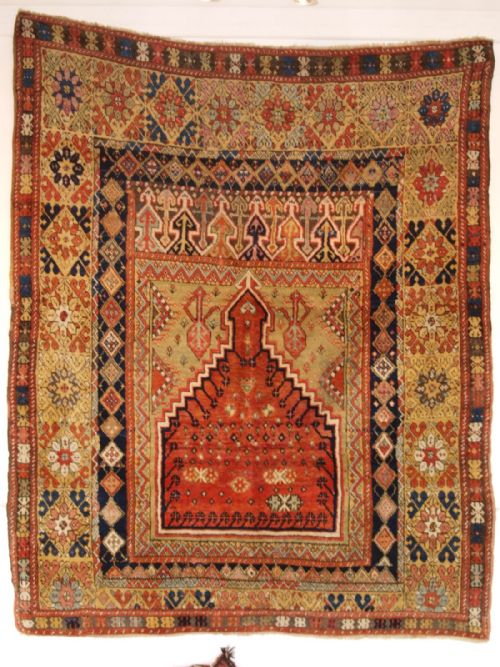
Nineteenth Century Turkish Rug
A nineteenth century turkish rug brings warmth and rich cultural history into a room through centuries-old weaving traditions.
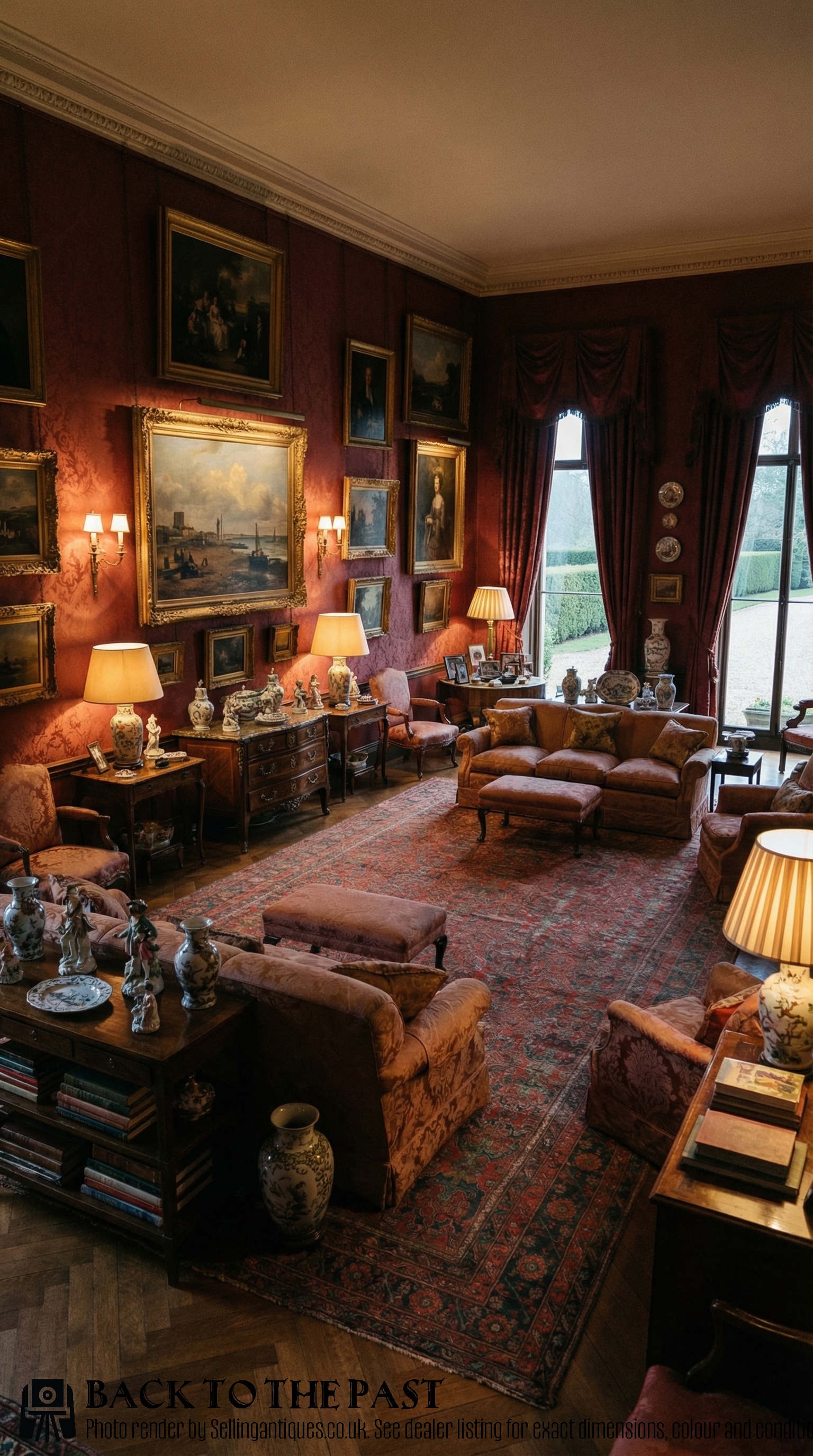
Nineteenth Century Turkish Rug
A nineteenth century turkish rug embodies the rich textile heritage of Anatolia, encompassing various regional styles from village and tribal workshops. Buyers searching for a nineteenth century turkish rug often encounter distinct regional forms such as prayer rugs and large decorative carpets.
The inventory on this page spans several decades of the nineteenth century and the Victorian era, showcasing traditional village and town weaving. Pieces originate from specific centres like Ushak, Konya, Ghiordes, Kirsehir, Mut, Sivas, Antep, and Mujur.
Village prayer rugs and larger carpets dominate the selection, displaying characteristic geometric and floral motifs passed down through generations. These textiles reflect the diverse cultural influences of Ottoman and Anatolian artistry.
Materials and construction
Weavers constructed these carpets and rugs primarily using wool and cotton foundations, occasionally incorporating fine angora wool for softer pile textures. Natural dyes provided the deep and enduring palette seen across the pieces.
Traditional hand-knotting techniques governed the creation of each textile, ensuring structural integrity alongside intricate pattern work. Artisans utilised local materials specific to their regions in Anatolia to produce durable floor coverings.
Nineteenth Century Turkish Rug Retail Price Guide 2026
Typical asking prices for nineteenth century turkish rug among the pieces listed under this phrase on Sellingantiques today, from the lower quarter to the upper quarter. They describe what is for sale here now, not the wider market.
Some prayer rugs feature inscribed Ottoman script, whispering the hidden messages left behind by weavers working in nineteenth-century Anatolian villages.
Assessing quality
Quality in these textiles rests upon the precision of the knotting, the complexity of the design, and the vibrancy of the natural dyes. Finer examples display meticulous attention to detail in their borders and central medallions.
The condition of the pile and the preservation of original selvedges significantly influence the standing of an individual rug. Superior pieces maintain their structural strength while showing harmonious colour ageing over time.
The Nineteenth Century Turkish Rug Glossary
- Prayer rug
- A small rug featuring a mihrab or niche design, traditionally used for personal prayer by pointing toward Mecca. These pieces often highlight specific regional weaving characteristics.
- Natural dye
- Colouring derived from plant, insect, or mineral sources rather than synthetic chemicals. These dyes yield rich, complex tones that age gracefully.
- Kilim
- A flat-woven carpet or rug produced without a pile, created by tightly interweaving warp and weft strands. This technique results in a lighter, reversible textile.
- Anatolian
- Pertaining to the region of Asia Minor that forms the majority of modern-day Turkey. This term describes the geographic and cultural origin of many traditional carpets.
- Mihrab
- The arched niche design found on prayer rugs, symbolising a doorway or prayer direction. It serves as the focal point of the rug's composition.
Nineteenth Century Turkish Rug: Frequently Asked Questions
How do I clean an old rug?
Professional dusting and gentle washing by a specialist in antique textiles are essential for preserving the wool fibres and natural dyes. Avoid harsh chemical treatments and standard domestic cleaning methods.
Regular light vacuuming without a beater bar helps remove surface grit that can wear down the pile over time. Lifting and shaking the rug gently should only be done if the structural foundation remains robust.
Where were these rugs made?
Weavers produced these textiles across various regions of Anatolia, including towns and villages such as Ushak, Konya, Ghiordes, and Sivas. Each location developed distinct stylistic traits and colour palettes.
Local materials and regional traditions shaped the appearance of rugs from specific areas like Kirsehir or Mujur. These geographic origins define the character of the weaving traditions.
Can I place these on floors?
These rugs served as functional floor coverings historically and continue to withstand normal domestic foot traffic when treated with care. Using a quality underlay prevents slipping and cushions the foundation against hard surfaces.
Placing them in moderate-traffic areas helps balance daily enjoyment with long-term preservation of the wool pile. Direct, intense sunlight should be avoided to prevent uneven fading of the natural dyes.
What is an Ushak carpet?
Ushak carpets originate from the town of Ushak in western Anatolia, renowned for producing large-scale decorative carpets with distinctive floral or geometric patterns. They often feature softer colour harmonies that suit varied interior spaces.
These carpets gained prominence in international markets during the nineteenth century due to their grand scale and artistic design. Their expansive fields and refined borders distinguish them from smaller village rugs.