



Woven Wool Area Carpet
A woven wool area carpet brings warmth and grounded texture to a room, offering rich regional designs from Persian, Caucasian, and Anatolian traditions.
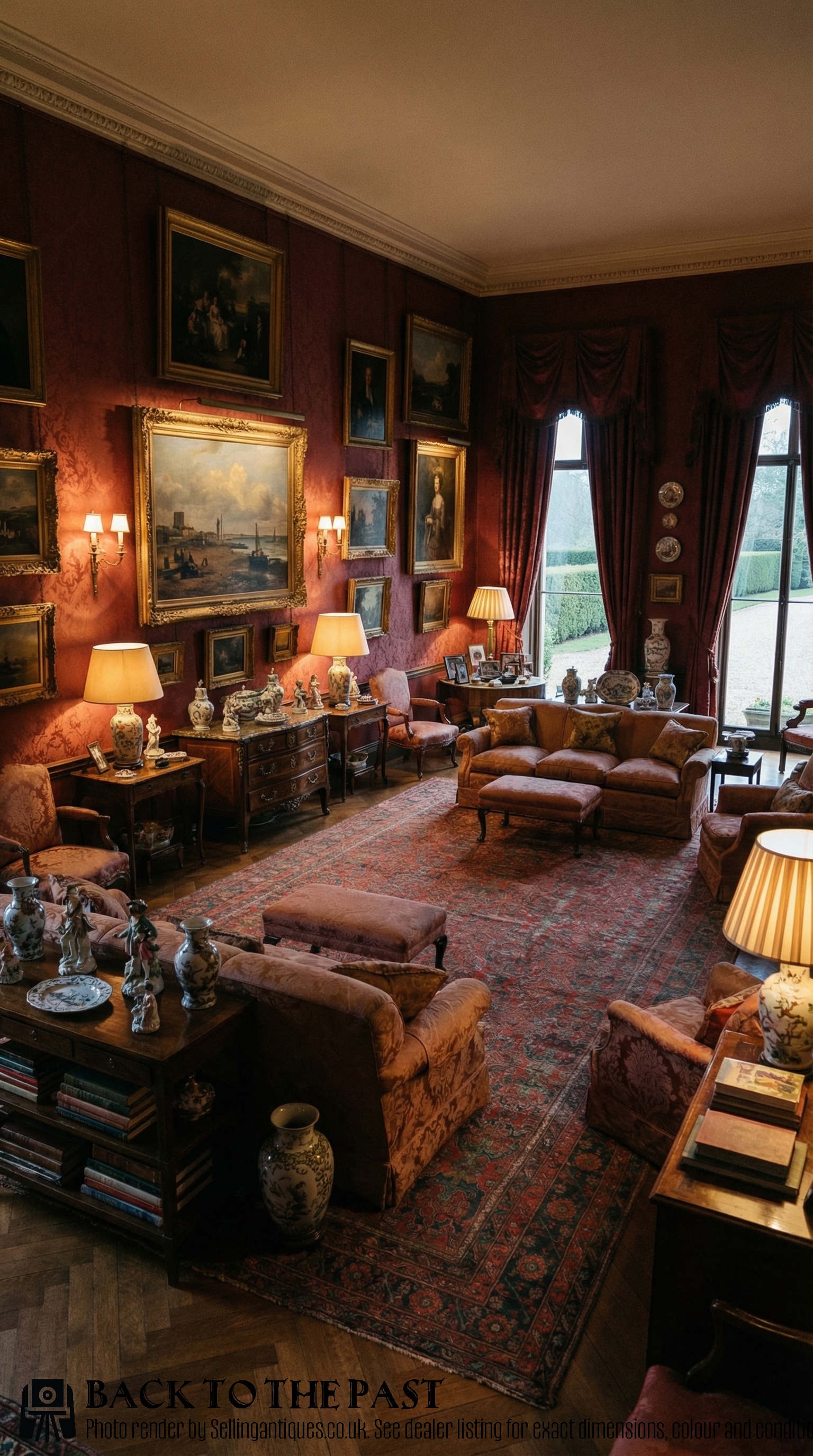
Woven Wool Area Carpet
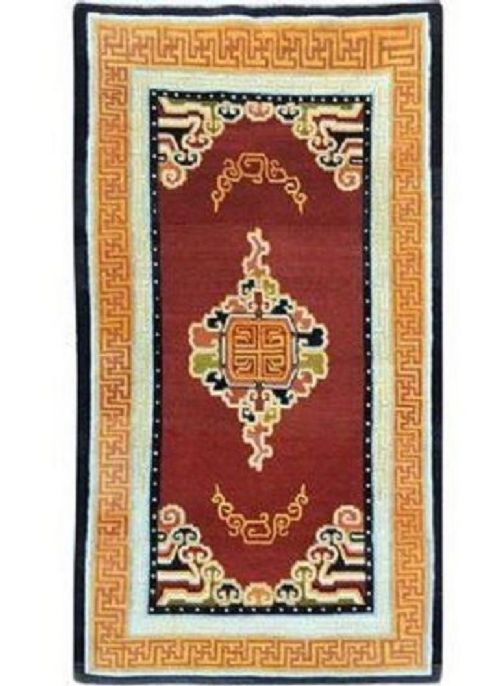
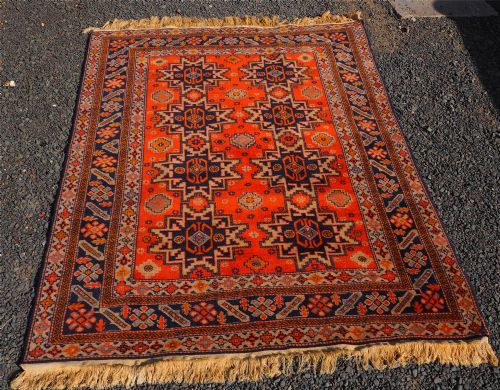
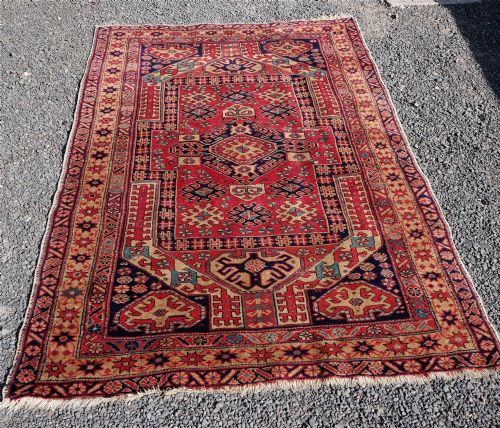
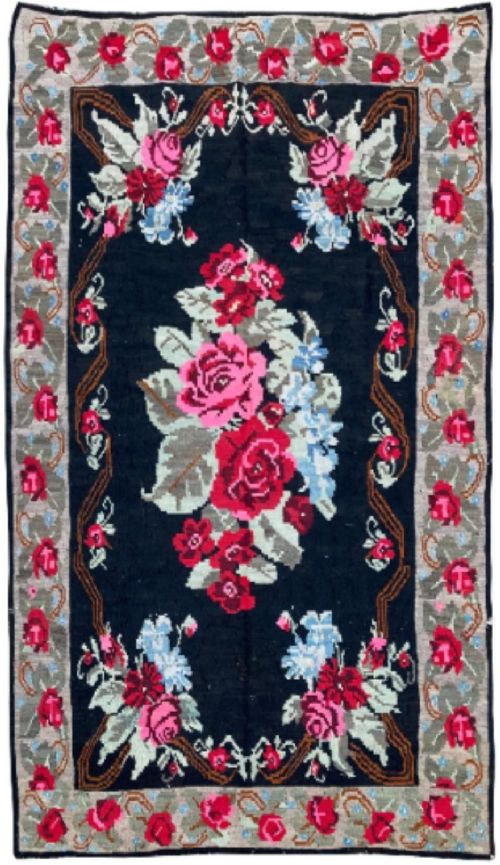
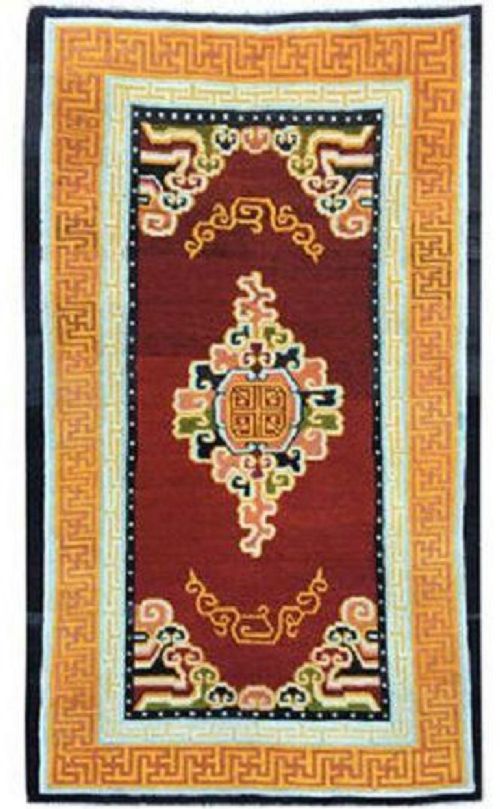
A woven wool area carpet encompasses hand-knotted and flatwoven floor coverings originating from distinct weaving traditions across Persia, the Caucasus, Anatolia, Tibet, and Turkmenistan. Buyers seeking this phrase encounter formats ranging from smaller hearth-sized pieces to large room-sized carpets.
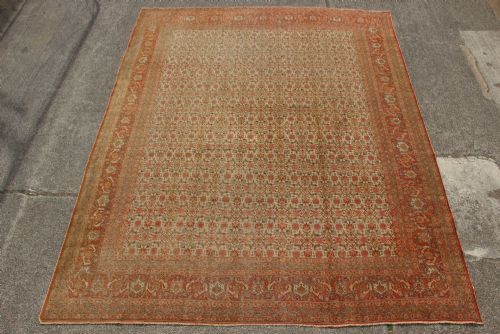
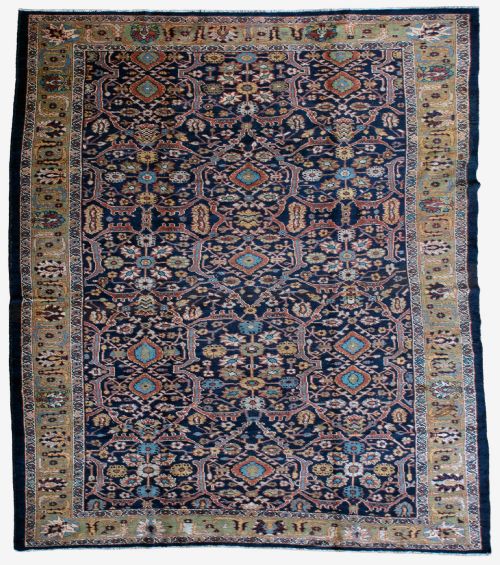
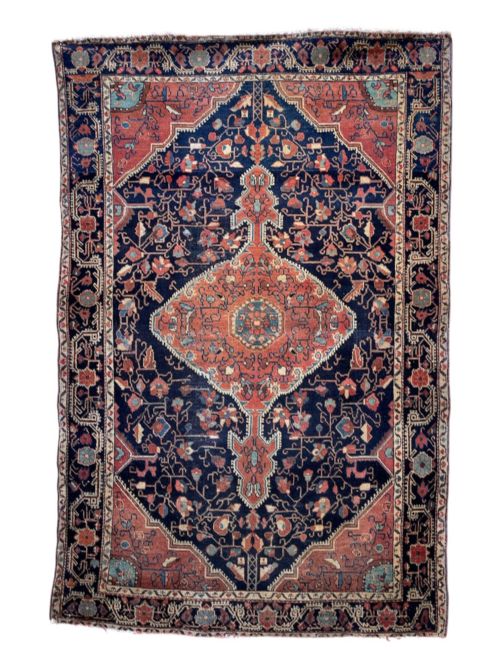
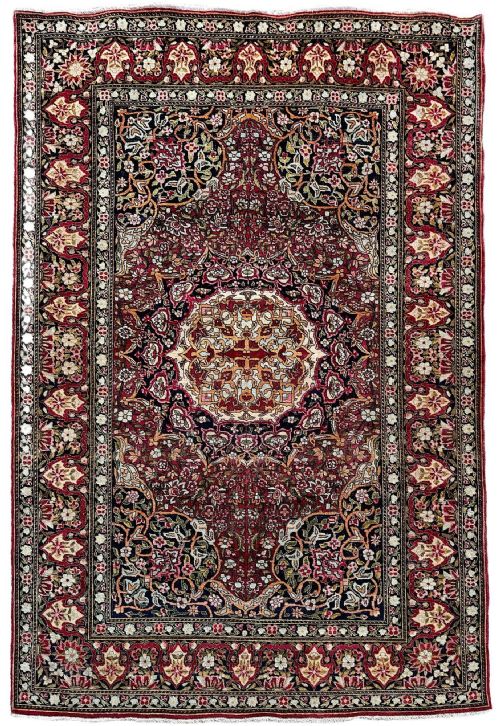
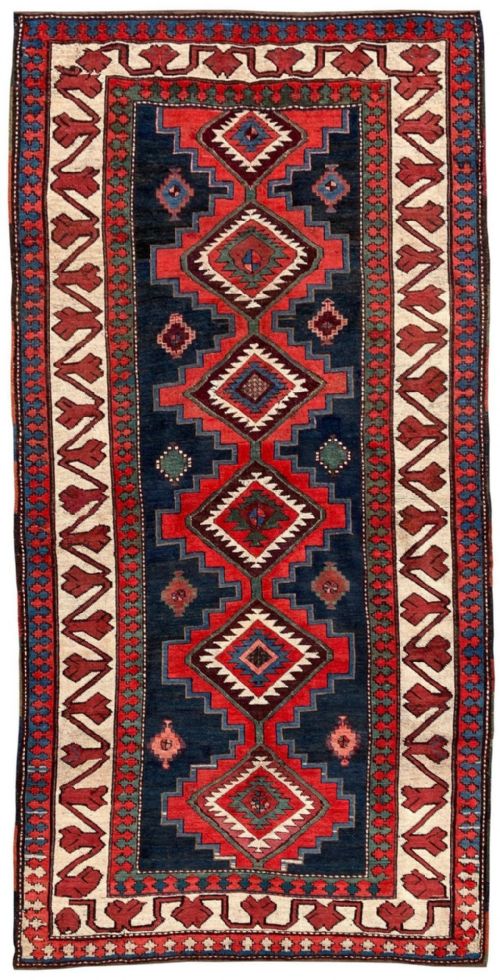
The selection on this page relies heavily on Persian and tribal origins, with common regional identifications including Heriz, Mahal, Bakhtiar, and Kazak. These pieces span the nineteenth and early twentieth centuries, capturing village and nomadic work alongside city workshops.
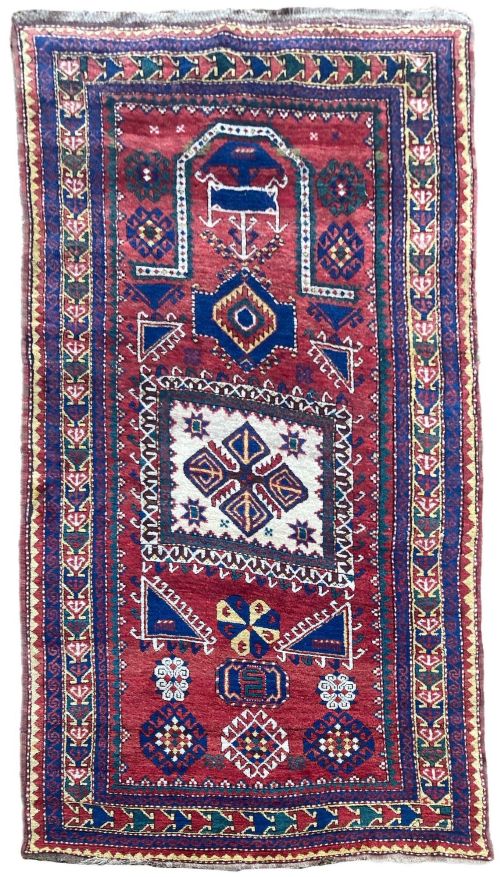
Forms vary from grand room-scale carpets to smaller prayer rugs, runners, and kilims. Wool remains the primary medium, frequently supplemented by cotton foundations and occasional silk highlights.
How they were made
Construction relies primarily on wool piles hand-knotted onto sturdy cotton or wool warp and weft foundations. Certain regional pieces utilise flatweaving techniques without a pile, creating lighter kilims and carpets.
Natural dyestuffs provide the foundational palette, yielding rich tones of rust, madder red, and indigo blue that mellow gradually over decades of exposure and use.
Geographic styles represented across the page include Persian, Caucasian Tribal, Anatolian Tribal, Turkmen Tribal, and Tibetan weaving traditions.
What varies in quality
Knot density and structural tightness dictate the crispness of geometric and floral motifs across different carpets. Finer village and city workshops achieve sharper pattern definition through tighter packing of the foundation.
The depth and consistency of the wool pile contribute to longevity and physical weight underfoot. Superior examples retain resilient pile heights and balanced proportions across the field and borders.
The Woven Wool Area Carpet Glossary
- Warp
- The vertical threads stretched upon a loom that form the structural skeleton of a woven wool area carpet. Fringe ends typically originate from these foundational cords.
- Weft
- The horizontal threads passed across the warp strands to lock individual knots into place. They secure the rows and maintain the rectilinear grid of the carpet.
- Medallion
- A central ornamental design motif placed in the middle of the carpet field. Many Persian and Caucasian pieces anchor their entire geometric scheme around this focal point.
- Kilim
- A flatwoven textile produced without a pile by tightly interweaving warp and weft threads. These pieces offer lightweight utility and distinct geometric patterning.
- Prayer rug
- A small format textile traditionally featuring a niche or arch design representing a mihrab. These rugs were utilised for personal devotion in various Islamic regions.
Woven Wool Area Carpet: Frequently Asked Questions
How do I clean a woven wool area carpet?
Regular gentle vacuuming without a rotating power brush helps remove grit from the wool pile. Professional specialist cleaning remains necessary for deeper maintenance.
Water exposure should be managed carefully to prevent dye migration in older natural-dyed textiles. Allowing adequate airflow prevents moisture retention within the wool fibres.
Where were these carpets traditionally used?
Nomadic tribes and village weavers produced these textiles for domestic floor coverings, bedding, and division within tents. City workshops created larger formats for formal reception rooms.
Smaller formats often served as hearth rugs or dedicated prayer mats. Larger carpets anchored the seating arrangements in grand nineteenth-century interiors.
How do I tell Persian carpets from Caucasian ones?
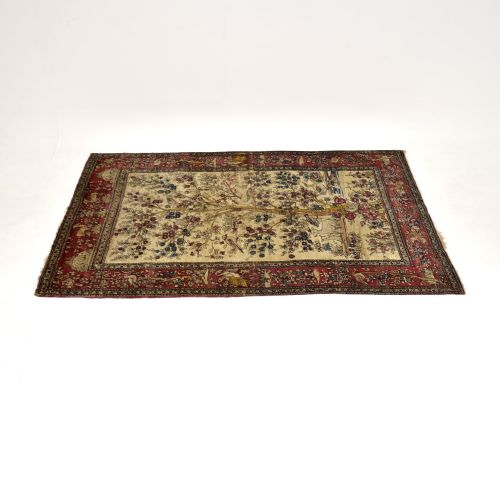
Persian pieces frequently incorporate curvilinear floral sprays, intricate vine scrolls, and large central medallions. Village workshops in Persia often blend geometric elements with traditional floral themes.
Caucasian carpets favour bold, rectilinear geometries, stylised animal forms, and sharper polygonal medallions. Their colour palettes tend to deploy stark contrasts with deep indigo and bright red.
How do I protect the carpet from furniture?
Distributing weight using furniture cups prevents heavy table legs from crushing the wool pile. Periodic rotation ensures even wear patterns across high-traffic areas.
Underlays provide grip on smooth flooring while cushioning the foundation against sharp impacts. This reduces friction between the floorboards and the wool warp.