

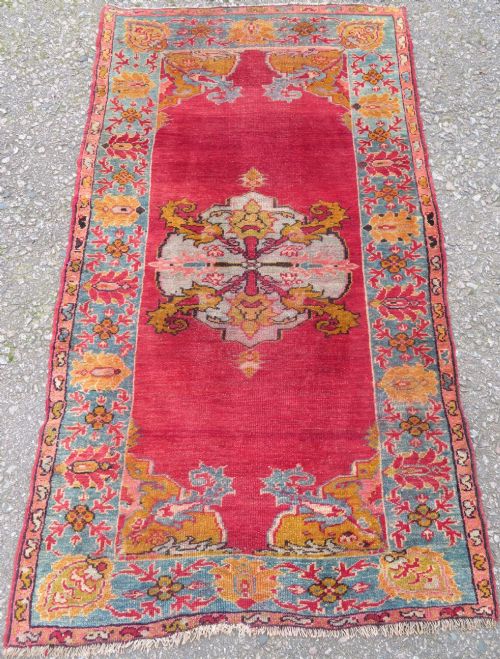
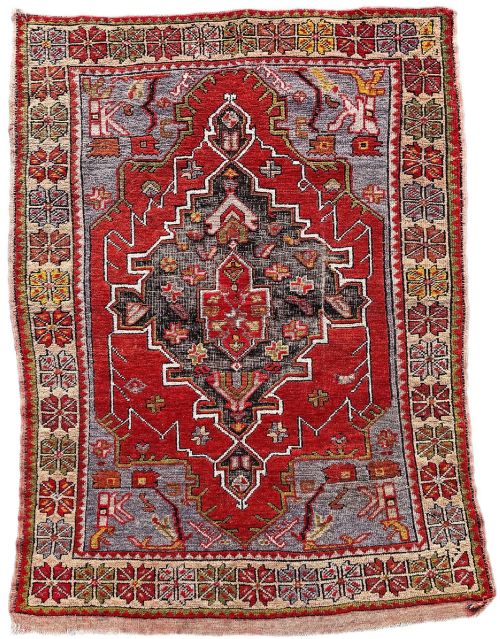
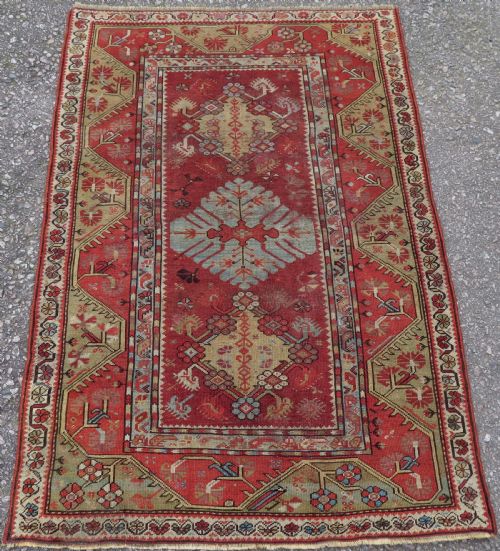
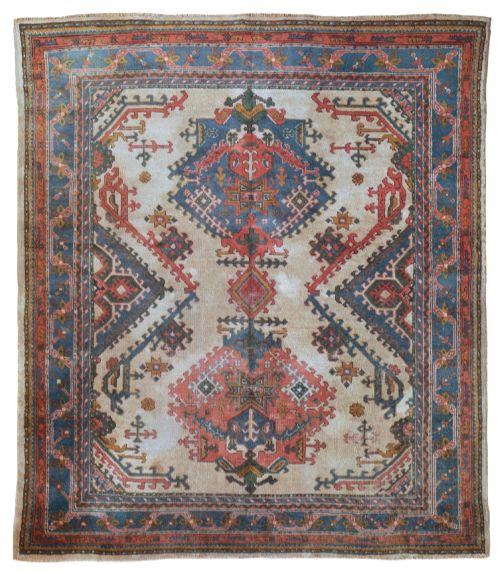

Hand Knotted Anatolian Rug
When you handle a hand knotted anatolian rug, you touch centuries of village weaving traditions that bring genuine character to a room.
Hand Knotted Anatolian Rug
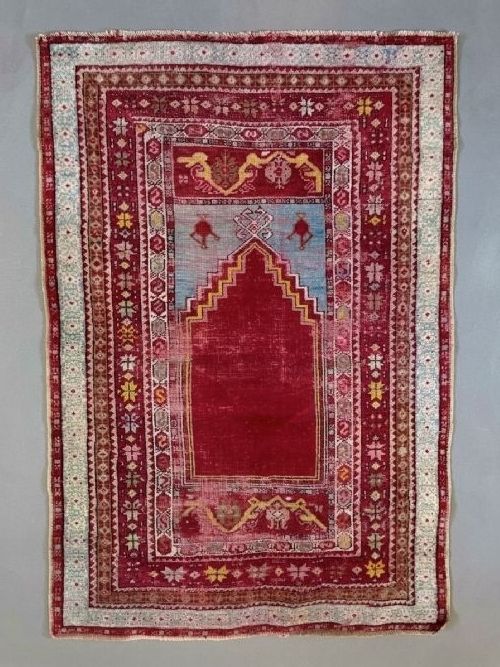
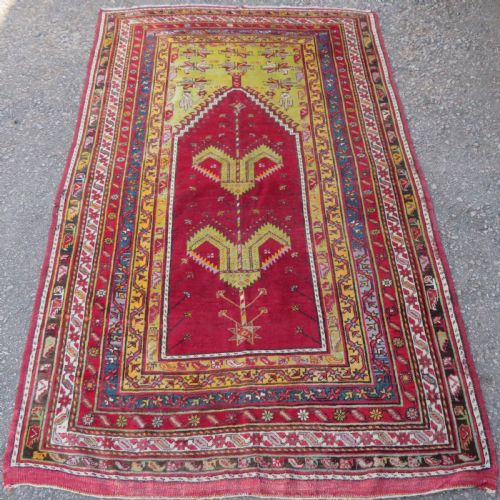
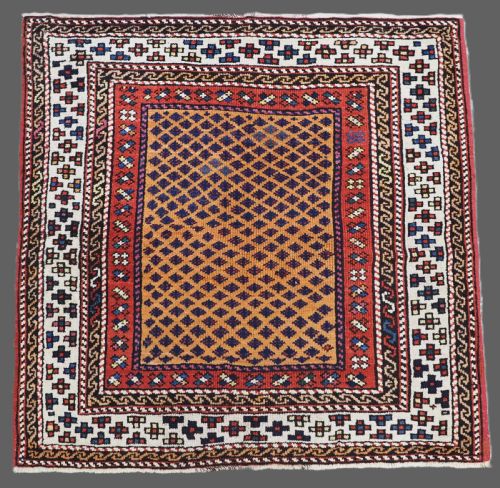
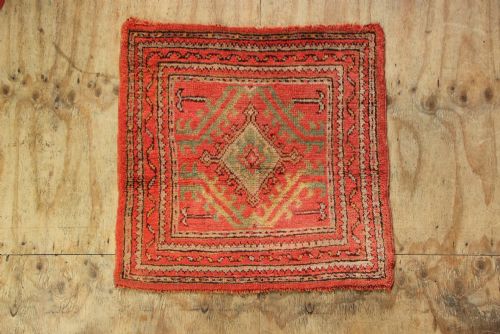
A hand knotted anatolian rug represents centuries of textile artistry originating from the weaving traditions of Turkey and the surrounding regions. These pieces span from the mid-nineteenth century through to the early twentieth century, encompassing village and tribal formats such as prayer rugs, runners, and square mats.
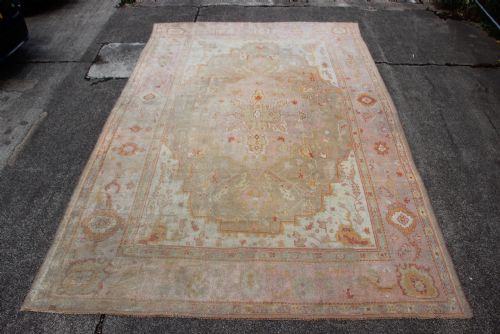
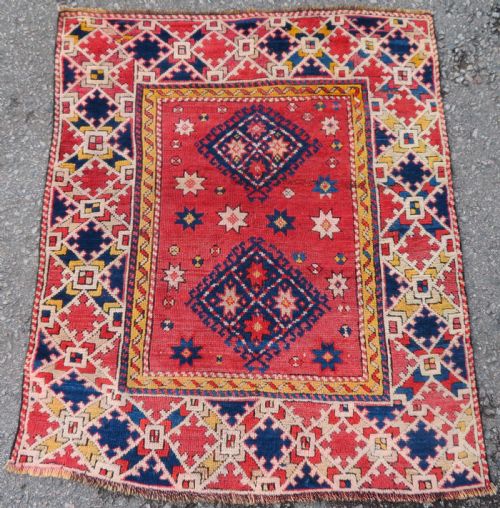
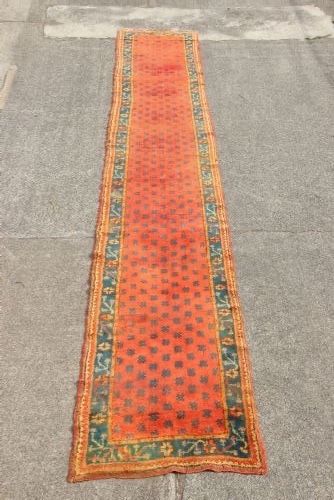
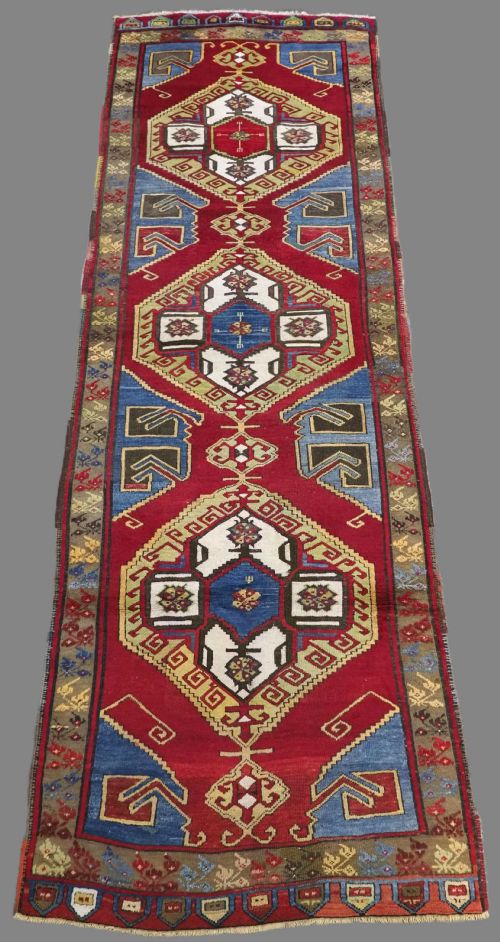
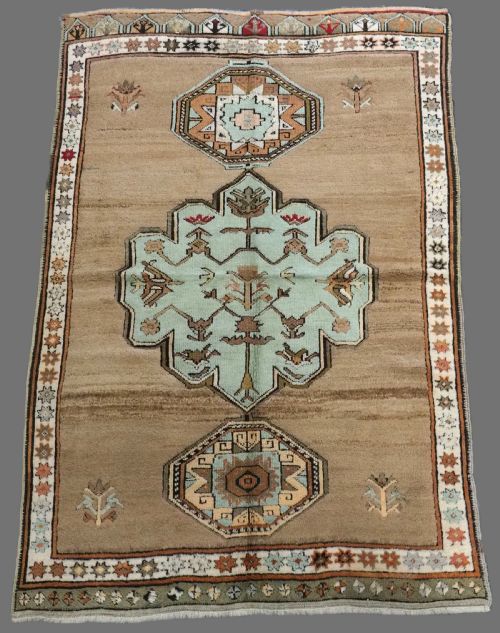
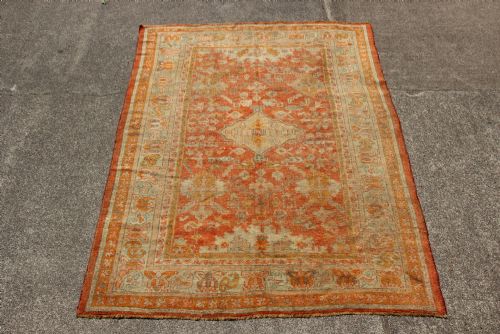
The most common formats encountered on this page include room-sized Oushak carpets alongside narrow runners and smaller village rugs from centres like Konya, Bergama, and Kirsehir. Each piece reflects the specific regional motifs and cultural history of Anatolian weaving without modern industrial intervention.
Buyers look to these textiles for their authentic construction and deep connection to traditional floor coverings that have endured for generations. The diverse range includes pale decorative carpets as well as deeply saturated tribal prayer designs.
How they were made
The construction relies fundamentally on hand-spun wool and cotton, with occasional uses of camel wool for natural warmth and un-dyed colour variation. Artisans knotted the pile by hand onto sturdy foundation warps, securing the structural integrity of every runner and carpet.
Natural dye stuffs provided the rich palette seen across these nineteenth and early twentieth century pieces, creating softer patinas as the wool aged. The dense knotting technique ensures both flexibility and long-lasting durability across village and town workshops alike.
Hand Knotted Anatolian Rug Retail Price Guide 2026
Typical asking prices for hand knotted anatolian rug among the pieces listed under this phrase on Sellingantiques today, from the lower quarter to the upper quarter. They describe what is for sale here now, not the wider market.
Some weavers cleverly hid tiny geometric amulets within the border fringes to ward off the evil eye while tying the wool.
What varies in quality
Quality in these textiles depends heavily on the fineness of the knot count and the deliberate choice of materials used by the weaver. Tighter knots allow for sharper definition within geometric lattices and floral motifs.
The harmony and complexity of the regional palette further distinguish finer examples, where natural dyes settle evenly into the hand-spun wool. Structural balance and the integrity of the original borders also separate standard village pieces from exceptional collector carpets.
The Hand Knotted Anatolian Rug Glossary
- Prayer rug
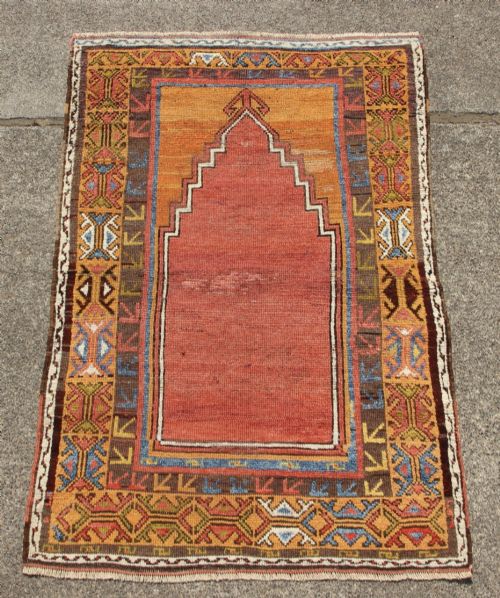
- A small textile featuring a distinct mihrab or arch design at one end, traditionally used for individual daily prayers. These formats often display rich symbolic iconography unique to their region of origin.
- Oushak
- A major weaving centre in western Anatolia renowned for producing large, decorative carpets with expansive floral designs and soft, muted colour palettes. Oushak carpets frequently utilise a looser knot and lighter wool.
- Runner
- A long, narrow carpet format designed specifically for corridors, hallways, or alongside large furniture. Runners preserve older tribal and village motifs in a condensed linear layout.
- Knit knot
- The fundamental manual tying method used to secure individual tufts of wool to the vertical foundation threads. This traditional technique creates the dense pile characteristic of genuine antique carpets.
- Camel wool
- Un-dyed fleece harvested from camels, valued for its natural golden-brown warmth and exceptional softness in specific tribal fields. It adds a subtle textural shift compared to standard sheep's wool.
Hand Knotted Anatolian Rug: Frequently Asked Questions
How do I identify an Anatolian prayer rug?
Anatolian prayer rugs typically feature a distinct architectural arch, known as a mihrab, pointing toward Mecca during use. Collectors look for specific regional motifs within this arch that indicate provenance from centres like Ghiordes, Ladik, or Kirsehir.
These pieces were woven for personal devotion and daily meditation rather than general floor decoration. Their smaller dimensions reflect this intimate original purpose.
What makes Oushak carpets different from village rugs?
Oushak carpets generally offer larger room-scale dimensions and more expansive, open floral designs compared to tighter village geometries. They often display softer, faded secondary tones that integrate easily into diverse interior spaces.
Village rugs from places like Bergama or Konya tend to emphasise bolder tribal medallions and more saturated primary colours. Both styles rely on hand-spun wool and traditional knotting techniques.
How should I care for an antique rug?
Protect your antique carpet by placing it in a low-traffic area or using a breathable, high-quality underlay to prevent sliding and friction. Regular gentle vacuuming without a rotating power brush helps remove embedded dust from the wool pile.
Avoid exposing these natural dye textiles to direct, harsh sunlight for extended periods to preserve the original colours. Professional cleaning by a specialist familiar with antique vegetable-dyed wool is recommended when necessary.
How can I tell the age of these rugs?
Determining the age involves examining the natural wear patterns, the specific type of hand-spun wool, and the chemical composition of the vegetable dyes. Mid-nineteenth century pieces often show deeper patinas and different structural foundations compared to early twentieth-century examples.
Stylistic shifts in the border patterns and central medallions also provide reliable clues for dating. Comparing the construction methods to documented regional examples helps narrow down the production era.