


Traditional Patterned Runner
A traditional patterned runner brings linear history to a hallway, offering intricate woven geometry and deep botanical dyes from the nineteenth and early twentieth centuries.
Traditional Patterned Runner
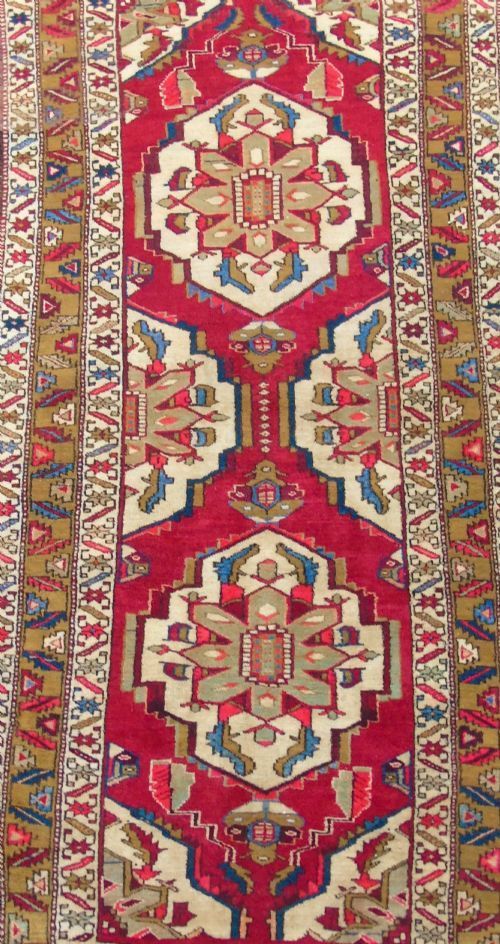
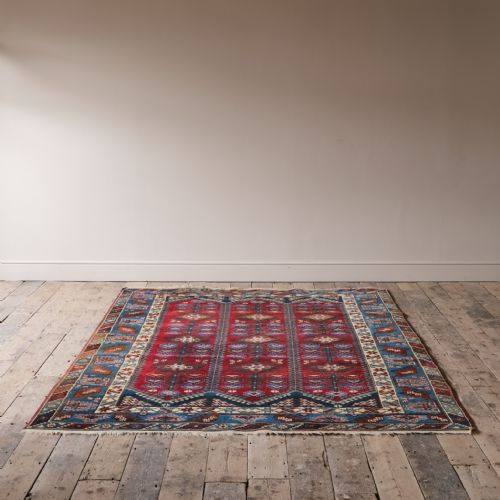
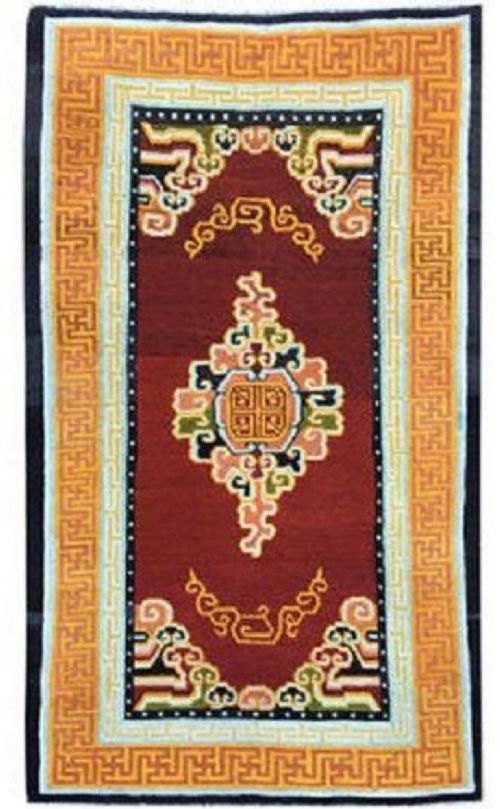
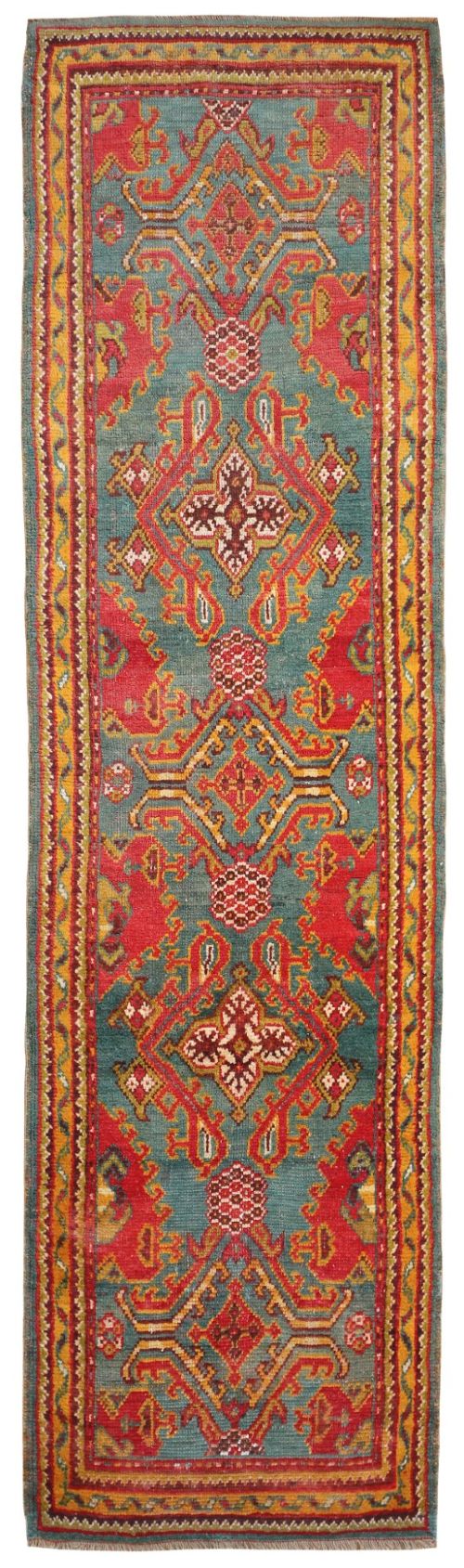
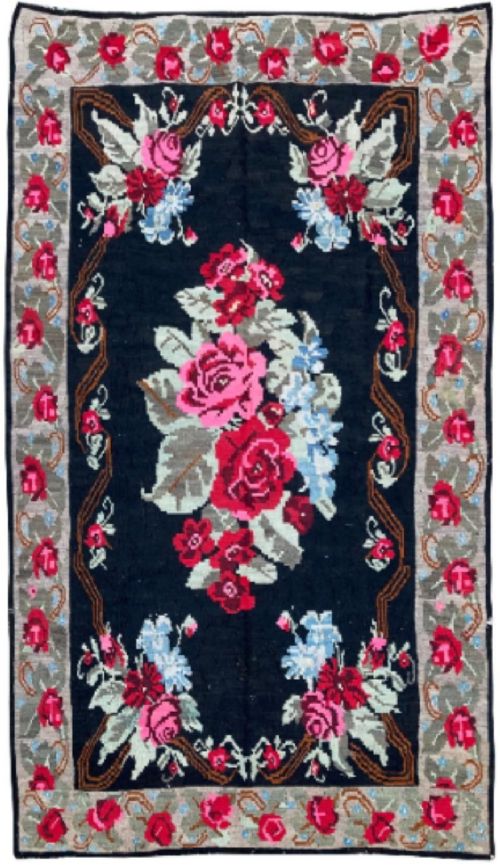
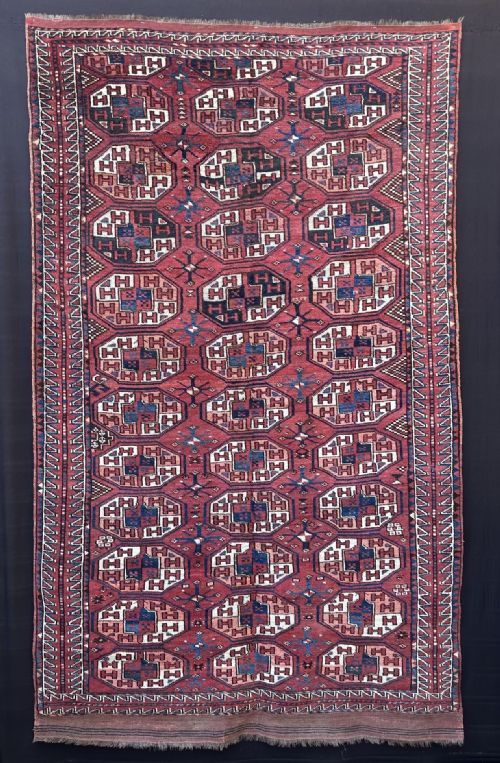
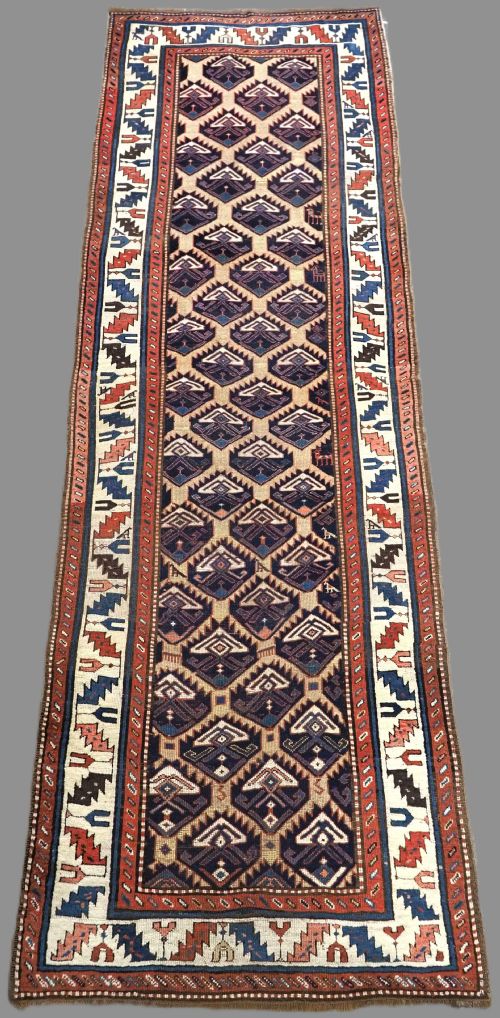
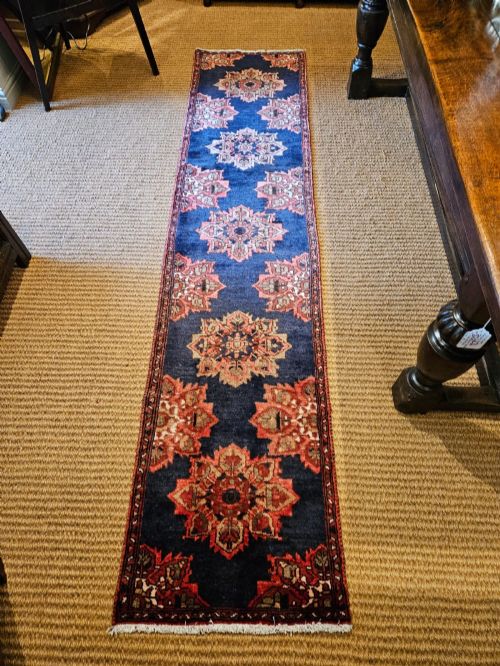
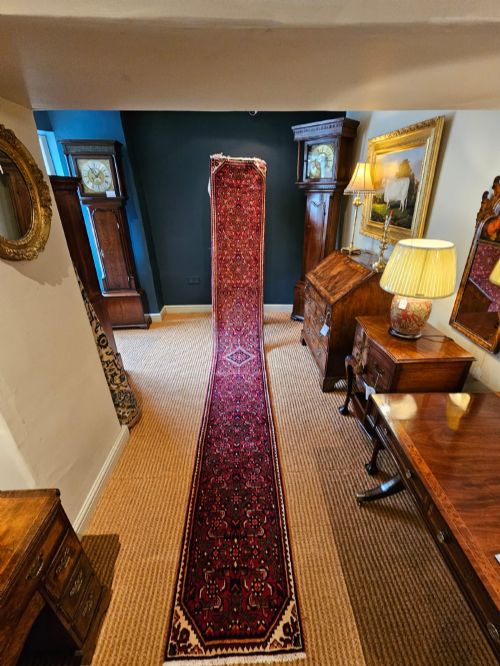
A traditional patterned runner is a long, narrow carpet designed specifically for corridors, staircases and narrow passageways. The pieces found here span from the late nineteenth century through to the 1930s, originating largely from Persian, Caucasian, and Central Asian weaving traditions.
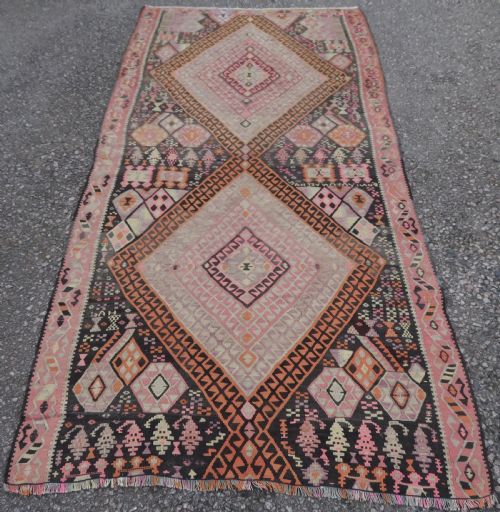
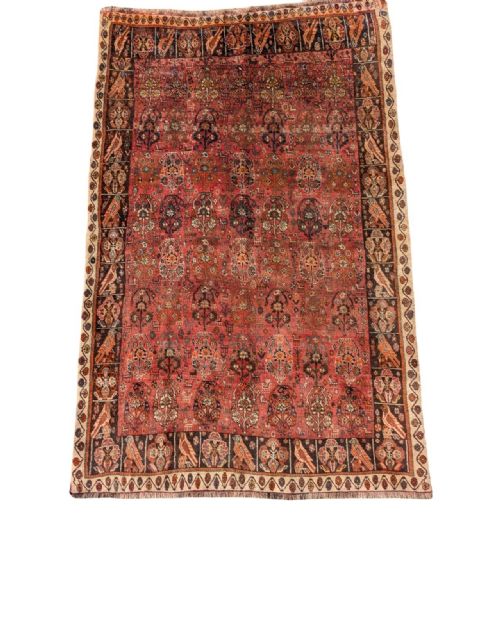
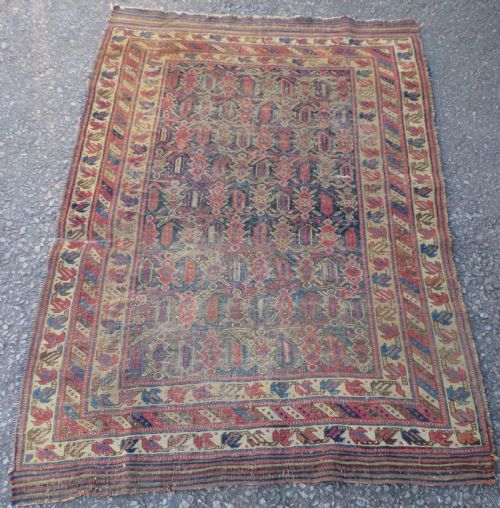
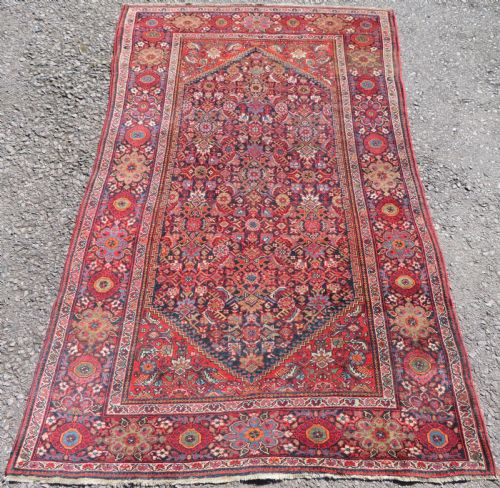
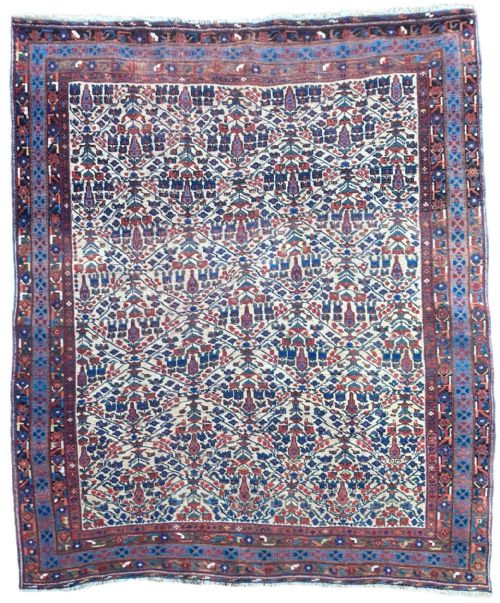
Buyers encounter regional formats such as Heriz, Gendje, Kazak, and Kurdish runners alongside broader tribal designs. These items utilise repetitive geometric motifs, lattice patterns, boteh designs, and all-over shrub layouts to guide the eye along narrow architectural spaces.
The format requires specific proportions, typically balancing an extended length with a constrained width. The selection reflects village and nomadic workshops rather than uniform mass production, showing distinct local character in every border and field.
How they were made
Makers constructed these runners primarily from hand-spun wool and cotton, often employing natural dyes extracted from plants and minerals to build rich, enduring palettes. Artisans knotted the wool by hand onto sturdy cotton or wool foundations, creating dense piles designed to withstand heavy domestic footfall.
Flatweave techniques appear alongside pile knots, particularly in kilims and tribal pieces where structure relies purely on the interlacing of warp and weft threads. The dying process yielded deep indigos, warm madder reds, and olive greens that mellow gradually over decades of exposure and use.
Traditional Patterned Runner Retail Price Guide 2026
Typical asking prices for traditional patterned runner among the pieces listed under this phrase on Sellingantiques today, from the lower quarter to the upper quarter. They describe what is for sale here now, not the wider market.
Listings feature runners utilising natural dyes, silk, cotton, and hand-spun wool across periods from the nineteenth century to the 1930s.
What varies in quality
Quality rests in the tightness of the knotting and the crispness of the geometric design work. Finer specimens display precise symmetry in tribal medallions and consistent density across the entire woolen pile.
The depth and subtlety of natural dye colours separate standard examples from exceptional ones. Variations in wool quality and the precision of the weaver's hand dictate how sharply patterns emerge from the background.
The Traditional Patterned Runner Glossary
- Boteh
- A stylised almond or pear-shaped motif representing a shrub or cypress tree, frequently seen in Persian and Caucasian weaving. This ancient symbol appears repeatedly across traditional fields and borders.
- Kilim
- A flatwoven carpet or runner produced without a pile by tightly interweaving warp and weft strands. These pieces offer a flat, durable surface with sharp geometric patterns visible on both sides.
- Kazak
- A style of rug and runner originating from the Caucasus region, known for bold primary colours and strong geometric layouts. Weavers utilised thick wool and saturated natural dyes.
- Warp
- The vertical threads stretched tightly on a loom before weaving begins. The foundation threads carry the structural tension of the entire runner.
- Weft
- The horizontal threads passed across and between the warp threads to hold the knots or flatweave firmly in place. Proper packing of the weft creates a dense, resilient fabric.
Traditional Patterned Runner: Frequently Asked Questions
Where should I place a traditional patterned runner?
These narrow formats suit hallways, corridors, and landings where linear floor space benefits from centralised visual interest. Their traditional geometry directs movement through architectural passages.
Ensure the chosen location has sufficient clearance for doors to open over the pile height. Placing an appropriate underlay beneath the runner prevents slipping on hard timber or stone floors.
How do I care for an old woolen runner?
Regular gentle vacuuming without a rotating brush roll removes trapped dust and grit from the wool fibres. Promptly blot liquid spills with a clean cloth rather than rubbing the pile.
Professional specialist cleaning is recommended every few years to protect the natural dyes and wool. Rotating the runner periodically ensures even wear across high-traffic zones.
How can I tell a tribal runner from a city piece?
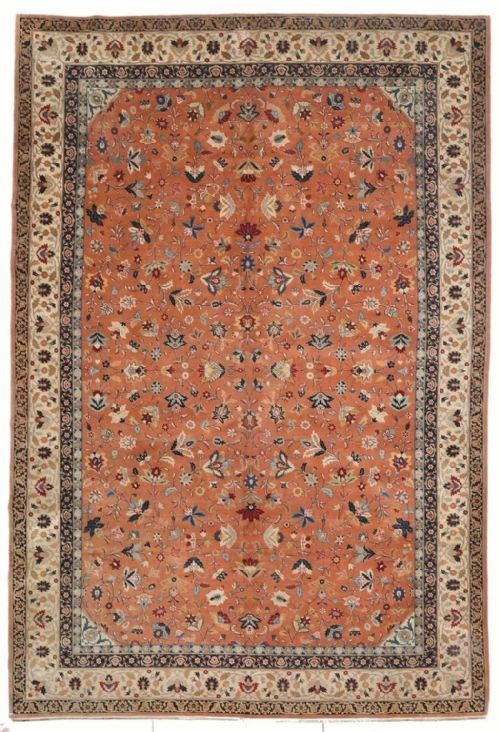
Tribal runners display asymmetrical motifs, geometric abstraction, and spontaneous local variations woven from memory. City carpets feature precise curves, balanced medallions, and formal floral compositions.
Nomadic pieces often use heavier hand-spun wool and saturated earthy palettes. City workshops employed professional cartoon designers to map out intricate floral layouts prior to knotting.
What period do most of these runners date from?
The inventory spans the nineteenth century through the 1930s, encompassing late nineteenth-century village weaves and early twentieth-century production. Pieces from the 1880s and 1890s frequently show mature natural dye usage.
Later items from the 1920s and 1930s continue traditional tribal motifs while adapting to changing domestic interior styles. Each era brings distinct characteristics in palette and structural density.