




Vintage Turkish Hallway Carpet
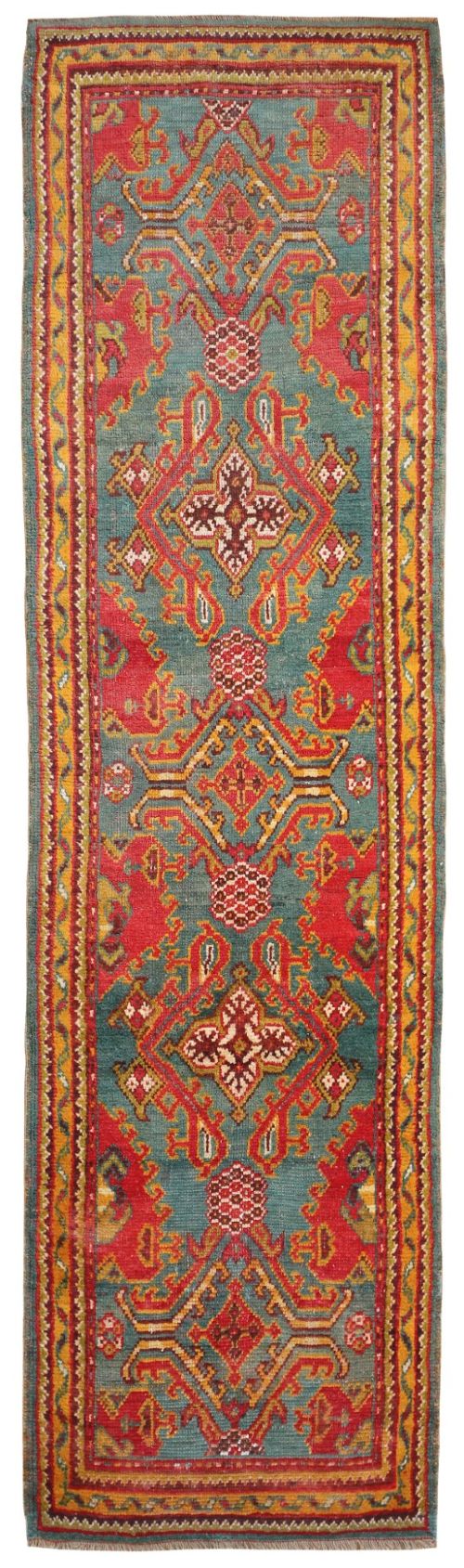
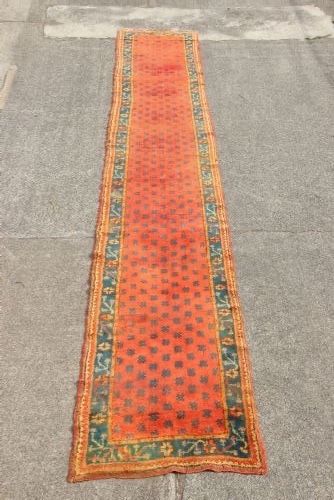
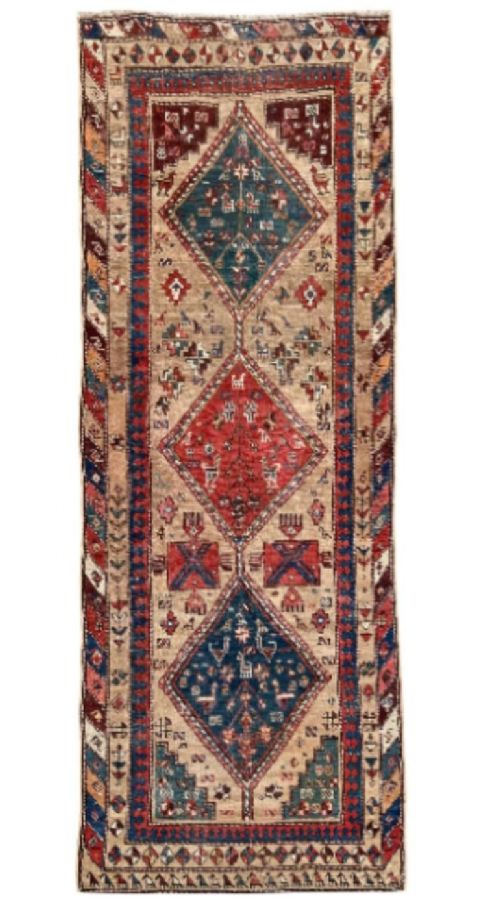
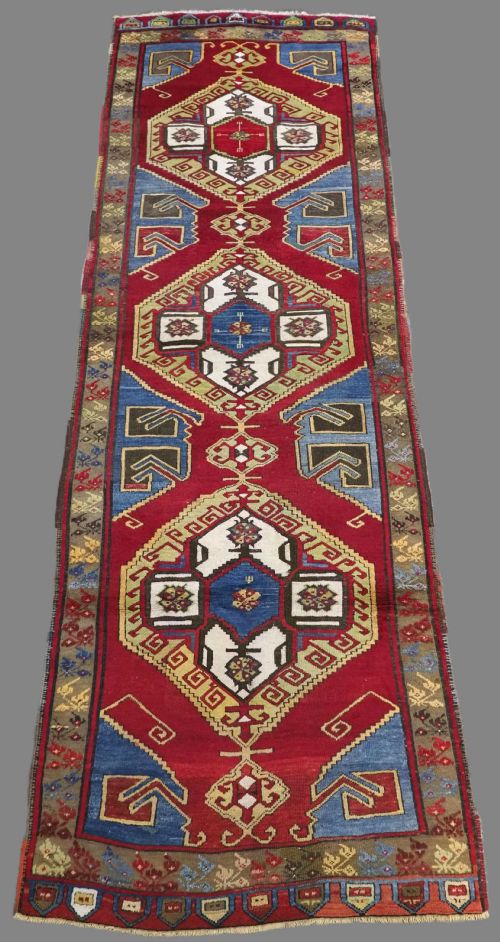
A vintage turkish hallway carpet brings genuine warmth and historical character to a long floor space through traditional weave and colour.
Vintage Turkish Hallway Carpet
When you search for a vintage turkish hallway carpet, you encounter narrow runner rugs and long floor coverings designed specifically for corridors and extended spaces. These pieces emerge from traditional Anatolian workshops and nomadic traditions spanning the late nineteenth century into the early decades of the twentieth century.
The format typically presents as an elongated rectangle suited to narrow rooms, stretching from modest lengths past dramatic proportions exceeding five metres. Surviving examples reflect regional weaving centres including Oushak, Konya, Kirsehir, Yagcibedir, and Taspinar, each bringing distinct tribal or classical design idioms.
Most items you meet on this page date between eighteen eighty and nineteen thirty, carrying decades of domestic use that soften their wool pile. They operate as functional floor art, bridging architectural transitions in a home while displaying centuries-old regional motifs.
How they were made
These floor coverings are constructed primarily from wool and cotton, utilising hand-knotted pile techniques on sturdy foundation threads. Artisans knotted natural wool yarn onto cotton warps andwefts, creating a dense textile designed to withstand heavy foot traffic in domestic hallways.
Weavers employed hand-spun wool dyed with traditional colourants to build geometric medallions, floral sprays, and tribal symbols across the field. Some specimens incorporate flatweave kilim techniques alongside knotted pile sections, blending structural methods within a single runner.
Vintage Turkish Hallway Carpet Retail Price Guide 2026
Typical asking prices for vintage turkish hallway carpet among the pieces listed under this phrase on Sellingantiques today, from the lower quarter to the upper quarter. They describe what is for sale here now, not the wider market.
What varies in quality
Quality rests upon the fineness of the knotting, the integrity of the original wool foundation, and the sophistication of the design layout. Finer knots permit more intricate geometric or floral detailing to emerge clearly across the narrow field.
The condition of the pile and edges heavily influences the character of each runner. Examples that retain balanced wear, secure selvages, and rich natural dye patination stand apart from heavily compromised pieces.
Oushak·Konya·Kirsehir·Yagcibedir·Taspinar
The Vintage Turkish Hallway Carpet Glossary
- Anatolian
- Pertaining to the geographic region of Anatolia, encompassing historical Turkish weaving traditions. This term groups diverse regional styles under a common cultural origin.
- Kilim
- A flatweave textile produced without a knotted pile. Artisans interlace warp and weft threads to create lightweight, reversible floor coverings or hybrid runner rugs.
- Runner
- A long, narrow carpet format designed for corridors, hallways, and stairs. Dimensions emphasise length over width to fit restricted architectural footprints.
- Oushak
- A renowned Turkish carpet production centre celebrated for large-scale floral motifs and soft, luminous wool palettes. Pieces from this tradition often display graceful medallion layouts.
- Medallion
- A central ornamental design motif placed in the field of a carpet. It serves as the visual anchor for surrounding geometric or floral patterns.
Vintage Turkish Hallway Carpet: Frequently Asked Questions
How do I measure for a hallway runner?
Measure the clear floor space of your corridor, leaving an even border of exposed floorboards or stone around the perimeter. Ensure doors can swing freely over the pile thickness.
Account for radiators, skirting boards, and irregular walls so the runner centres properly without bunching against architectural obstructions.
Are these runners suitable for heavy foot traffic?
Wool and cotton construction provides natural resilience against regular daily movement. The dense hand-knotted pile absorbs pressure and springs back over time.
Pairing the textile with a quality underlay protects the foundation threads and prevents slipping on hard hallway floors.
How do I care for an antique wool runner?
Vacuum gently on a low suction setting without a rotating brush bar to protect the aged wool pile. Professional cleaning by a specialist in antique textiles prevents fibre degradation.
Rotate the runner periodically to ensure even exposure to foot traffic and sunlight over the seasons.
How can I tell different regional styles apart?
Regional identity appears through specific colour palettes, border structures, and primary motif geometry. Oushak designs lean towards expansive floral forms, while Yagcibedir and Taspinar feature tighter geometric repeats.
Examining the knot count and foundation materials also helps trace a piece to its specific Anatolian weaving centre.