

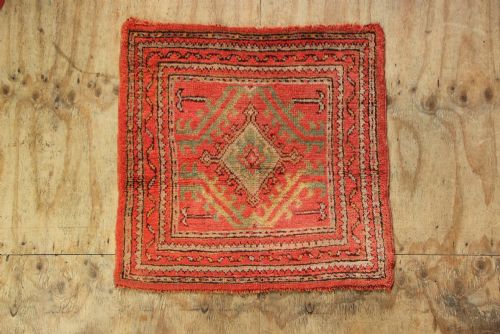
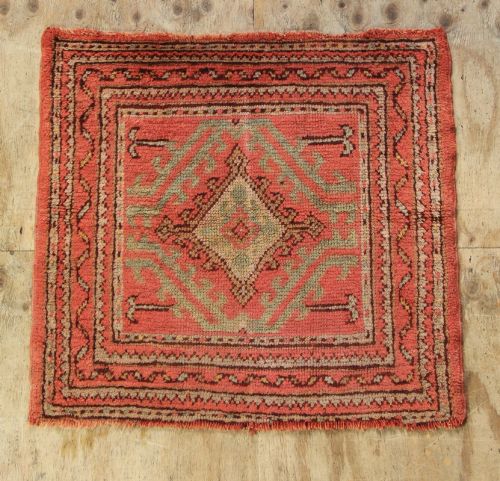


Terracotta Turkish Rug
When you search for a terracotta turkish rug, you step into a world of woven history spanning centuries of Anatolian craftsmanship.
Terracotta Turkish Rug
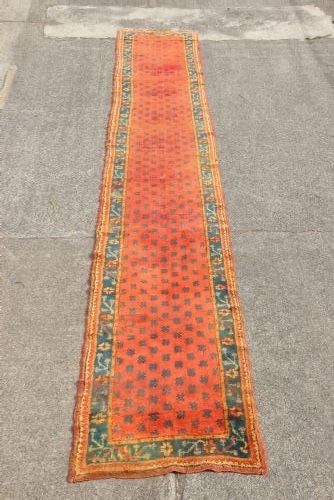
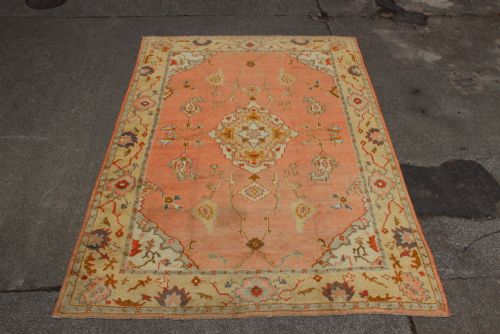
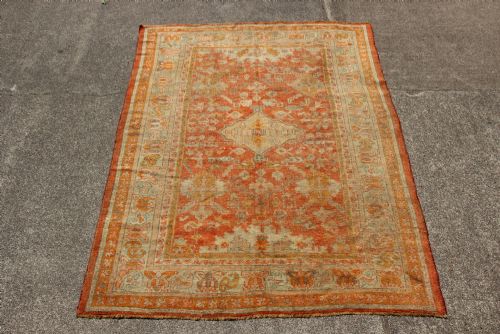
A terracotta turkish rug brings warm, earthy tones into a room, often anchored in traditional Ottoman and Anatolian designs. These pieces span from the early nineteenth century through the early twentieth century, capturing the evolution of village and town weaving.
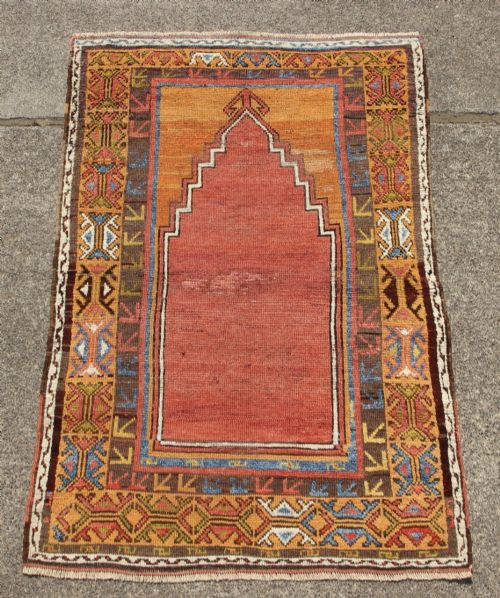
Buyers encounter various forms, ranging from grand carpets and runners to square mats, prayer rugs, cushions, and even occasional armchairs upholstered in carpet fragments. The predominant regional styles include Oushak, Ghiordes, Milas, Konya, Kula, Ladik, and Yuruk.
Formats vary significantly, from long narrow runners suited for hallways to room-sized carpets and compact yastiks. Each piece carries the distinct geometric or floral motifs characteristic of its specific Anatolian origin.
Materials and construction
The foundation of these textiles relies principally on wool and cotton, with hand-spun wool and angora wool frequently utilised for the pile. Occasional examples incorporate silk, particularly in specific urban workshops, alongside structural elements of wood and brass found in associated furniture.
Weavers knotted the pile by hand onto warp and weft foundations, creating resilient surfaces designed to endure generations of daily use. Natural dyes imparted the characteristic terracotta, soft pinks, and faded hues that define the palette over time.
Evaluating quality and character
Quality rests in the fineness of the knotting, the balance of the composition, and the integrity of the natural dyes. Superior examples exhibit harmonious colour saturation and graceful ageing rather than uniform perfection.
The handling of wool quality and the complexity of the traditional border and field patterns separate standard village output from master town weaving. Abrash - the subtle tonal variation within a colour field - adds depth in higher-grade specimens.
Howard And Sons
The Terracotta Turkish Rug Glossary
- Abrash
- Natural tonal variation within a single colour field, caused by changes in dye batches or hand-spun wool.
- Yastik
- A small Turkish cushion or pillow cover traditionally used on raised seating platforms in Anatolian homes.
- Prayer rug
- A small rug featuring a mihrab design, traditionally used for Islamic daily prayers.
- Kilim
- A flat-woven carpet or rug produced without a knotted pile, created by tightly interweaving warp and weft strands.
- Oushak
- A major carpet-producing town in western Turkey known for large-scale floral motifs and soft, luminous wool.
Terracotta Turkish Rug: Frequently Asked Questions
How do I clean an antique rug?
Gentle surface vacuuming without a beater bar removes loose dirt safely. Professional specialist washing is essential for deeper cleaning to protect natural dyes.
Avoid harsh chemical detergents and excessive moisture at all costs, as these damage delicate wool and cotton foundations.
Where were these pieces made?
Production centred across various regions of Anatolia, encompassing towns like Oushak, Ghiordes, Konya, and Milas. Each district developed distinct regional patterns and colour palettes.
Town workshops focused on large decorative carpets, while village weavers produced tribal runners, prayer rugs, and domestic utility pieces.
How do I date a woven piece?
Dating relies on assessing dye types, wear patterns, structural materials, and stylistic shifts in design motifs. Natural older dyes fade predictably compared to twentieth-century synthetic alternatives.
Archival comparisons with documented examples help narrow the period of manufacture across the nineteenth and early twentieth centuries.
Are these rugs durable for hallways?
Traditional hand-knotted construction using wool provides exceptional resilience against foot traffic. Runners and carpets designed for heavy daily use withstand hallways well when paired with a quality underlay.
Finer silk examples or fragile low-pile pieces require placement in low-traffic areas to preserve their structural integrity.