


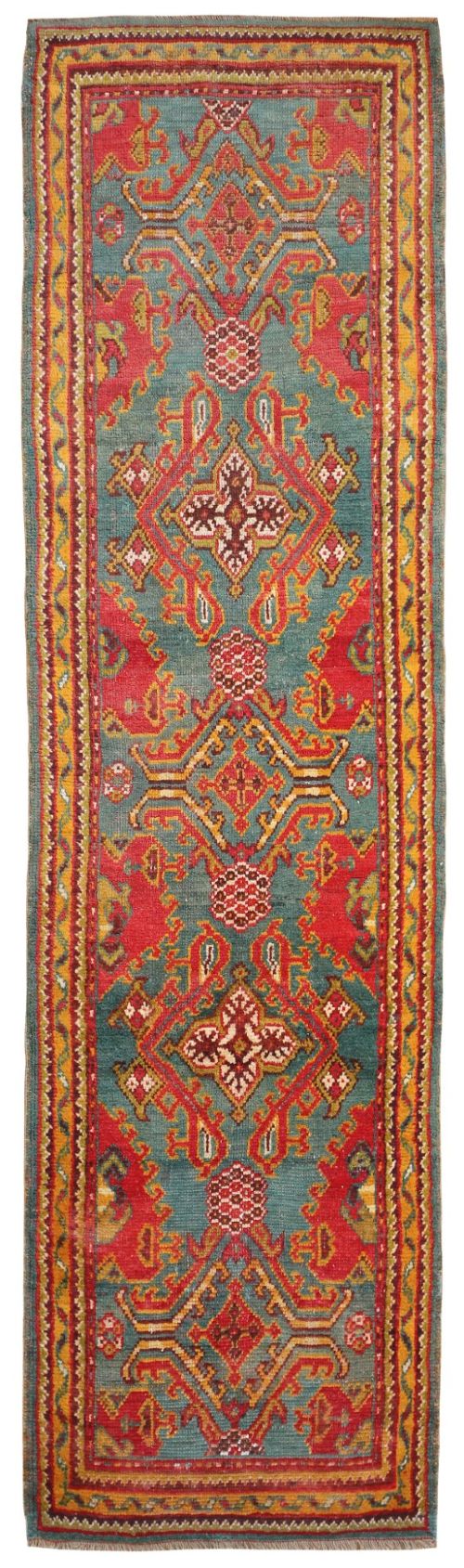
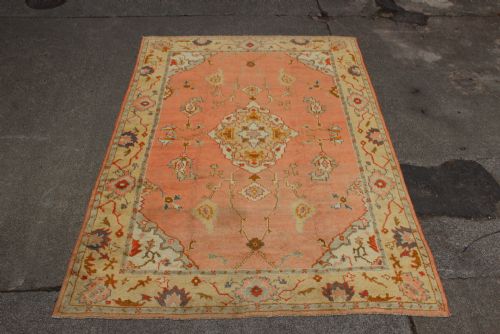
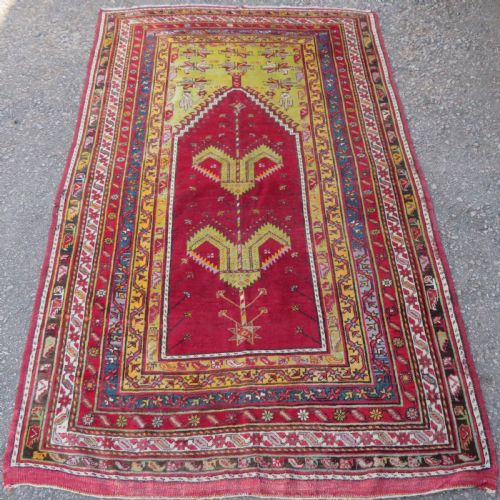
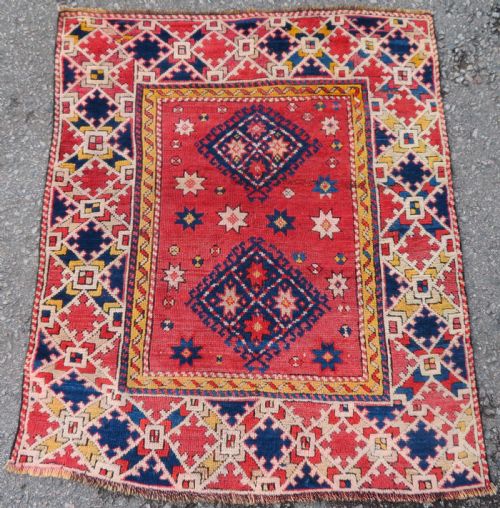
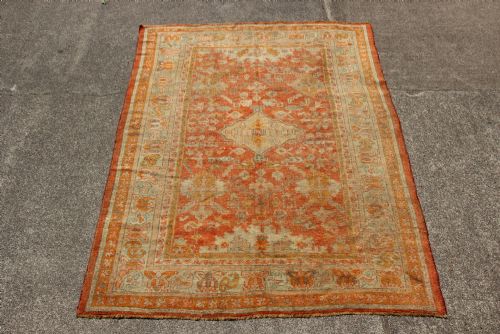
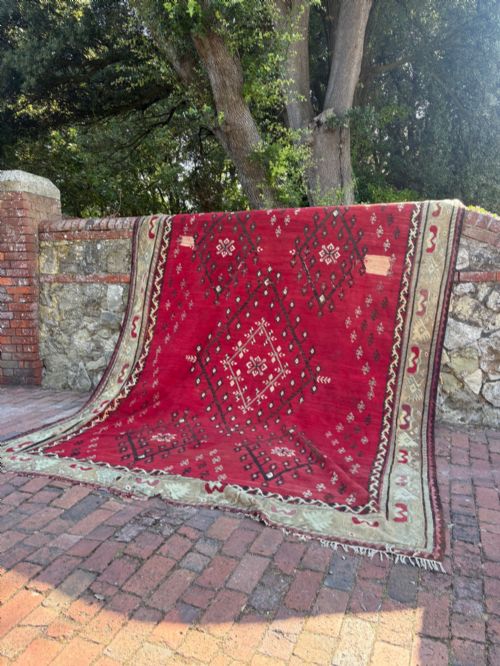
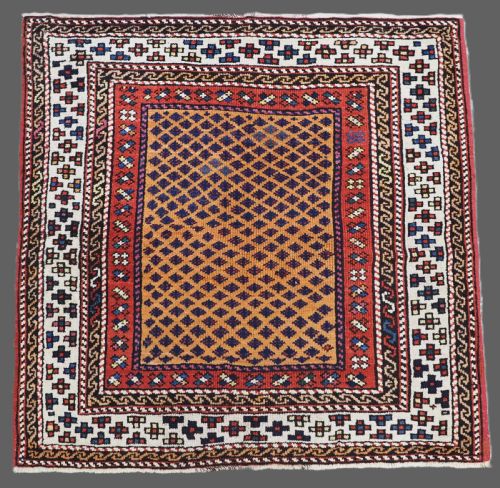
Turkish Area Rug
These turkish area rug examples bring centuries of Anatolian weaving tradition into modern rooms through resilient wool and intricate village designs.
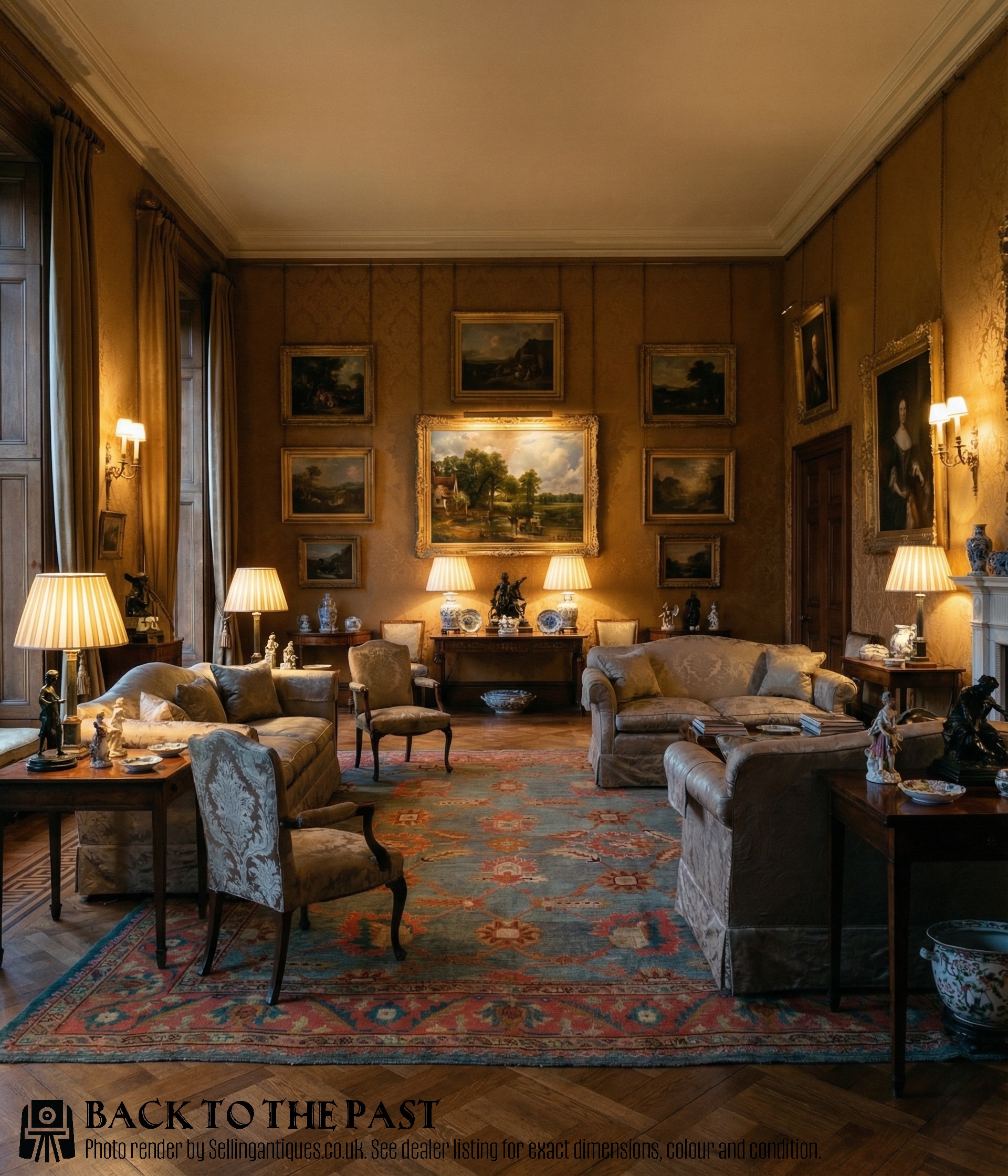
Turkish Area Rug
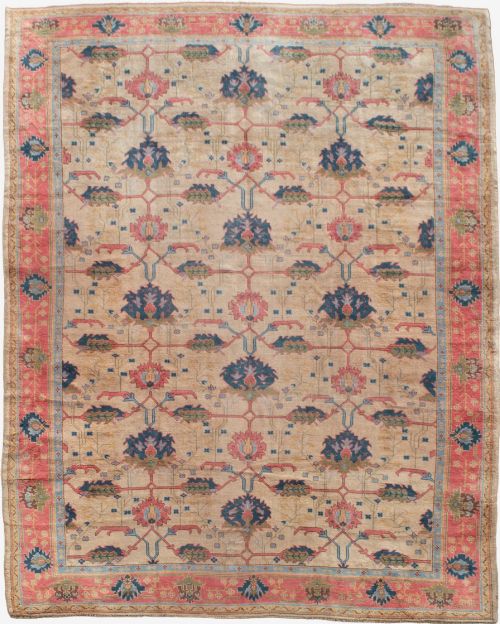
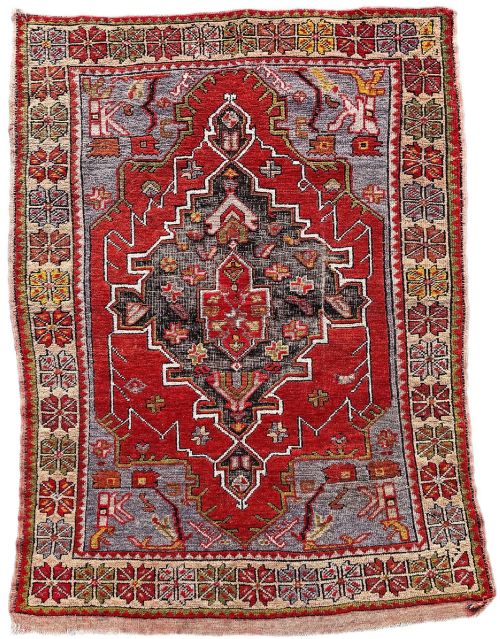
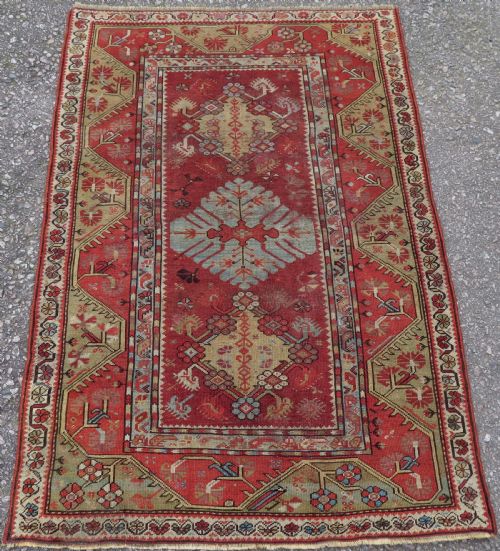
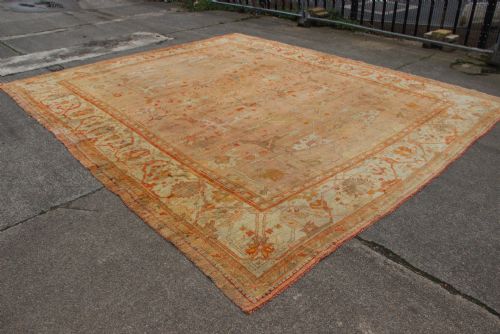
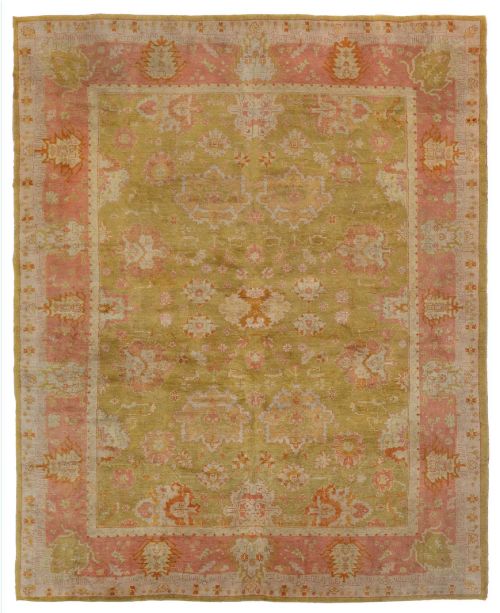
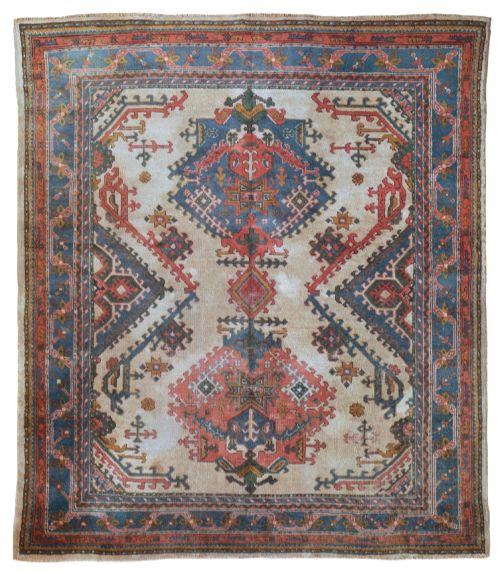
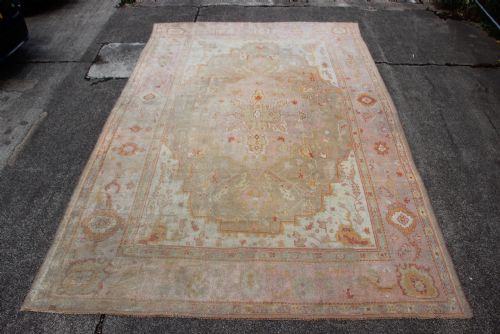
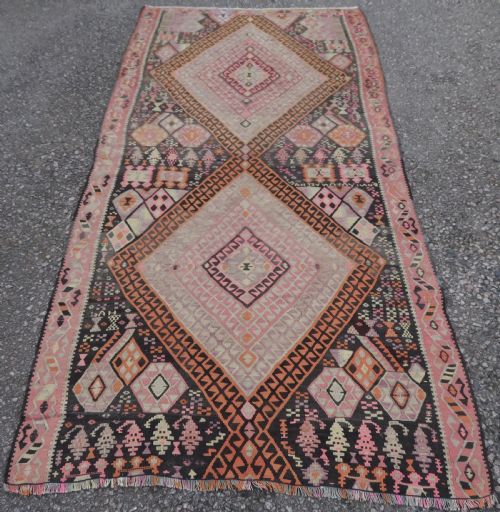
A turkish area rug encompasses hand-knotted and flatwoven floor coverings originating from various regions of Anatolia, spanning from large decorative carpets to compact prayer rugs and runners.
The selections encountered here range across periods from the eighteenth century through the early twentieth century, capturing distinct regional styles associated with centres such as Ushak, Kirsehir, Bergama, and Ghiordes.
Buyers frequently encounter village and workshop productions, including flatweave kilims and pile carpets that display traditional geometric motifs, lattice patterns, and pictorial scenes.
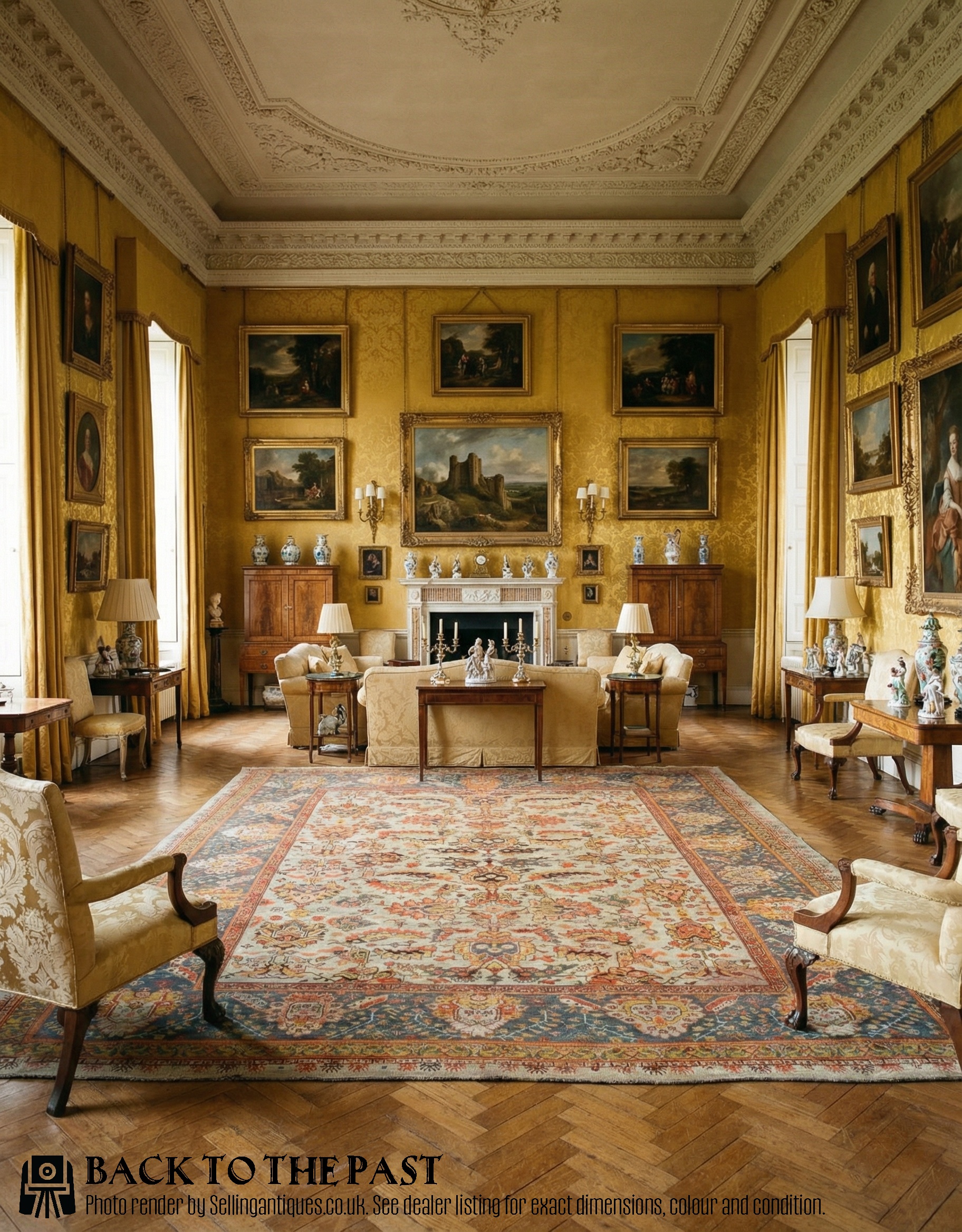
How They Were Made
Weavers utilised natural materials such as wool, cotton, silk, camel wool, and angora wool for both foundation warps and plush pile surfaces.
Dyes derived from local plants and minerals imparted the soft, faded, or rich colour palettes characteristic of these regional textiles.
Turkish Area Rug Retail Price Guide 2026
Typical asking prices for turkish area rug among the pieces listed under this phrase on Sellingantiques today, from the lower quarter to the upper quarter. They describe what is for sale here now, not the wider market.
The inventory records pieces dated across the nineteenth and early twentieth centuries, including examples from the 1860s, 1880s, and 1900s.
What Varies in Quality
The refinement of a piece often depends on the fineness of the knotting and the complexity of the design layout, from simple village runners to elaborate workshop carpets.
The condition of the pile and the integrity of the original borders and flatwoven ends significantly influence the visual impact of each weaving.
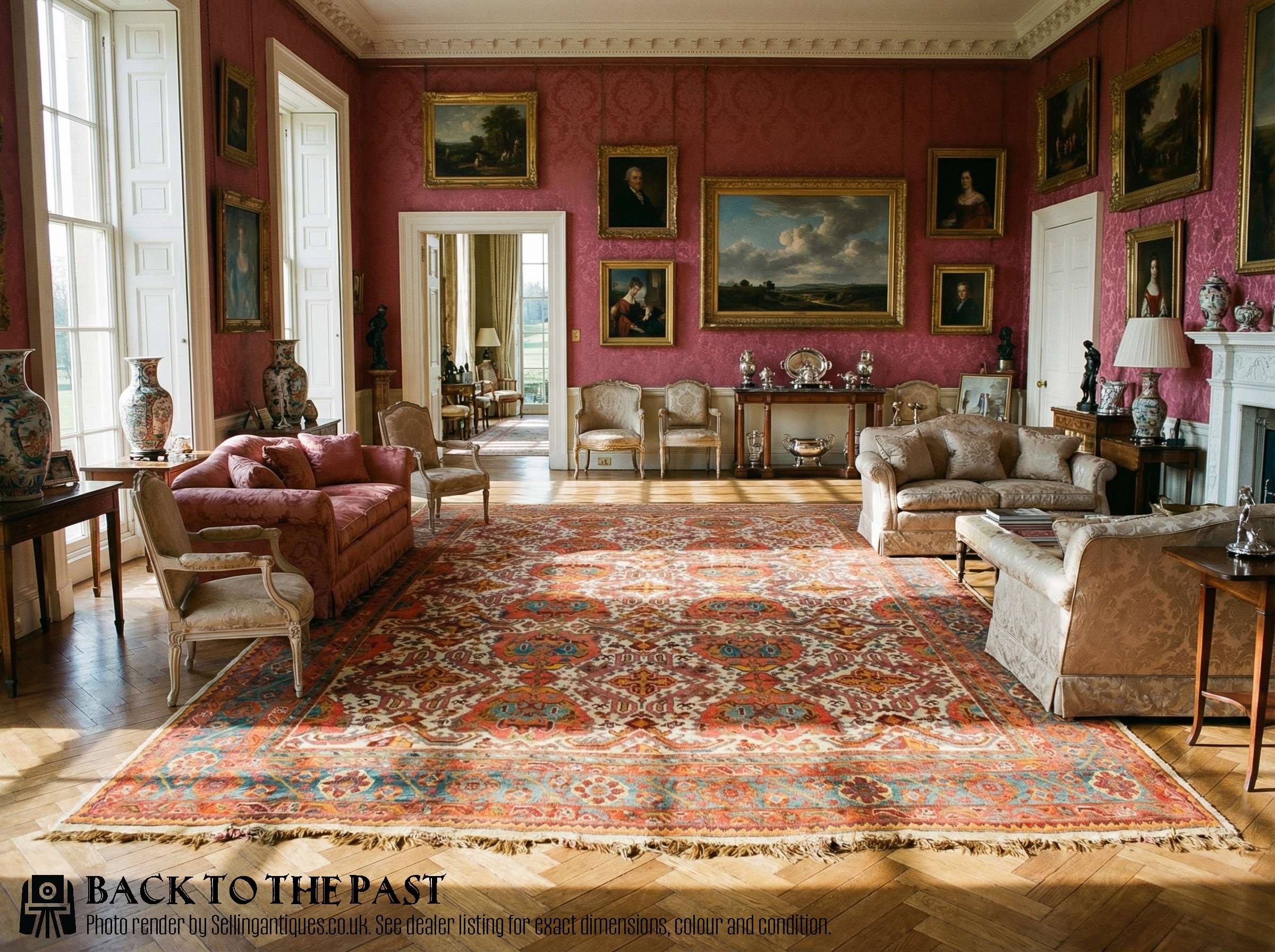
The Turkish Area Rug Glossary
- Kilim
- A flatwoven carpet or rug produced without a pile by tightly interweaving warp and weft strands. These pieces generally possess a flat, durable texture.
- Prayer rug
- A small textile featuring a mihrab or arch design indicating the direction of prayer. These formats were traditionally utilised for personal devotion.
- Oushak
- A prominent weaving centre known for producing large decorative carpets with distinctive soft colours and grand scale floral motifs. These pieces often anchor substantial reception rooms.
- Warp
- The vertical threads stretched tightly on the loom that form the structural skeleton of the rug. Fringe ends typically originate from these foundational threads.
- Weft
- The horizontal strands passed through the warp threads to secure the knots and bind the structure together. Proper tension ensures the geometric stability of the textile.
Turkish Area Rug: Frequently Asked Questions
How do I choose the right size for a room?
Consider the dimensions of your furniture arrangement to determine whether a runner, a square format, or a large carpet suits the floor space. Measure carefully to ensure borders remain visible around seating groups.
Larger formats anchor main living areas, while smaller accent rugs and prayer rugs define intimate zones or entryways.
Where were these rugs traditionally placed?
Weavers and owners utilised these textiles on floors, raised seating platforms, and walls within homes, mosques, and administrative buildings across Anatolia.
Runners lined hallways and corridors, while monumental carpets commanded the central floor space of reception chambers.
How do I care for an antique rug?
Protect the textile by vacuuming gently without a rotating brush bar and keeping the surface away from direct, harsh sunlight to preserve natural dyes.
Professional cleaning tailored to antique wool and silk ensures the fibres remain supple without compromising structural integrity.
How can I tell different regional styles apart?
Examine the specific colour palette, structural weave, and geometric or floral vocabulary characteristic of production centres such as Bergama, Kirsehir, or Ushak.
Regional differences often manifest in the border arrangements and the specific stylisation of central medallions or prayer arches.