




Red Oushak Carpet
These red oushak carpet pieces bring floor-filling warmth through time-tested Anatolian knotwork and soft wool piles.
Red Oushak Carpet
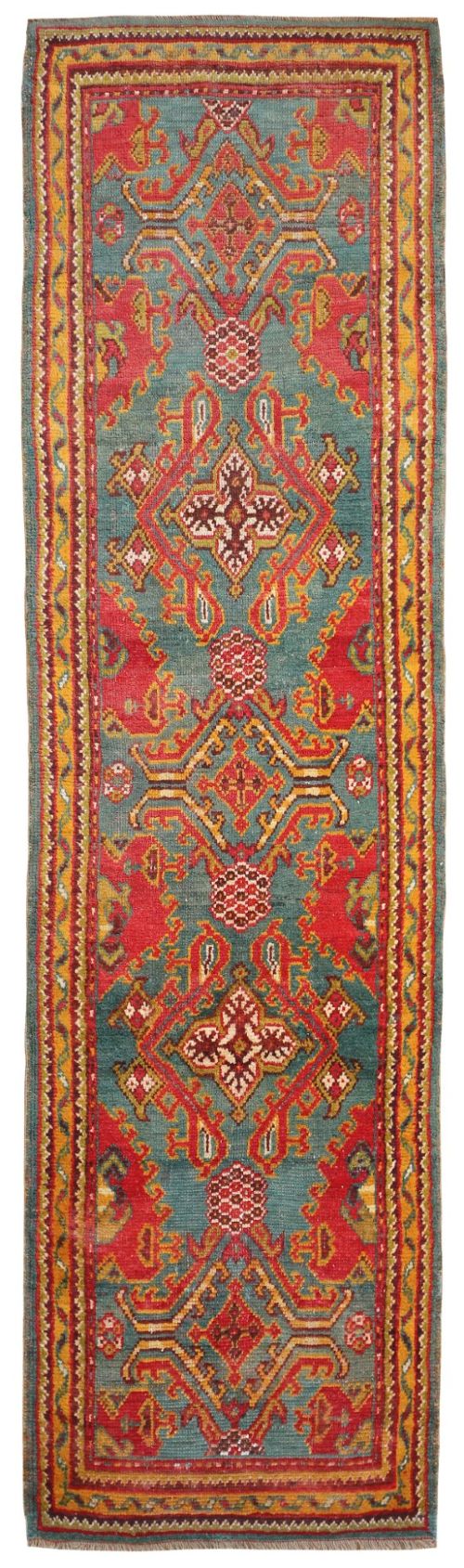
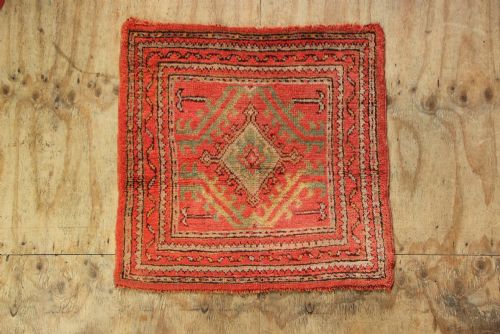
When you search for a red oushak carpet, you encounter large decorative rugs, runners, and square formats rooted in Turkish weaving traditions. The examples span periods from the Victorian era through the early decades of the twentieth century, styled in Ottoman and Anatolian designs.
You are most likely to meet sizeable carpets and runners displaying traditional star motifs and field patterns. These textiles originated in the weaving hub of Ushak, capturing the distinct aesthetic of Ottoman Turkish craftsmanship.
What varies in quality
Pile density and fibre selection distinguish individual examples, with finer angora wool yielding a softer handle compared to standard wool. The choice of material directly affects the tactile qualities of the surface and how the pile absorbs dye over generations of use.
Design execution and scale also set pieces apart, ranging from modest scatter rugs to enormous decorative carpets that required months of coordinated labour. The precision of the traditional motifs and the overall balance of the composition govern the visual strength of each textile.
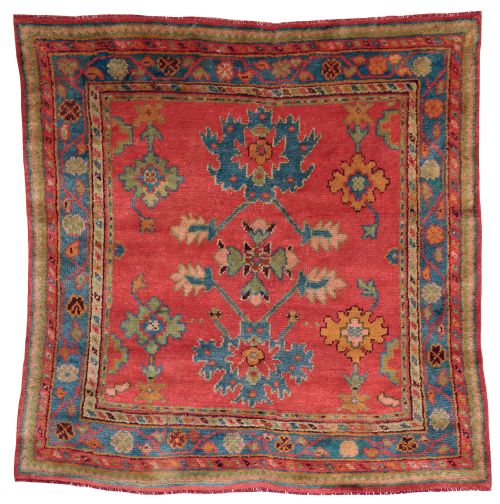
One historical Irish weaver even borrowed the distant Ottoman Oushak design to craft a square red and blue carpet.
The Red Oushak Carpet Glossary
- Oushak
- A traditional style of rug originating from the town of Ushak in western Turkey. These carpets are known for their larger scale patterns and softer colour palettes.
- Kilim
- A flatweave textile produced without a pile by tightly interweaving warp and weft strands. This technique creates a lightweight, reversible floor covering or hanging.
- Angora wool
- A soft fibre derived from angora goats or rabbits, utilised in specific carpets for added plushness. It gives the pile a distinct sheen and softer texture.
- Runner
- A long, narrow format of rug designed primarily for hallways, corridors, or staircases. These pieces accommodate linear spaces while displaying traditional field designs.
- Anatolian
- Pertaining to the geographic region of Asia Minor, encompassing historical Turkish weaving traditions. This term identifies the cultural origin of the motifs and production methods.
Red Oushak Carpet: Frequently Asked Questions
How do I clean an old carpet?
Surface dust should be gently removed using a smooth suction vacuum without a beating bar. Professional textile cleaners experienced in antique wool should handle deep washing.
Water exposure must be strictly monitored to prevent dye migration or fibre shrinkage. Regular rotation helps distribute foot traffic evenly across the pile.
Are these suitable for daily use?
These wool textiles withstand normal domestic foot traffic when placed over a quality underlay. The sturdy cotton foundations provide structural support for everyday living spaces.
Direct, prolonged sunlight causes natural dyes to fade gradually over time. Positioning the floor covering away from harsh windows preserves the depth of the red tones.
How do I date a piece?
Dating relies on stylistic markers, structural analysis, and material composition recorded in the weaving traditions. Victorian and early twentieth-century examples display specific design shifts in regional motifs.
Examining the knot density and the types of dyes used offers further clues to the period of manufacture. Comparing the construction methods to documented archives confirms the era.
What is an angora wool pile?
Angora wool incorporates softer animal fibres into the surface pile for a silkier touch. This variation creates a distinct sheen that catches ambient light differently than standard sheep wool.
Such examples often feel more malleable and present a plush texture underfoot. The specialised material signals a slightly different tier of production within the same weaving tradition.