


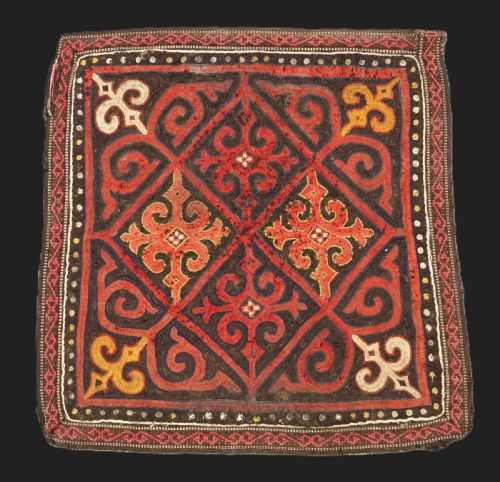
Tribal Tapestry Hanging
A tribal tapestry hanging brings centuries of nomadic heritage and vibrant textile artistry directly into a modern interior.
Tribal Tapestry Hanging
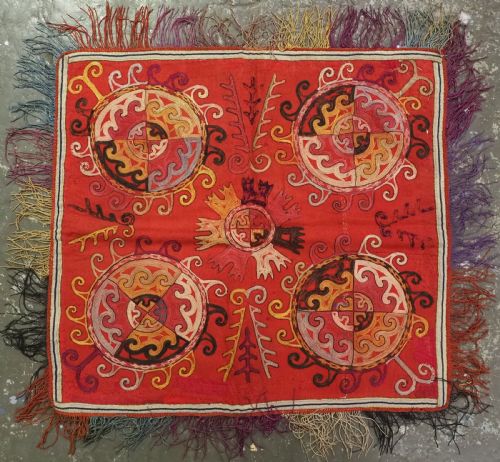
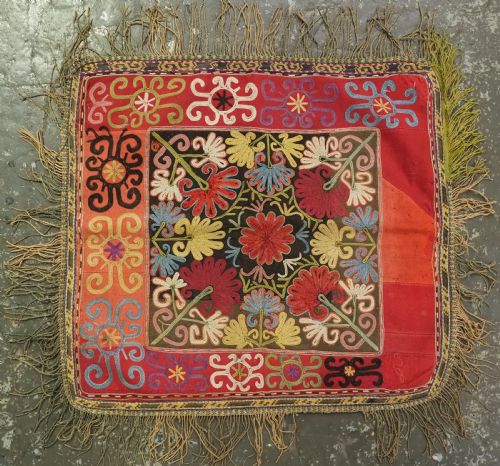
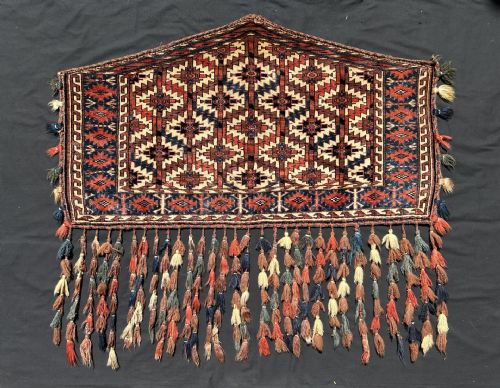
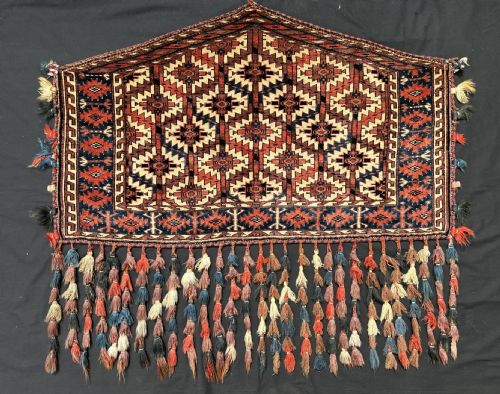
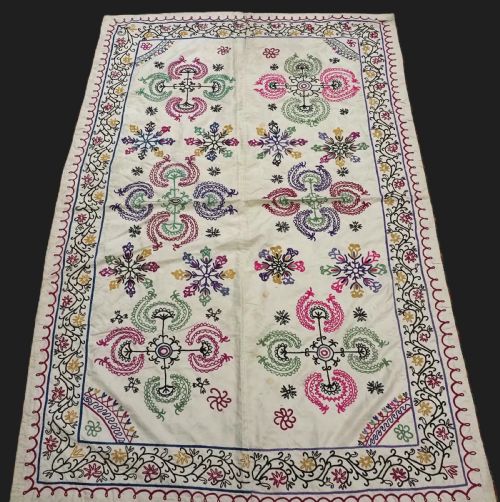
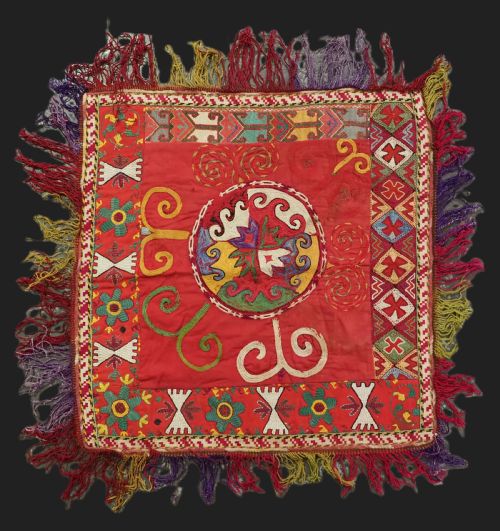
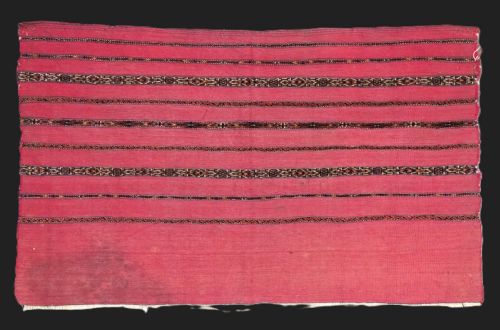
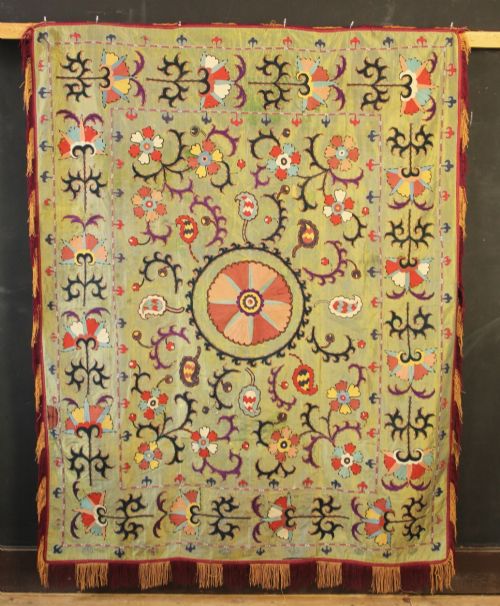
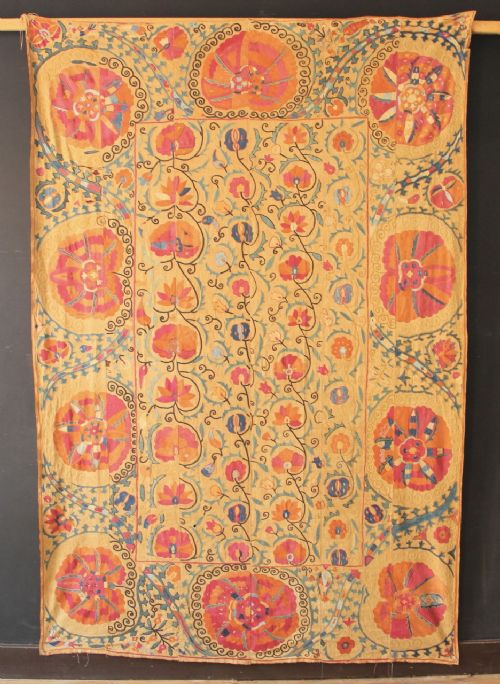
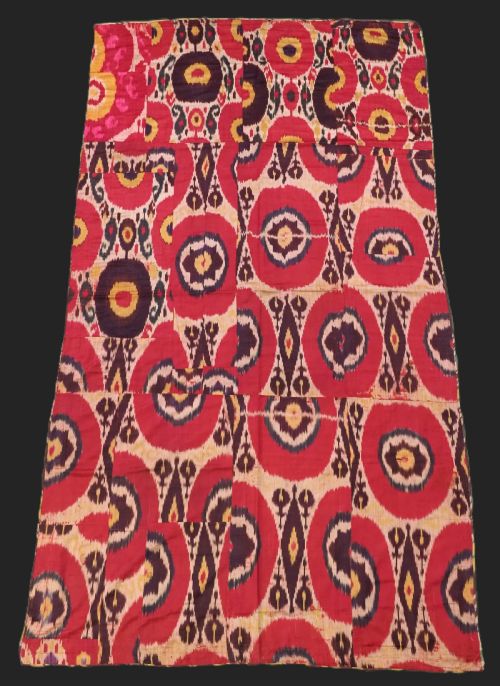
A tribal tapestry hanging encompasses textile pieces originating from Central Asian and Persian nomadic groups, including embroidered dowry items, saddle covers, and yurt furnishings. Buyers seeking these works will encounter diverse formats such as Uzbek ilgich panels, Turkmen asmalyks, and Kyrgyz tush kyiz wall hangings.
The pieces span the nineteenth and early twentieth centuries, reflecting traditional domestic and ceremonial crafts from regions like Uzbekistan, Turkmenistan, and Persia. Many items originally served practical or ritual functions within tribal communities before being repurposed for display.
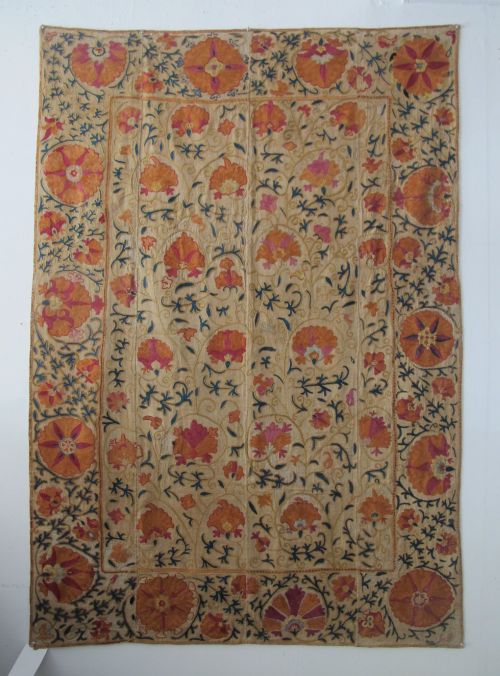
Surviving examples range from small silk embroidered suzanis to larger wall panels and tent bands. The selection focuses on authentic ethnographic textiles created by specific regional tribes.
Materials and Construction
Maker communities relied heavily on natural fibres, combining wool, cotton, and silk grounds with hand-spun yarns and natural dyes. Artisans embroidered intricate motifs onto foundation fabrics using specialised needlework techniques.
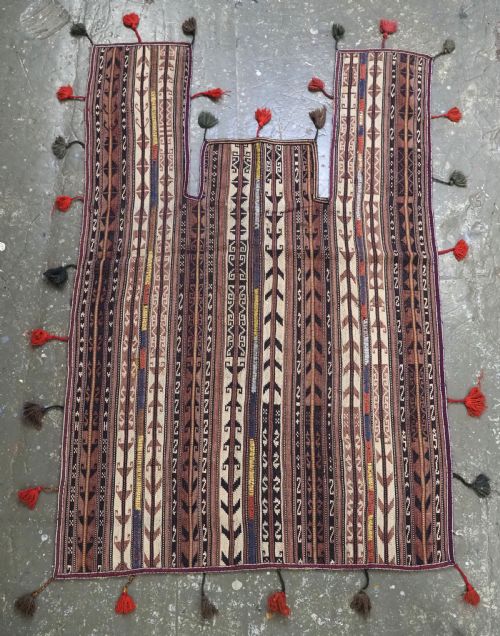
Certain objects incorporate felted wool or leather elements alongside woven flatweaves and pile structures. These combined materials provide the distinctive texture and structural rigidity observed in nomadic wall hangings.
Nomadic weavers occasionally included deliberate imperfections in their patterns to ward off the evil eye.
Evaluating Quality
Quality rests upon the density of the embroidery, the precision of the needlework, and the complexity of the design layout. Superior examples display masterful handling of colour and meticulous execution of traditional motifs.
The integrity of the base fabric and the vibrancy of the surviving natural dyes significantly influence the standing of a piece. Finer weaves and complete, well-preserved panels distinguish exceptional works from standard domestic examples.
The Tribal Tapestry Hanging Glossary
- Suzani
- An embroidered tribal textile originating from Uzbekistan, traditionally worked in silk on a cotton or silk ground. These panels often feature large floral and star medallions.
- Asmalyk
- A ceremonial camel trapping produced by Turkmen tribes, typically pentagonal in shape and displayed during wedding processions.
- Ilgich
- A specific type of embroidered wall hanging associated with the Lakai tribe of Uzbekistan, used within the nomadic dwelling.
- Chuval
- A large storage bag face made by Turkmen weavers, characterised by rows of guls and geometric border designs.
Tribal Tapestry Hanging: Frequently Asked Questions
How do I hang a textile safely?
Mounting heavy woollen or silk textiles requires distributing the weight evenly across the entire upper edge. Utilising a sleeve sewn with a non-damaging fabric or a padded Velcro system prevents undue stress on fragile fibres.
Direct sunlight should be avoided to protect natural dyes from fading over time.
How do I distinguish regional styles?
Uzbek pieces frequently showcase dense silk floral embroidery on cotton grounds, particularly seen in suzanis and ilgich panels. Turkmen works often rely on geometric guls and deep red wool palettes found in asmalyks and chuvals.
Persian tribal weaving tends to emphasise utility and flatweave structures such as sofres and saddlebags.
What periods do these pieces date from?
The available inventory spans the nineteenth and early twentieth centuries, capturing a period of traditional nomadic craft production before industrial modernisation altered local practices. Pieces from the eighteen-fifties through the nineteen-twenties represent the core eras.
Exact dating is typically attributed by stylistic analysis and material examination.