




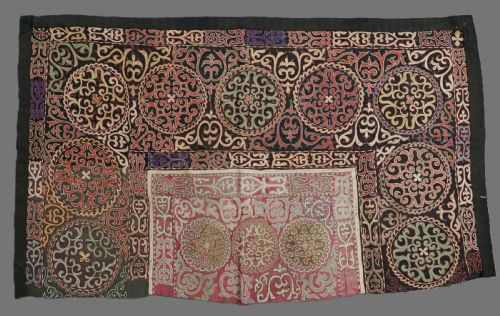

Tribal Embroidered Suzani Panel
A tribal embroidered suzani panel brings rich Central Asian needlework into a modern interior as a striking textile wall hanging.
Tribal Embroidered Suzani Panel
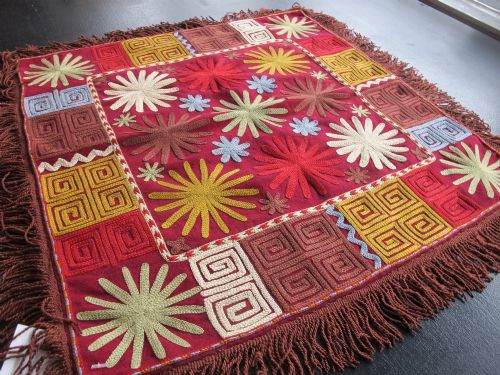
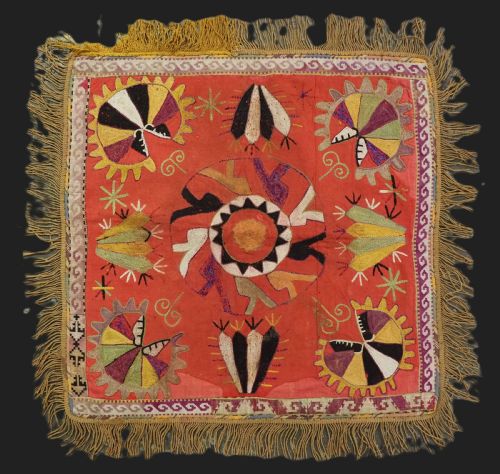
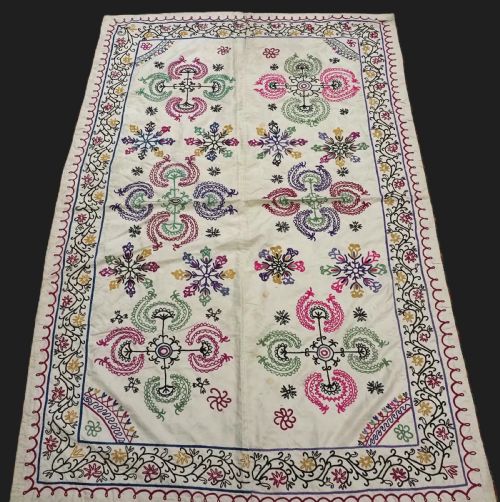
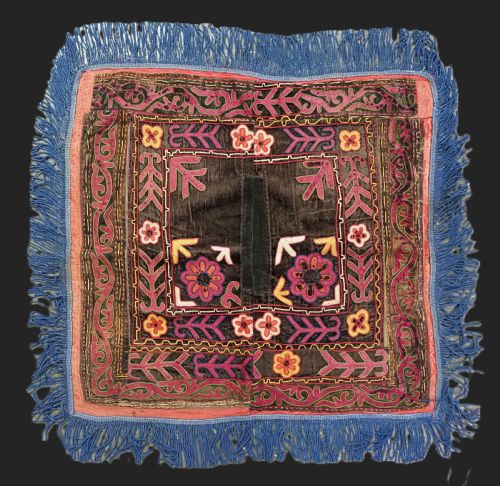
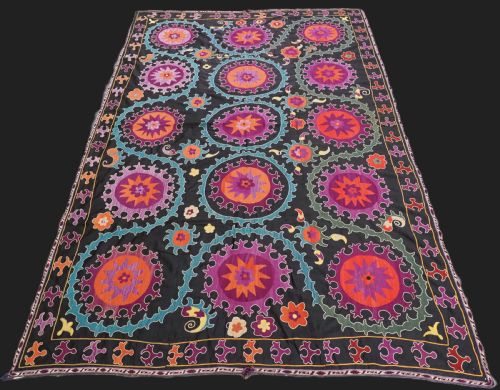
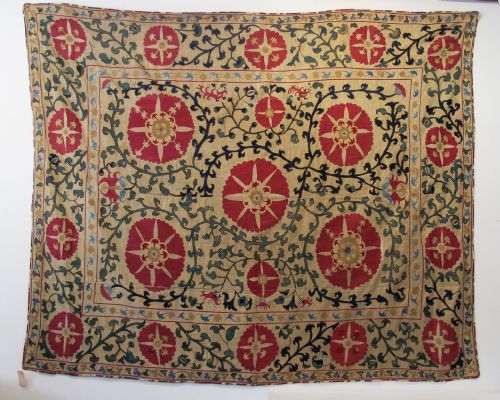
When you search for a tribal embroidered suzani panel, you encounter textiles created across Central Asia, predominantly by Uzbek, Lakai, Tajik, and Kyrgyz makers from the mid-nineteenth century to the early twentieth century. These pieces encompass wall hangings, small mirror covers, dowry embroideries, and ceremonial horse covers designed for nomadic and traditional domestic spaces.
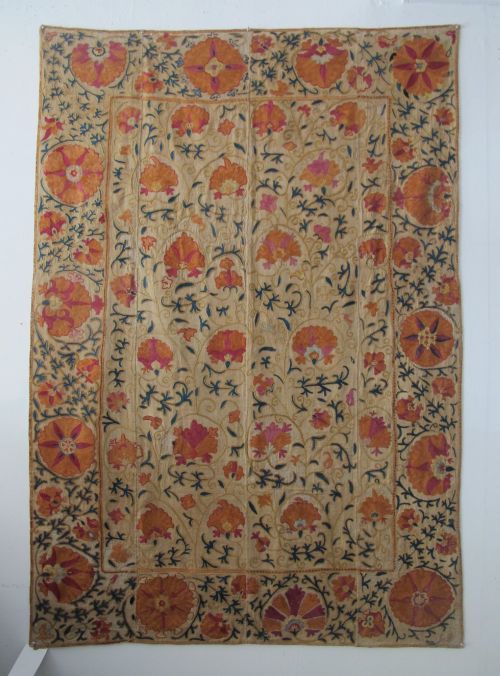
The most common examples on this page are antique Uzbek suzanis and Lakai ilgich pieces worked in silk thread upon cotton, wool, or silk grounds. They range from compact nim suzanis and amulet bags to large wall hangings featuring traditional regional motifs.
How They Were Made
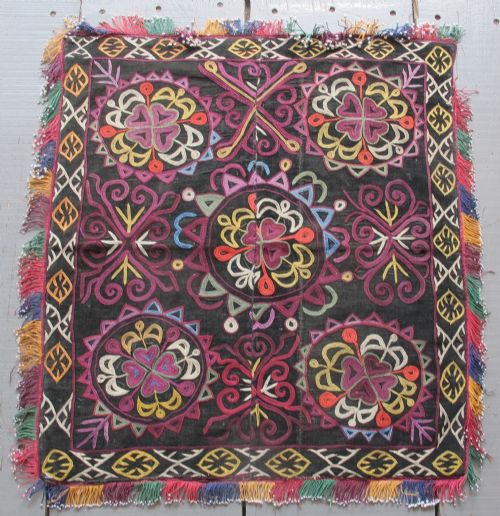
Artisans executed these textiles primarily using vibrant silk embroidery threads stitched onto woven foundations of cotton, wool, or silk. Grounds vary from green, black, and red cotton to mogul red wool, occasionally incorporating glass beads.
Stitching techniques formed dense, decorative surfaces with regional patterns particular to workshops in Tashkent, Samarkand, Shakrisabz, and Bukhara. Needleworkers mapped out geometric or floral compositions that filled the textile ground through sustained hand embroidery.
Tribal Embroidered Suzani Panel Retail Price Guide 2026
Typical asking prices for tribal embroidered suzani panel among the pieces listed under this phrase on Sellingantiques today, from the lower quarter to the upper quarter. They describe what is for sale here now, not the wider market.
Some tribal makers stitched small amulet bags intended to ward off misfortune, hiding miniature protective works of art inside the nomadic camp.
What Varies in Quality
Quality rests upon the density of the silk embroidery and the complexity of the design layout, such as fully embroidered palak suzanis featuring central stars. Finer examples display meticulous needlework and harmonious colour palettes across the entire textile ground.
The choice of foundation material and the preservation of early organic dyes also influence distinction within the range. Pieces retaining vibrant, saturated silk threads and intact borders command greater visual presence.
The Tribal Embroidered Suzani Panel Glossary
- Suzani
- An embroidered tribal textile originating from Central Asia, traditionally created as part of a bride's dowry. These pieces were utilised as wall hangings, bed covers, or domestic furnishings.
- Ilgich
- A specific form of Central Asian embroidery, frequently associated with the Lakai tribe, used for dowry items and wall decoration. They often display bold geometric motifs.
- Nim Suzani
- A smaller scale or half-size suzani panel, practical for compact interior spaces. These smaller textiles share the same silk embroidery techniques as full-sized examples.
- Palak
- A fully embroidered suzani type dominated by large medallion or central star designs. The embroidery covers almost the entire ground fabric.
- Torba
- A traditional hanging bag or storage sack produced by nomadic groups. These items combined practical utility with intricate tribal needlework.
Tribal Embroidered Suzani Panel: Frequently Asked Questions
How were suzani panels used originally?
These textiles served primarily as domestic furnishings, wall hangings, and ceremonial items within Central Asian households and nomad yurts. Many were created as dowry pieces by brides and their families.
They also functioned as mirror covers, horse saddle covers, and storage bags, blending daily utility with protective symbolic embroidery.
Where do these embroidered panels come from?
The pieces originate across Central Asia, including regions within modern Uzbekistan and Kyrgyzstan. Specific towns and groups such as Samarkand, Bukhara, Tashkent, Shakrisabz, and the Lakai tribe developed distinct regional styles.
Nomadic and sedentary communities each contributed unique motifs, colour combinations, and textile structures to the tradition.
How do I hang a textile panel safely?
Mounting a textile requires distributing the weight evenly across the entire upper edge to prevent distortion of the fabric and stitches. Professional framing behind conservation glass or utilising a lined sleeve with a hidden support rod is standard practice.
Avoid direct display in bright sunlight to protect the natural silk threads and dyed grounds from fading over time.
How can I tell the regional styles apart?
Regional attribution relies on observing the specific embroidery stitches, motifs, and foundation fabrics used in each piece. Tashkent palak panels often feature dense, all-over star designs, whereas Lakai ilgich pieces display bold, geometric tribal shapes.
Colour choices, such as mogul red wool grounds or black cotton backgrounds, also point towards particular workshops and maker communities.