








Vintage Oriental Embroidery Panel
These vintage oriental embroidery panel examples bring rich textiles into interiors through centuries of needlework traditions.
Vintage Oriental Embroidery Panel
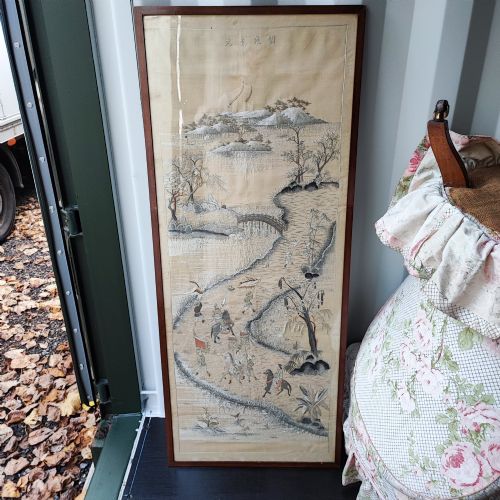
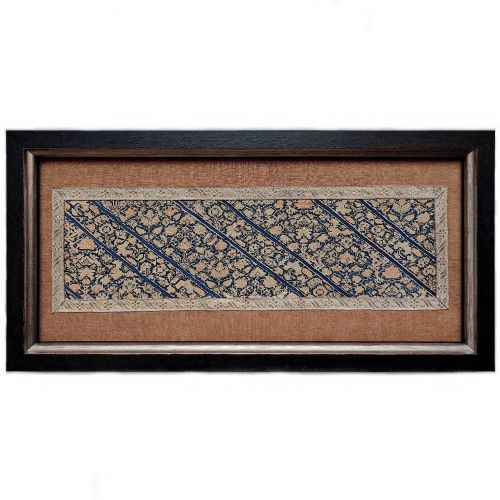
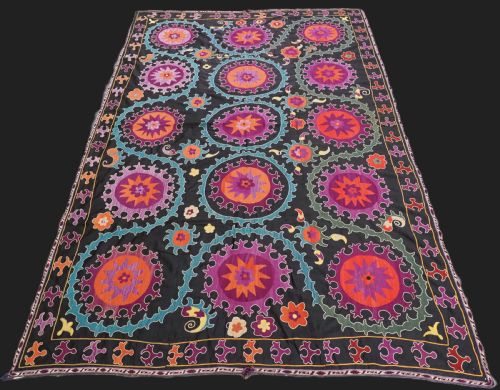
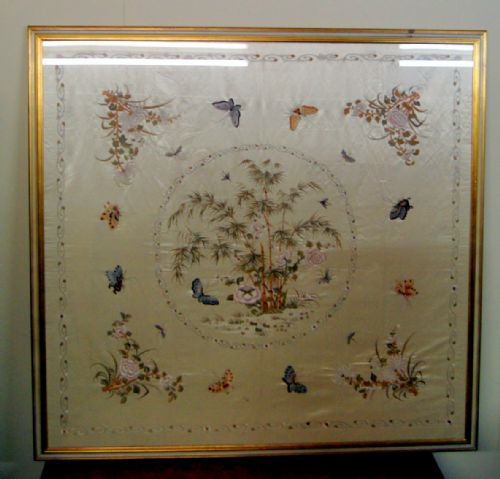
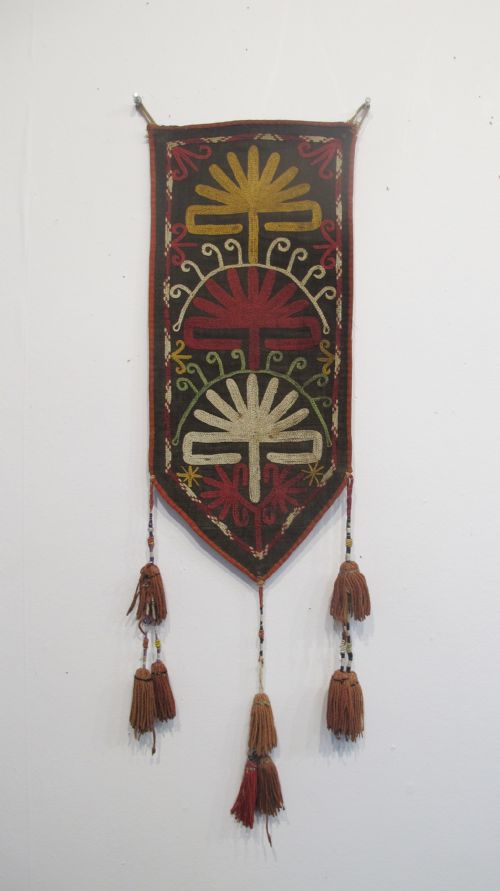
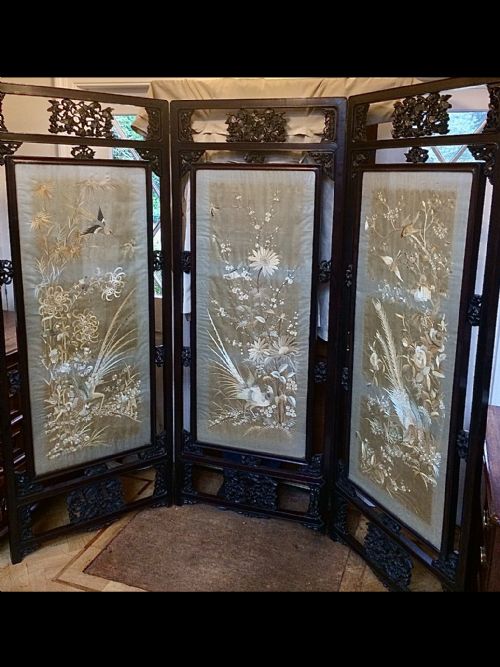
A vintage oriental embroidery panel spans diverse textile traditions from Central Asia, China, Japan, and the Ottoman Empire. Buyers encounter framed wall art, folding screens, table screens, and hanging textiles that range from small amulets to large wall hangings.
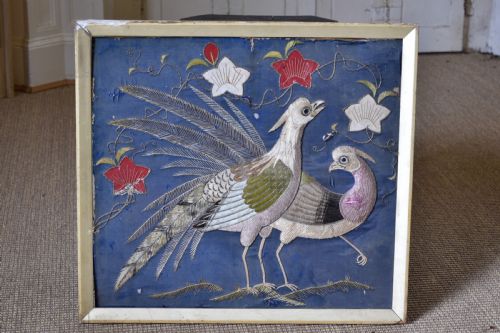
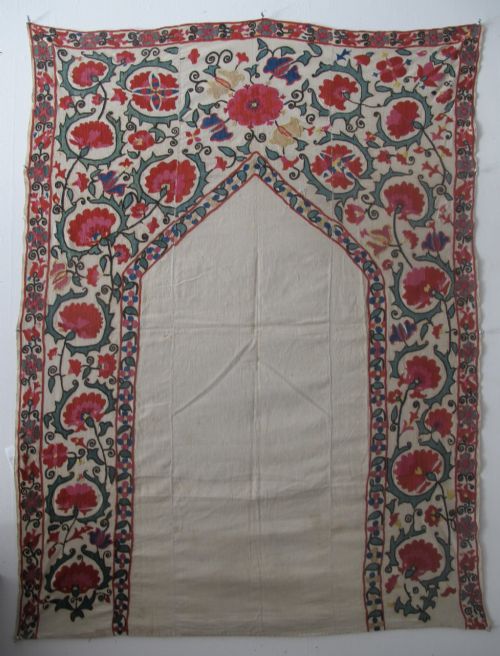
Suzani panels from Uzbekistan dominate the selection alongside Persian Rasht applique works, Chinese silk panels featuring birds, and Japanese textile screens. These pieces originate from periods spanning the eighteenth century through to the early twentieth century.
How they were made
Maker execution relies primarily on silk thread worked onto cotton, wool, or felt grounds, often enhanced with metallic thread. Applique work and intricate needlework build up the dense pictorial and geometric surfaces seen across these regional traditions.
Structural elements accompany the textiles in many forms, utilising carved wood for folding screens and table screen stands. Glass frequently protects framed textile items, preserving the delicate embroidery within wall art formats.
Vintage Oriental Embroidery Panel Retail Price Guide 2026
Typical asking prices for vintage oriental embroidery panel among the pieces listed under this phrase on Sellingantiques today, from the lower quarter to the upper quarter. They describe what is for sale here now, not the wider market.
Listings feature silk, cotton, felt, wool, glass, wood, and metallic thread across pieces dating from the eighteenth century to the early twentieth century.
What varies in quality
The density and precision of the needlework dictate the refinement of each panel, with fine classic designs showing superior execution in the silk threads. Material selection also defines the tier, particularly where felt applique or metallic thread adds complexity to the ground.
Preservation of the original ground fabric and the vibrancy of the threads distinguish superior examples. Complete formats, such as large suzanis or multi-fold screens, represent higher levels of ambition in original construction.
The Vintage Oriental Embroidery Panel Glossary
- Suzani
- A traditional embroidered tribal textile from Uzbekistan, typically featuring bold floral or geometric motifs worked in silk on a cotton ground. These large hangings were often created as part of a bride's dowry.
- Rasht embroidery
- A distinctive style of Persian textile art characterised by intricate inlaid felt and silk applique work. Artisans cut and stitch coloured pieces of fabric together to form elaborate scrolling patterns.
- Chinoiserie
- A European stylistic interpretation of Chinese and East Asian artistic traditions. This aesthetic influenced the design and presentation of various decorative panels and screens.
- Meiji
- A period in Japanese history spanning from 1868 to 1912. Textile works from this era often demonstrate exceptional pictorial detail in silk needlework.
- Applique
- A needlework technique where smaller pieces of fabric are sewn onto a larger ground fabric to build up a design. In these textiles, felt is frequently applied in this manner.
Vintage Oriental Embroidery Panel: Frequently Asked Questions
How do I hang a suzani?
Large textile panels require even weight distribution across the upper edge to prevent distortion of the fabric and threads. Mounting specialists often use a fabric sleeve stitched to the reverse to slide a slim wooden rod through for wall hanging.
Alternatively, some collectors choose custom framing behind glass, particularly for fragile fragments or smaller amulet pieces that benefit from rigid structural support.
Are these panels antique?
The pieces originate from periods spanning from the eighteenth century up to the early twentieth century. Dating relies on stylistic analysis, material composition, and traditional regional motifs characteristic of specific eras.
Earlier examples from the eighteenth and nineteenth centuries show distinct regional palettes and stitching methods that separate them from later twentieth-century interpretations.
What is a folding screen?
A folding screen consists of multiple interconnected panels designed to stand upright and divide interior spaces or decorate a room. Textile versions incorporate embroidered silk panels into wooden frameworks for both visual and functional use.
Table screens operate on a smaller scale, featuring carved wooden stands that support a single framed panel for display on furniture.