


Tribal Dowry Rug
A tribal dowry rug carries the heritage of nomadic weavers, bringing rich wool texture and intricate cultural patterns into a modern interior.
Tribal Dowry Rug
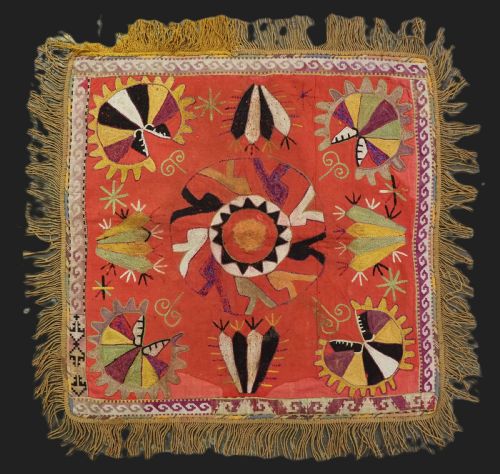
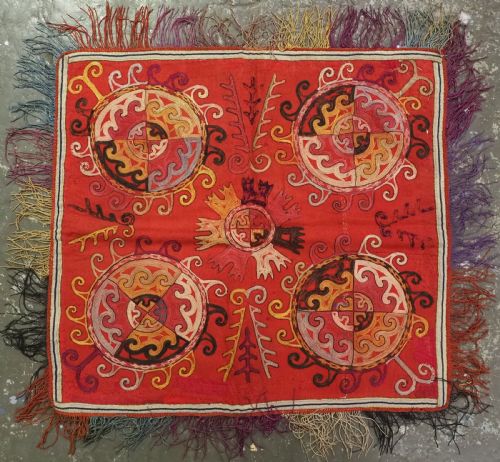
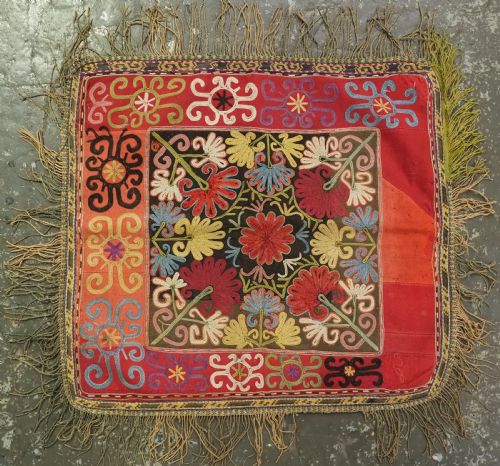
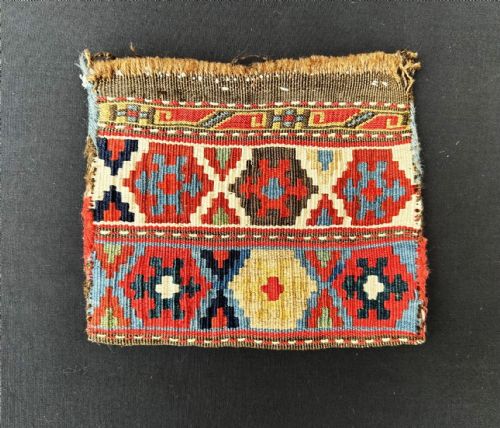
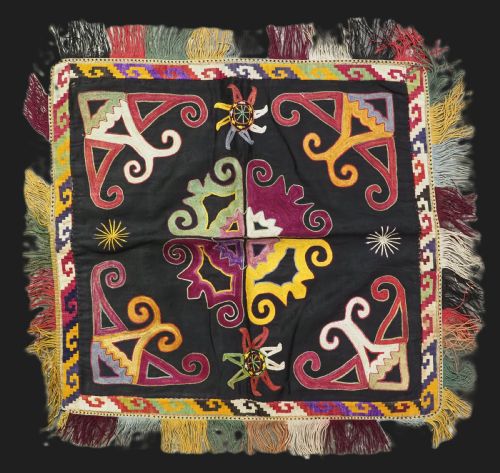
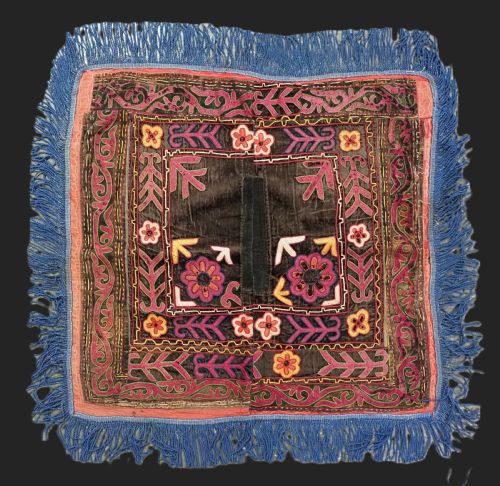
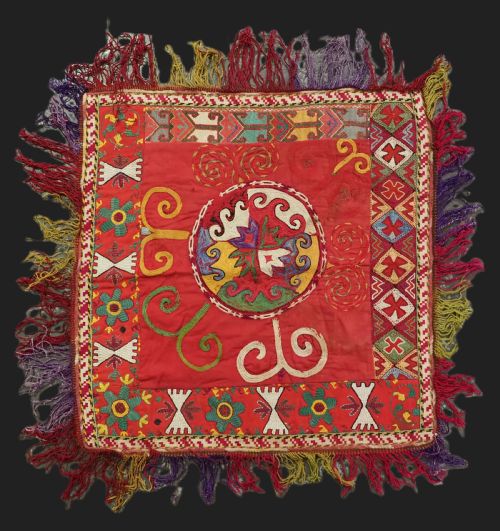
A tribal dowry rug is a textile created by nomadic and village makers in Central Asia during the nineteenth century, including pieces produced around 1870, 1880, 1890, and 1900. Buyers searching for a tribal dowry rug encounter specialised forms such as Uzbek Lakai Tribe ilgich embroideries, Shahsevan nomad vanity-bags, Tekke or Saryk Turkmen torbas, and Karakalpak dowry textiles. These objects function as wall hangings, small rugs, and wedding dowry pieces displaying traditional tribal gul designs.
The dominant examples on this page are Tekke Turkmen dowry rugs and Uzbek Lakai ilgich embroideries dating from the late nineteenth century. These items represent domestic textile traditions linked to marriage and household formation among Central Asian groups. Each piece reflects regional motifs and structural patterns handed down through generations of tribal makers.
Materials and construction
Makers constructed these textiles primarily using wool, cotton, and silk, sometimes incorporating velvet to achieve texture and contrast. Weavers utilised soft wool for pile carpets and fine cotton or silk for foundational structures and surface embroidery. Natural dyestuffs produced the deep colour palettes seen across nineteenth-century Central Asian weaving.
Techniques range from fine pile knotting in Turkmen torbas and rugs to dense embroidery work in Uzbek ilgich wall hangings. Artisans executed geometric and ovoid gul designs with tight structural precision. The interplay of silk highlights against wool backgrounds demonstrates advanced technical skill among nomadic craftspeople.
Listings feature four distinct materials: wool, silk, cotton, and velvet.
Distinctions in quality
Quality in a tribal dowry rug rests on the density of the weave, the crispness of the tribal gul or embroidery design, and the handled softness of the wool. Finer knot counts and precise geometric execution separate standard utilitarian items from exceptional dowry pieces.
The vibrancy of the original colour palette and the preservation of silk highlights determine visual impact. Pieces demonstrating superior dye saturation and meticulous structural balance represent the upper tier of nineteenth-century Central Asian craftsmanship.
The Tribal Dowry Rug Glossary
- Gul
- A primary medallion or octagonal motif repeated across Turkmen and Central Asian carpets. This traditional design element identifies specific tribal groups.
- Ilgich
- A decorative embroidery produced by the Uzbek Lakai tribe, traditionally created as part of a bride's dowry and utilised for wall hanging.
- Torba
- A small bag or hanging piece woven by Turkmen nomads, often featuring fine weave structure and utilised within the tent interior.
- Shahsevan
- A nomadic confederation originating from the Moghan region of Azerbaijan, known for distinctive tribal bags and woven textiles.
- Tekke
- A major Turkmen tribe renowned for producing wedding dowry rugs and torbas with symmetrical gul patterns and fine wool construction.
Tribal Dowry Rug: Frequently Asked Questions
How were tribal dowry rugs used?
Nomadic families created these textiles as essential components of a bride's dowry for household decoration and ceremonial use. They functioned as floor coverings, tent bags, or wall hangings.
Over time, these pieces became central elements of domestic life, marking marriage alliances and displaying family status within the tribe.
What materials make up these textiles?
Weavers relied primarily on locally sourced wool, cotton, and silk for pile, foundation, and decorative highlights. Velvet occasionally appears in specific embroidery traditions.
Natural dyes provided the rich colour palette characteristic of nineteenth-century Central Asian nomadic weaving.
How do I date a tribal dowry rug?
Dating relies on stylistic analysis of the gul motifs, structural weave density, and material characteristics typical of the nineteenth century. Pieces on this page span from 1870 through 1900.
Natural colour variation and traditional tribal attributions help place these textiles within specific decades of production.
How do I display a wall hanging?
Textiles designated as wall hangings or ilgich embroideries require careful mounting to support their weight evenly across the fabric. Professional conservation framing or non-invasive sleeve mounting protects the wool and silk fibres.
Keeping these pieces away from direct sunlight preserves the natural dyes and prevents textile degradation.