




Fine Weave Tribal Rug
When you search for a fine weave tribal rug, you encounter hand-knotted and flat-woven carpets produced by nomadic and village makers.
Fine Weave Tribal Rug
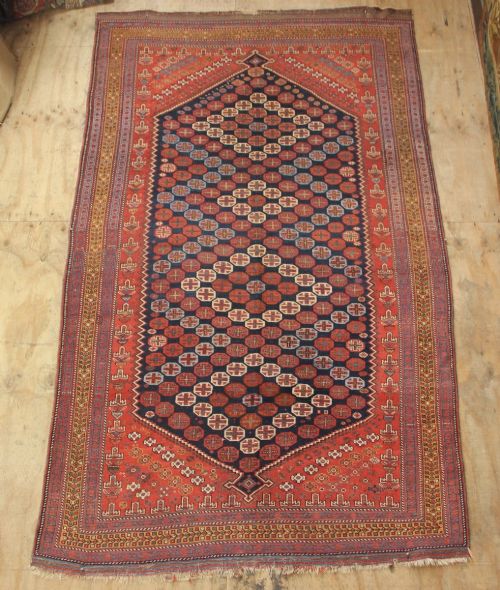
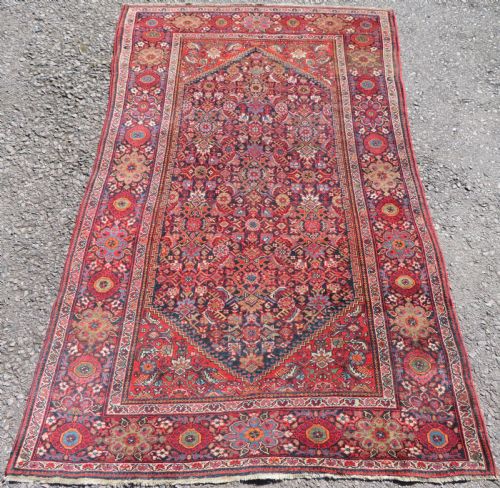
A fine weave tribal rug comprises carpets, mats, bags, and flat-weaves originating from regions such as the Caucasus, Persia, and Central Asia. These items stem from nomadic or village traditions, produced for domestic use, dowries, or personal utility rather than commercial export.
The selections encountered here span the nineteenth and early twentieth centuries, capturing periods from eighteen-fifty to nineteen-twenty. They include specific tribal groups such as the Tekke, Saryk, Yomut, Afshar, Qashqai, and Uzbek makers.
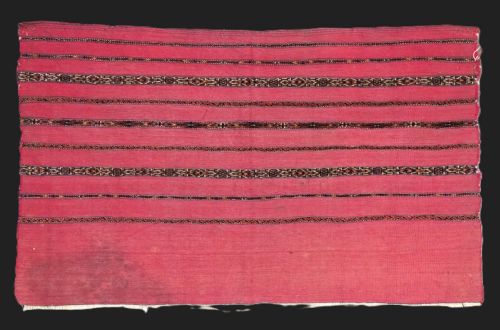
Forms vary significantly, encompassing large carpets, prayer rugs, saddlebag faces, torba panels, chuval faces, and banded kilims. Each type reflects distinct regional motifs, structural densities, and cultural purposes tied to nomadic life.
How they were made
The construction relies fundamentally on wool foundations and pile, occasionally supported by cotton warps and wefts in specific regional traditions. Natural dyes provide the palette, yielding stable, complex tones that develop depth over decades of exposure and use.
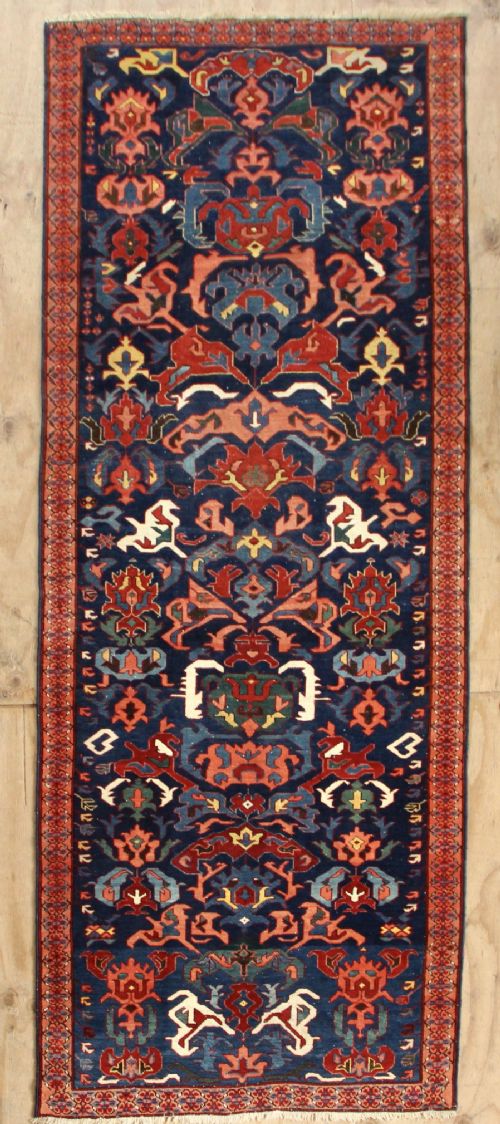
Weavers utilised knotting techniques and flat-weave structures executed with high knot densities to achieve precision in intricate geometric and floral patterns. The tightness of the weave dictated both the durability of the textile and the intricacy of motifs like guls, boteh birds, and curled leaf designs.
Nomadic weavers frequently embedded small personal touches into dowry bags, ensuring no two geometric storage faces are entirely identical.
What varies in quality
Quality diverges according to the precision of the knotting or weaving and the complexity of the design layout. Pieces with exceptionally high density and well-resolved motifs demonstrate superior technical mastery by the weaver.
The purity and preservation of natural dyes heavily influence the visual standing of each piece. Tones that retain richness and harmony without muddying indicate careful dye preparation and high-grade wool selection.
The Fine Weave Tribal Rug Glossary
- Torba
- A small tent-bag used by Turkmen nomads for storage, often featuring highly detailed gul patterns and serving as dowry weaving.
- Chuval
- A large tent-face storage bag produced by Turkmen tribes, characterised by rows of primary guls and precise border arrangements.
- Kilim
- A flat-woven carpet or textile produced without a pile, often featuring banded or geometric designs created by interlocking wefts.
- Gul
- A medallion or repeating primary motif found frequently in Turkmen and Central Asian carpet designs.
- Boteh
- A stylised almond or paisley motif representing a floral or cypress shoot, common in Persian village and tribal weaving.
Fine Weave Tribal Rug: Frequently Asked Questions
How do I identify a tribal rug?
Tribal rugs typically display geometric or stylised motifs rooted in nomadic traditions rather than court designs. They are identified by regional structures, wool characteristics, and traditional tribal palettes.
Makers incorporated symbols specific to their group, such as guls for Turkmen weavers or boteh motifs in Persian pieces. Examining the back of the textile reveals the knotting style and foundation materials.
Where were these rugs made?
These textiles originate from nomadic and village communities across the Caucasus, Persia, and Central Asia. Specific groups like the Qashqai, Afshar, and Tekke Turkmen worked within distinct geographical zones.
Each region developed proprietary dyeing techniques, wool preparation methods, and design repertoires passed down through generations. Geography directly influenced the materials available to the weaver.
How should I care for antique rugs?
Protect antique rugs by placing them in areas with moderate foot traffic and avoiding direct, prolonged sunlight. Regular gentle vacuuming without a beater bar prevents dust accumulation in the wool pile.
Rotate the textile periodically to ensure even wear across the surface. Professional cleaning tailored for antique wool textiles preserves the natural dyes and structural integrity.
What is a dowry weaving?
Dowry weaving refers to specialised pieces created by a bride or her family as part of her marriage possessions. These items often received the finest wool, highest knot density, and most meticulous design work.
Examples include small rugs, torba faces, and chuval panels intended to demonstrate the technical skill of the maker. They carry significant cultural value within nomadic communities.