
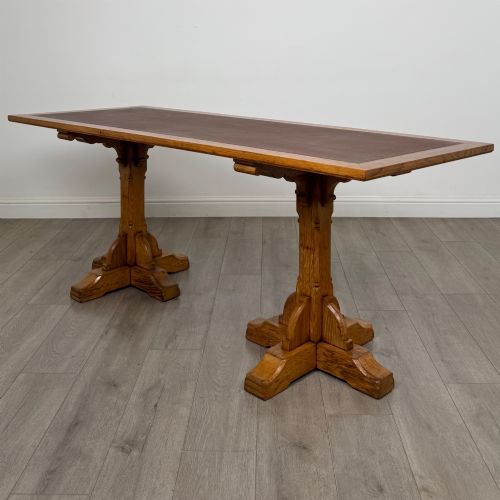
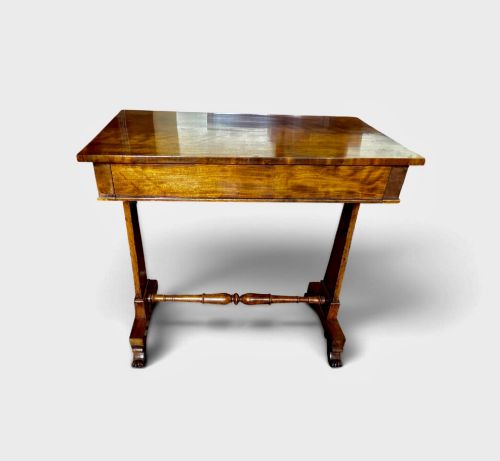
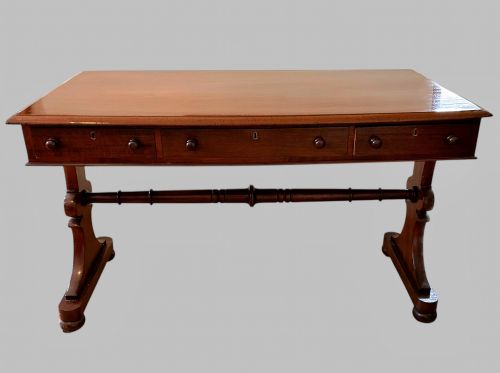
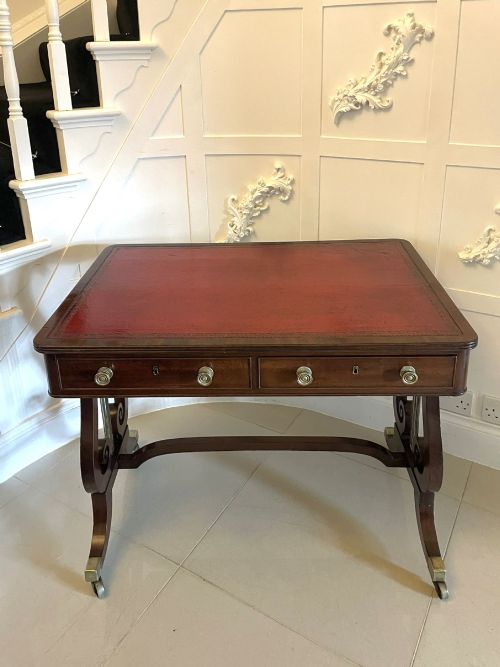
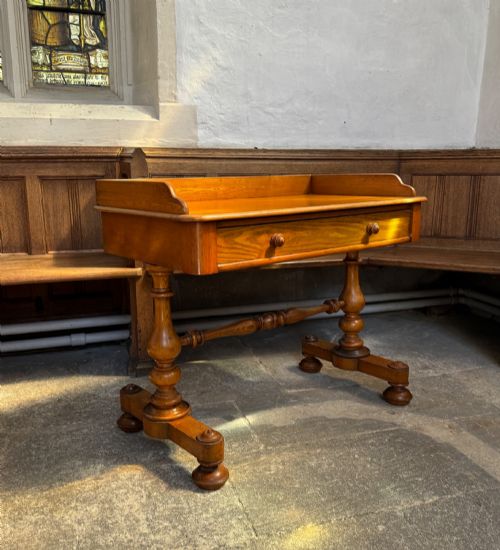
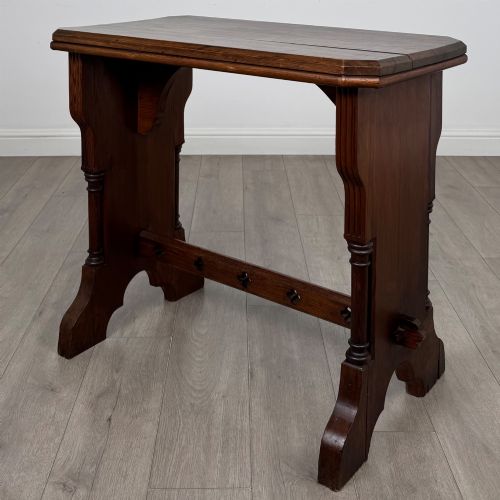
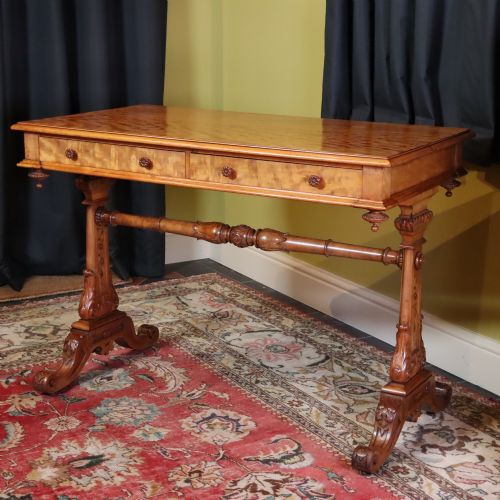
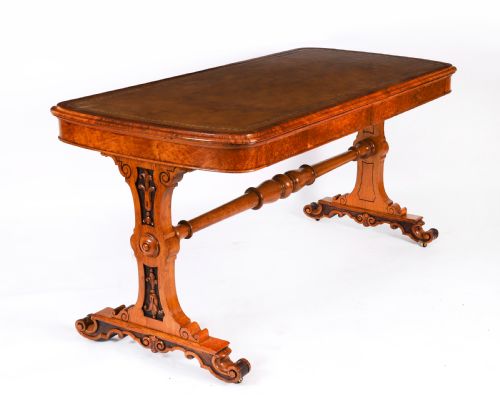
Trestle Writing Desk
A trestle writing desk brings architectural strength and a generous work surface to a room, offering the refined proportions found in period library and writing tables.
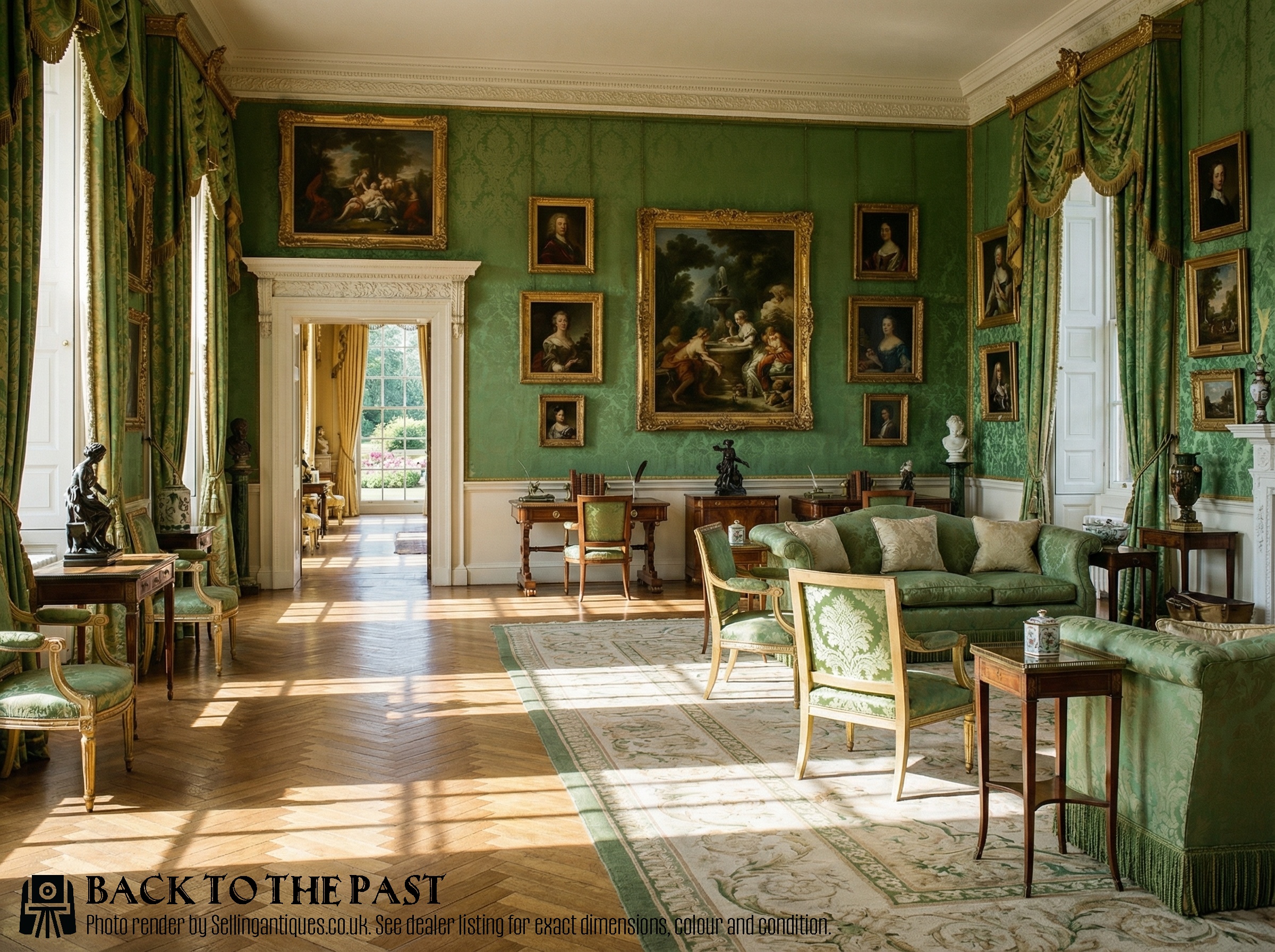
Trestle Writing Desk
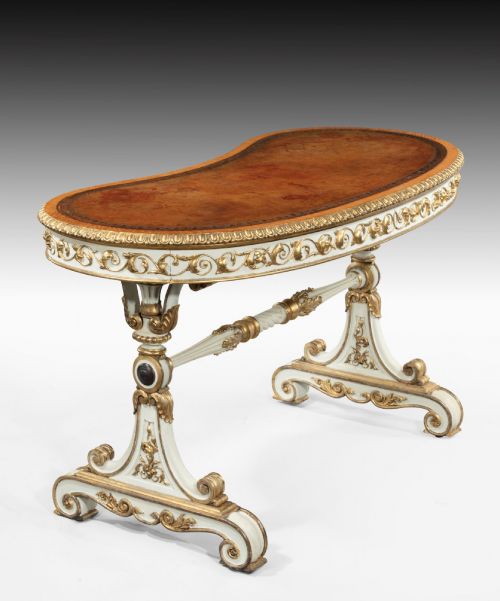
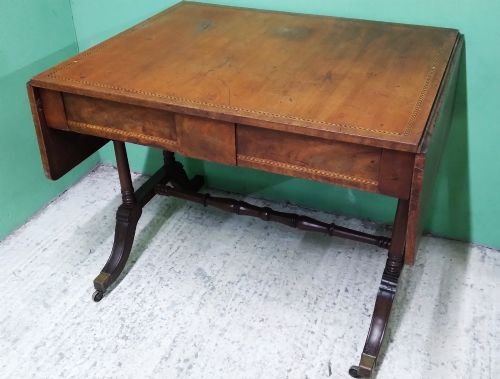
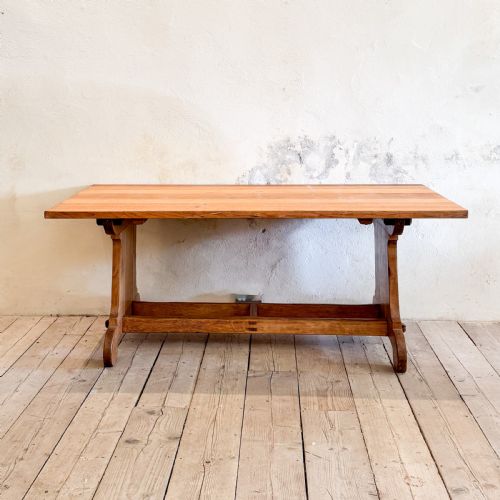
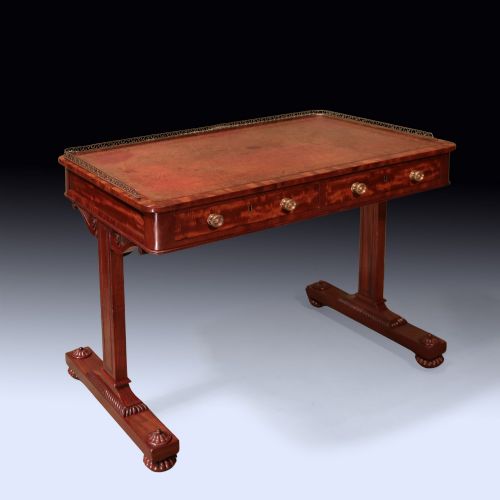
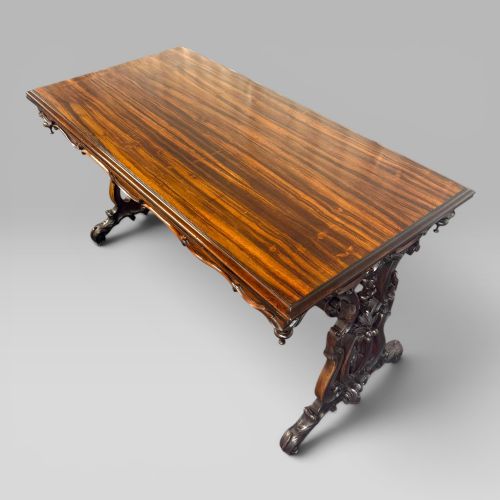
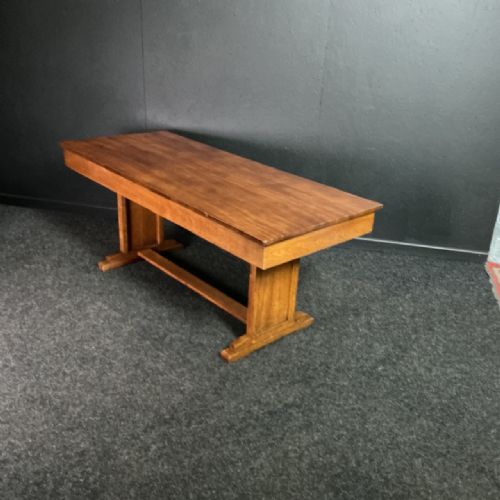
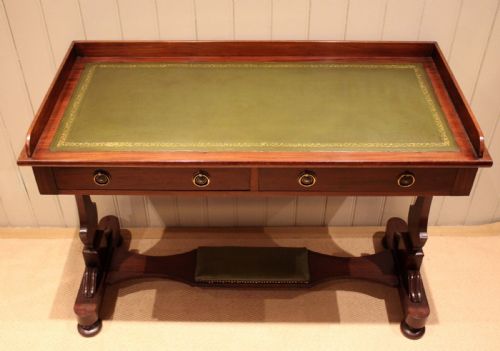
When searching for a trestle writing desk, you encounter various forms adapted for study and library use, including writing tables, library tables, and centre tables originating from the eighteenth to the twentieth centuries. The pieces on this page span Georgian, Regency, William IV, and Victorian periods, showcasing traditional forms designed for practical work.
The materials reflect the tastes of these periods, utilising robust hardwoods like mahogany, oak, rosewood, walnut, and pitch pine, often enhanced with brass mounts, leather inserts, and marquetry details.
While specific trestle bases appear in makers such as Heal's, the broader selection includes freestanding writing tables and library tables that share the stable, open-leg architecture valued by writers and scholars.
Materials and Construction Techniques
Cabinetmakers relied on dense timbers such as mahogany, rosewood, oak, and walnut, often selecting figured veneers like flame mahogany, pollard oak, and burr walnut for primary surfaces. These woods provided both structural integrity and a rich ground for polished finishes.
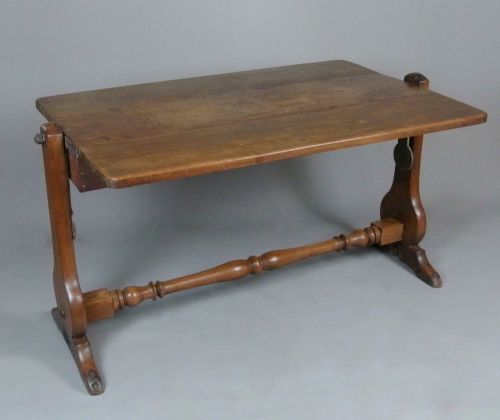
Construction methods involved stable joinery suited to heavy daily use, incorporating inset leather writing surfaces, brass mounts, and carved details such as giltwood highlights or turned uprights supporting the writing surface.
Judging Quality in Period Writing Tables
Quality rests on the selection of timber and the fidelity of the proportions, where figured veneers and solid secondary woods indicate a higher standard of workshop production. Finer examples maintain crispness in carved details and secure brass fittings that integrate seamlessly into the overall design.
The integrity of the construction dictates the longevity of the piece, distinguishing standard utility tables from workshop creations designed to stand freely in the centre of a room with finished panels on all sides.
Gillows·Heals
The Trestle Writing Desk Glossary
- Library table
- A large freestanding table designed for heavy books and papers, typically finished on all four sides so it could sit in the middle of a room.
- Pollard oak
- Oak timber taken from trees that were regularly cut back, producing a dense, highly figured grain prized for decorative veneer.
- Trestle table
- A table supported by end uprights or trestles connected by a central stretcher, offering open space beneath the top.
- Satinwood
- A pale, lustrous exotic timber utilised for fine cabinetwork and marquetry details during the eighteenth and nineteenth centuries.
- Marquetry
- The art of applying pieces of veneer to a structure to form decorative patterns and pictorial designs.
Trestle Writing Desk: Frequently Asked Questions
What is a trestle writing desk used for?
These pieces served as practical workstations for correspondence, reading, and study in period libraries, drawing rooms, and public institutions.
Their sturdy construction and broad top surfaces provided adequate space for ledgers, books, and writing instruments.
How do I identify a Regency writing table?
Regency pieces often display classical restraint, featuring dark timbers like mahogany or rosewood paired with brass mounts and occasional inlaid details.
They emphasise clean lines and architectural balance, frequently designed to stand freely in the centre of a room.
Are these desks suitable for daily work?
Many period writing tables and library tables offer robust timber construction and generous surfaces well suited to modern laptop and writing use.
Their durable hardwood frames and inset leather tops provide a functional and historic workspace.
What is pollard oak?
Pollard oak is a decorative wood derived from trees that were pruned close to the trunk, creating a tightly swirled and mottled grain pattern.
Cabinetmakers utilised this timber as a veneer on statement writing desks to highlight rich surface textures.