




End Support Desk
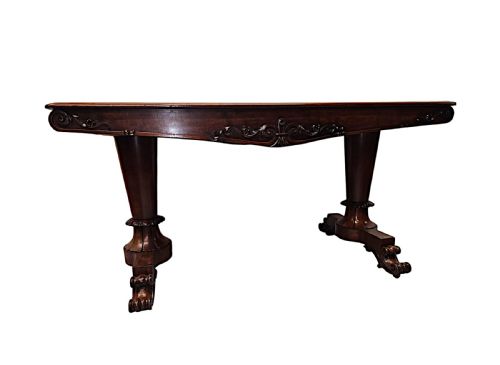
An end support desk provides a sturdy workspace, often designed with pedestal or trestle ends that anchor the piece gracefully in a room.
End Support Desk
When searching for an end support desk, buyers encounter robust tables and writing desks anchored by substantial vertical supports at each end rather than standard corner legs.
The selections span several periods, including the Regency era, the William IV period, and later 20th-century movements like Art Deco, showcasing forms designed for both study and display.
Most examples function as writing tables, library tables, or centre tables where the end support architecture provides both structural integrity and a distinct architectural silhouette.
Materials and Construction
Cabinetmakers utilised dense timbers such as mahogany, oak, rosewood, and burr walnut, often selecting specific woods to highlight rich grain patterns across wide tabletops.
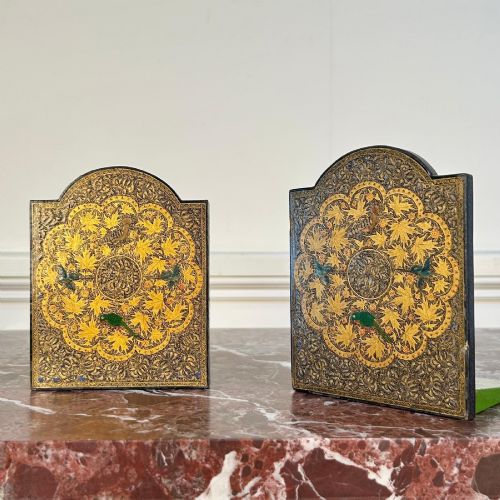
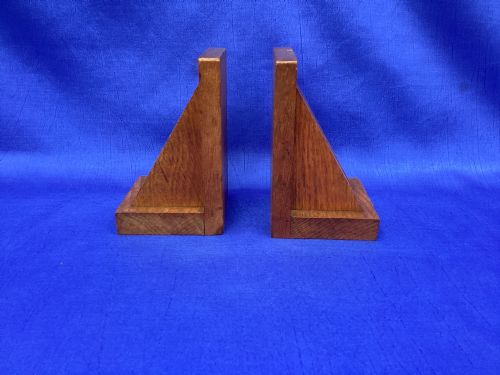
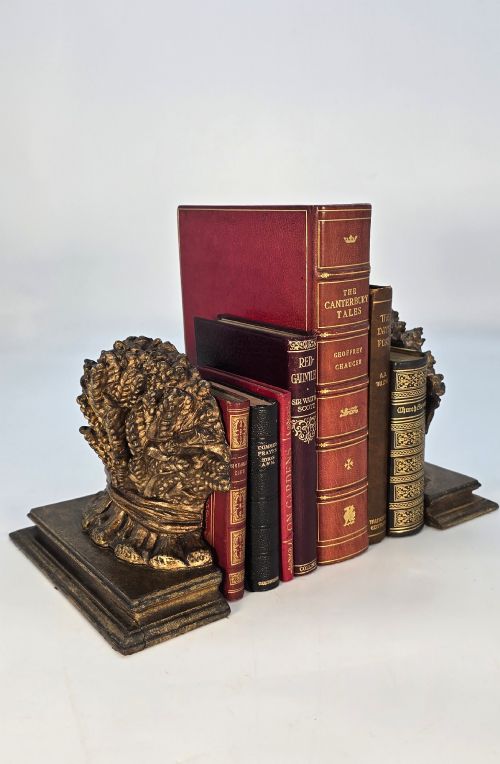
Metal elements including bronze, brass, spelter, and chrome appear frequently in decorative bookends and support accents, demonstrating diverse foundry techniques of the nineteenth and twentieth centuries.
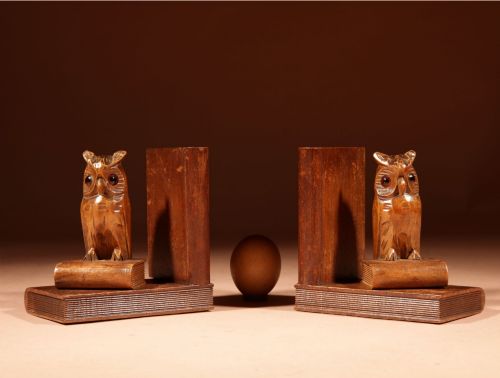
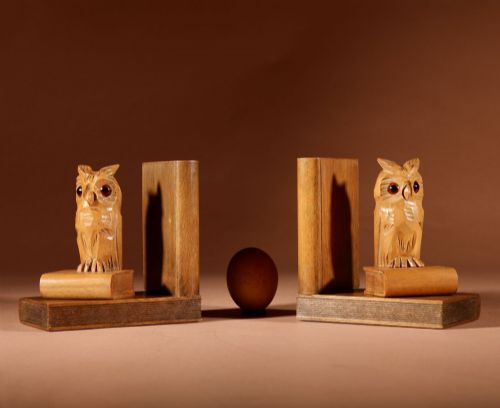
Carved details, linden wood animal figures, and turned pillars reveal traditional joinery and sculptural methods applied to functional furniture.
The listings span multiple centuries of design, encompassing Regency, William IV, Victorian, Arts and Crafts, and Art Deco periods.
Assessing Quality
The distinction between standard pieces and exceptional ones rests upon the crispness of the timber carving, the choice of figured veneers, and the structural harmony of the end supports.
Maker attributions and stamps from established workshops elevate a piece, reflecting superior joinery and thoughtful proportion that endure across generations.
Williams and Gibton·Gordon Russell·Thornton Smith Co·C Omin·Gillows·Herzig
The End Support Desk Glossary
- End support
- A furniture design where the main weight rests on vertical pedestals, trestles, or columns positioned at either end of the piece.
- Regency
- An English design period spanning the early nineteenth century, characterised by classical restraint, architectural lines, and Grecian influences.
- William IV
- A transitional nineteenth-century style bridging late Regency and early Victorian tastes, known for heavier proportions and rich rosewood veneers.
- Spelter
- An alloy of zinc and other metals frequently cast into decorative figures and bookends during the Art Deco period.
- Burr walnut
- A highly figured wood veneer harvested from the growths of walnut trees, prized for its swirling grain patterns.
End Support Desk: Frequently Asked Questions
What is an end support desk?
An end support desk is a table or writing desk that uses solid pedestals, lyre ends, or vertical columns at the outer edges for structural support.
This configuration leaves the space beneath the tabletop open and provides a distinctive architectural profile within a room.
How do I style a library table?
Library tables work well positioned centrally in a room or anchored against a wall, depending on whether the design finished all four sides.
Pairing the surface with complementary items like heavy bookends or desk accessories helps balance the visual weight of the timber.
What is William IV furniture?
William IV furniture spans the 1830s, offering a robust transitional style that leads into the Victorian era.
Pieces from this period frequently display dark rosewood, turned supports, and substantial scrollwork.