



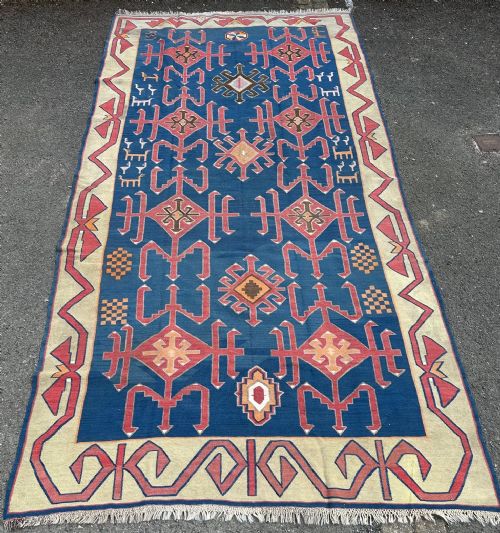


Traditional Wool Flatweave
Traditional wool flatweave pieces comprise woven textiles produced by tribal and regional makers across Anatolia, Persia, the Caucasus and Eastern Europe.
Traditional Wool Flatweave
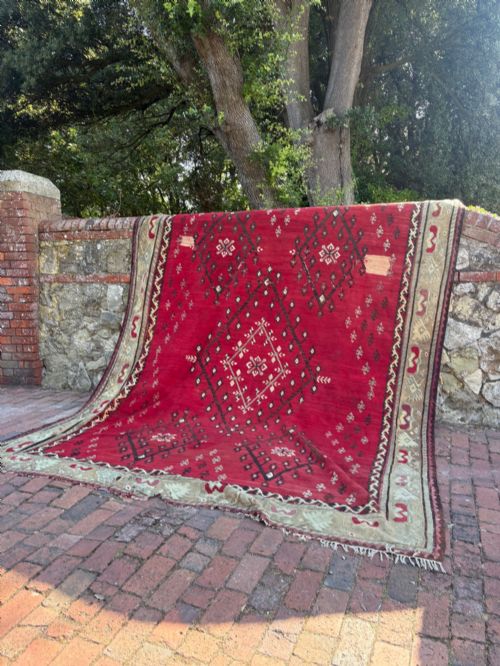
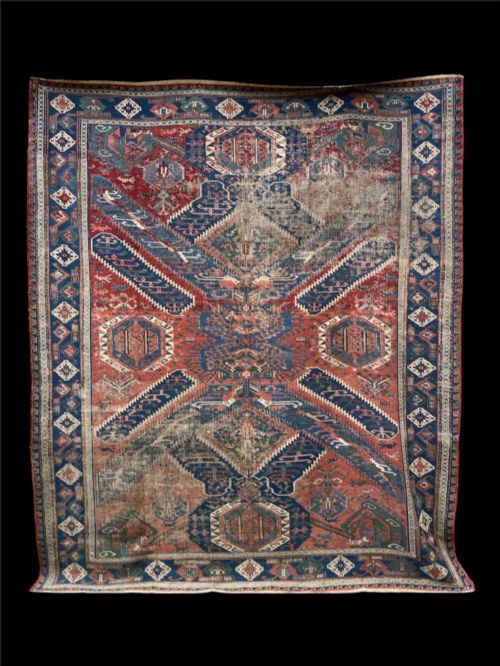
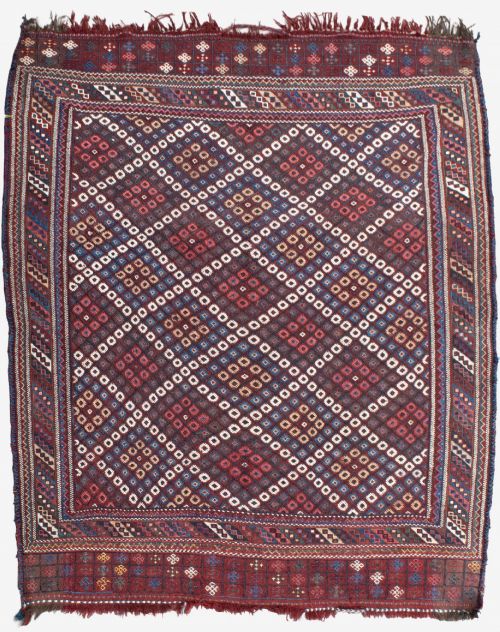
Traditional wool flatweave pieces encompass kilims, soumaks, sofrehs and cushions originating from tribal and regional traditions. Buyers searching this phrase encounter floor coverings and textiles woven without a pile, ranging from small nomadic bags to room-sized carpets.
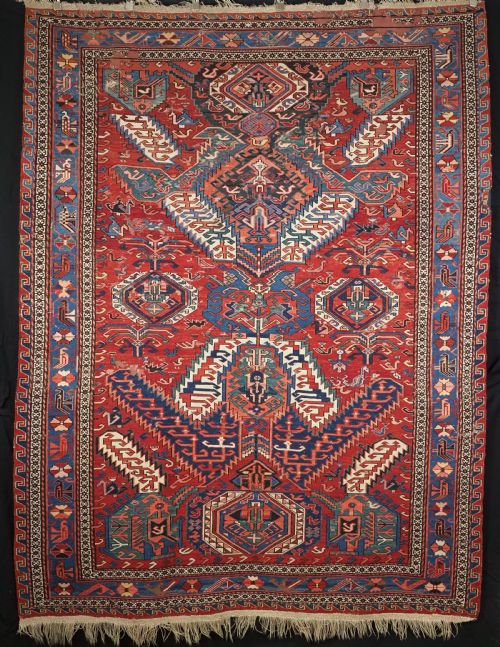
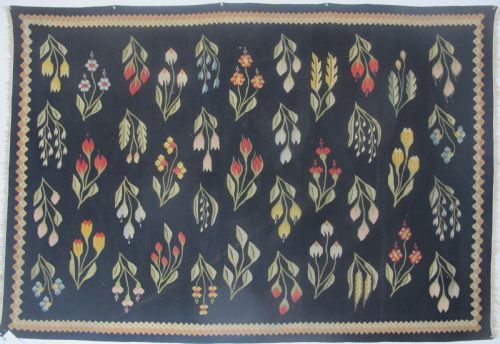
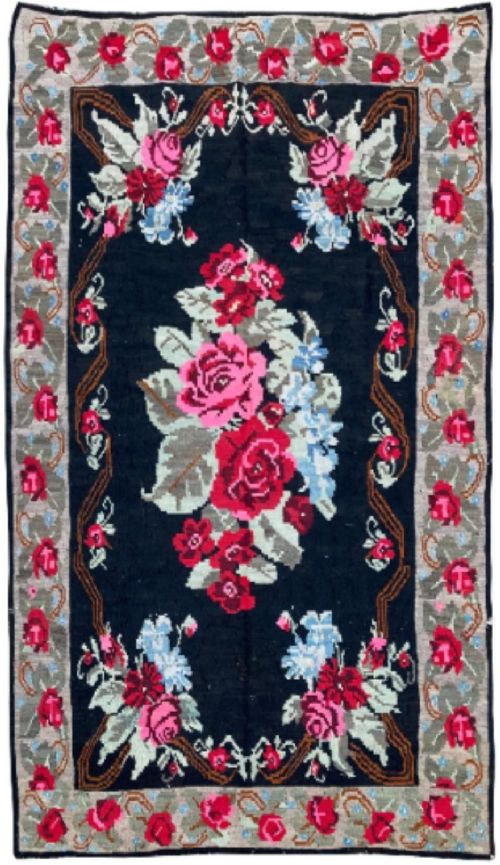
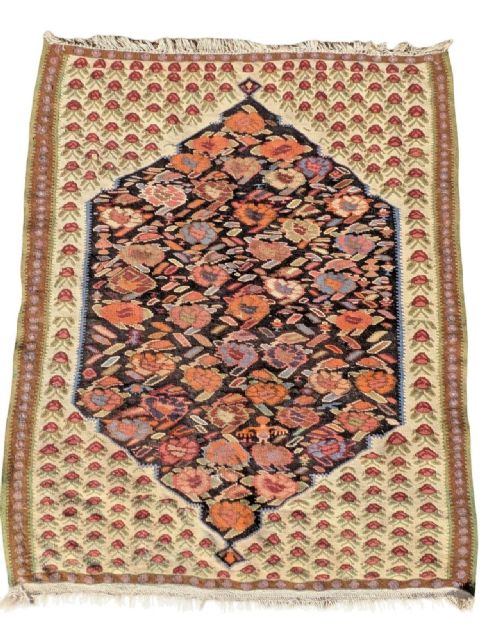
The pieces appearing on this page span the mid-nineteenth century through to the early twentieth century. Regional types from the Caucasus, Anatolia, Persia, Turkmenistan and Eastern Europe dominate the selection, showing distinct tribal motifs and flat-woven structures.
How they were made
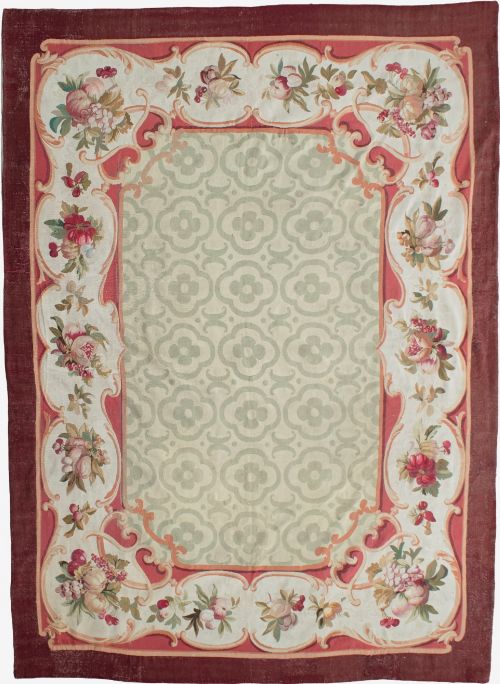
Makers utilised wool, hand-spun wool and cotton combined with natural dyes to construct these flat-woven surfaces. Weaving techniques rely on warp and weft interlacings without knotted pile, creating crisp geometric designs or floral tapestry panels depending on the region of origin.
Structures include slit-tapertry kilims, soumaks employing wrap-sewing techniques, and needlepoint or chain-stitch embroideries on canvas foundations. Natural dye palettes anchor the aesthetic, yielding varied tones across Anatolian, Caucasian and European examples.
Nomadic weavers occasionally incorporated tiny protective amulets directly into the flat-woven borders to ward off the evil eye.
What varies in quality
Quality in traditional wool flatweave textiles rests upon the fineness of the weave and the crispness of the drafted design. Tightly beaten wefts and complex structural techniques such as soumak wrapping indicate superior craftsmanship.
The purity and depth of the natural dyes significantly influence the standing of a piece. Examples retaining vibrant, undiminished colour saturation from natural dye sources command greater appreciation among collectors.
The Traditional Wool Flatweave Glossary
- Kilim
- A flat-woven carpet or rug produced by tightly interweaving warp and weft strands. This technique creates a smooth surface with no pile, common across Anatolian, Caucasian and Persian traditions.
- Soumak
- A flat-weave technique utilising a wrapping stitch over the warp threads to produce a textured, durable surface. Pieces from Daghestan frequently employ this method.
- Sofreh
- A flat-woven textile traditionally used for spreading meals or handling flour in nomadic households. These functional cloths often feature specific tribal iconography.
- Chuval
- A large tribal bag face made by Turkmen weavers for storage within a yurt. They display intricate geometric guls and careful flat-woven or pile structures.
- Warp
- The stationary vertical threads stretched across a loom before weaving begins. The weft threads are passed through these structural foundations.
Traditional Wool Flatweave: Frequently Asked Questions
What is a traditional wool flatweave?
A traditional wool flatweave is a textile constructed on a loom without a knotted pile surface. These pieces include kilims, soumaks and tapestry rugs from various tribal regions.
Weavers use wool and natural dyes to produce lightweight coverings and hangings that served functional purposes in nomadic and village homes.
How do I care for a flatweave rug?
Care for these textiles involves gentle vacuuming without a rotating brush bar to protect the flat structure. Professional cleaning suitable for antique textiles maintains the wool fibres.
Keep pieces away from direct sunlight to prevent natural dyes from fading over time.
Where were these textiles made?
These pieces originated across Anatolia, the Caucasus, Persia, Turkmenistan and Eastern Europe. Different tribes and villages developed distinct regional designs and weaving methods.
Communities in regions such as Shirvan, Karabagh and Bessarabia produced recognisable geometric and floral patterns.
What is the difference between a kilim and a soumak?
A kilim is woven using a flat slit-tapestry technique where weft threads are returned at colour boundaries. This creates a smooth, identical pattern on both sides.
A soumak incorporates a wrapping technique across the warp threads that leaves floats on the reverse and provides a textured, heavier face.