







Folk Art Wool Rug
These folk art wool rug examples bring distinct regional character and traditional weaving methods directly into modern interiors.
Folk Art Wool Rug
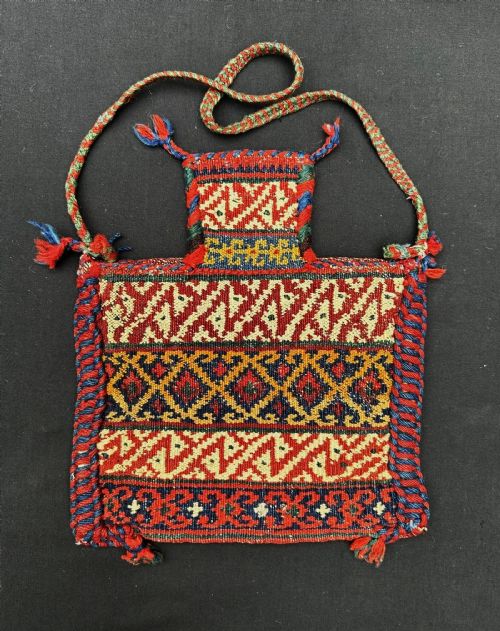
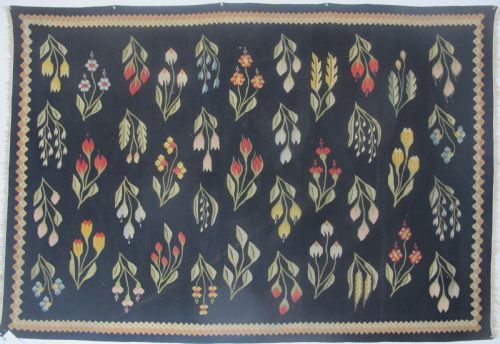
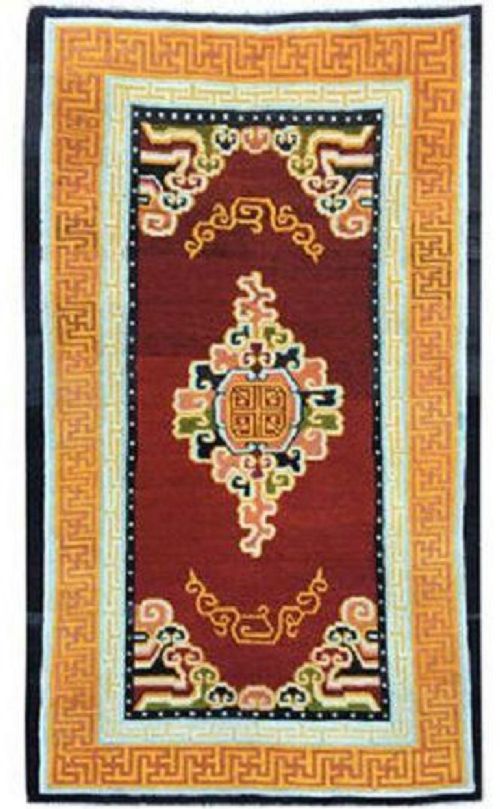
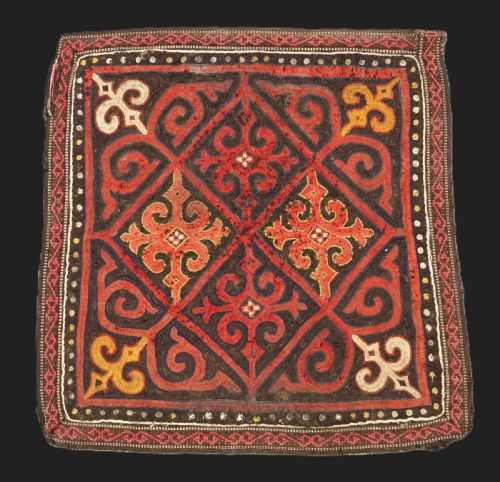
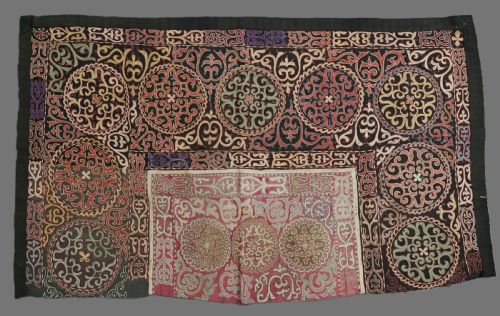
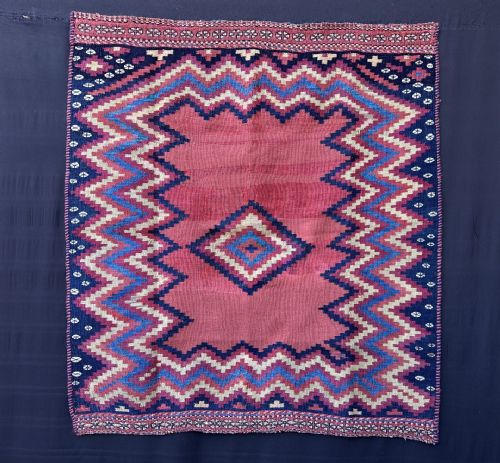
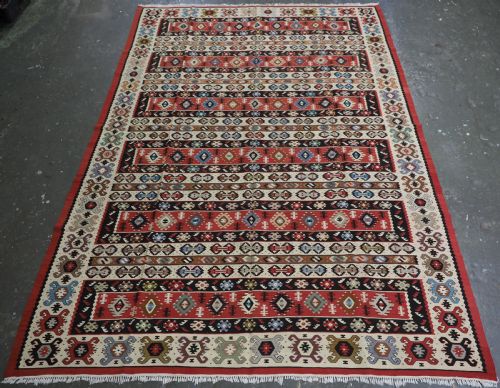
A folk art wool rug encompasses a diverse array of tribal textiles, flat-woven kilims, and embroidered wall hangings originating from late nineteenth and early twentieth century traditions. When searching for a folk art wool rug, buyers encounter pieces ranging from Scandinavian rya designs and Bessarabian flatweaves to Persian tribal textiles and Caucasian Kazaks.
The selection on this page demonstrates remarkable geographical breadth, featuring Eastern European tapestries, Central Asian nomadic panels, and American hooked pieces. Each textile reflects the domestic customs and local aesthetics of the communities that produced them between eighteen eighty and nineteen forty.
Floor coverings and wall panels dominate the forms available, often displaying geometric motifs, floral compositions, or figurative designs depicting animals and people. These historic soft furnishings provide tactile warmth and graphic impact for contemporary spaces.
Assessing Quality and Character
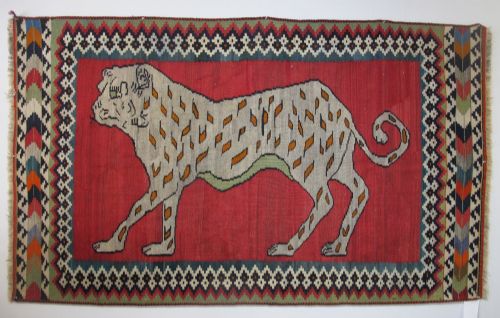
The visual strength of a textile depends largely on the clarity of its design, the harmonious interaction of natural colours, and the vitality of the folk motifs. Stronger pieces display confident asymmetry and expressive handling of traditional subjects like horses, lions, and floral arrangements.
Preservation of the original materials and structural integrity also distinguishes finer examples, particularly in flatweaves and embroideries where delicate edges and foundation threads are vulnerable to wear. The depth of the dye palette and the integrity of the wool fibres remain central to the longevity and aesthetic impact of each weave.
Several nomadic weavers immortalised local wildlife by including surprisingly charming folk art representations of horses, lions, and people directly into the wool pile.
The Folk Art Wool Rug Glossary
- Kilim
- A flat-woven carpet or rug produced without a pile, traditionally made across the Balkans, Caucasus, and Middle East. These textiles are known for their sharp geometric patterns created by leaving slits where different colour blocks meet.
- Sofreh
- A traditional woven cloth used primarily for spreading meals or handling bread making materials among Persian nomadic tribes. These functional textiles often double as striking geometric floor or wall art.
- Kazak
- A style of rug traditionally woven by independent tribal groups in the Caucasus region. They are distinguished by bold, primary colours and strong geometric medallions.
- Rya
- A traditional Scandinavian piled rug technique that originally produced heavy, insulating bedcovers before evolving into decorative floor textiles. They feature a deep, plush pile made from multiple strands of wool.
Folk Art Wool Rug: Frequently Asked Questions
How should I clean my rug?
Gentle surface vacuuming without a rotating beater bar removes loose dirt from antique wool textiles safely. Professional specialist cleaning remains essential for addressing deeper stains or ground-in grit.
Water exposure should be kept to a strict minimum to prevent dye migration and shrinkage in historic wool and natural dye foundations.
Can these hang on walls?
Many lighter textiles, particularly flat-woven kilims, embroidered panels, and tapestries, lend themselves easily to wall display. Using a cotton sleeve stitched along the top reverse distributes the weight evenly across a support rod.
Heavy pile carpets require specialist backing or rug clips designed to avoid pinching or puncturing fragile antique wool.
Are they suitable for hallways?
Sturdier flatweaves and denser pile rugs handle moderate corridor foot traffic well when paired with a breathable, high quality non-slip underlay. The underlay cushions the historic wool fibres against hard subfloors and prevents slippage.
Softer needlepoint pieces and delicate embroideries are better suited to low-traffic areas or wall hanging to preserve their fragile structure.
How do I date an antique rug?
Dating relies on examining the specific wool preparation, the chemical composition of the natural dyes, and the conventions of the regional design vocabulary. Comparing structural knot counts and selvedge finishes with documented examples helps narrow the period of origin.
Slight irregularities in hand-spun yarn and traditional regional palettes provide further clues to whether a piece originates from the nineteenth or early twentieth century.