


Handwoven Wool Tapestry
These handwoven wool tapestry pieces bring texture and regional craft straight to a room, offering durability and historical depth.
Handwoven Wool Tapestry
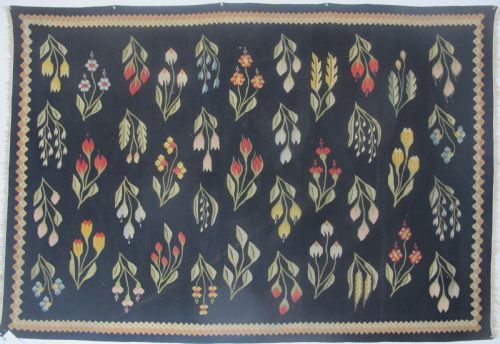
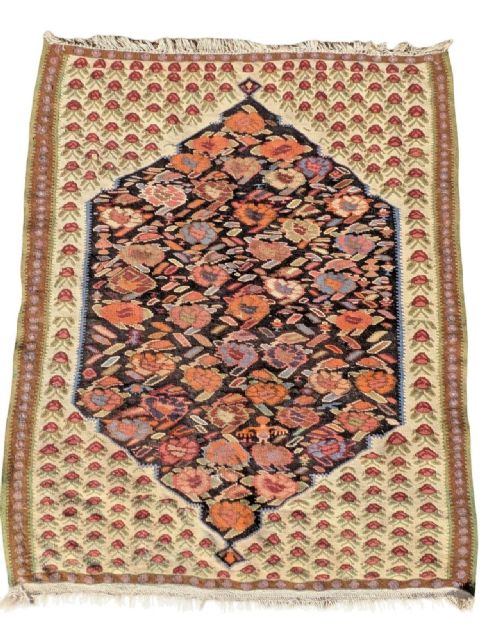
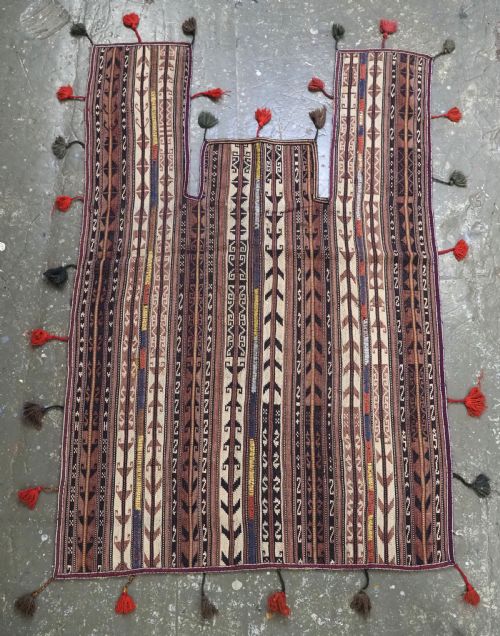
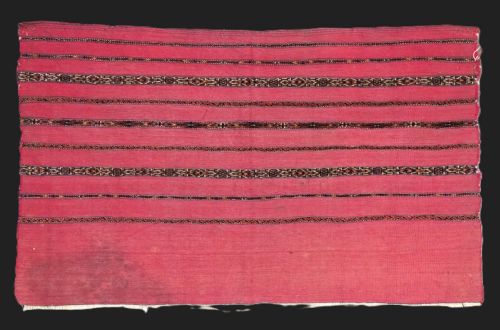
A handwoven wool tapestry search reveals a diverse mix of regional rugs, flatweaves, cushions, and decorative panels. Pieces range from European floral flatweaves to tribal textiles originating across Central Asia and Persia.
Buyers frequently encounter nineteenth and early twentieth-century kilims, alongside French Aubusson panels and nomadic covers. These textiles reflect specific regional weaving traditions, incorporating motifs from geometric tribal designs to floral compositions.
Materials and Construction
The primary material across these textiles is wool, frequently complemented by cotton, linen, silk, and camel hair. Weavers utilised hand-spun wool alongside natural dyes to create distinct coloured grounds and patterned fields.
Construction techniques involve flatweaving, embroidery, needlepoint, and tapestry weaving. Many regional carpets and covers are built from multiple woven strips joined together or feature specialised edgings using passementerie.
Geographic origins represented on the page include Romania, Persia, Afghanistan, Turkey, Central Asia, and France.
Assessing Quality and Execution
Quality separates finer pieces through the precision of the weave and the complexity of the graphic design. Tighter structures and finely executed motifs indicate skilled workshop or nomadic production.
The depth and preservation of colour distinguish superior examples, particularly where natural dyes have aged evenly across the wool ground. The integrity of the textile structure and the clarity of repeat or medallion patterns remain key indicators of execution.
The Handwoven Wool Tapestry Glossary
- Kilim
- An untowelled flatwoven carpet or rug produced across regions such as Anatolia, the Caucasus, and Central Asia. These textiles lack a pile, relying instead on interlocking weft threads to form flat geometric patterns.
- Sofreh
- A spread or cloth traditionally used for eating, kneading bread, or ritual meals among nomadic groups. They frequently display functional banded designs and durable flatweave construction.
- Aubusson
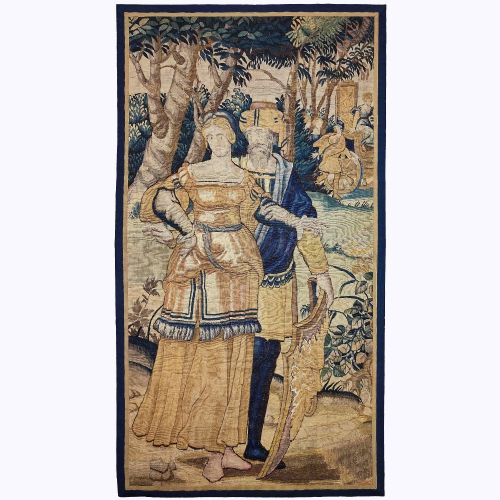
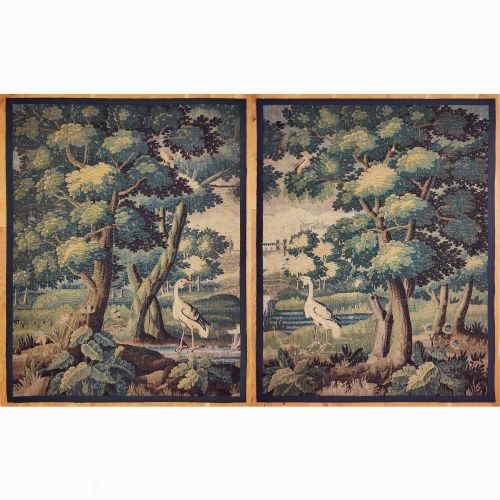
- A style of French tapestry and carpet named after the historic manufacturing town in the Creuse valley. These pieces typically feature pastoral or verdure scenes and neoclassical floral bouquets.
- Chuval
- A large storage bag made by Turkmen tribes, featuring patterned faces designed for tent storage. Surviving examples often display intricate guls and tribal iconography.
- Passementerie
- Elaborate trimmings, edgings, or fringes applied to textiles and soft furnishings. This category includes woven braids, tassels, and cordwork used to finish cushion panels and covers.
Handwoven Wool Tapestry: Frequently Asked Questions
What is a kilim rug?
A kilim rug is a flatwoven textile made without a pile, produced primarily across regions in Eastern Europe, Anatolia, and Central Asia. Artisans weave the warp and weft threads together tightly to create flat, reversible geometric patterns.
These versatile floor coverings and wall hangings offer durable utility while displaying traditional regional motifs and symbolic designs passed down through generations.
How were antique tribal textiles used?
Nomadic and tribal groups utilised these textiles for daily survival, interior decoration, and ceremonial purposes. Items included animal covers, eating cloths, storage sacks, and large tent bands.
Beyond practical functions within nomadic tents, many of these woven objects held cultural significance for marriages, hospitality, and community rituals.
How do I care for antique wool tapestries?
Wool textiles require gentle maintenance, including regular light vacuuming without a rotating brush to remove dust. Keeping them out of direct sunlight prevents the natural dyes from fading over time.
Professional textile cleaning is recommended for heavier rugs and panels. Rotating the pieces periodically ensures even wear across high-traffic areas or sunlit spaces.
How can I identify French Aubusson panels?
French Aubusson pieces are characterised by pastoral landscapes, verdure foliage, or formal floral bouquets rendered in muted historic palettes. They are traditionally woven as flat tapestry panels rather than piled carpets.
These works often reflect classical French interior styles, appearing frequently as decorative wall hangings or refined cushion covers.