




Botanical Wool Carpet
A botanical wool carpet brings texture, history and natural form to a room through traditional hand-knotted and flat-woven floor coverings.
Botanical Wool Carpet
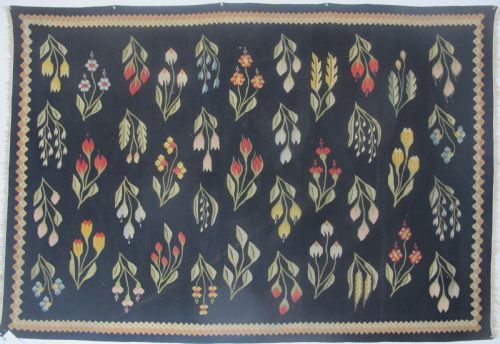
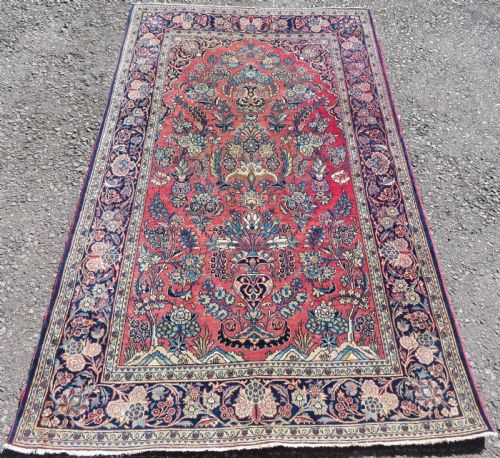
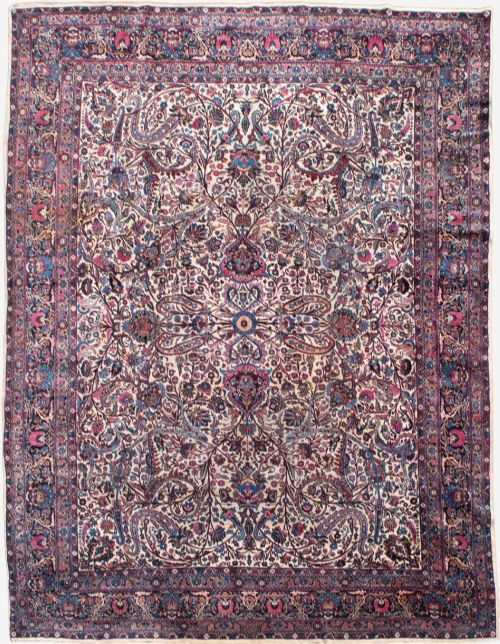
A botanical wool carpet encompasses rugs, area rugs and tapestry forms created across diverse international traditions. When you search for botanical wool carpet, you encounter pieces spanning from the late nineteenth century through to the mid-twentieth century.
Most pieces combine wool with cotton or canvas foundations. These floor coverings bring intricate floral and botanical motifs into domestic spaces through distinct regional weaving techniques.
Materials and construction methods
These floor coverings rely primarily on wool fibres for the pile or flat-weave surface, paired with cotton or canvas for structural support. Weavers utilised these natural materials to achieve durable textiles capable of holding rich dyes.
Techniques range from traditional knotting in Persian carpets to flat-woven kilims and needlepoint stitching seen in Portuguese examples. Each method shapes how the botanical and floral patterns emerge across the textile surface.
Botanical Wool Carpet Retail Price Guide 2026
Typical asking prices for botanical wool carpet among the pieces listed under this phrase on Sellingantiques today, from the lower quarter to the upper quarter. They describe what is for sale here now, not the wider market.
Listings feature wool, cotton and canvas materials across pieces dated from eighteen-eighty to nineteen-forty, spanning Persian, European and Anatolian origins.
Judging quality and execution
The finesse of the floral drawing and the precision of the wool weave distinguish finer examples from simpler workshop output. Regional styles such as Kirman or Oushak demand high technical skill in handling intricate botanical motifs.
The integrity of the wool pile and the stability of cotton or canvas foundations dictate the resilience of each piece. Superior execution ensures that floral designs retain their clarity and depth across decades of use.
The Botanical Wool Carpet Glossary
- Kilim
- A flat-woven carpet or rug produced without a pile, common in Eastern European and Anatolian traditions. These textiles feature sharp geometric or floral patterns created by interlocking the weft threads.
- Needlepoint
- A type of canvas work embroidery where yarn is stitched through a stiff open-weave ground fabric. Portuguese examples utilise this technique to form dense floral compositions.
- Pile
- The raised surface of a carpet formed by yarn ends standing upright from the foundation. Wool pile provides warmth and softens botanical details.
- Foundation
- The underlying structure of a rug, consisting of warp and weft threads usually made of cotton or canvas. It supports the decorative wool surface.
Botanical Wool Carpet: Frequently Asked Questions
How do I care for a wool carpet?
Vacuum gently without a rotating brush to protect the wool fibres and flat-woven edges. Keep the textile away from direct sunlight to preserve the natural tones of the botanical dyes.
Professional cleaning is recommended for older rugs to maintain the integrity of the wool and cotton materials. Address spills immediately by blotting rather than rubbing the affected area.
Where were these rugs made?
The pieces originate from diverse regions including Persia, Anatolia, Eastern Europe and Portugal. Each area developed distinct methods for depicting floral and botanical themes.
Traditional workshops in centres such as Kirman, Kashan and Malayer produced knotted carpets, whilst Bessarabia and Moldova specialised in flat-woven kilims.
What materials are used?
Wool serves as the primary material for the visible surface, offering durability and rich colour absorption. Foundation structures typically incorporate cotton or canvas for stability.
Needlepoint examples utilise wool yarn worked over a canvas mesh ground. These natural fibres work together to create structured yet pliable floor coverings.
How do I date a carpet?
Dating relies on stylistic markers, regional weaving traditions and material analysis. Pieces span from the late nineteenth century through the early and mid-twentieth century.
Comparing structural details and floral motifs with established regional examples helps determine the likely period of origin.