





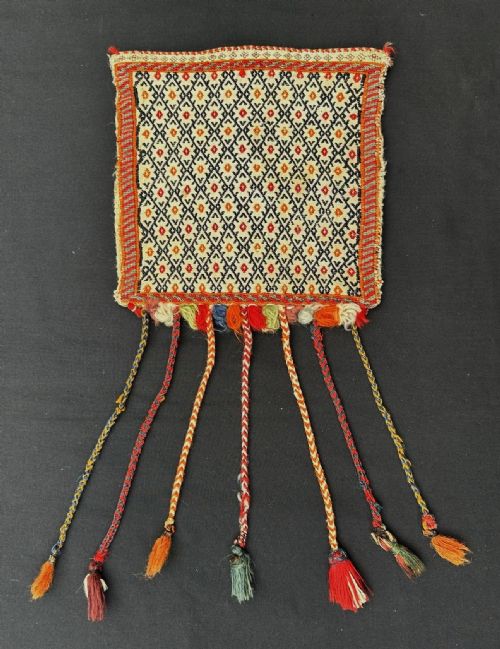


Wool Flatweave Wall Hanging
When you search for a wool flatweave wall hanging, you are looking for tribal textiles with graphic geometry and rich natural dyes.
Wool Flatweave Wall Hanging
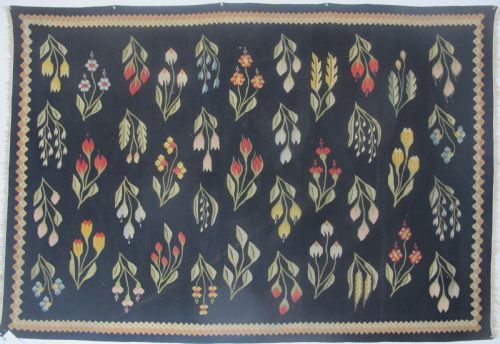
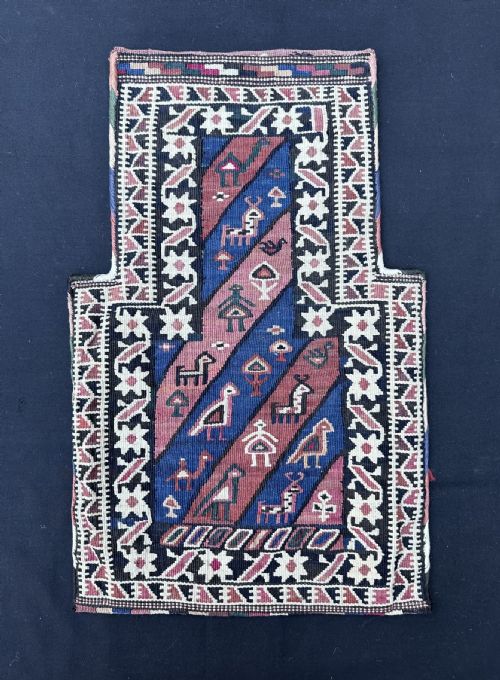
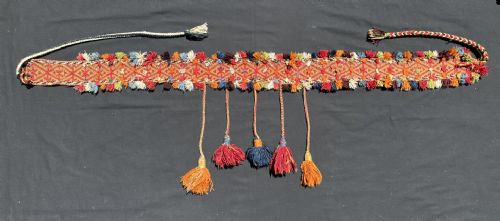
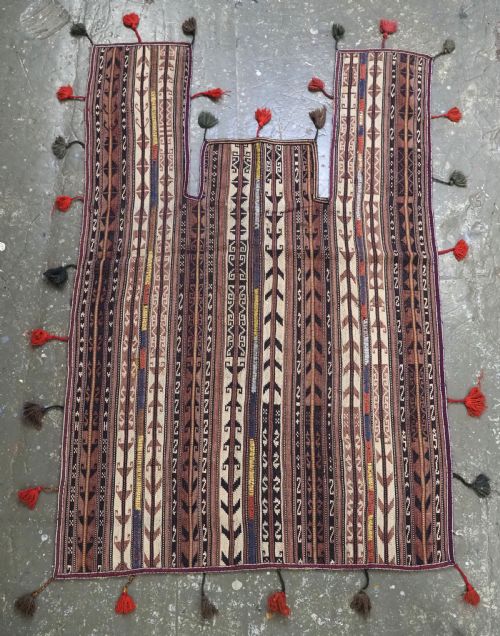
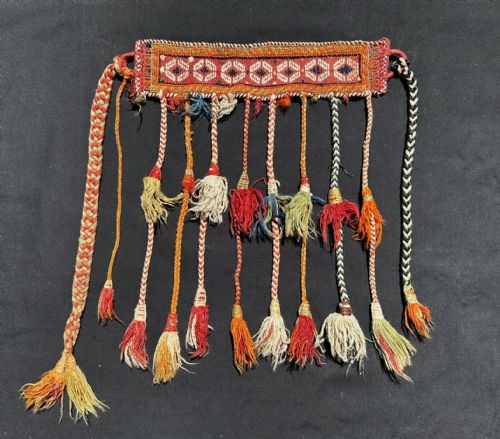
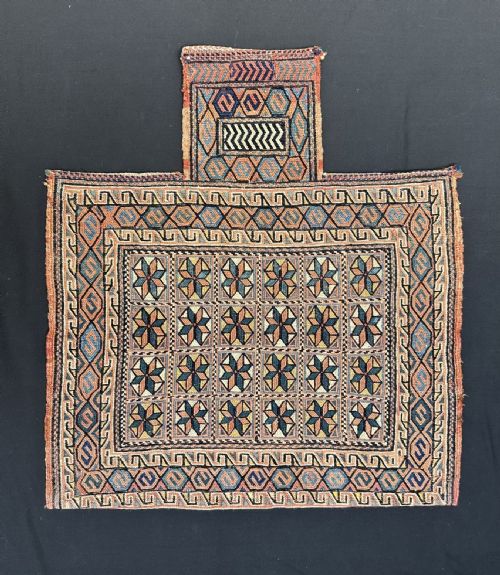
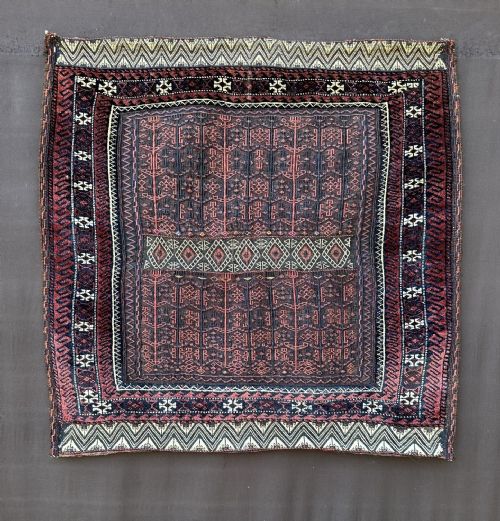
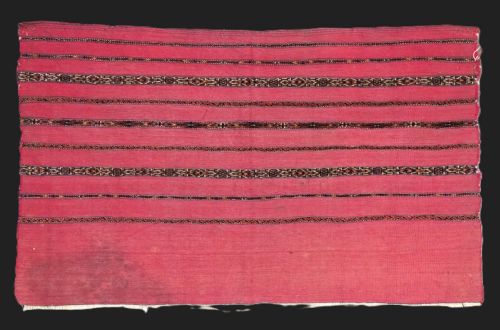
When you search for a wool flatweave wall hanging, you encounter tribal textiles originating from Persian, Central Asian, and Caucasian weaving traditions. These pieces include utilitarian items such as bread sofreh, salt bags, horse blankets, and saddlebag faces that now function primarily as decorative wall art.
The objects stem from nineteenth and early twentieth-century nomadic and village cultures, spanning regions from Fars Province to Turkmenistan and Uzbekistan. Most examples on this page reflect tribal groups including the Qashqai, Afshar, Shahsavan, and Yomut.
The forms vary from square dining cloths and narrow banded torbas to rectangular panels and animal trappings. Each piece carries structural patterns specific to the weaving group that produced it.
How They Were Made
Weavers constructed these pieces using hand-spun wool and occasional additions of goat hair or cotton, worked in techniques such as soumac and banded flatweave. Artisans dyed the fibres using natural dyes, yielding deep tones of madder, indigo, and earth hues.
Many textiles incorporate supplementary materials like leather, metal, and cowrie shells on functional objects like storage bags and horse decorations. Panels were frequently joined in strips or adapted from larger utilitarian containers to form cohesive geometric surfaces.
Several nomadic bread cloths still carry faint traces of flour dust embedded deep within the wool fibres from their original kitchen duties.
What Varies in Quality
The fineness of the weave and the precision of the geometric layout dictate the calibre of a flatweave textile. Tighter knotting and disciplined structure distinguish master tribal work from standard utilitarian output.
The vibrancy and retention of natural dyes influence the visual impact of the piece. Subtle shifts in tone resulting from plant-based dyeing techniques separate superior examples from uniform modern dyes.
The Wool Flatweave Wall Hanging Glossary
- Sofreh
- A woven cloth utilised for eating, serving, or preparing bread among nomadic groups. These textiles display minimalist geometric arrangements.
- Soumac
- A wrapping technique producing a textured surface that resembles embroidery on the face of the textile. It adds structural weight and distinct linear clarity to tribal bags.
- Torba
- A small storage bag produced by Turkmen and Central Asian tribes. They feature horizontal bands of flatweave and bold tribal motifs.
- Chuval
- A large tent bag utilised for household storage by nomadic communities. They often present primary guls and secondary motifs in repeating rows.
Wool Flatweave Wall Hanging: Frequently Asked Questions
What is a flatweave textile?
A flatweave is a textile constructed without pile by interlacing warp and weft threads directly on a loom. This creates a thin, flexible fabric suitable for hanging on walls.
Nomadic groups utilised this method to produce lightweight household items that were easily transported during seasonal migrations.
How do I hang a textile?
Mounting a textile safely requires distributing the weight evenly across the upper edge rather than piercing the fabric with nails. A conservation-grade Velcro strip or a custom fabric sleeve stitched to the reverse works effectively.
Consult a professional framer if you prefer a glazed enclosure to protect delicate wool and natural dyes from dust and environmental wear.
How do I clean an antique hanging?
Antique wool and natural dyes require gentle maintenance, typically limited to careful surface vacuuming through a mesh screen on a low setting. Professional textile conservators should handle deep cleaning to prevent dye bleeding or fibre shrinkage.
Avoid direct, prolonged sunlight to preserve the original saturation of the vegetable dyes.