
Vintage Textile Wall Art
When you search for vintage textile wall art, you uncover centuries of woven and embroidered panels designed to bring colour and texture into a room.
Vintage Textile Wall Art
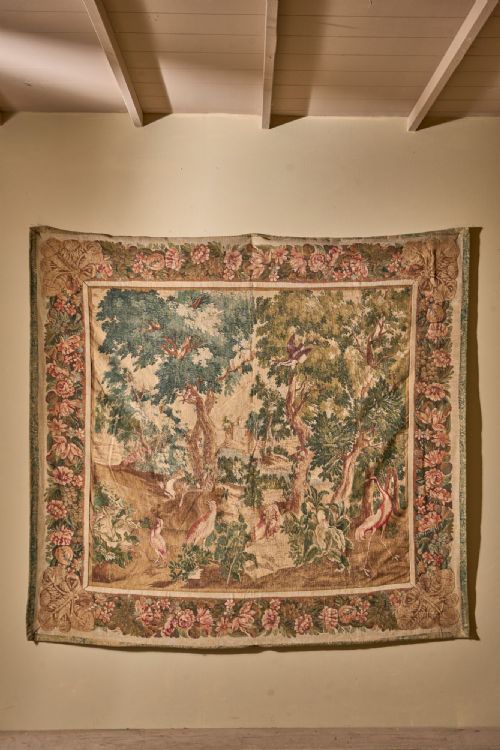
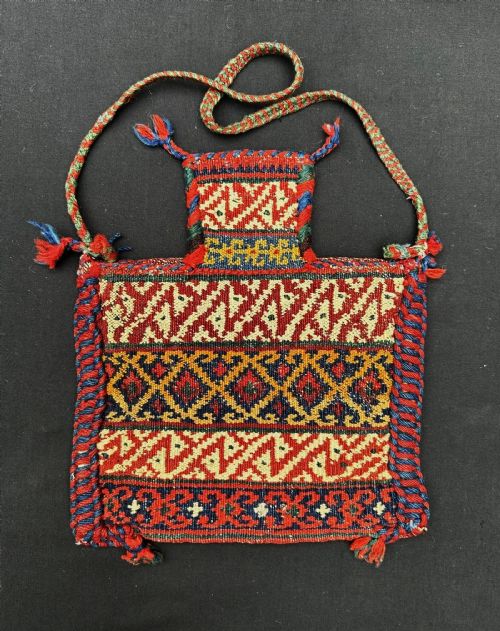
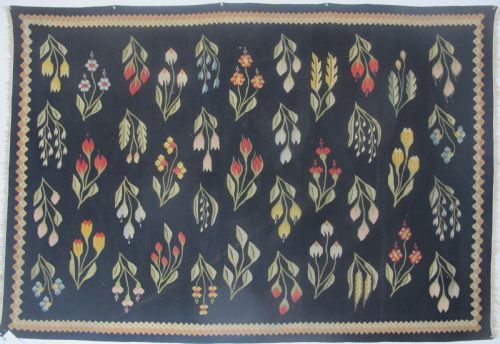
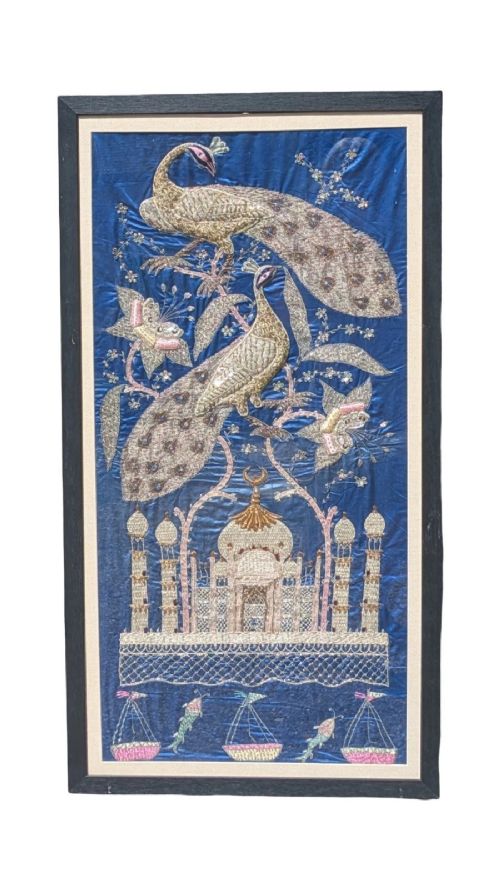
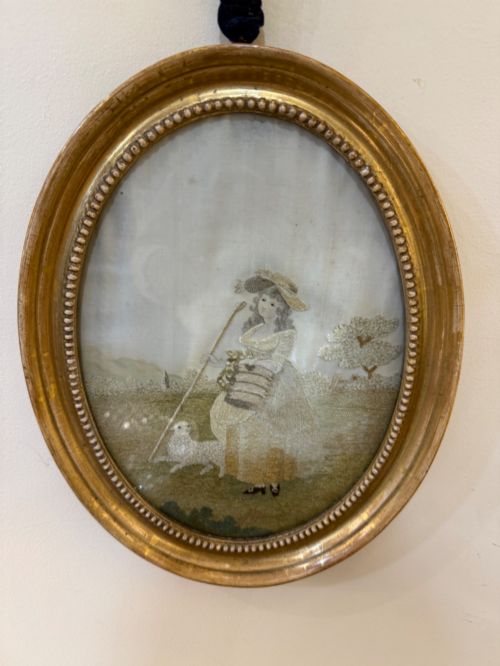
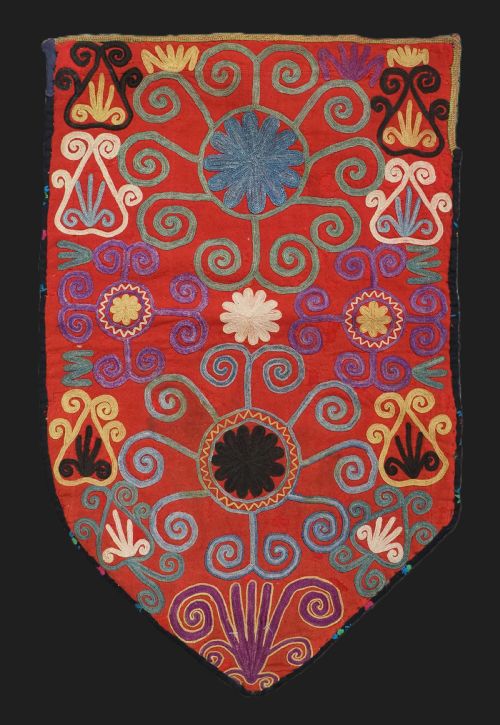
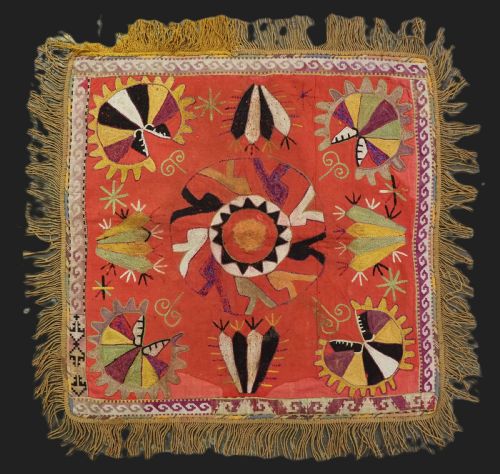
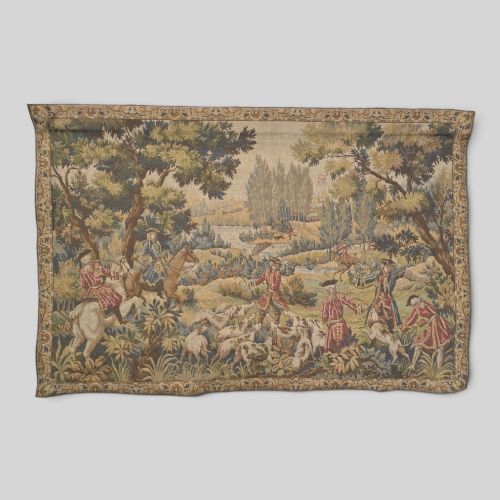
Vintage textile wall art encompasses a wide array of historical fabrics, from Persian tribal weavings and Uzbek dowry embroideries to European verdure tapestries and framed silk panels. Buyers searching for vintage textile wall art will encounter everything from large room-sized wall hangings to smaller mounted fragments and needlework pictures.
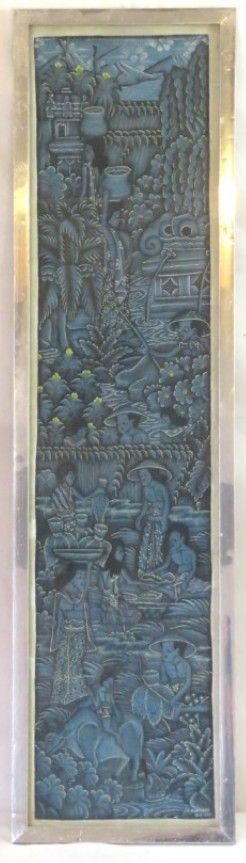
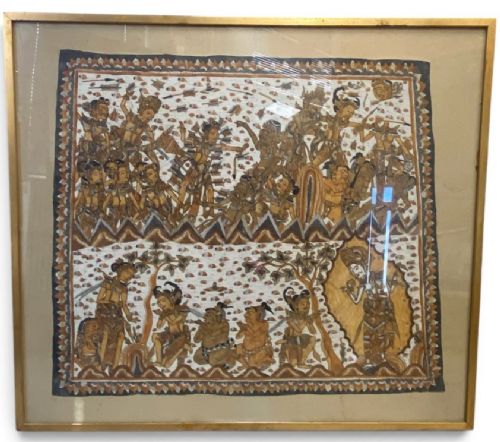
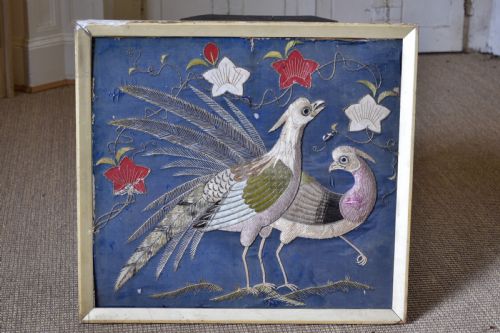
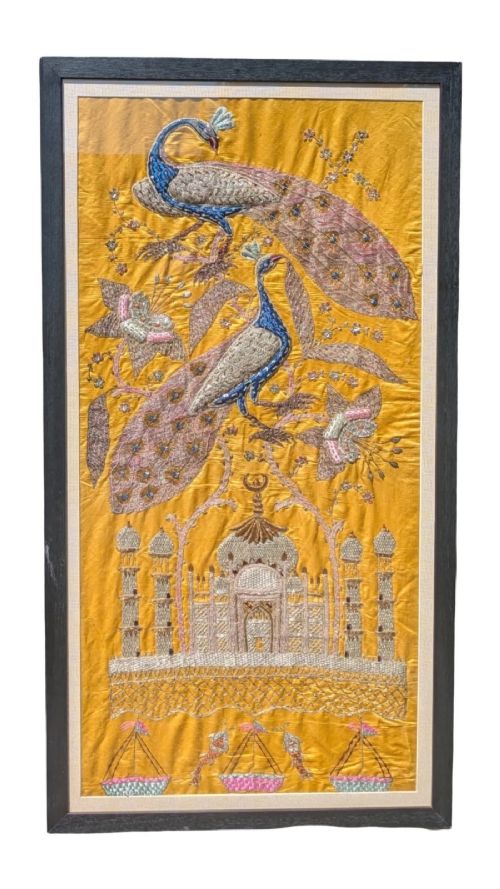
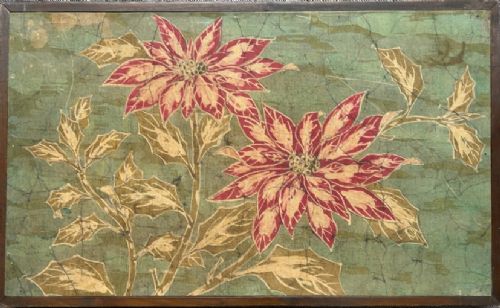
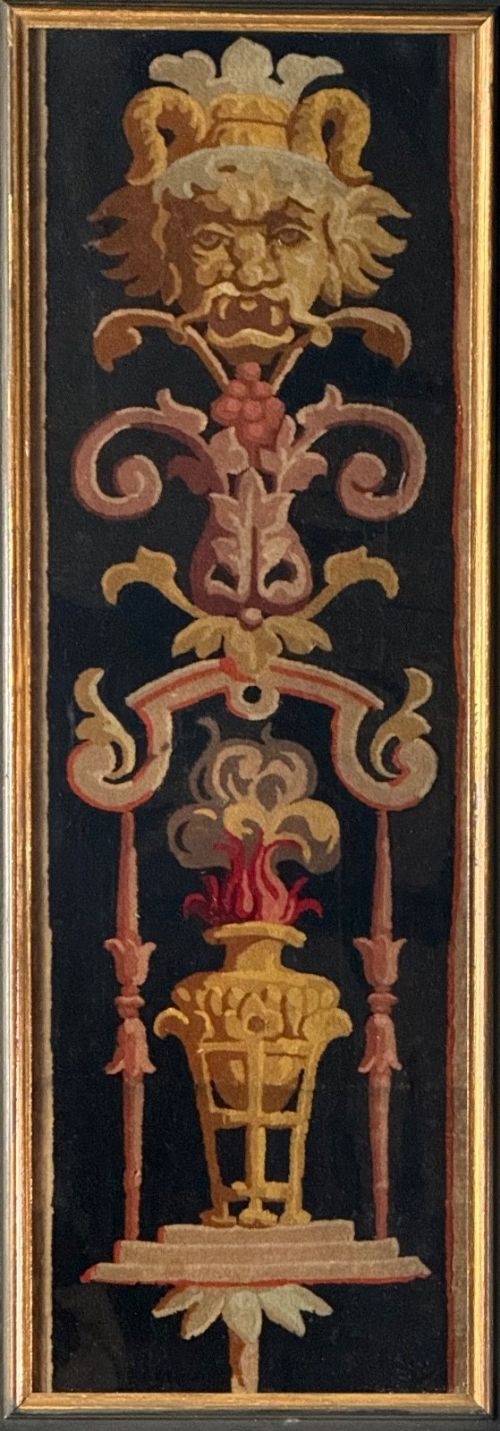
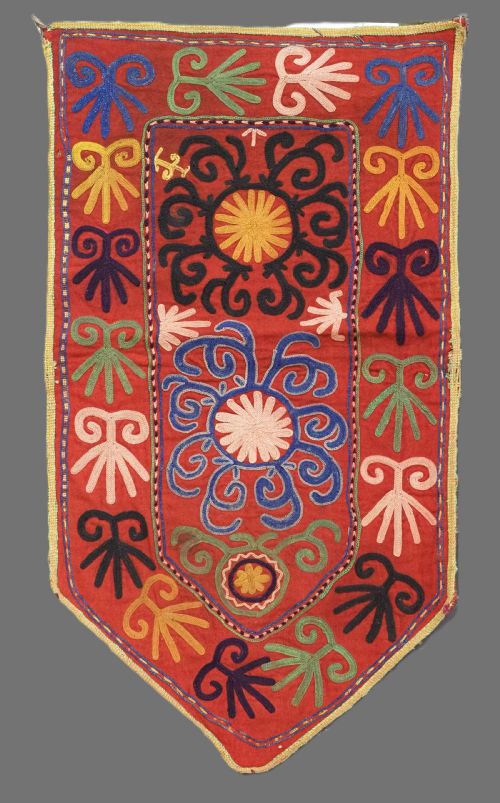
The selection ranges from nineteenth-century floral needlework and Balinese painted textiles to seventeenth-century classical embroidered panels and Central Asian horse decorations. Many pieces arrive already mounted in wood frames or set behind glass, while others remain flexible hangings designed to sit directly on a wall.
How they were made
Makers utilised natural fibres including wool, silk, linen, and cotton, frequently combining them with metallic thread to build complex pictorial surfaces. These textiles rely on diverse techniques, encompassing hand embroidery, crewelwork, batik printing, and traditional loom-woven tapestry construction.
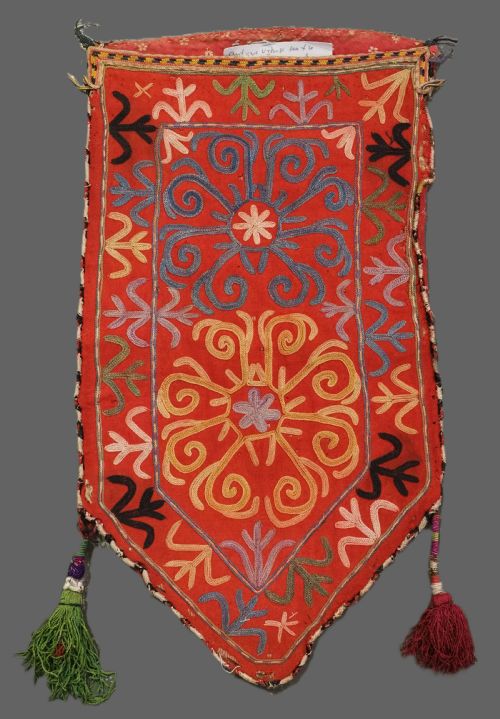
Many items incorporate structural supports such as linen backing or heavy wood frames to preserve fragile fabrics. Uzbek Suzanis and tribal bags display dense needlework stitches on cotton or linen foundations, whereas French and European verdure tapestries use intricate wool and silk weavings to depict classical scenes.
The listings span periods from the 17th century through the mid-20th century, encompassing European needlework, Persian tribal bags, and Central Asian embroideries.
What varies in quality
The standard of a piece rests heavily on the fineness of the handwork and the integrity of the surviving materials. Dense, precise needlework and well-preserved natural dyes distinguish superior examples from simpler or heavily restored items.
Condition plays a major role, as older textiles frequently suffer from fading, fibre loss, or repairs to the ground cloth. Pieces that retain their original scale, vibrant thread colours, and stable mounting generally represent the higher end of the spectrum.
Beatrice Saunders Printed Fabrics
The Vintage Textile Wall Art Glossary
- Suzani
- An embroidered tribal textile originating from Uzbekistan and surrounding regions, typically worked in silk on a cotton or linen ground with large floral motifs.
- Verdure tapestry
- A European wall hanging featuring a stylized landscape design dominated by foliage, trees, and occasionally animals.
- Crewelwork
- A type of embroidery utilising wool yarn on a sturdy fabric foundation, allowing for textured, raised surface patterns.
- Asmalik
- A pentagonal trapping produced by Turkmen tribes, historically used as a decorative camel ornament.
- Needlework
- Any fabric work created using a needle to apply yarn or thread, including cross-stitch, petit point, and canvas work.
Vintage Textile Wall Art: Frequently Asked Questions
How do I hang heavy vintage tapestries?
Large tapestries and heavy embroidered panels require even weight distribution to prevent distortion of the fabric fibres. Many collectors use a concealed wooden batten or a sleeve sewn to the reverse side to mount the piece securely against the wall.
Lighter framed textile art can be hung using standard picture hooks rated for the weight of the glass and wood frame. Ensure the display area avoids direct sunlight to protect natural dyes from fading over time.
What is the difference between a Suzani and a tapestry?
Suzanis are Central Asian textiles featuring hand-embroidered floral and geometric motifs stitched onto a woven foundation fabric. They originate primarily from nineteenth-century Uzbekistan and were traditionally made as part of a bride's dowry.
Tapestries are woven structural textiles where the design is built directly on a loom using coloured weft threads. European tapestries often depict figurative scenes, landscapes, or classical architectural elements rather than embroidered patterns.
How do I date an embroidered panel?
Dating an embroidered panel involves examining the type of fibres, the chemical composition or visual tone of the dyes, and the style of the stitching. Nineteenth-century pieces frequently display specific regional motifs and hand-spun materials that differ from twentieth-century revivals or contemporary copies.
Documentation of the piece's geographic origin, such as Kerman province in Persia or Central Asia, also helps establish a reliable timeline. Comparing stitch density and backing fabrics against known museum examples provides further clues to a piece's age.