

Framed Tapestry Wall Art
Framed tapestry wall art covers centuries of woven and embroidered textiles secured behind glass or set into timber frames for interior display.
Framed Tapestry Wall Art
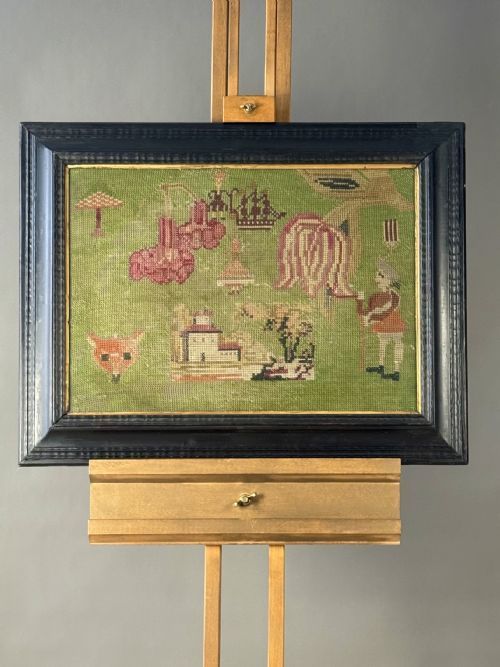
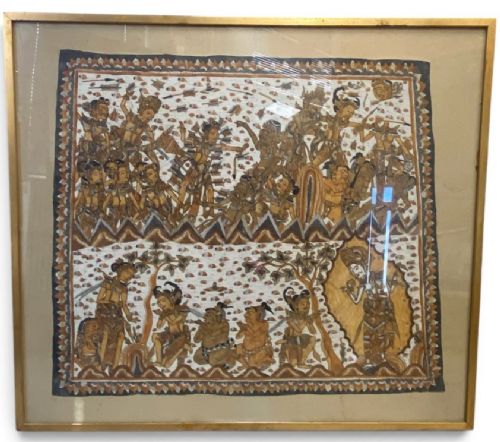
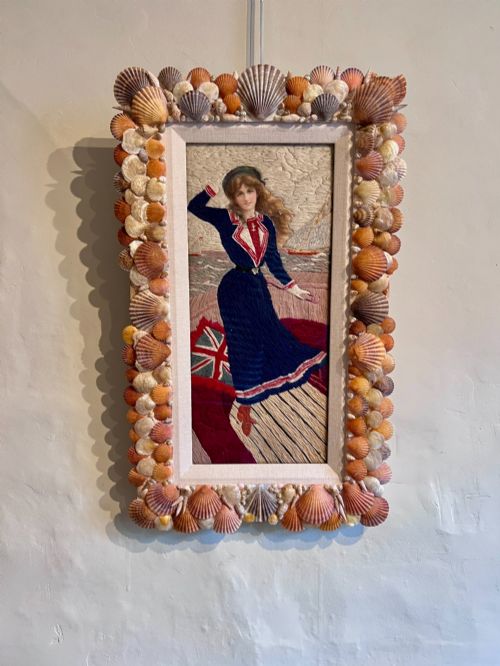
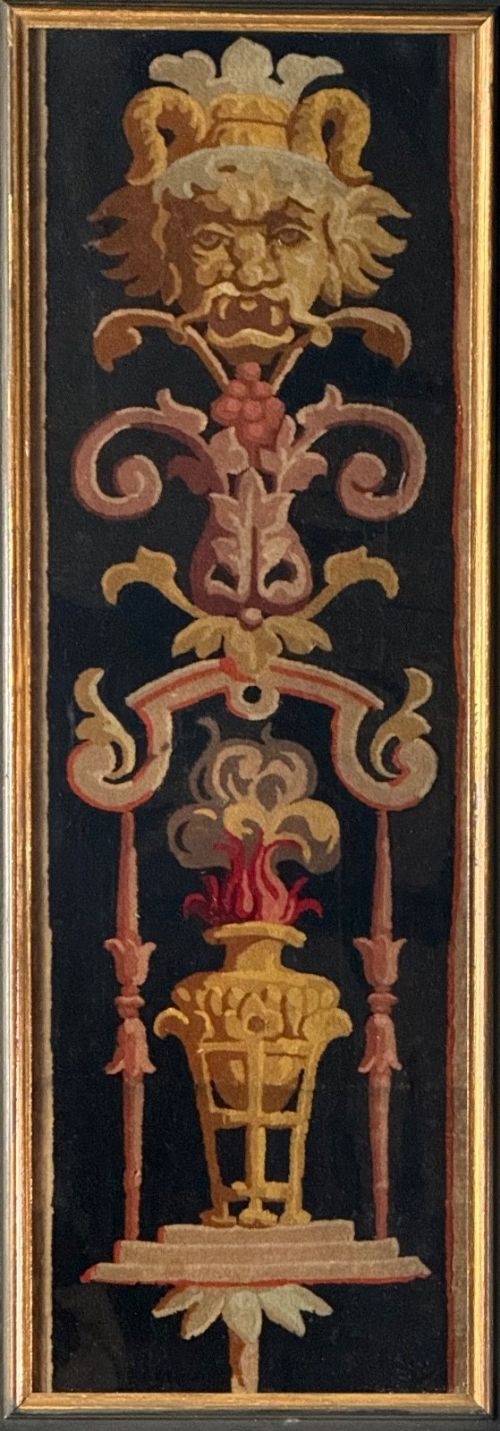
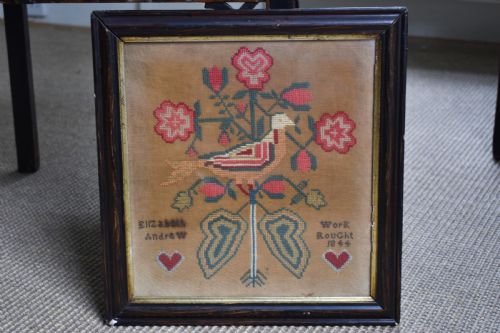
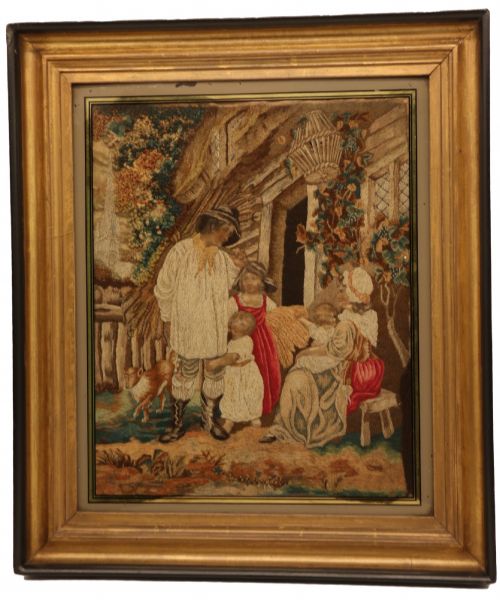
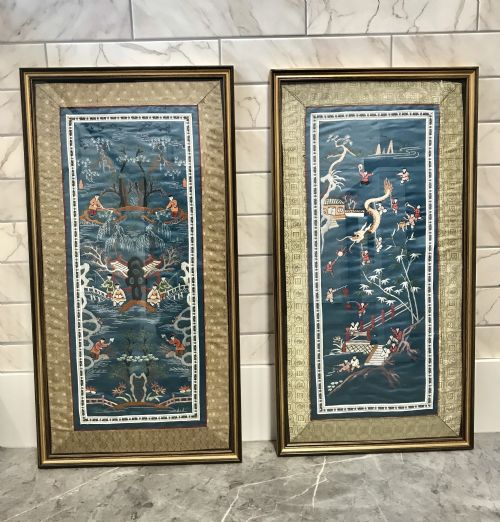
Buyers examining framed tapestry wall art encounter a diverse selection of historical textiles, ranging from grand woven panels and verdure fragments to intricate needlework samplers and silk pictures. The selection spans the seventeenth, eighteenth, and nineteenth centuries alongside early twentieth-century examples, incorporating diverse regional traditions from British woolwork to Asian embroidery and French tapestries.
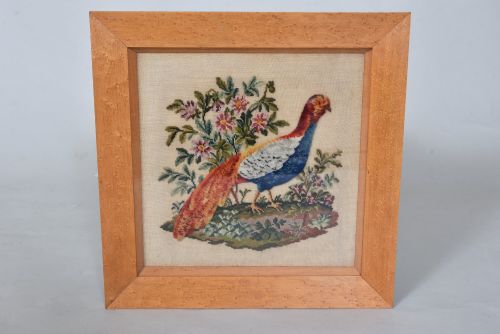
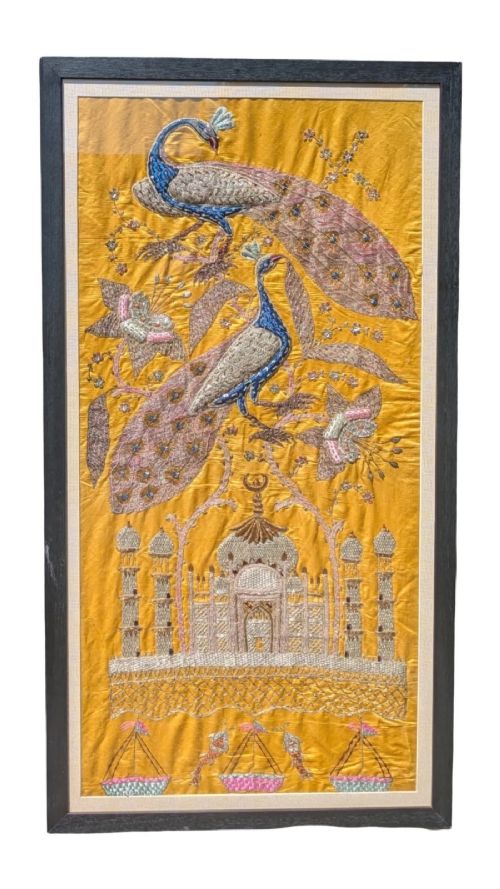
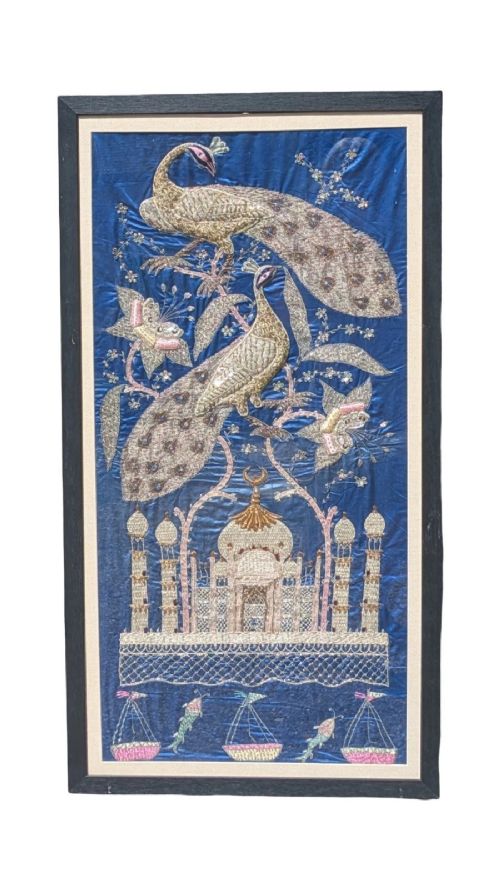
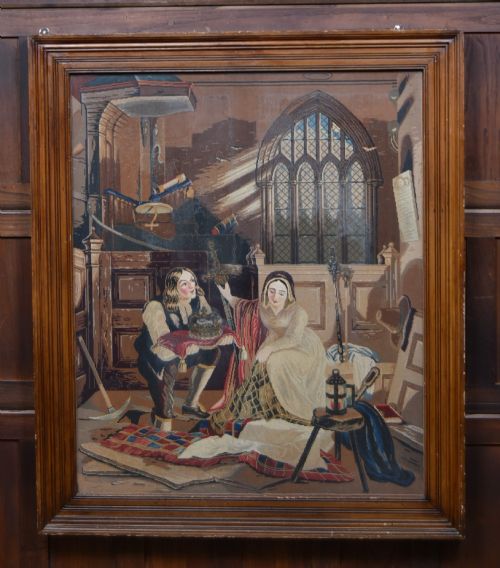
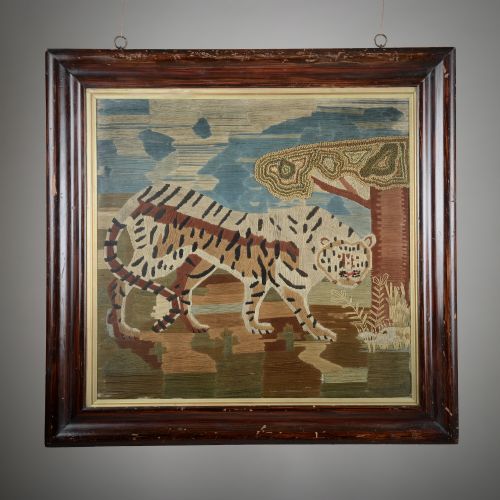
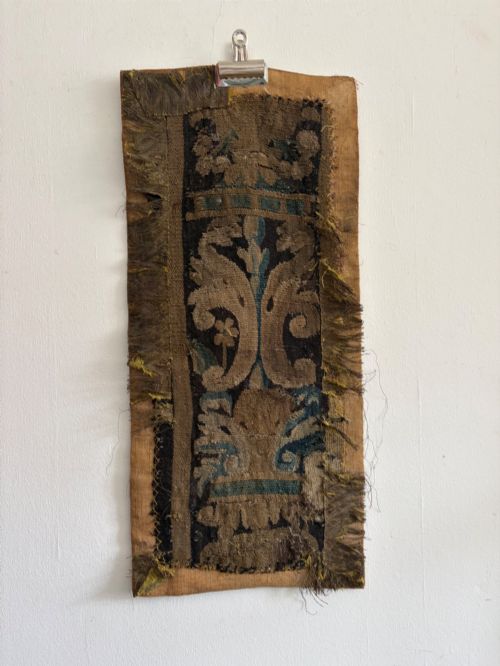
The most prevalent pieces on this page are nineteenth-century needlework pictures, Berlin work panels, and woolwork pieces, often housed in period timber frames such as burr maple or giltwood. Alongside these are larger woven wall hangings, embroidered silk panels, and antique tapestry fragments mounted for display.
Materials and construction methods
These works rely on natural textiles, predominantly wool, silk, linen, and cotton, worked on canvas, backing fabric, or woven directly on looms. Threads range from heavy wool yarns in plushwork and Berlin work to fine silk threads used in detailed pictorial embroidery and hand-sewn panels.
Mounting and framing are integral to the survival of these textiles, utilising wood, giltwood, and glass to protect fragile fibres. Many pieces combine textile arts with hand-painted elements or incorporate specialist framing techniques like verre églomisé.
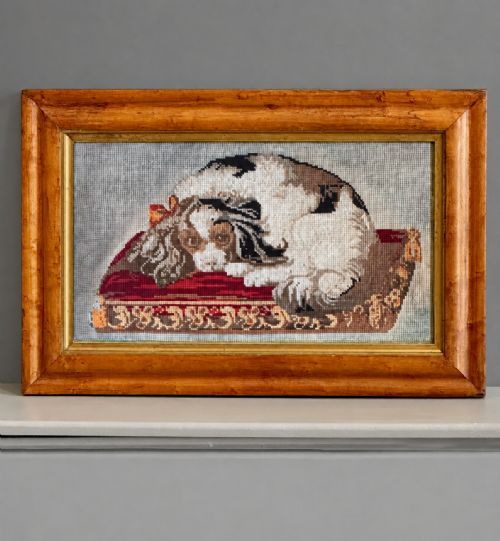
A King Charles spaniel immortalised in wool stares out from a burr maple frame.
Distinctions in quality and execution
The distinction between ordinary and superior pieces rests on the precision of the needlework or weaving, the complexity of the pictorial composition, and the fidelity of the framing. Finer examples display meticulous control of tension, sophisticated colour palettes, and well-executed facial expressions or anatomical proportions in figures.
Originality of the setting elevates certain pieces, particularly those retaining contemporary gilt frames, burr maple surrounds, or protective glass panels that match the period of the textile. Condition also plays a role, with higher quality maintained through stable fibres and minimal intervention over the centuries.
The Framed Tapestry Wall Art Glossary
- Berlin work
- A popular nineteenth-century style of needlepoint worked on canvas using coloured wools, following printed grid patterns. This technique allowed makers to achieve shaded pictorial designs with ease.
- Verre églomisé
- A historic decorative technique involving the application of gold or silver leaf and painted designs to the reverse of glass. It frequently appears on frames surrounding Regency and nineteenth-century pictures.
- Verdure tapestry
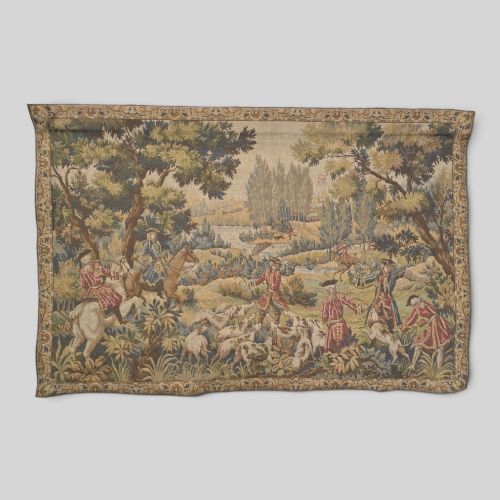
- A woven landscape tapestry dominated by foliage, trees, and often birds or animals. Fragments of these large panels are commonly mounted for display.
- Plushwork
- A textile technique utilising raised or cut loops of yarn to create a textured, velvet-like pile. It appears on Victorian animal and figurative depictions.
- Needlework sampler
- A piece created by a maker to demonstrate proficiency in various embroidery stitches and patterns. These often include alphabets, motifs, and dates.
Framed Tapestry Wall Art: Frequently Asked Questions
What periods do these textiles come from?
The pieces span multiple centuries, with items originating from the seventeenth, eighteenth, nineteenth, and early twentieth centuries. Styles reflect these eras, including Georgian, Victorian, Baroque, and Regency aesthetics.
Material choices shift across these periods, moving from early hand-woven wool and silk panels to later Victorian Berlin work and twentieth-century embroidered wall hangings.
How were these wall art pieces displayed originally?
Historically, large tapestries and woven panels served to insulate stone walls and decorate elite interiors. Smaller embroidered panels, samplers, and silk pictures were framed behind glass to protect delicate threads from dust and light.
Many surviving items retain their original timber frames, such as giltwood or burr maple surrounds, which were selected to complement the textile within.
Are the frames original to the pieces?
A proportion of the listings retain their original period frames, including nineteenth-century gilt frames and specialised surrounds like verre églomisé glass panels. Other antique textiles are mounted or reframed later to ensure structural support.
Examining the fit, timber age, and wear on the frame provides context regarding whether the setting is contemporary to the textile.
How should I care for framed textile art?
Protecting these pieces requires hanging them away from direct sunlight to prevent the fading of natural wool and silk threads. Maintaining a stable indoor environment avoids moisture damage to the fabric and the wooden frames.
Keeping the glass clean with gentle methods preserves the view of the textile without risking moisture contact with the fibres inside.