

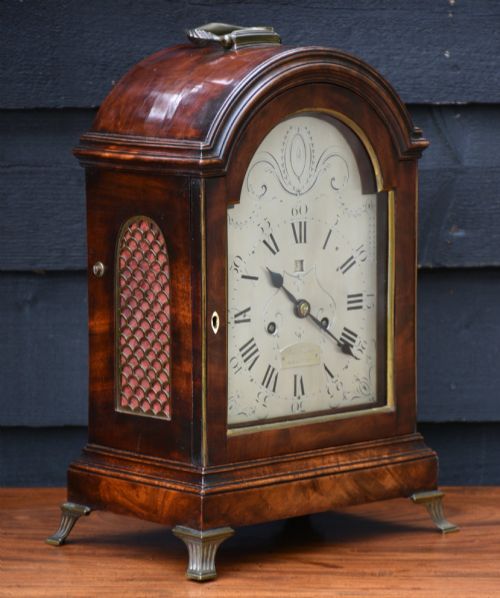
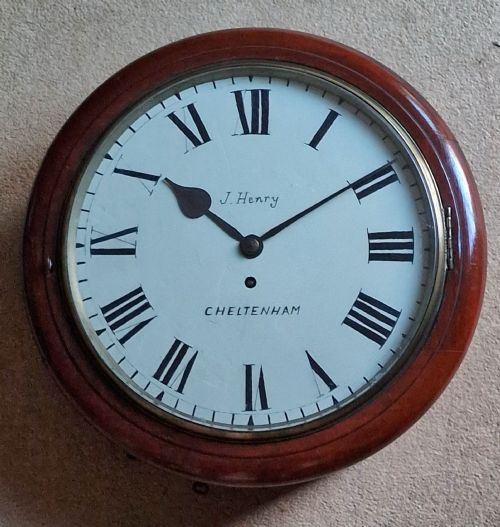
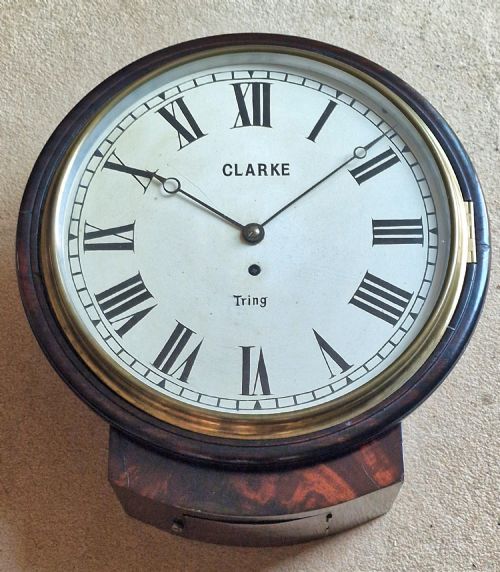
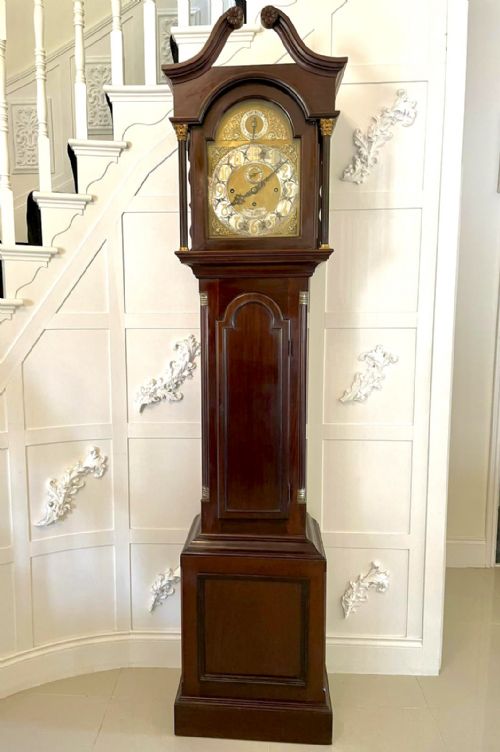
Traditional Wooden Clock
A traditional wooden clock brings tactile warmth and precise mechanics into a room, spanning centuries of cabinetmaking and horology.
Traditional Wooden Clock
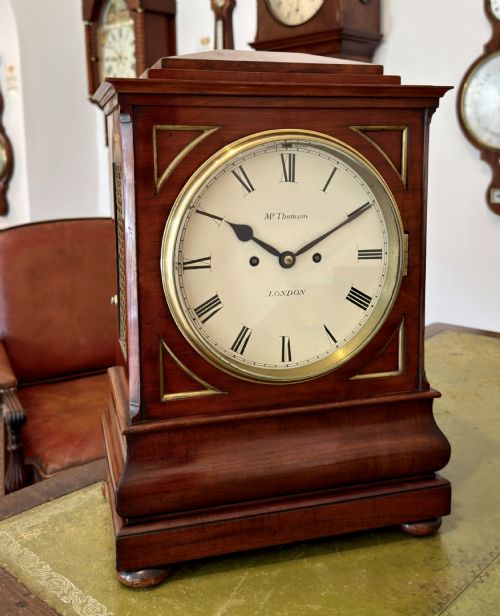
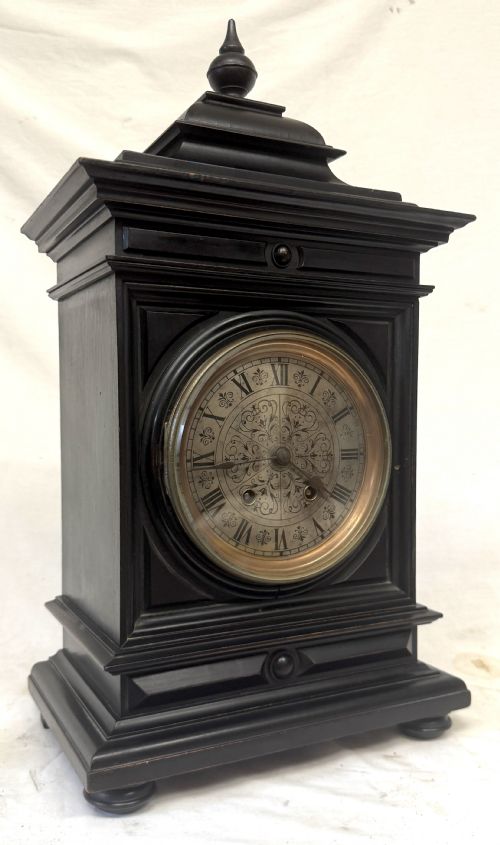
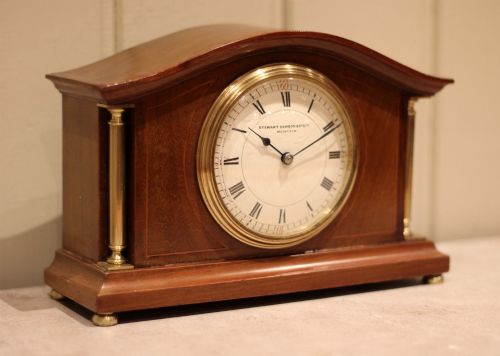
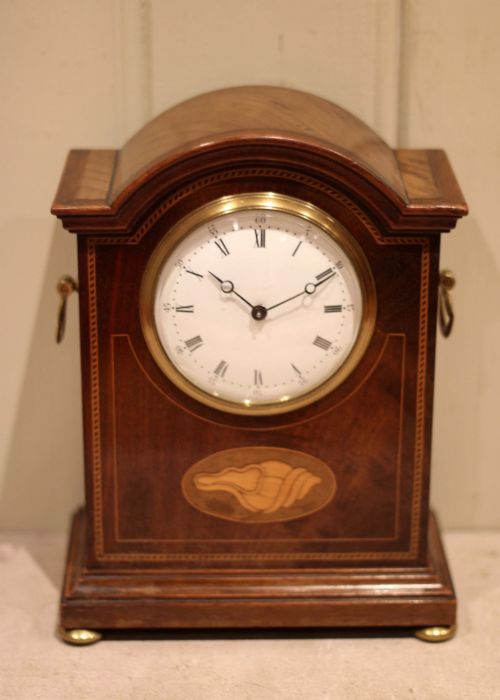
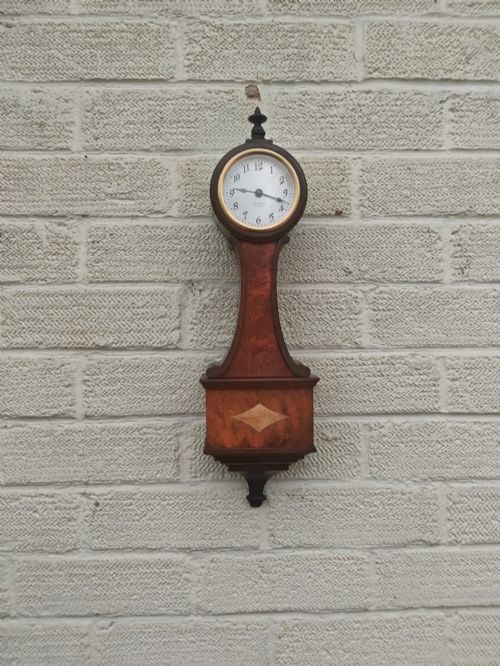
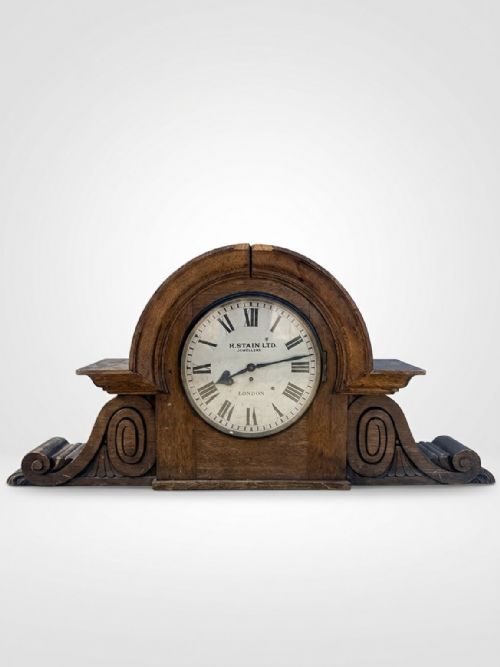
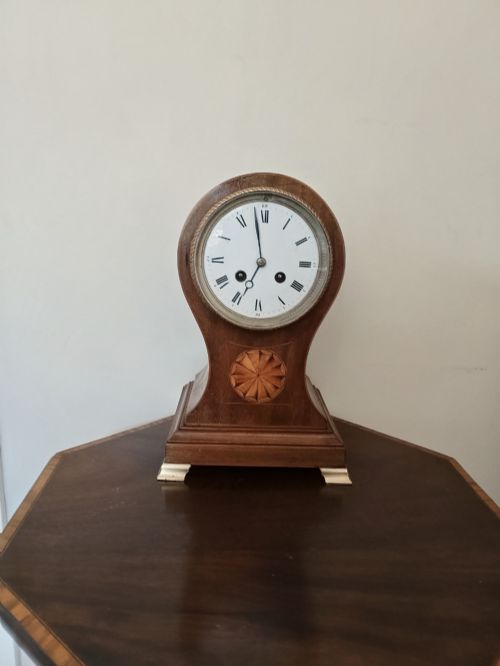
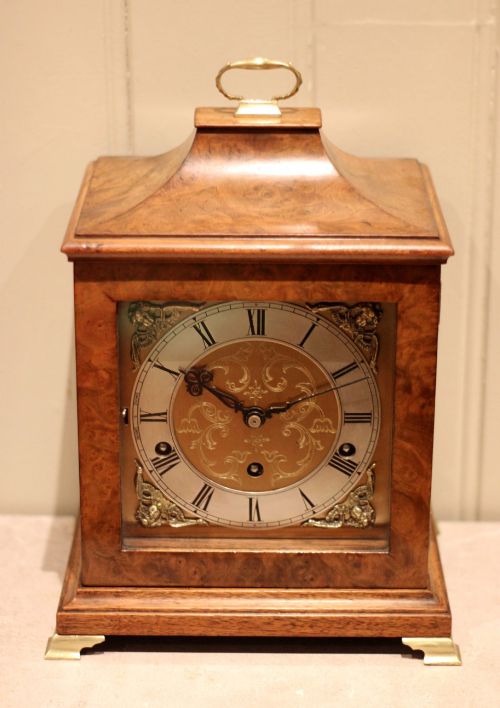
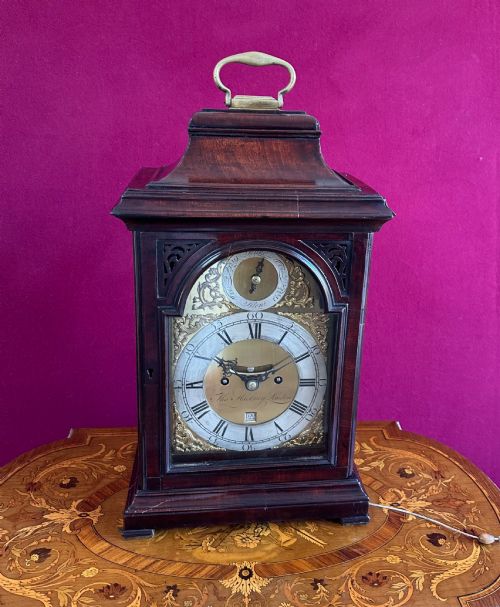
When you search for a traditional wooden clock, you encounter timepieces spanning from the Georgian and Victorian eras through to the early twentieth century. These objects include longcase, mantel, bracket, and wall clocks housed in timber cases.
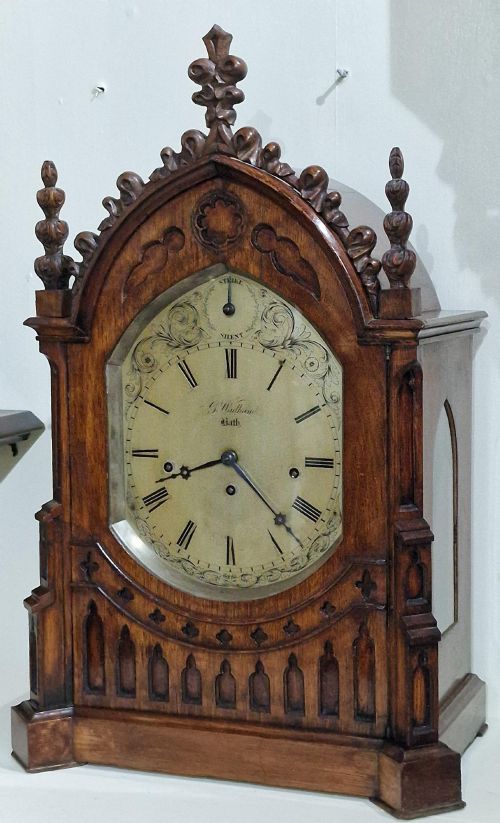
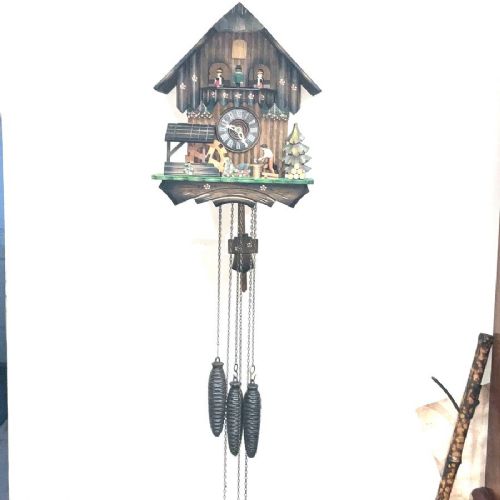
You are most likely to meet mahogany and walnut examples, ranging from large standing grandfather clocks to smaller desk and wall pieces. Styles extend from plain utility dial clocks to ornate Gothic Revival and Black Forest carvings.
Makers utilised various regional designs, from London bracket clocks to provincial railway and tavern pieces. The timber casing houses mechanical movements driven by weights, springs, or fusee mechanisms.
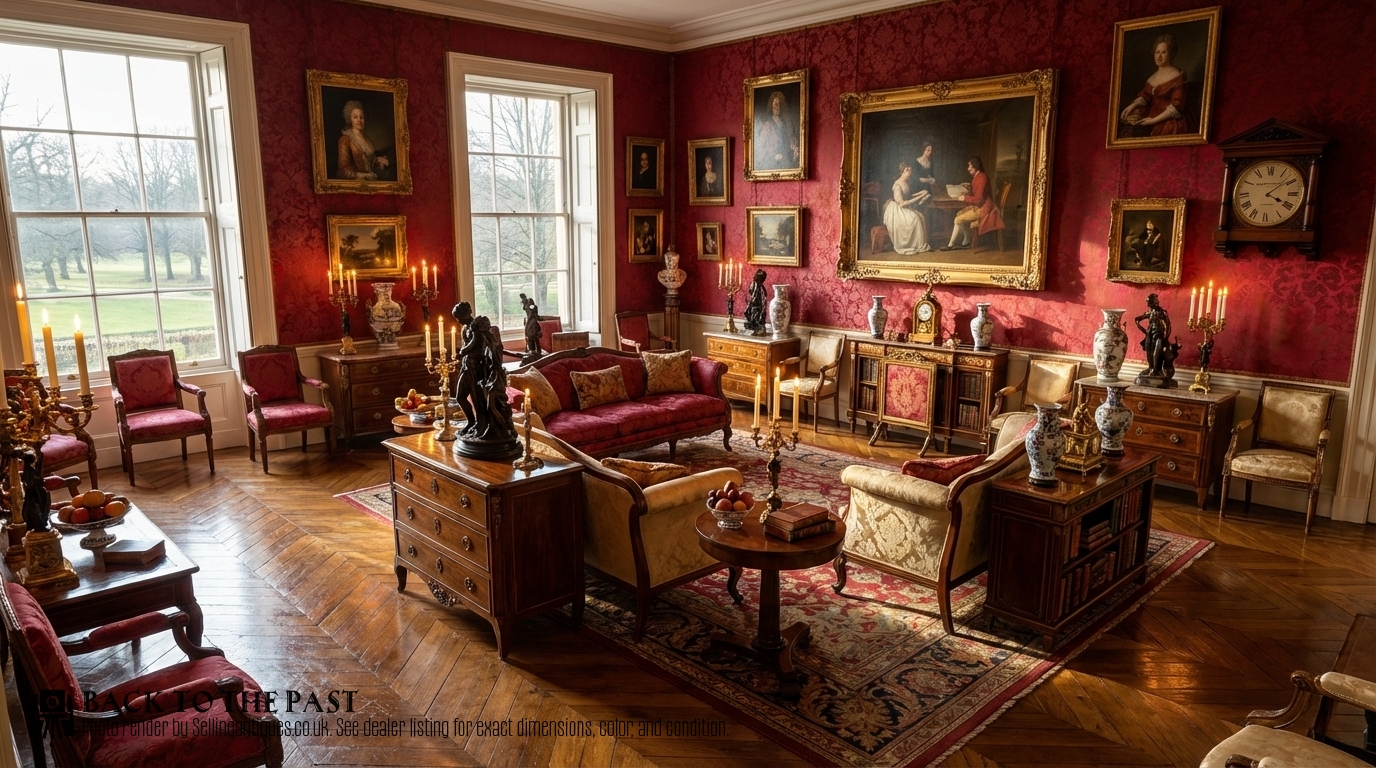
Materials and construction methods
Cabinetmakers constructed the cases using solid and veneered hardwoods such as mahogany, walnut, oak, and ebonised wood, sometimes incorporating marquetry or inlay. Glass doors protected delicate painted, silvered, or enamelled dials fitted with brass bezels.
Clockmakers assembled intricate brass gear trains, escapements, and striking mechanisms inside the wooden housings. Fusee movements regulated the pull of the mainspring to maintain steady timekeeping as the spring unwound.
Traditional Wooden Clock Retail Price Guide 2026
Typical asking prices for traditional wooden clock among the pieces listed under this phrase on Sellingantiques today, from the lower quarter to the upper quarter. They describe what is for sale here now, not the wider market.
Form variations range from miniature bracket and mantel clocks to towering musical grandfather clocks and railway wall dials.
Assessing quality in antique wooden clocks
Quality rests in the precision of the mechanical movement and the sophistication of the cabinetwork. Finer pieces feature high-grade fusee or striking movements signed by capable makers, housed in timber with carefully chosen grain or crisp carving.
Simpler dial clocks and regional tavern pieces prioritize functional legibility and robust construction over decorative veneer work. The integrity of the original movement and the condition of the wooden case determine the standing of each piece.
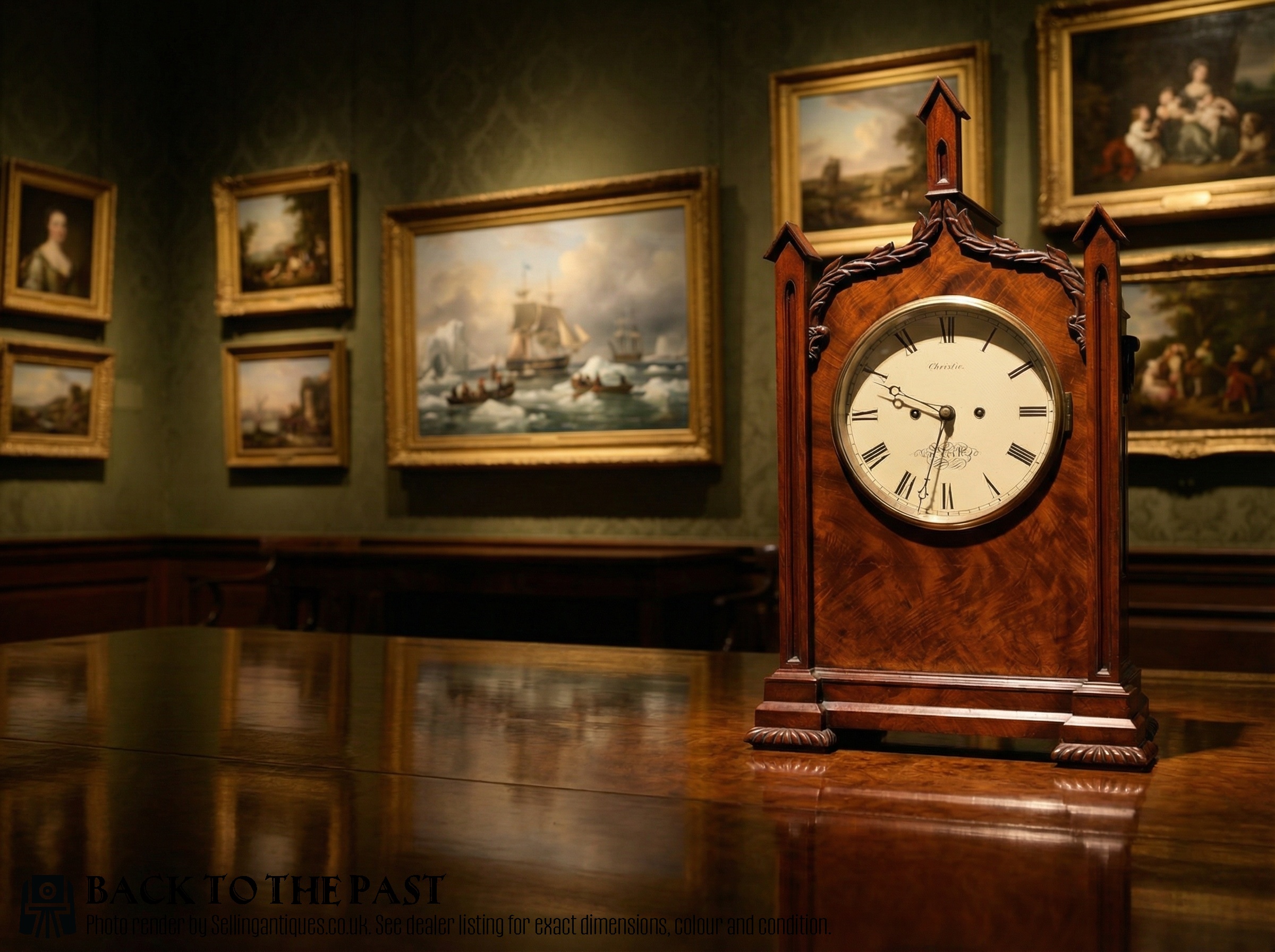
Thomson of London·H.A.C.·Lenzkirch·George Wadham·Seth Thomas·Mappin & Webb·Winterhalder
The Traditional Wooden Clock Glossary
- Fusee
- A conical pulley used in spring-driven clocks to equalise the torque of the mainspring as it runs down. This mechanism helps maintain consistent timekeeping throughout the duration of the wind.
- Bracket clock
- A portable table or shelf clock originally designed to sit on a wall bracket. Many examples feature brass carrying handles and intricate striking or chiming trains.
- Grandfather clock
- A tall, free-standing pendulum clock enclosed in a wooden case. These pieces are also known as longcase clocks and typically measure over six feet in height.
- Dial clock
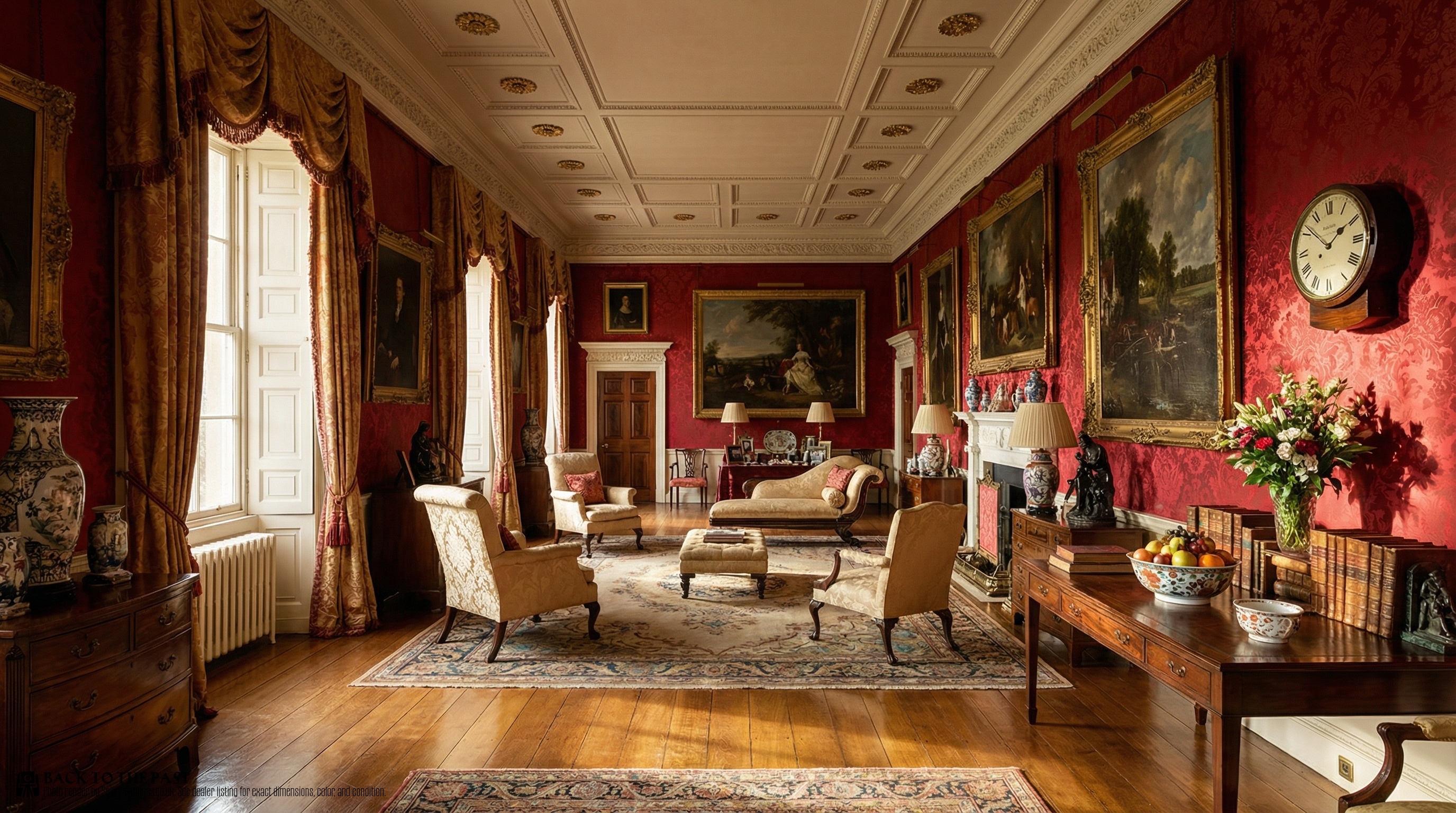
- A wall-mounted clock with a prominent circular face framed by a wooden surround. They were frequently utilised in public buildings, railway stations, and offices.
- Verge escapement
- An early type of clock escapement mechanism that controls the release of the gear train. It works with a balance wheel or short pendulum to regulate the beat.
Traditional Wooden Clock: Frequently Asked Questions
What is a fusee movement?
A fusee movement uses a conical drum to regulate the tension of the mainspring.
This ensures that the force delivered to the gear train remains steady as the spring winds down, improving accuracy.
What is the difference between a longcase and a grandmother clock?
Longcase clocks are full-sized standing timepieces reaching over six feet in height.
Grandmother clocks are smaller, more slender versions produced in the later periods.
Where should I place a wooden wall clock?
Mount dial clocks on a sturdy interior wall away from direct sunlight and dampness.
Stable mounting ensures the pendulum swings evenly and the wooden case avoids temperature warping.