





Traditional Wood Desk Chair
A traditional wood desk chair brings substantial timber character and sturdy seating to a working space, drawing on centuries of English vernacular design.
Traditional Wood Desk Chair
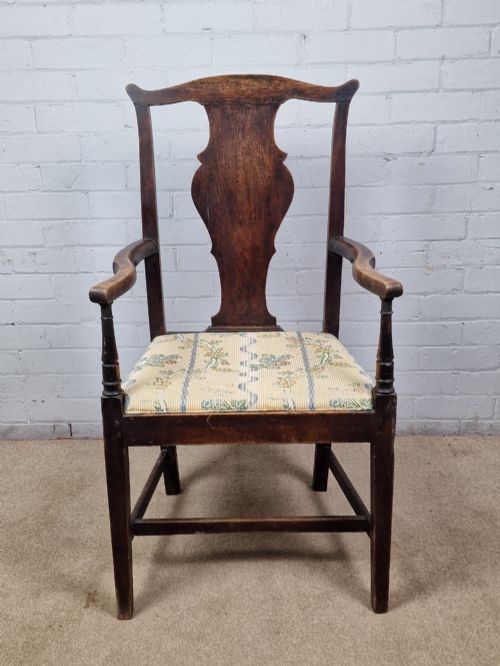
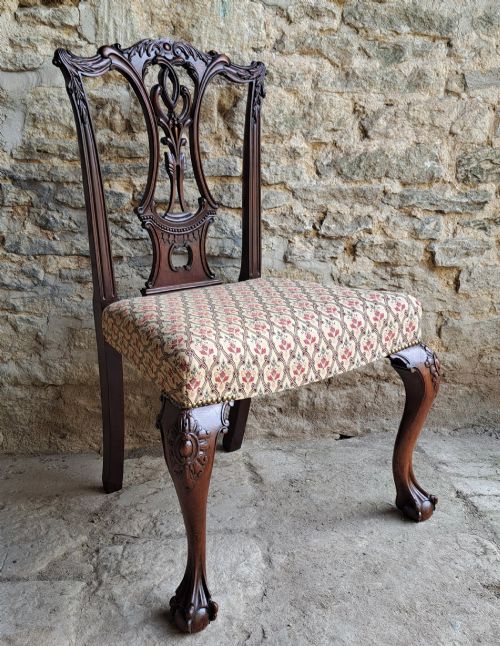
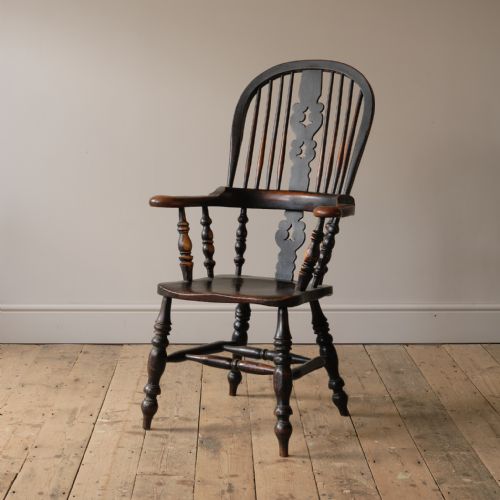
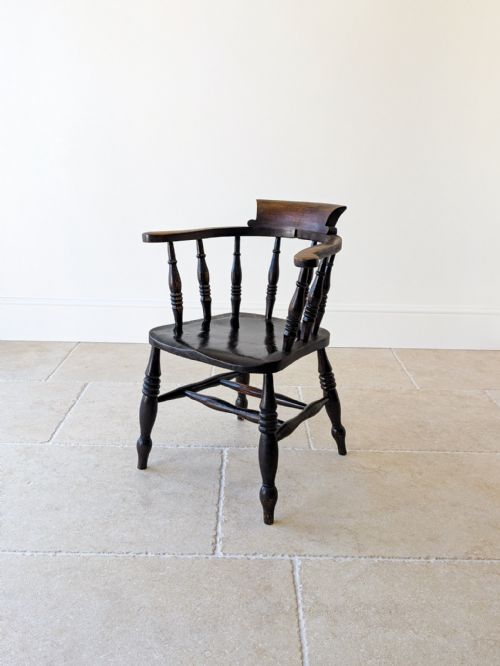
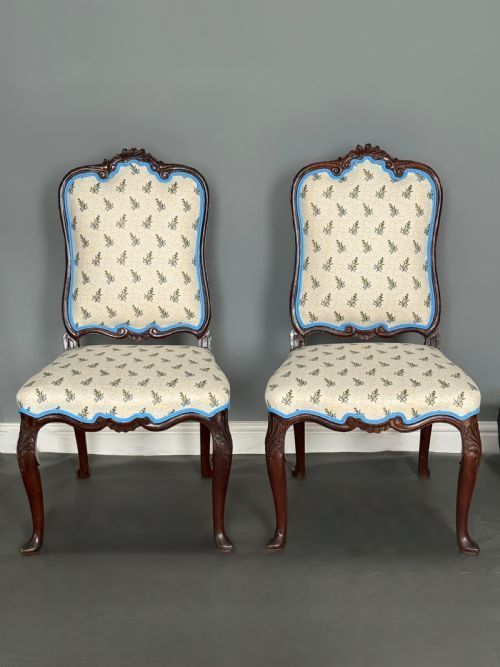
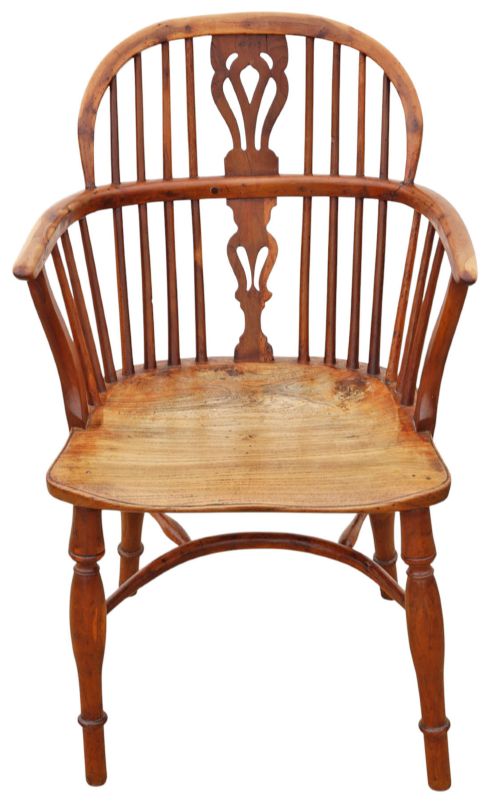
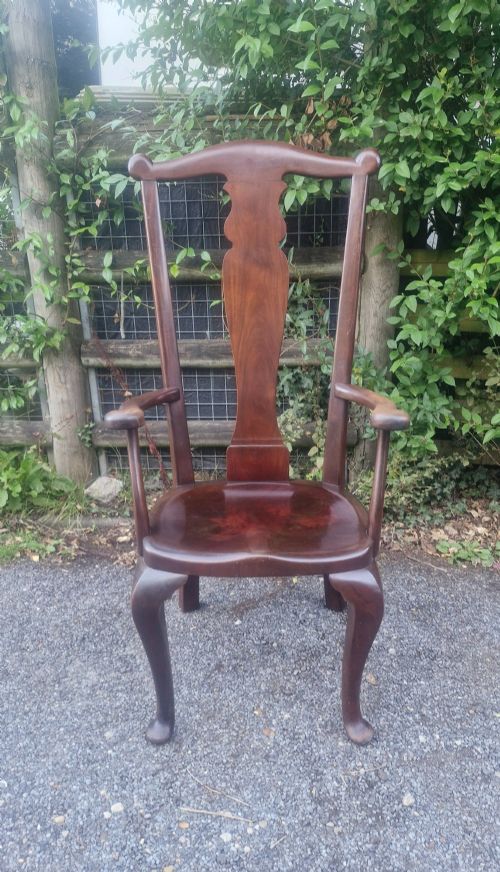
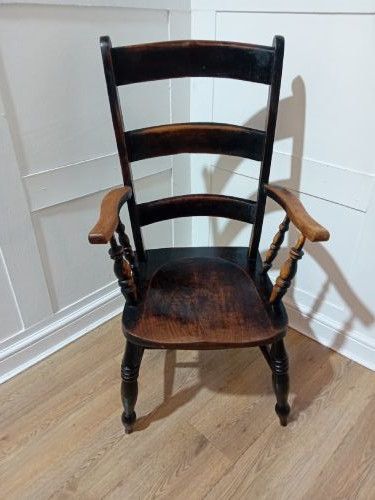
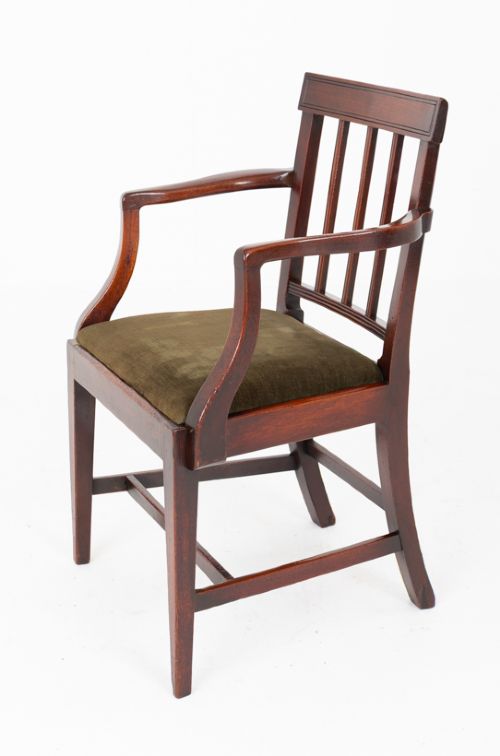
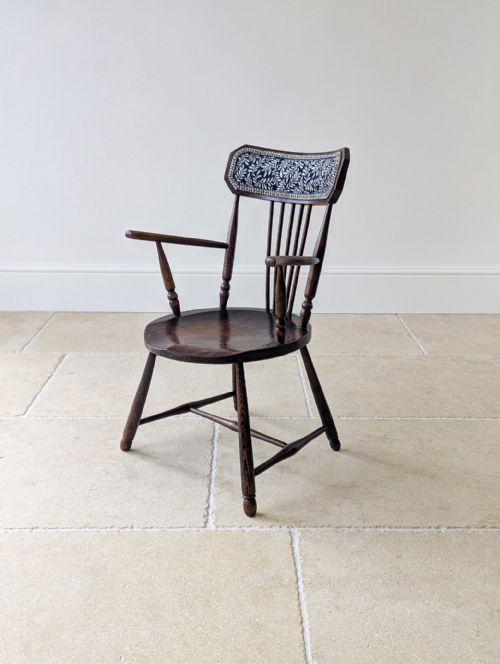
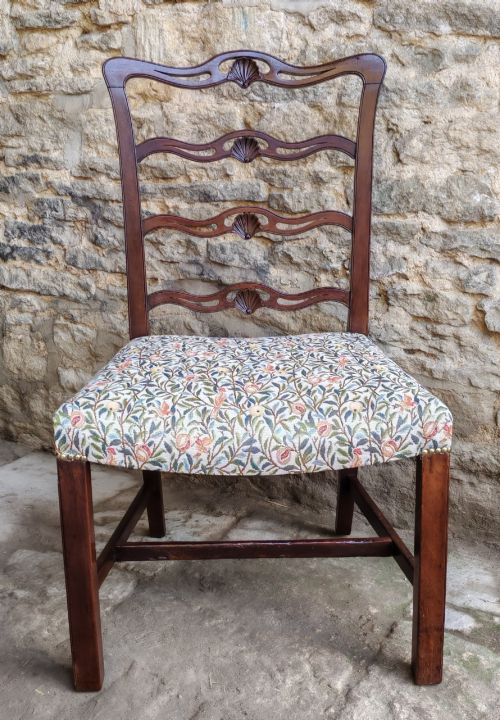
When you search for a traditional wood desk chair, you encounter a robust selection of seating spanning the Georgian, Victorian and nineteenth-century periods. These include Windsor armchairs, captain's chairs, smokers' bows and mahogany carvers designed for library and study use.
The most common forms on this page are country Windsor chairs constructed from mixed timbers alongside formal mahogany desk chairs. Makers utilised regional styles such as Thames Valley vernacular and Chippendale revivals to create durable seating.
Originating from English country workshops and urban cabinet makers alike, these chairs balance utilitarian purpose with traditional craftsmanship. They provide stable platforms for daily desk work through time-tested timber joinery.
How they were made
Construction relies heavily on traditional wood combinations, pairing flexible ash, beech or elm for bent parts and spindles with dense mahogany for formal frames. Craftsmen turned legs on lathes and steam-bent wooden bows to form supportive armrests and back rails.
Joinery methods such as wedged tenons and mortise-and-tenon joints ensured structural longevity without relying on modern metal fasteners. Seats were often deeply saddled from solid blocks of elm to provide ergonomic comfort during long hours at a desk.
Listings span the eighteenth and nineteenth centuries, featuring periods from Georgian elegance to Victorian country vernacular.
What varies in quality
The grade of timber selected dictates much of the quality, with highly figured yew wood, Cuban mahogany and well-grained elm sitting at the upper end. Selection of contrasting woods in a single chair indicates deliberate craftsmanship rather than utilitarian assembly.
Proportion and execution of carved details, from ladder-backs to Chippendale-style open arms, define the distinction between rural vernacular pieces and high-status urban furniture. Original surface finishes and patination accumulated over decades also set superior examples apart.
J Spencer·Alfred Allen of Birmingham
The Traditional Wood Desk Chair Glossary
- Windsor chair
- A wooden chair built with a heavy solid timber seat into which the legs and back spindles are separately bored and wedged. These chairs often feature bentwood hoops and comb backs.
- Carver
- An armchair, typically designed to match a set of dining or office side chairs, featuring elbow rests. They frequently served as heavier seating at the head of a table or desk.
- Smokers bow
- A low-backed Windsor armchair with a rounded continuous rail forming the arms and back, popular in nineteenth-century offices and smoking rooms.
- Vernacular
- Objects built by regional makers following local traditions and utility rather than strict high-style architectural designs. These pieces emphasise functional honesty over academic ornament.
- Yew wood
- A dense, highly figured timber prized by makers for its rich grain and warm reddish-brown tones. It appears frequently in better-quality nineteenth-century Windsor armchairs.
Traditional Wood Desk Chair: Frequently Asked Questions
What is a smoker's bow chair?
A smoker's bow is a sturdy low-back Windsor armchair characterised by a continuous turned wooden rail forming the arms and backrest. These chairs were widely utilised in Victorian offices, inns and writing rooms for robust daily use.
They offer comfortable lumbar support through a curved wooden profile and shorter turned spindles. The compact proportions make them practical for tucking neatly beneath a traditional wooden desk.
How do I identify a yew Windsor chair?
Yew Windsor chairs are identified by the distinctive, highly figured grain and warm golden-brown colour of the timber. Makers reserved this dense wood for prominent parts like arm bows and upper back spindles.
Examining the underside reveals the contrasting pale elm seat typically paired with yew framing. This specific timber combination generally indicates a piece of superior country manufacture.
Are these chairs comfortable for daily work?
Many traditional wood desk chairs feature deep-dished wooden seats carved to fit the body contours naturally. Without upholstered padding, they rely on supportive back spindles and ergonomic arm heights for comfort.
Adding a loose period-appropriate leather or fabric squab cushion is a common historical method for softening the seat. Their solid construction ensures they remain stable and supportive during extended desk use.
How do I distinguish Georgian from Victorian chairs?
Georgian chairs, dating from the eighteenth and early nineteenth centuries, often display restrained classical proportions and fine mahogany carving. Details like pierced splats and Marlborough legs reflect prevailing neoclassical design influences.
Victorian pieces from the mid-nineteenth century onward frequently embrace revival styles, heavier turned members and country elm construction. They tend to exhibit robust proportions suited to expanding domestic and commercial workspaces.