
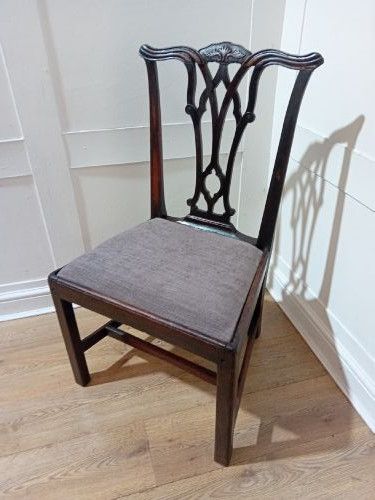
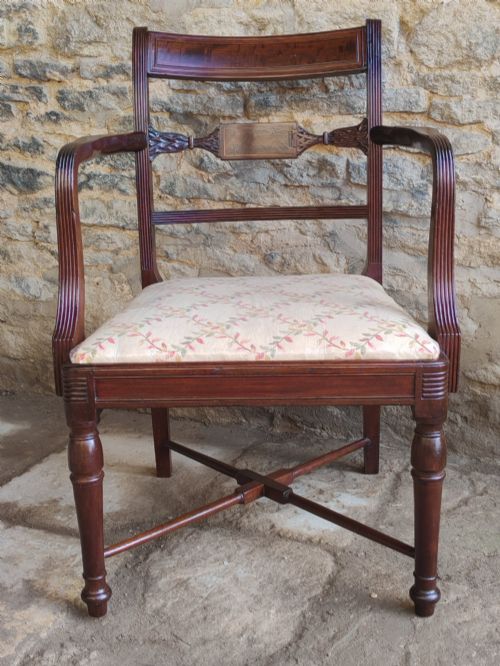
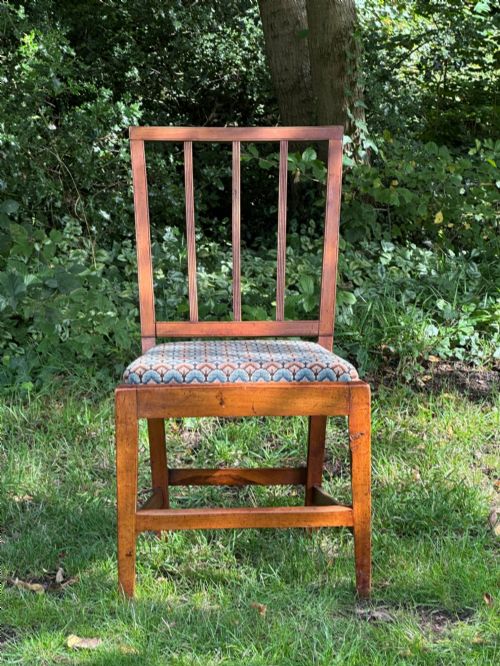
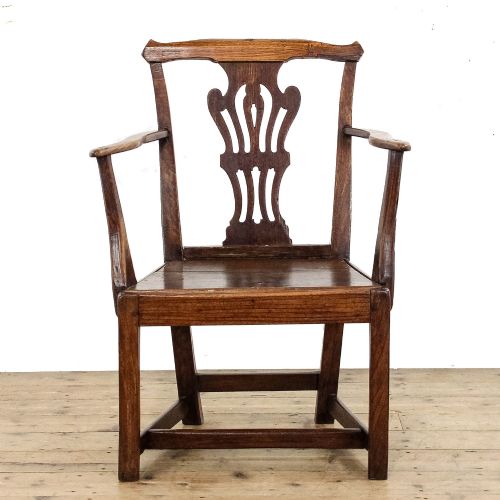
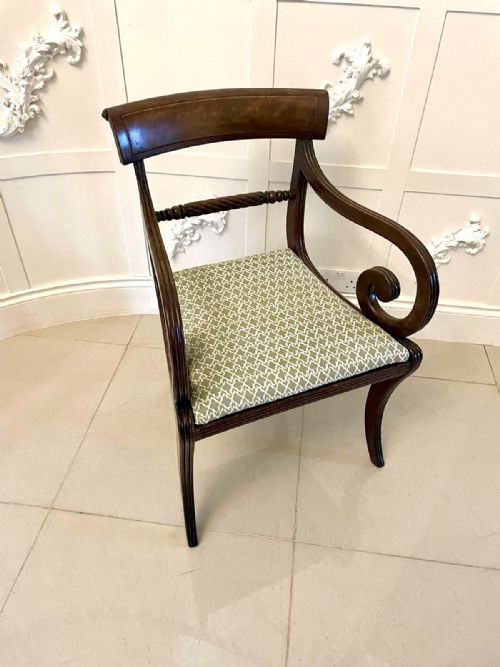
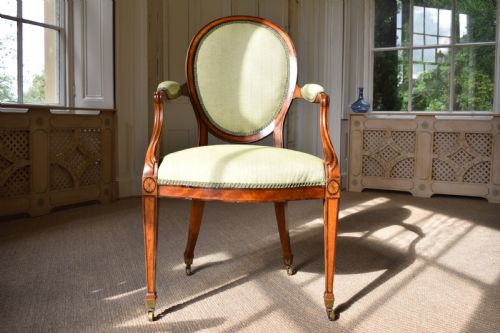
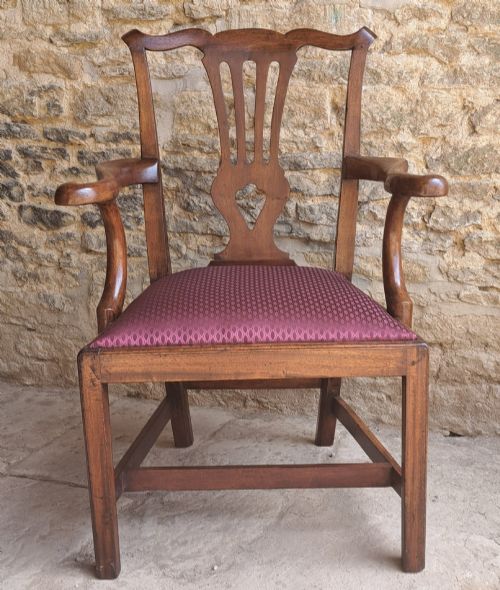
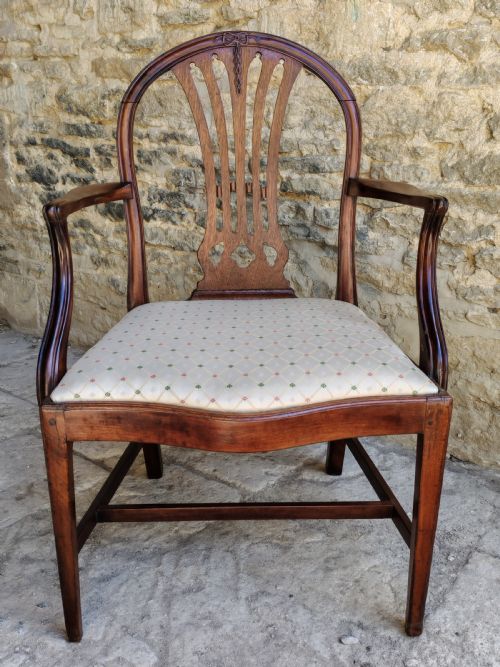
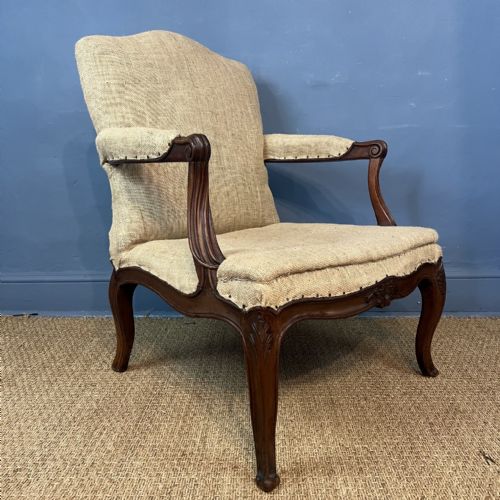


George III Desk Chair
A george iii desk chair brings substantial mahogany frames and leather seating together for period study.
George III Desk Chair
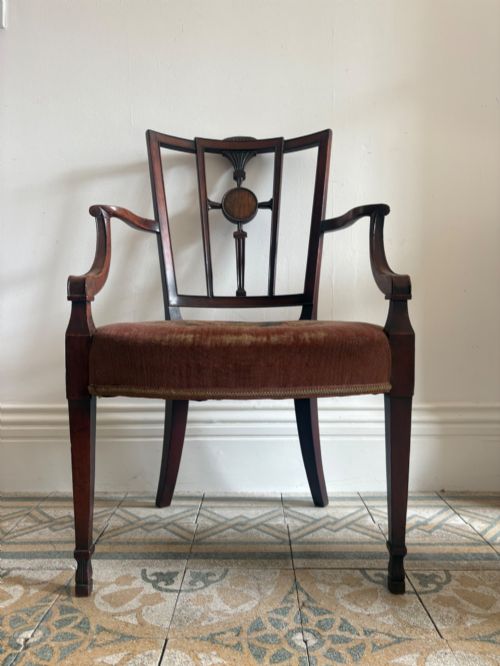
A george iii desk chair is a sturdy seating option originating in the Georgian period, designed for libraries and writing rooms. Buyers searching for a george iii desk chair encounter open armchairs, library Gainsborough models, and elbow chairs built to support prolonged use.
The versions most frequently found on this page pair robust mahogany frames with leather or upholstered seats. Makers of the period utilised local timbers like elm, oak, and birch alongside imported mahogany to construct these functional workspace seats.
Materials and Construction
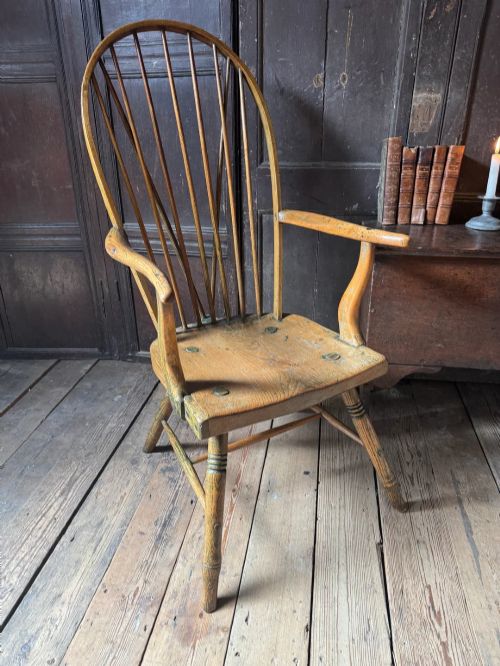
Makers relied heavily on solid mahogany for its dense grain and structural strength, often pairing it with supple leather upholstery for writing seats. Elm, ash, and oak appear frequently in regional country pieces, offering resilient framing for high hoop-back or corner designs.
Joinery methods involved traditional mortise and tenon construction, secured with pegged joints for long-term stability. Carved details such as ribbon backs or fan motifs were worked directly into the timber frame by hand.
Listings feature mahogany predominantly, complemented by elm, oak, walnut, and birch across eighteenth and nineteenth-century periods.
Markers of Quality
Quality rests in the crispness of the carved woodwork and the proportional balance of the frame. Heavy timber scantlings and tight, uncompromised joinery distinguish finer workshop output from simpler vernacular seating.
Originality of surface finish and the retention of period leather significantly influence the character of the piece. Subtle details, such as rosewood roundels or maker stamps, indicate higher workshop origin.
Howard And Co·Gillows
The George III Desk Chair Glossary
- Gainsborough chair
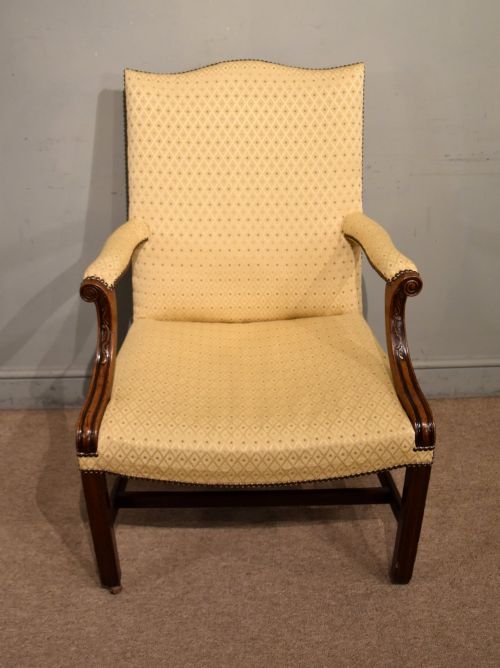
- A wide, upholstered armchair with open padded arms, designed for sitting at a desk or library table. These pieces feature low seats and substantial mahogany frames.
- Carver chair
- An armchair used at the head of a dining table or as a writing seat. The term often describes robust elbow chairs from the Georgian period.
- Corner chair
- A seating form designed to fit into room angles, featuring a diagonal seat plan and continuous elbow rail. They often serve as compact desk or writing chairs.
- Elbow chair
- An armchair with wooden supports for the arms, commonly utilised in studies and libraries. These seats provide a sturdy frame for daily working tasks.
- Shield back
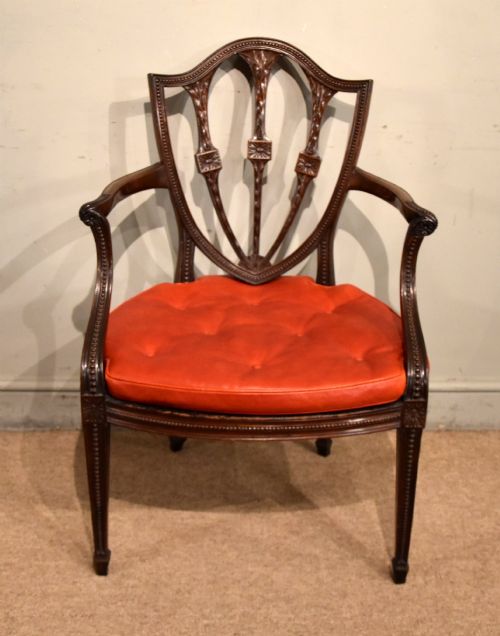
- A chair back style shaped like a heraldic shield, popularised during the late eighteenth century. This design lightens the appearance of heavy mahogany dining and desk seating.
George III Desk Chair: Frequently Asked Questions
What is a Gainsborough desk chair?
A Gainsborough chair is a wide, open-armed armchair with upholstered back and seat, specifically designed for writing tables and libraries.
These pieces offer comfortable seating for reading and correspondence while maintaining a formal eighteenth-century appearance.
How do I spot a true Georgian chair?
Examine the timber density, joint construction, and hand-carved details to determine the age and origin of the seating.
Genuine pieces display period tool marks, solid secondary woods, and proportions typical of eighteenth-century cabinet making.
Can I use an antique chair daily?
These robust mahogany and hardwood frames easily accommodate regular daily use in modern studies or offices.
Ensure the joints remain tight and the leather or fabric upholstery is properly maintained for everyday sitting.
What woods were used for these chairs?
Makers utilised imported mahogany as the primary timber for fine urban furniture, while regional workshops worked with native elm, oak, and birch.
Satinwood and walnut also appear in select examples, adding variety to the grain and colour of the finished seat.