



Early 19th Century Armchair
An early 19th century armchair brings solid craftsmanship and period character to a room, offering seating built with traditional woods and formal or country designs.
Early 19th Century Armchair
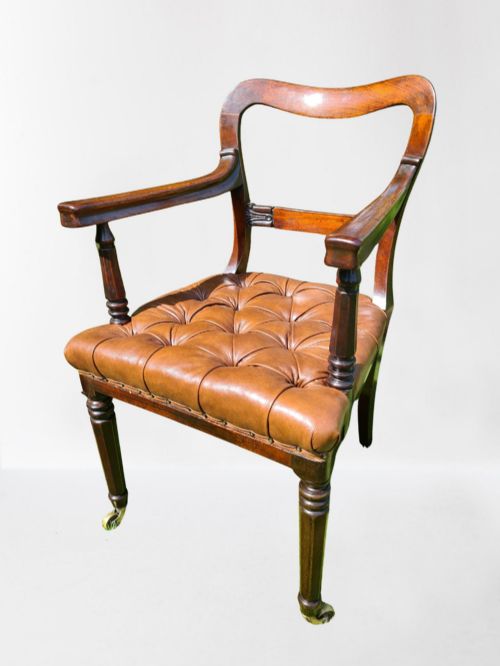
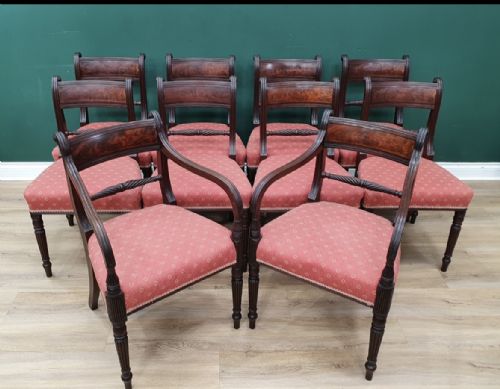
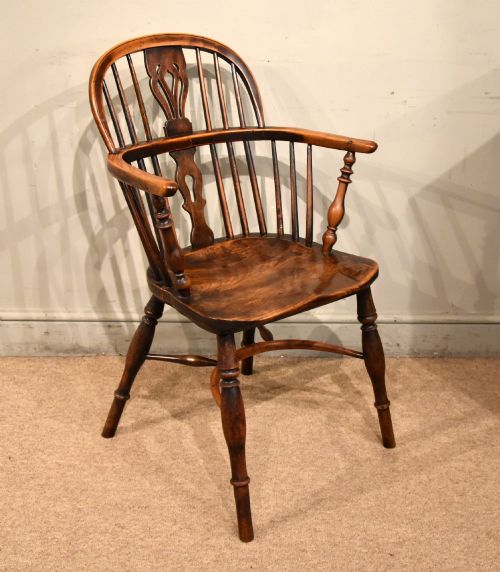
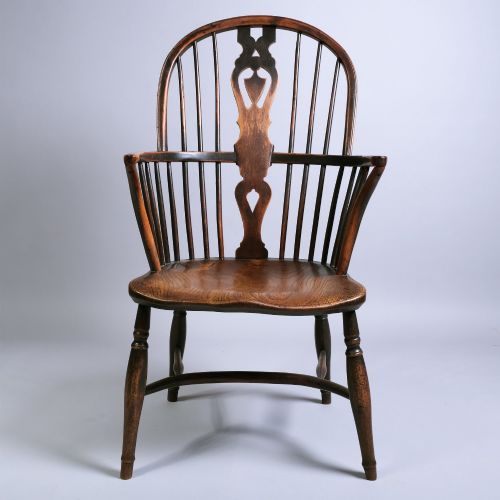
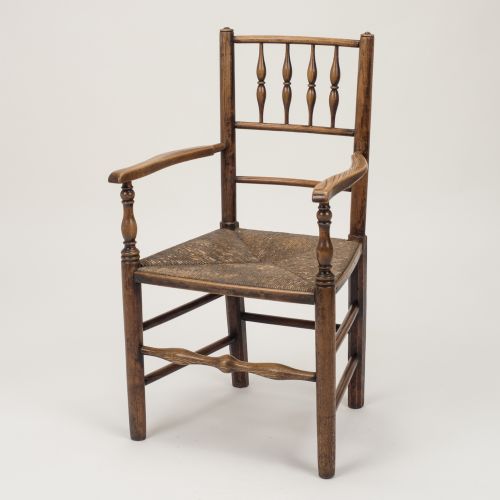
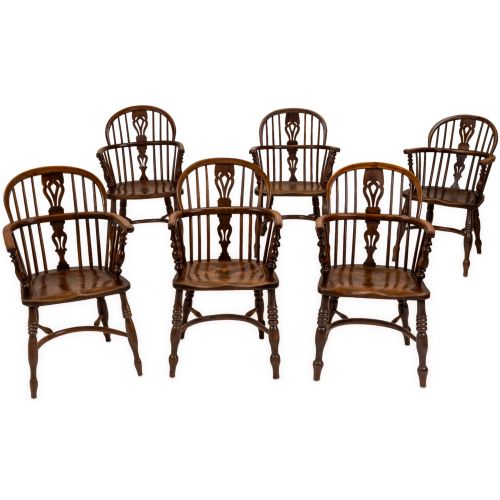
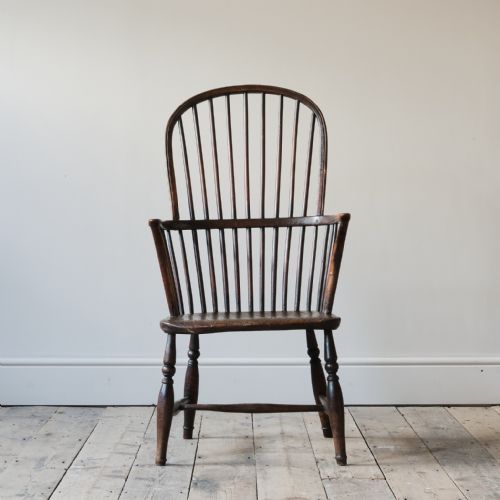
When you search for an early 19th century armchair, you encounter a wide selection of seating shaped by Georgian, Regency, and early Victorian traditions. These range from formal library and desk chairs to robust English country stick-back and hoop-back Windsor forms.
Regional variations appear frequently, including West Country stick-back Windsors and Welsh examples alongside refined mahogany pieces reflecting Regency and William IV styles. Each piece demonstrates the specific vernacular or formal design priorities of its origin.
Materials and construction methods
Cabinet makers and vernacular chair bodgers utilised native timbers like mahogany, rosewood, walnut, yew, elm, ash, and fruitwood. These hardwoods provided the structural strength needed for steam-bent hoops, turned spindles, and solid seats.
Joinery methods combined traditional mortise and tenon joints with steam-bending for hoop backs and curved armrests. Rush seating, leather upholstery, and calico or fabric coverings completed the construction of these chairs.
Country bodgers worked out in the woods with green timber, turning chair legs on foot-powered pole lathes before the wood had even dried.
Distinctions in quality and execution
Quality separates chairs by the selection of figured timbers, such as richly grained mahogany, patterned rosewood, or well-figured yew wood. Well-executed turnings on legs and stretchers reflect greater maker skill.
Structural integrity and the retention of original elements, including rush seats, leather, or specific crinoline stretchers, determine the standing of individual pieces within the range.
Howard and Sons·Miles and Edwards
The Early 19th Century Armchair Glossary
- Windsor chair
- A wooden armchair featuring a solid sculpted seat into which the back and legs are directly wedged. These chairs often combine elm seats with ash or yew spindles.
- Crinoline stretcher
- An arched metal or wooden stretcher connecting the legs of a Windsor chair to provide rigidity. This curved design adds stability to the lower framework.
- Bergere
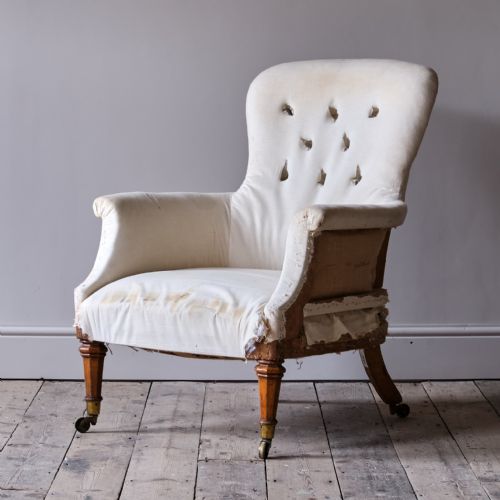
- An enclosed armchair with upholstered sides and back panels set within a wooden frame. The arms and back typically feature cane work or fabric upholstery.
- Library armchair
- A comfortable upholstered chair designed for reading, frequently executed in mahogany with padded armrests. These pieces often incorporate swivel mechanisms for desk use.
- Hoop back
- A continuous bentwood element forming the back and armrests of a chair. This technique distributes weight evenly along the structural frame.
Early 19th Century Armchair: Frequently Asked Questions
What is the difference between a library chair and a desk chair?
Library chairs generally focus on seated comfort for reading, often featuring upholstered elements or curule frames. Desk chairs are built for working at writing tables, sometimes incorporating swivel actions or narrower proportions.
Mahogany and rosewood dominate both forms during the early 19th century. Desk chairs frequently show simpler wooden framing or leather upholstery suited to study environments.
Where were regional country chairs made?
Country chairs were produced in rural workshops across regions like the West Country, Wales, and Nottinghamshire. Local timber availability dictated the choice of woods, such as fruitwood, elm, and ash.
Vernacular makers relied on traditional turning and bodging techniques rather than urban cabinet-making standards. This resulted in sturdy seating tailored to local domestic requirements.
How should I care for antique wood and leather?
Maintain antique wood by applying suitable furniture wax periodically to nourish the surface without building up heavy residues. Keep chairs away from direct heat sources and dramatic humidity shifts to prevent timber splitting.
Leather upholstery benefits from gentle cleaning and occasional conditioning to maintain suppleness. Avoid harsh chemical cleaners on any original wooden or upholstered surfaces.