


Red Tapestry Armchair
A red tapestry armchair brings rich texture and storied upholstery to a room, offering both robust seating and historical decorative presence.
Red Tapestry Armchair
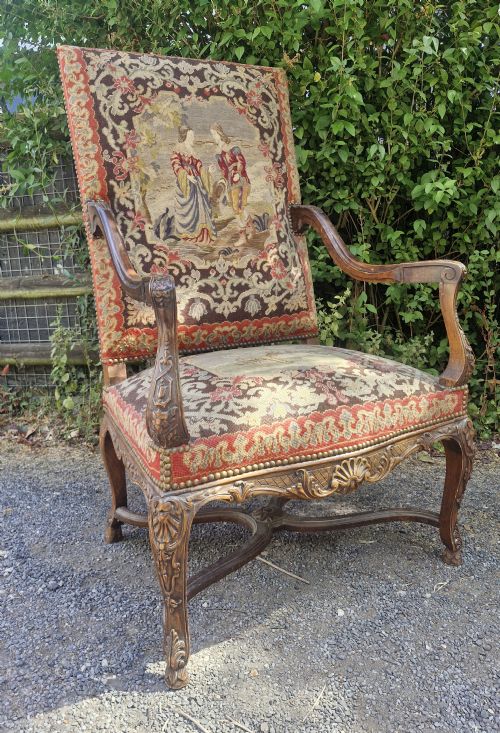
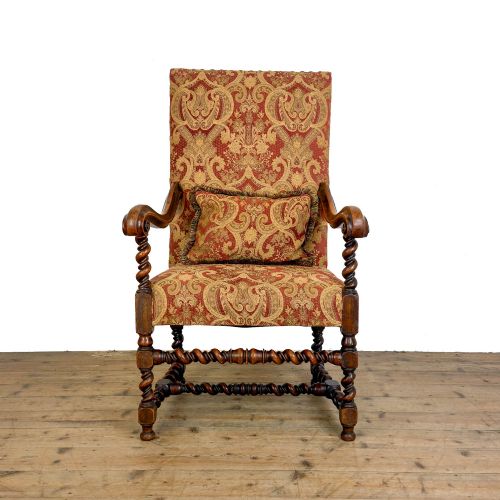
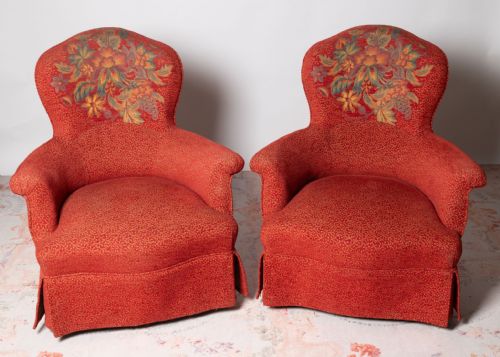
A red tapestry armchair is a substantial seating form upholstered in woven textiles or needlework, frequently appearing in nineteenth-century interpretations of historical design.
You are most likely to encounter Victorian and late nineteenth-century examples featuring carved wooden frames, needlework upholstery, and deep seat proportions.
The selections span various revival movements, including Renaissance, Baroque, and French styles, alongside simpler nineteenth-century mahogany and walnut frames.
Construction and materials
Frames are constructed from sturdy timbers such as mahogany, walnut, oak, and beech, often shaped through hand carving to form curved arms and cabriole or turned legs.
Upholstery relies on heavy textile work, combining wool and cotton threads in complex tapestry, needlework, or needlepoint techniques to create durable patterned surfaces.
Red Tapestry Armchair Retail Price Guide 2026
Typical asking prices for red tapestry armchair among the pieces listed under this phrase on Sellingantiques today, from the lower quarter to the upper quarter. They describe what is for sale here now, not the wider market.
Some nineteenth-century chairs required such intricate needlework that makers employed entire rooms of stitchers just to keep pace with fashionable drawing room demands.
Judging quality and craftsmanship
Quality reveals itself in the crispness of the timber carving and the structural integrity of the frame joints, where solid hardwoods outlast softer alternatives.
The density and fineness of the tapestry or needlework cover, alongside the execution of the hand-stitched details, distinguish higher grade seating from simpler commercial output.
White, Allom & Co.·Holland & Sons·Howard & Sons
The Red Tapestry Armchair Glossary
- Tapestry
- A thick textile woven on a loom with coloured threads to form pictorial or geometric patterns. These covers provide durable and decorative surfaces for nineteenth-century seating.
- Needlework
- Stitches applied by hand to an open-weave canvas ground to create dense designs. This technique appears frequently on nineteenth-century chair seats and backrests.
- Revival
- A design style that imitates historical aesthetics from earlier centuries, such as the Renaissance or Baroque periods. Makers utilised these motifs to appeal to Victorian tastes for antiquity.
Red Tapestry Armchair: Frequently Asked Questions
How do I clean a tapestry armchair?
Surface dust can be removed gently using a soft brush attachment on a low-suction vacuum. Avoid harsh chemical cleaners that might damage the woven wool and cotton fibres.
Professional textile cleaning is recommended for deeper marks to preserve the integrity of the historical fabric.
Are these chairs comfortable for daily use?
Many nineteenth-century armchairs offer generous proportions and supportive sprung or padded seats. Their ergonomic comfort depends on the original internal padding and webbing condition.
Some smaller slipper chairs or occasional models are better suited for light sitting rather than lounging.
How do I date a red tapestry armchair?
Dating relies on examining the timber species, joinery methods, and the style of the carved frame. Renaissance revival and Victorian pieces typically display heavier ornamentation and specific turning styles.
The backing fabric and tack types can also offer clues regarding the age of the upholstery.
What wood types were used?
Cabinetmakers utilised a variety of hardwoods including mahogany, walnut, oak, and beech for structural strength. Giltwood and ebonised finishes were also applied for specific decorative effects.
The choice of timber often reflects the manufacturing period and regional design preferences.