


Traditional Watercolour Painting
Traditional watercolour painting captures the changing light of rural landscapes and coastal harbours across the nineteenth and twentieth centuries.
Traditional Watercolour Painting
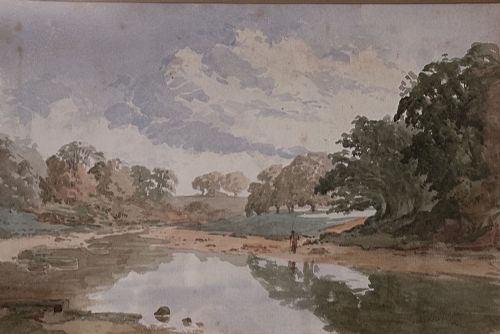
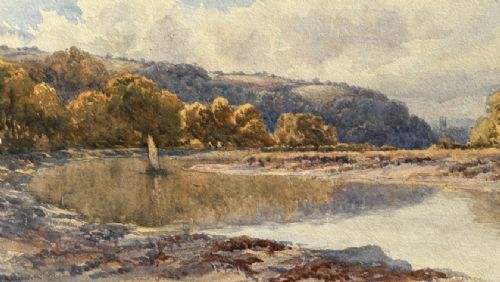
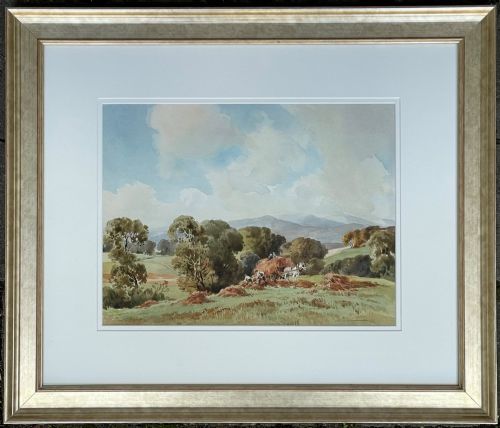
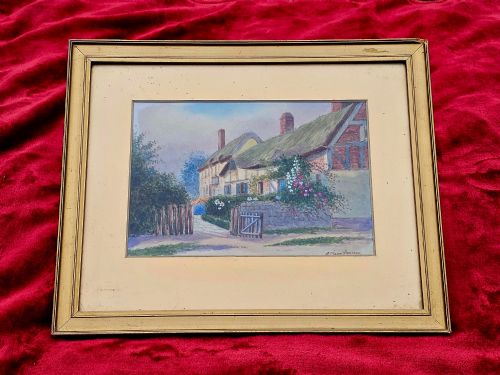
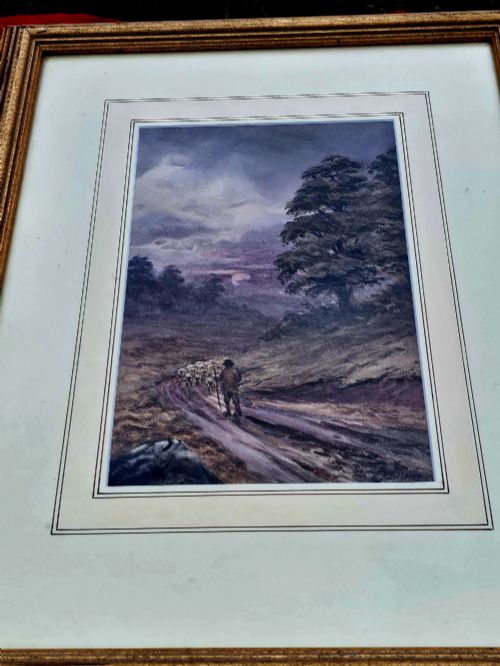
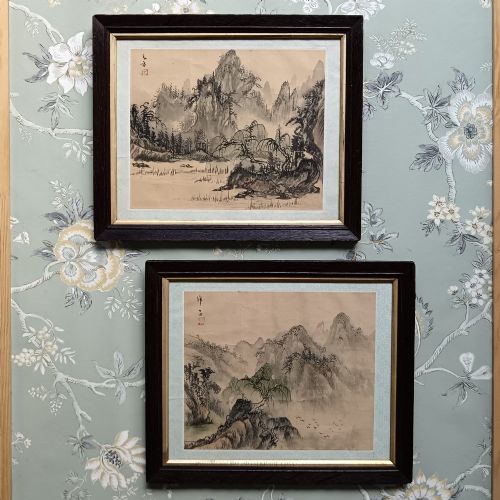
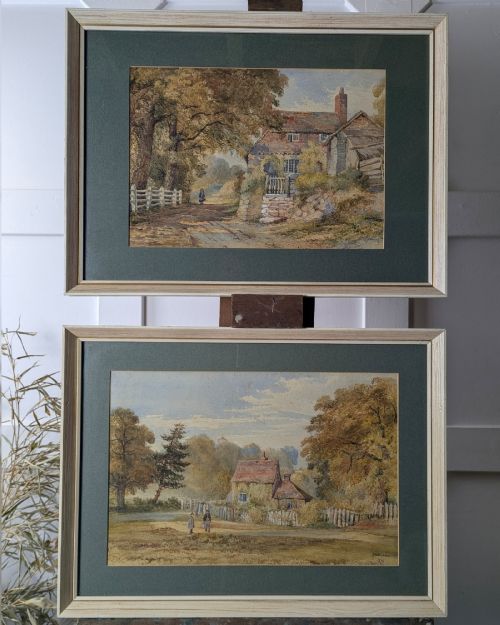
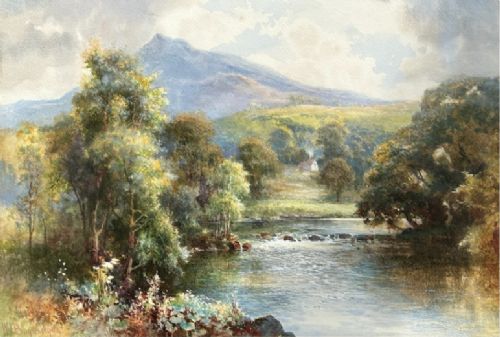
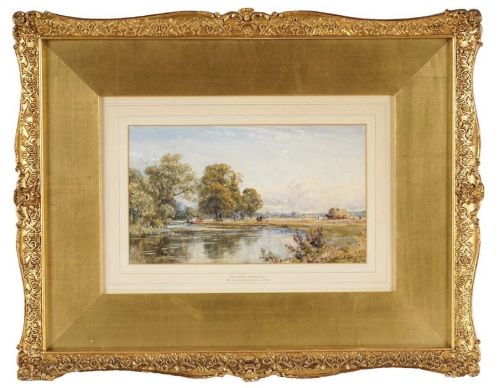
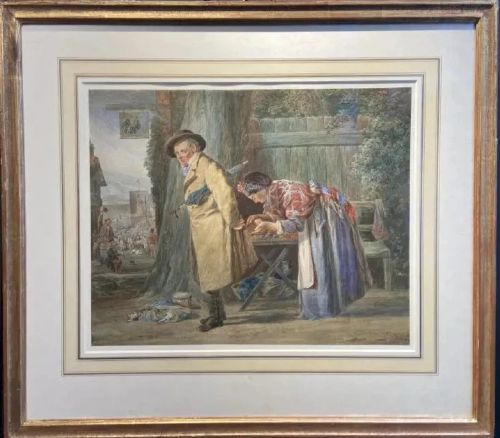
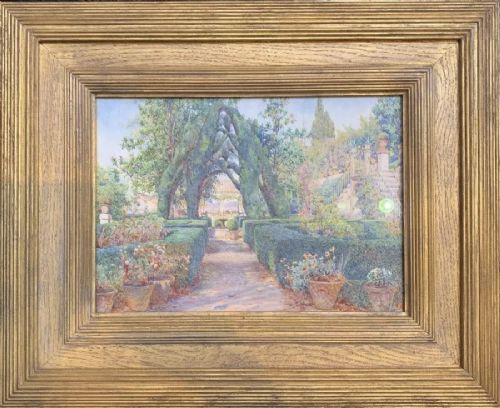
A traditional watercolour painting brings delicate pigment onto paper, capturing landscapes, coastal views and rural scenes from the nineteenth and twentieth centuries. These works frequently depict British countryside and coastal harbours, rendered with soft washes and careful detail.
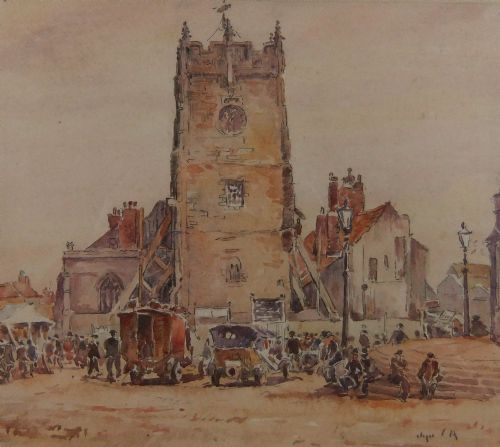
The pieces on this page span the Victorian and Edwardian eras through to the mid-twentieth century, encompassing pastoral scenes, river views and architectural studies. Buyers encounter framed artworks that preserve the light and atmosphere of earlier periods through traditional handling of water-soluble pigments.
Most examples originate from British artists working in regional landscapes, capturing domestic scenes, agricultural life and marine subjects. Paper supports, occasionally paired with original gilt frames and glass protection, define the physical presence of these works.
Materials and technique
Artists apply finely ground watercolour pigment suspended in a water-soluble binder onto absorbent paper surfaces. This technique relies on transparent washes that allow the white of the paper to shine through, creating luminous effects of sky and water.
Framing typically involves wood mouldings, often gilded, paired with glass to protect the delicate paper and pigment from moisture and handling. Artists build up compositions from thin washes of colour to opaque highlights, sometimes finished with ink or pencil outlines.
Listings feature works executed on paper using watercolour pigment, housed in wood and glass frames.
Distinctions in quality
Quality rests in the handling of light, brushwork confidence and the preservation of pigment vibrancy across the paper surface. Stronger works demonstrate a sure command of tone and atmospheric perspective rather than mere mechanical precision in architectural or botanical recording.
The integrity of the paper support and the retention of original framing elements influence the overall character of a piece. Works that avoid excessive fading from sunlight retain the subtle tonal shifts intended by the artist.
Alfred Young Nutt·Percy Lancaster·A Marie Parsons·EJ Letheren·William Banks Fortescue·Robert A Nottingham·William Joseph Boyes·Robert Thorne Waite·John Smith Atherton·Joseph H Barnes·Ernest Arthur Rowe·George Oyston·Hendrik Valkenberg·Alfred G Morgan·Russell Sidney Reeves·Carlo Ferranti·Arthur Dudley·Robert Leslie Howey·Henry Martin Pope·David Cox·Henry Barlow Carter·Henry Charles Fox·Robert Little·Edward Chance·Filipo Indoni
The Traditional Watercolour Painting Glossary
- Watercolour pigment
- Finely ground colour particles mixed with a water-soluble binder, usually gum arabic. This substance dissolves in water and applies in thin, translucent layers.
- Gilt frame
- A wooden picture surround covered with a thin layer of gold leaf or metallic paint. Such frames often complement nineteenth-century works.
- Wash
- A fluid layer of diluted watercolour spread evenly across paper to create skies or backgrounds. Painters control the water ratio to achieve soft gradations of tone.
- Support
- The physical material upon which the painting is executed. Paper serves as the primary support for these works.
Traditional Watercolour Painting: Frequently Asked Questions
How do I hang a watercolour painting safely?
Keep watercolours away from direct sunlight to prevent the pigments and paper from fading over time. Position them on interior walls where temperature and humidity remain stable.
Ensure the frame hangs securely from appropriate fixings to protect both the glass and the original paper support from accidental impacts.
How should I clean the glass on a framed watercolour?
Apply a small amount of glass cleaner to a soft cloth rather than spraying it directly onto the frame. This prevents moisture from seeping under the glass edge and damaging the paper beneath.
Wipe the surface gently and avoid pressing hard against the glass to protect the delicate antique frame moulding.
Are these paintings signed by the artists?
Many pieces feature visible signatures or initials applied by the artist, often located in the lower corners of the composition. Some works also include handwritten inscriptions on the reverse detailing the location or title.
Unsigned examples frequently attribute to specific periods or hands based on stylistic traits, technique and framing evidence.
What framing is typical for these watercolours?
Survivals often retain their original wooden frames, sometimes finished with gilt or moulded ornamentation typical of the Victorian and Edwardian periods. These housings protect the fragile paper edges from environmental wear.
Replacing historical frames is generally discouraged by collectors who value the complete period ensemble of artwork and mount.