




Traditional Upholstered Chaise
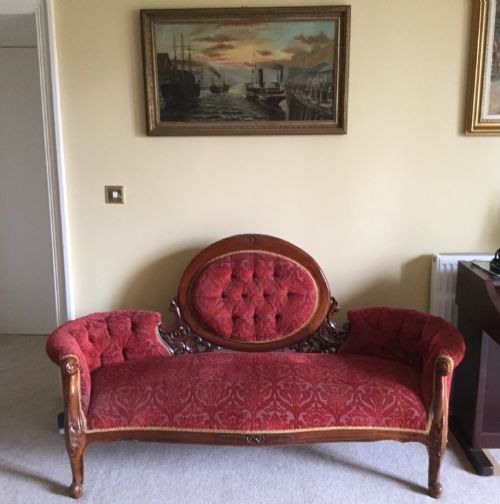
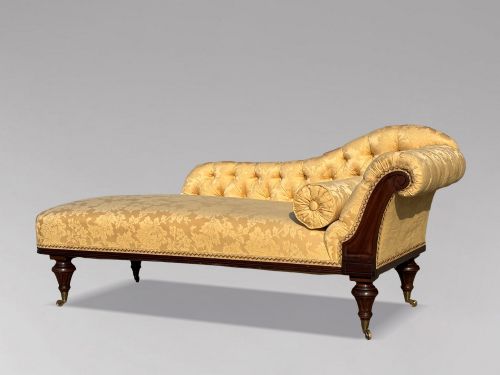
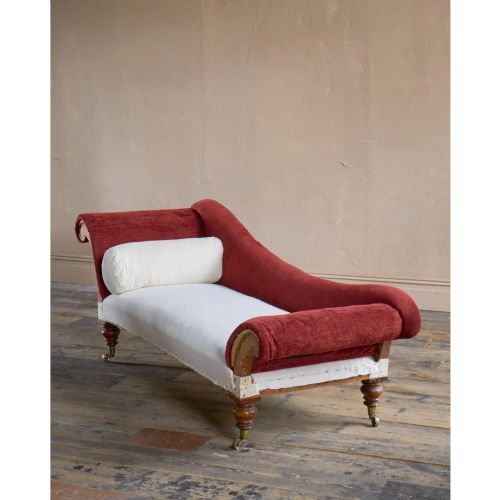
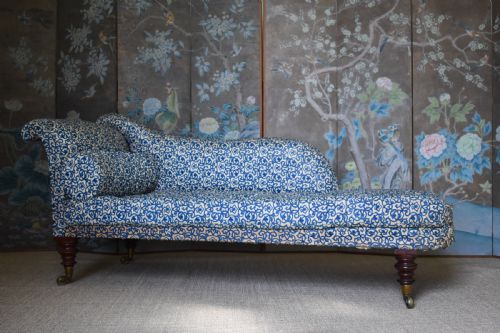
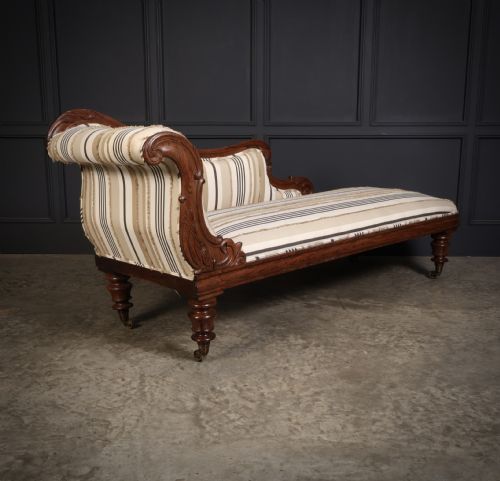
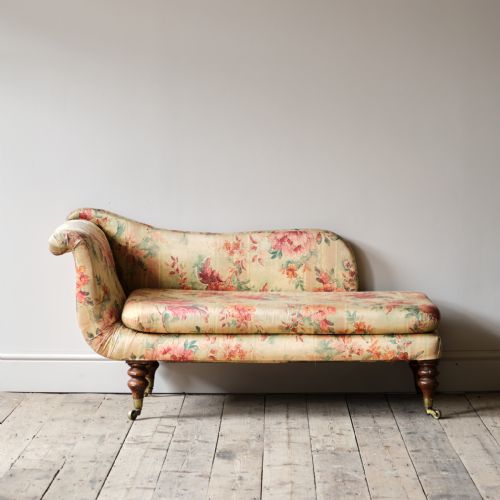
A traditional upholstered chaise offers a generous reclining seat, combining deep buttoning and rich velvet to anchor a period room.
Traditional Upholstered Chaise
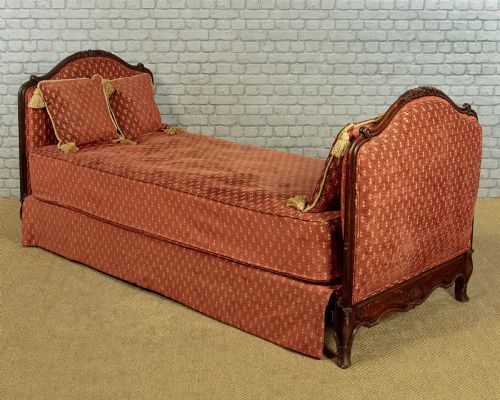
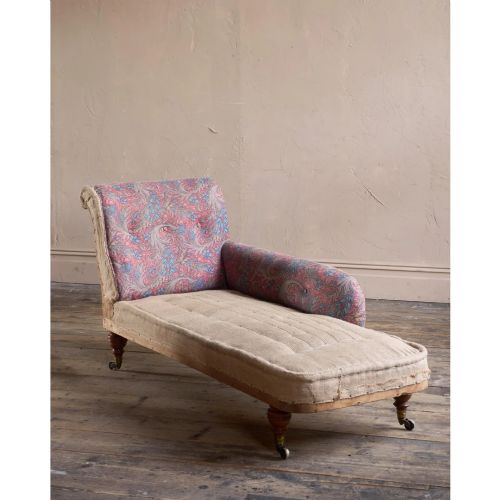
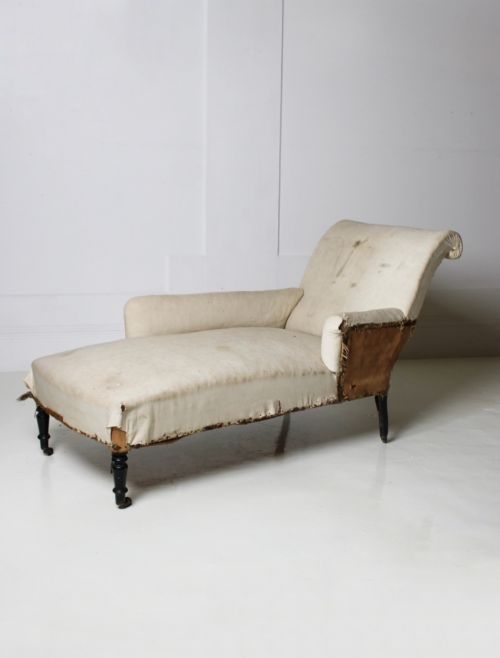
A traditional upholstered chaise provides a long seat designed for reclining, appearing across the nineteenth century in various regional and formal interpretations. Buyers seeking a traditional upholstered chaise encounter nineteenth-century pieces ranging from compact Victorian daybeds to grand mahogany double-ended settees.
The selections span distinct periods including Regency, William IV, and Victorian, alongside later daybeds from around nineteen hundred. Makers and attributions connect several examples to prominent nineteenth-century cabinet makers, while others reflect country house origins or French provincial styling.
How they were made
Frames are constructed from timber, predominantly mahogany and rosewood, providing a sturdy architectural base for the upholstered superstructure. Brass details appear on castors and fittings, supporting mobility on heavier wooden frames.
Upholstery relies on traditional sprung settee bases finished with fabrics such as velvet, deep pile brocade, calico, and specialised upholstery fabric. Buttoning and concealed storage compartments are integrated into the internal construction of specific pieces.
Traditional Upholstered Chaise Retail Price Guide 2026
Typical asking prices for traditional upholstered chaise among the pieces listed under this phrase on Sellingantiques today, from the lower quarter to the upper quarter. They describe what is for sale here now, not the wider market.
Listings feature timber frames in mahogany and rosewood, upholstered in velvet, brocade, and calico across Victorian and Regency periods.
What varies in quality
The refinement of the timber frame and the presence of documented workshop attributions separate standard production from exceptional examples. Cabinet work on the show wood, particularly carved rosewood or mahogany elements, reveals the skill invested in the initial manufacture.
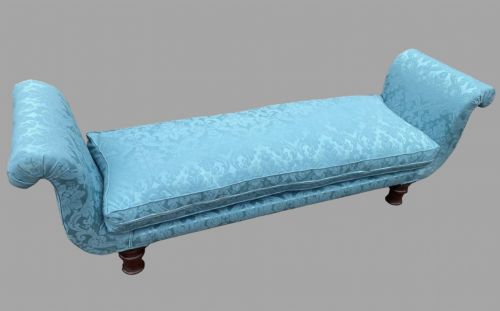
The execution of the upholstery and the integrity of the sprung base dictate the comfort and structural longevity of the piece. High-tier items display sophisticated shaping like double-ended scrolls and precise buttoning through heavy velvet or brocade.
Holland and Sons·Howard and Sons·Gillows·Jas Shoolbred·Hampton and Sons
The Traditional Upholstered Chaise Glossary
- Chaise longue
- A long seat for reclining, literally translating from French as a long chair. It combines the functions of a chair and a daybed.
- Double ended sofa
- A settee featuring scrolled or raised ends of equal height at both sides. This symmetrical form allows reclining from either direction.
- Lit bateau
- A French bed style with curving head and footboards resembling a boat. Nineteenth-century examples adapt this silhouette for daytime lounging.
- Daybed
- An elongated piece of furniture intended for resting during the day. These items bridge the gap between sofas and beds.
- Brocade
- A rich shuttle-woven fabric often featuring raised floral or ornamental patterns. It provides a heavy, decorative surface for formal seating.
Traditional Upholstered Chaise: Frequently Asked Questions
Where did people place a chaise longue?
These pieces sat in reception rooms, large bedrooms, and formal salons where ladies could rest without retiring to bed. Their elongated form suited sitting upright or reclining while reading or receiving visitors.
In country houses, they filled empty bays near windows or functioned as secondary seating in private sitting rooms. Their placement depended entirely on the social habits of the household.
How do I date a Victorian chaise?
Dating relies on the transition of wood types, carved motifs, and upholstery styles from the early nineteenth century through to nineteen hundred. Regency and William IV pieces display heavier mahogany or rosewood with classical revival details.
Later Victorian and Edwardian examples shift towards lighter frames, buttoned velvet, and different scroll proportions. Attributions to known makers also help narrow down the period of manufacture.
Can I use a antique chaise daily?
These frames are built from solid timber with traditional sprung bases designed for active household use. Regular sitting or reclining causes no harm provided the internal webbing remains sound.
Careful placement away from direct sunlight protects delicate fabrics like velvet and brocade from fading. Professional assessment of the springs ensures comfortable support for modern living.