



Traditional Turkmen Runner
These traditional turkmen runner selections offer geometric tribal motifs and rich dyes woven by Central Asian nomads.
Traditional Turkmen Runner
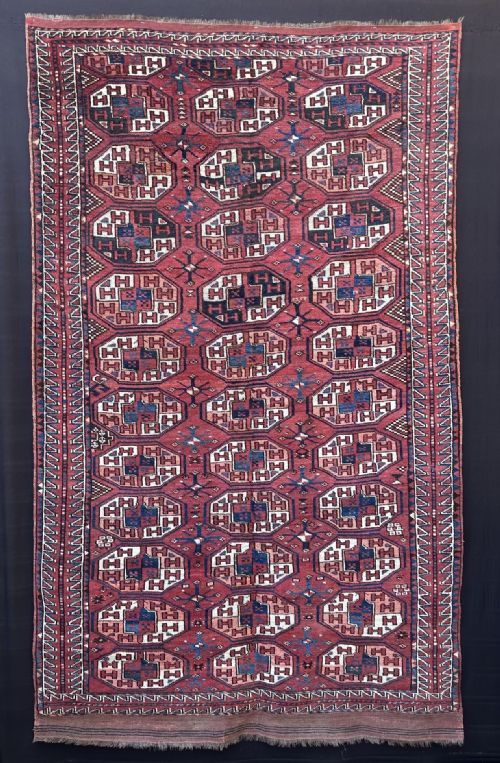
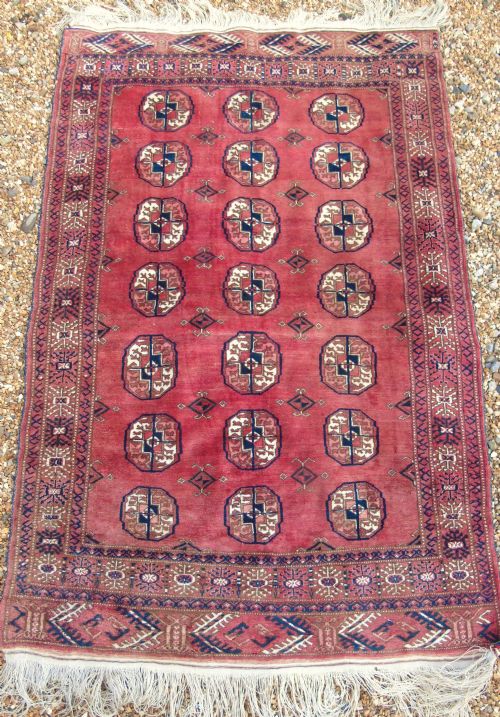
When you search for a traditional turkmen runner, you encounter hand-knotted Central Asian tribal textiles from the nineteenth and early twentieth centuries. These woven items originate from distinct tribal groups including the Tekke, Ersari, Yomut, and Kizyl Ayak. Most examples on this page take the form of carpets, long rugs, prayer rugs, kilims, and trappings.
The designs draw upon centuries of tribal tradition, featuring repeated guls and geometric borders. Makers produced these pieces across Turkmenistan and the wider Middle Amu Darya region for domestic utility, ceremonial use, and tribal trade.
How they were made
Weavers utilised hand-spun wool and cotton foundation structures to build durable pile and flatweave surfaces. Artisans applied natural dyes to colour the wool, yielding deep reds, browns, and contrasting tones that stabilise over decades of light exposure.
Techniques range from standard asymmetric knots on wool foundations to flatwoven soumak and kilim structures. Workshops and nomadic weavers completed these textiles using vertical looms set up in camps or villages.
Traditional Turkmen Runner Retail Price Guide 2026
Typical asking prices for traditional turkmen runner among the pieces listed under this phrase on Sellingantiques today, from the lower quarter to the upper quarter. They describe what is for sale here now, not the wider market.
Listed periods span from the eighteen-fifties through to the nineteen-thirties, covering eight distinct decades.
What varies in quality
Quality depends upon knot density, handle flexibility, and the purity of the natural dyes used in the design. Finer weaves display sharper geometric precision in the guls and borders, while softer wool gives the pile a better tactile quality.
The integrity of the flatweave ends and the saturation of the colour palette separate standard utilitarian examples from finer tribal works. Uniformity in the spin of the wool and complexity in the border arrangements indicate superior craftsmanship.
The Traditional Turkmen Runner Glossary
- Gul
- An octagonal medallion motif repeated across tribal carpets to identify specific clans or regions. These primary symbols form the structural backbone of most traditional designs.
- Ensi
- A tribal rug used as a tent door hanging in nomadic communities. They feature a distinct four-part panel design separating field areas.
- Torba
- A small wall-hanging bag used for storage inside nomadic dwellings. These pieces display concentrated tribal motifs in miniature formats.
- Soumak
- A flatweaving technique where supplementary weft threads wrap around the warp to create a textured surface. This method produces durable textiles without a cut pile.
- Palas
- A flatwoven utility rug produced by nomadic weavers for floor covering or packing. They lack a pile and offer lightweight functionality.
Traditional Turkmen Runner: Frequently Asked Questions
How do I care for my rug?
Vacuum gently without a rotating brush roll to protect the wool pile from unnecessary friction and fibre loss. Keep the textile away from direct sunlight to prevent natural dye fading over extended periods.
Rotate the piece periodically to ensure even wear across high-traffic areas. Consult a specialist familiar with antique tribal textiles for professional washing.
Where were these woven?
Nomadic and settled tribal groups wove these textiles across Turkmenistan and the wider Central Asian region. Major contributors include the Tekke, Ersari, Yomut, and Kizyl Ayak tribes.
Production took place in desert camps, river valleys, and agricultural villages along the Amu Darya basin. Each tribal group maintained distinct palettes and structural variations.
How do I identify tribal designs?
Examine the primary medallions and border patterns to determine the specific tribal origin. Tekke pieces typically feature dense guls, while Ersari rugs often display larger turreted motifs.
Colour combinations also assist attribution, as different clans relied on distinct natural dye recipes. Fringe finishes and flatweave end designs provide additional clues to the maker's community.
Are these items durable?
Hand-spun wool and sturdy cotton foundations provide natural resilience against everyday foot traffic. The dense knotting standard in nineteenth-century weaving ensures long-term structural integrity.
Proper placement on a quality underlay reduces internal fibre abrasion. Regular maintenance preserves the wool pile for continued domestic use.