


Antique Gul Pattern Rug
An antique gul pattern rug delivers geometric octagonal motifs across hand-woven wool fields, prized by collectors for tribal symbolism and rich natural colour.
Antique Gul Pattern Rug
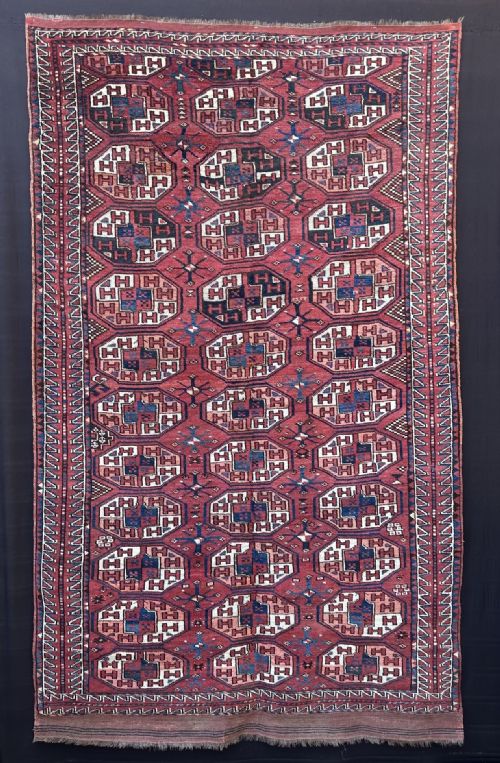
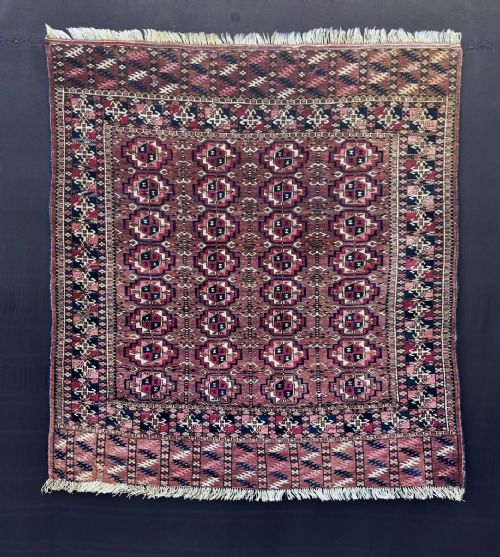
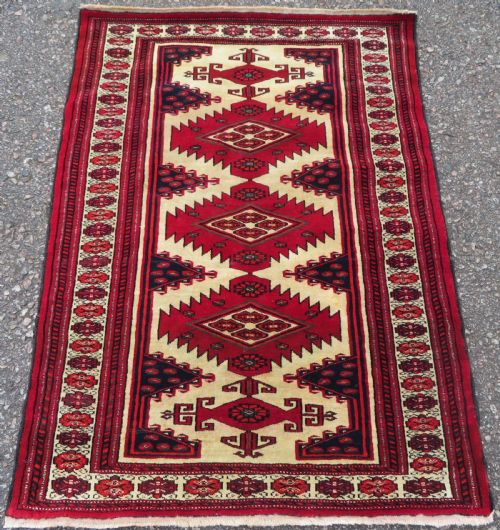
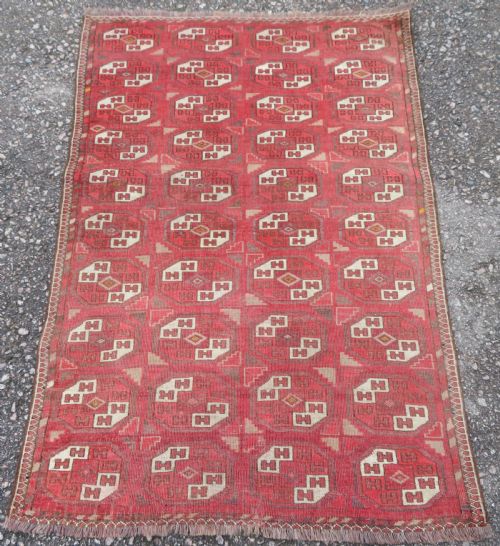
An antique gul pattern rug displays traditional medallion motifs, known as guls, which identify specific tribal groups across Central Asia. Buyers exploring this category encounter pieces originating from Turkmen, Ersari, Tekke, Yomut, and Baluch weavers, spanning the nineteenth and early twentieth centuries.
The most common formats on this page include main carpets, smaller wedding dowry rugs, tent door rugs known as kapunuks, and smaller torba wall hangings. These textiles served functional and ceremonial roles within nomadic and village life before entering the decorative market.
Tribal weavers produced these floor coverings using durable wool pile anchored by wool, goat hair, or horsehair foundations. Such construction provided the heavy-duty service required by nomadic households.
What varies in quality
Knot density and the precision of the geometric drawing dictate the refinement of a weaving. Tightly packed knots allow intricate rendering of specific gul motifs such as the kepse or chodor designs.
The vibrancy and stability of natural dyes influence visual depth, with certain pieces displaying subtle abrash where dye batches shifted during production. Foundation materials also differ, with horsehair or goat hair additions indicating specialised tribal utility.
Antique Gul Pattern Rug Retail Price Guide 2026
Typical asking prices for gul pattern rug among the pieces listed under this phrase on Sellingantiques today, from the lower quarter to the upper quarter. They describe what is for sale here now, not the wider market.
Listings feature natural dyes, hand-spun wool, and goat hair foundations across nineteenth and early twentieth-century Turkmen and Afghan traditions.
Ersari Tribe·Tekke Tribe·Yomut Tribe·Kizyl Ayak Tribe·Chodor Tribe
The Antique Gul Pattern Rug Glossary
- Gul
- A medallion motif repeated across Central Asian carpets, often denoting a specific tribe or clan.
- Kapunuk
- An ornamental tent door hanging placed at the entrance of a nomadic yurt.
- Torba
- A small storage bag or wall hanging produced by tribal weavers, frequently featuring major gul variations.
- Abrash
- Variations in colour shading across the wool field caused by changes in dye lots or wool batches.
- Warp
- The vertical foundation threads stretched tightly on the loom before knotting begins.
Antique Gul Pattern Rug: Frequently Asked Questions
What is a gul?
A gul is a repeated octagonal medallion motif woven into Central Asian carpets. Each tribal group utilised distinct gul designs to signify lineage and cultural identity.
These geometric emblems form the primary visual structure of the rug field, arranged in ordered rows across the wool pile.
How do I identify a Tekke rug?
Tekke rugs typically feature precise, dense repeating guls accompanied by detailed minor güllü guls in the intervening spaces. The palette frequently centres on deep madder reds combined with ivory and dark accents.
These pieces often appear in smaller dowry or wedding formats as well as larger main carpets from the nineteenth century.
Where were these rugs made?
These textiles originated across Central Asia, including regions within modern Turkmenistan and Afghanistan. Nomadic confederations and village weavers produced them for domestic use, dowries, and tribal trade.
Local access to grazing sheep and native plants dictated the wool quality and natural dye palettes employed by each weaver.
How should I care for an antique wool rug?
Vacuum the rug gently using a suction-only attachment without a rotating beater bar to protect the hand-spun wool pile. Keep the textile out of direct sunlight to prevent natural dyes from fading over time.
Professional cleaning tailored to antique tribal textiles ensures the wool and structural foundations remain stable.