



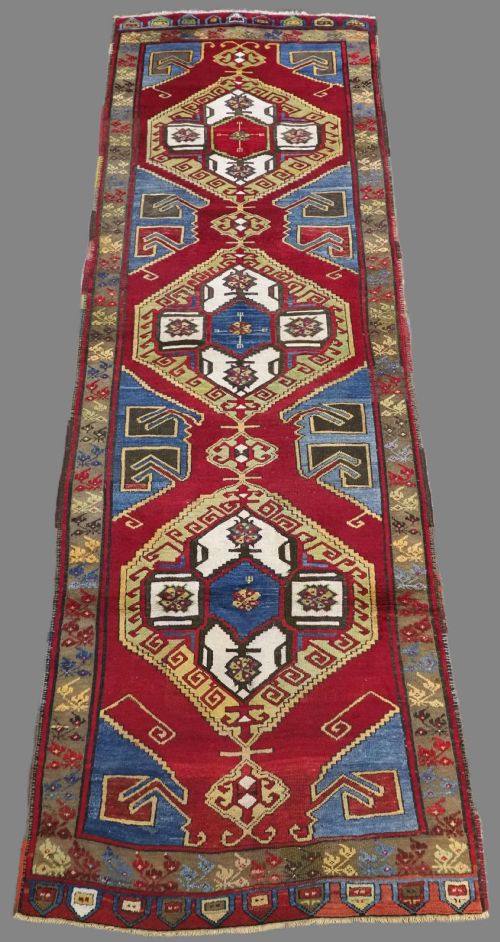
Geometric Tribal Floor Rug
A geometric tribal floor rug brings dense village patterns and saturated natural colours directly onto the floorboards.
Geometric Tribal Floor Rug
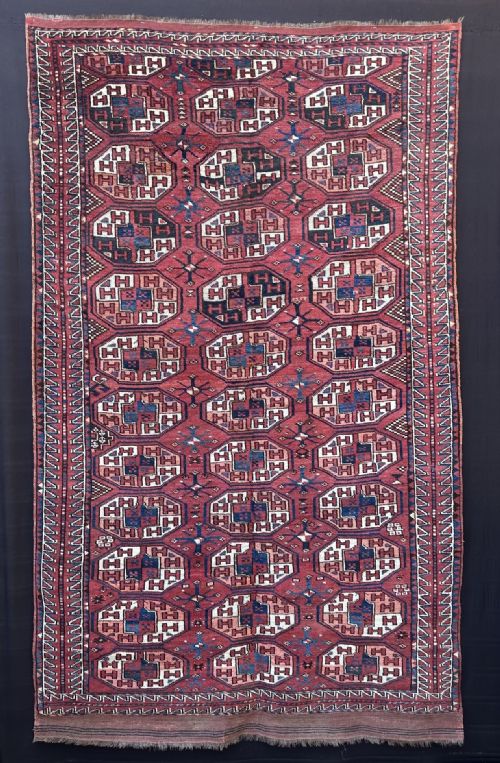
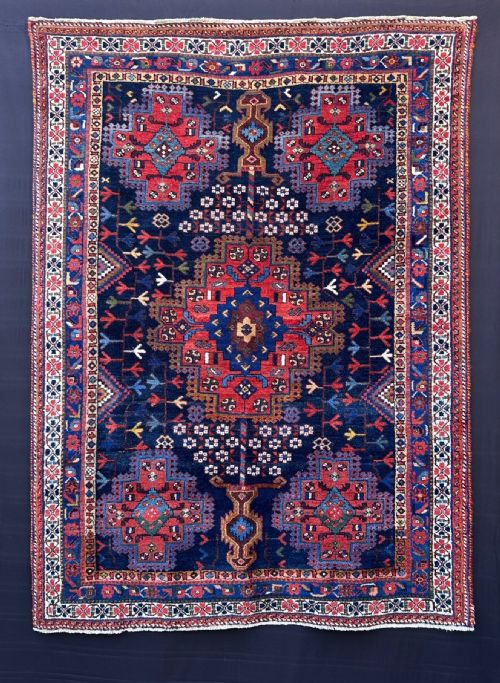
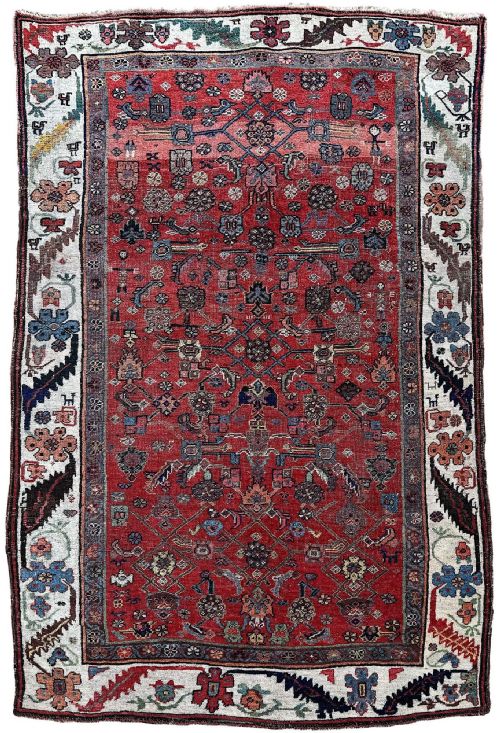
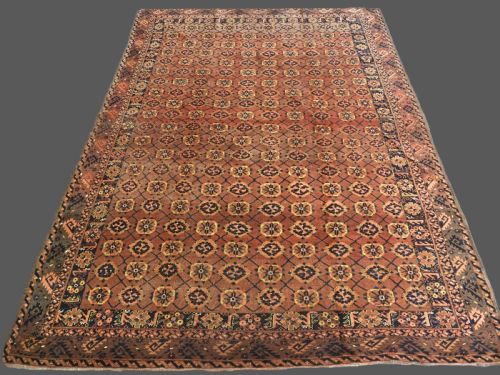
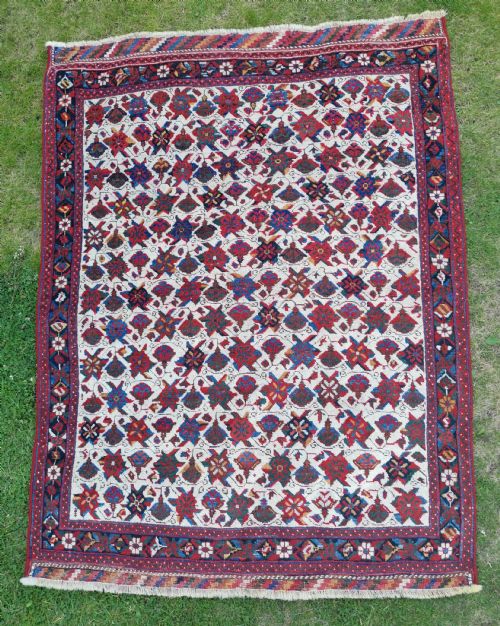
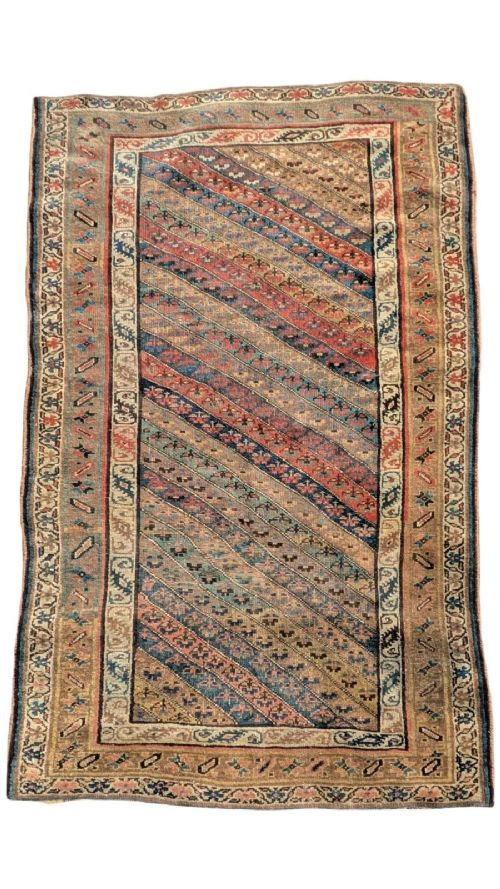
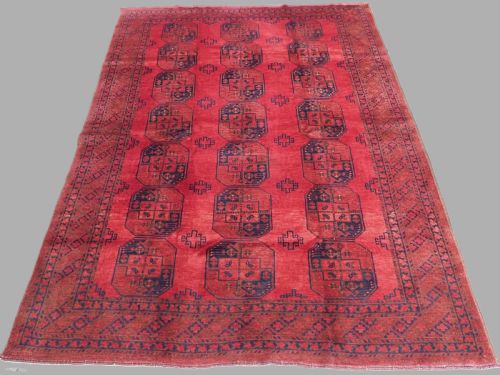
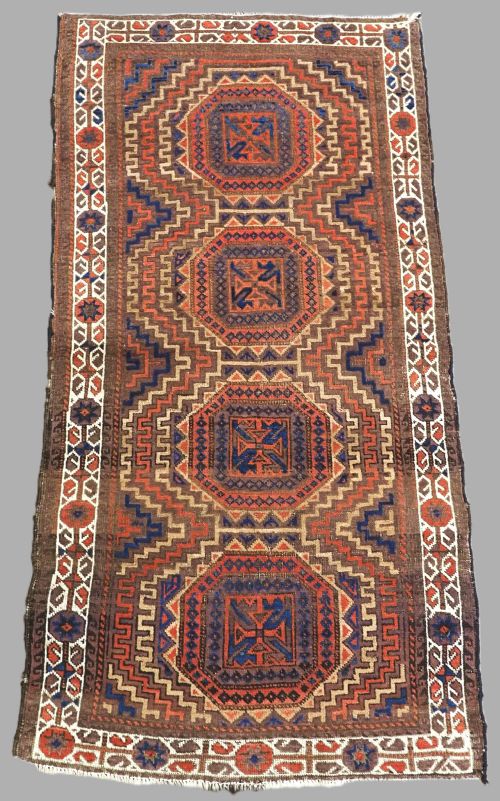
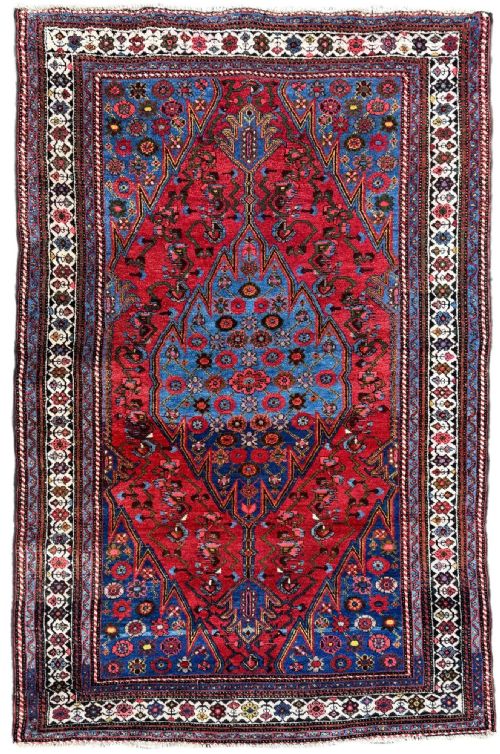
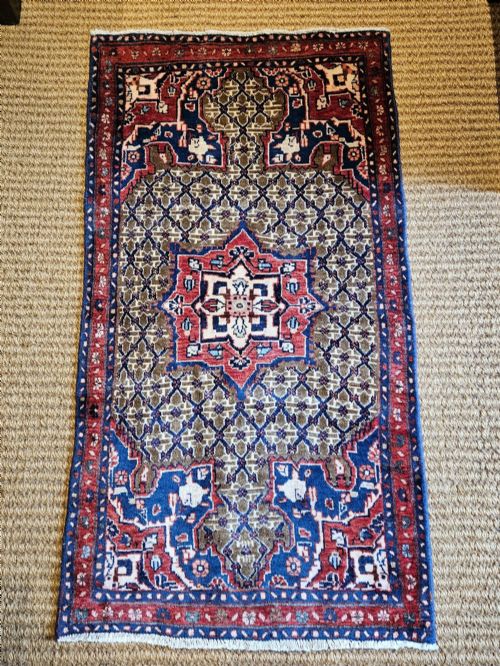
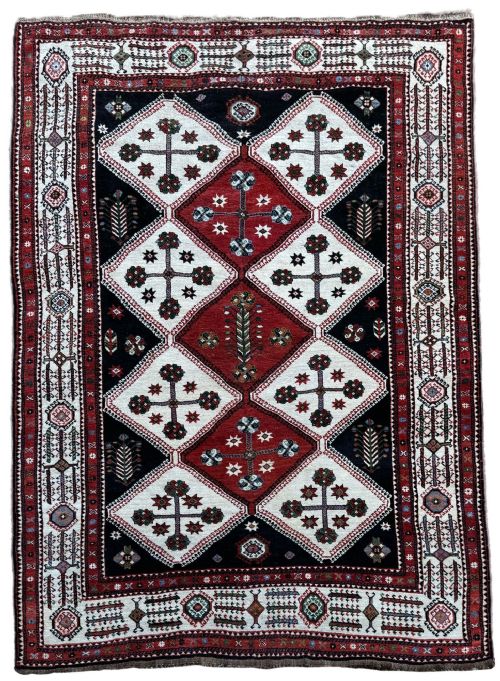
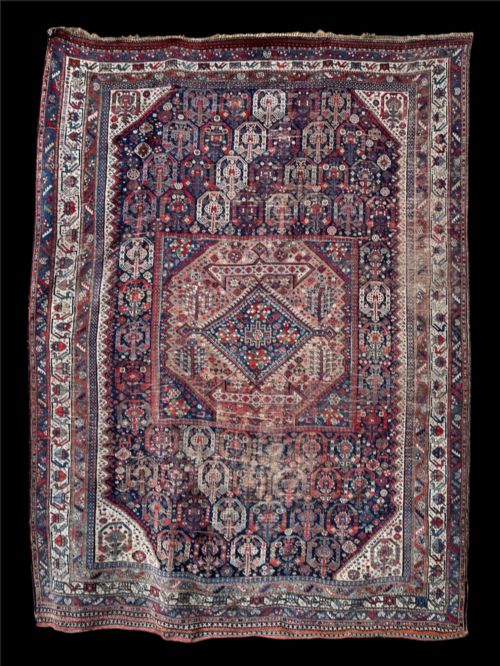
A geometric tribal floor rug displays the bold medallions, repeating lattices and angular motifs characteristic of village and nomadic weavers. When searching for a geometric tribal floor rug, buyers encounter nineteenth and early twentieth century pieces originating from Persia, the Caucasus, and Central Asia.
The selection includes formats ranging from small hearth rugs and square carpets to long hallway runners. Village workshops and tribal confederacies such as the Afshar, Bakhtiari, Khamseh, and Qashqai produced these distinct floor coverings.
Weavers utilised traditional regional symbols passed down through generations rather than formal court designs. Each piece reflects the specific aesthetic vocabulary of the tribe or village district where it was knotted.
How They Were Made
Makers constructed these textiles using hand-knotted wool pile secured to wool or cotton foundation warps and wefts. The resulting dense structure provided durability for everyday floor use in village houses and tents.
Dyers employed natural colour sources derived from local plants and minerals to achieve deep reds, blues, and earthy tones. These organic dyes aged gradually over decades, developing subtle tonal variations across the pile.
Period examples span from the nineteenth century through the 1940s, covering village and nomadic production.
What Varies in Quality
The precision of the knotting and the complexity of the geometric drawing distinguish finer examples from simpler village work. Tighter knot counts allowed weavers to render sharper lines and more intricate medallion details.
The depth and saturation of the natural dyes significantly influence the visual impact of the weaving. Rich, harmonious colour palettes combined with balanced proportions elevate individual pieces above standard utility grades.
The Geometric Tribal Floor Rug Glossary
- Gul
- A repeating octagonal medallion motif frequently found in Turkmen and Baluch tribal weavings. These primary design elements often enclose distinct tribal crests or geometric symbols.
- Warp
- The vertical foundation threads stretched tightly on the loom before knotting begins. Weavers tie the wool pile directly around these structural yarns.
- Weft
- The horizontal threads passed between rows of knots to bind the structure together. Proper beating of the weft creates a firm, stable textile foundation.
- Prayer rug
- A small format rug featuring a distinctive mihrab arch design used by the owner for daily devotions. The pointed arch indicates the direction of prayer.
- Runner
- An elongated narrow carpet format designed specifically for hallways and corridors. These pieces balance repeated geometric medallions to suit linear spaces.
Geometric Tribal Floor Rug: Frequently Asked Questions
How do I clean an antique rug?
Gentle surface brushing and professional specialist washing maintain wool pile safely over time. Avoid harsh chemical treatments that strip natural oils from the fibres.
Water immersion cleaning requires expert handling to prevent dye migration across contrasting geometric areas. Regular light vacuuming without a rotating power head prevents dust accumulation within the knotting.
Where were these rugs made?
Village and nomadic weavers produced these textiles across Persia, the Caucasus, and Central Asia during the nineteenth and early twentieth centuries. Specific regions include the Kerman province, Shirvan, and Turkmenistan.
Tribal groups such as the Afshar, Qashqai, and Kurdish communities created distinct regional designs. Local materials and native dyeing traditions shaped the output of each specific area.
Are these rugs suitable for hallways?
Narrow runner formats suit hallways and corridors where linear geometric patterns complement long spaces. Durable wool construction handles moderate foot traffic effectively.
Underlay placement prevents slipping on hard floors and reduces friction against the foundation threads. Selecting appropriate dimensions ensures clearance for interior doors.
What indicates a tribal design?
Geometric motifs, angular medallions, and repeating latch-hook borders identify traditional village and tribal weaving styles. These patterns contrast with curvilinear court designs found in urban workshop carpets.
Asymmetrical drawing elements often reflect the nomadic working method where weavers improvised details from memory. Natural dyes provide the characteristic earthy palette associated with these traditions.