


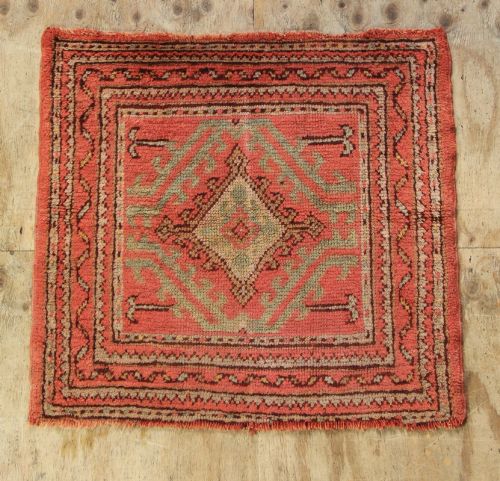

Traditional Turkish Wool Carpet
When you search for a traditional turkish wool carpet, you enter a world of woven history rooted in Anatolian villages and Ottoman workshops.
Traditional Turkish Wool Carpet
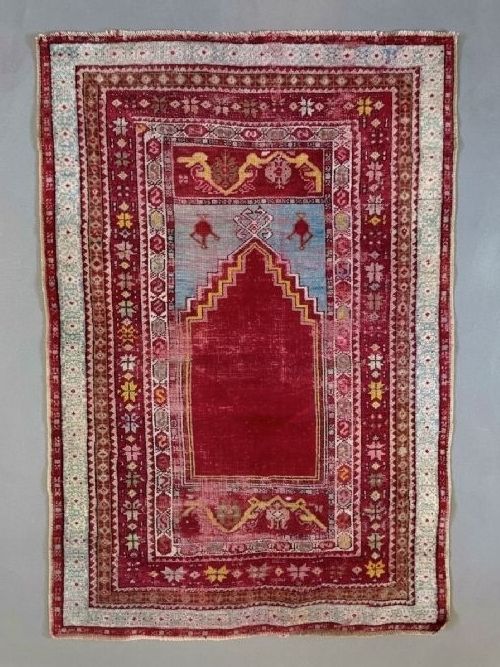
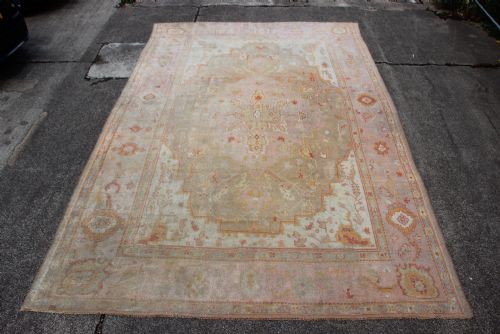
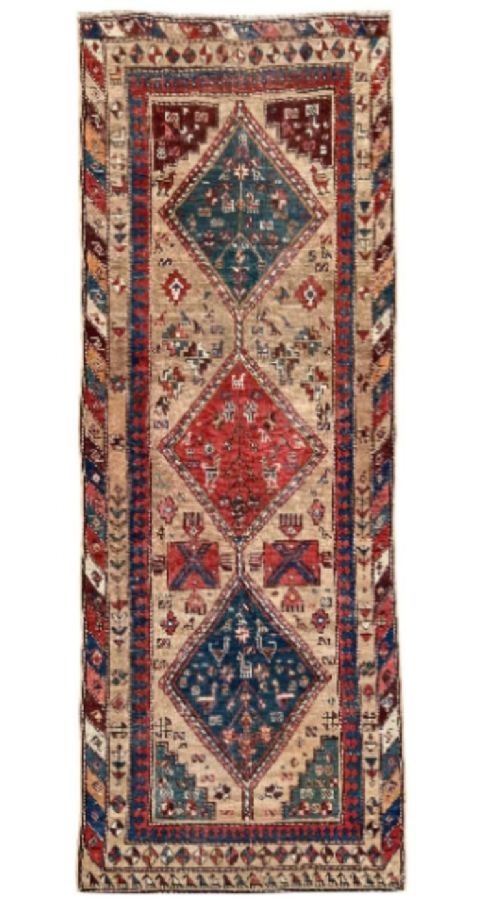
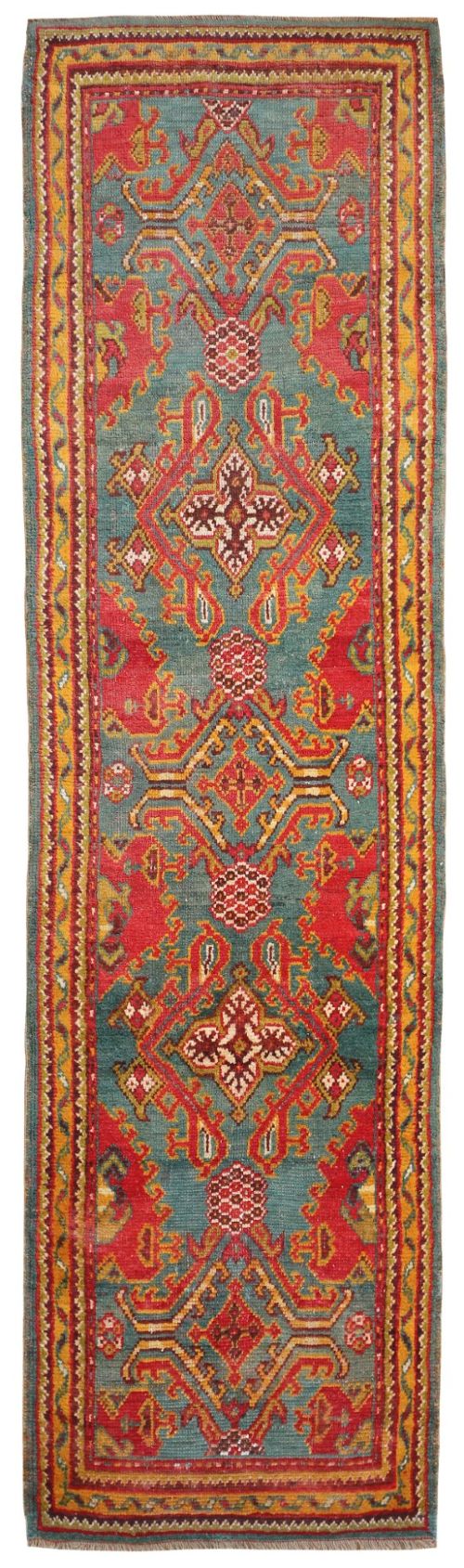
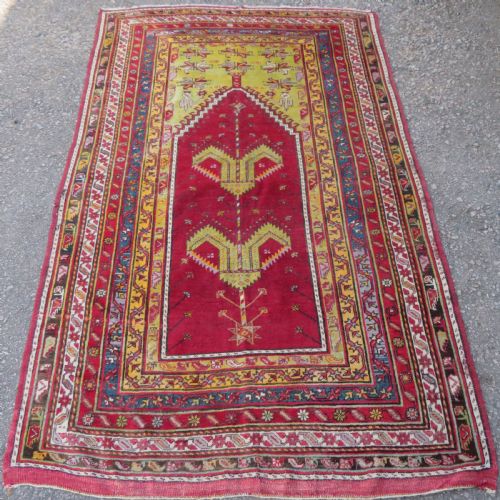
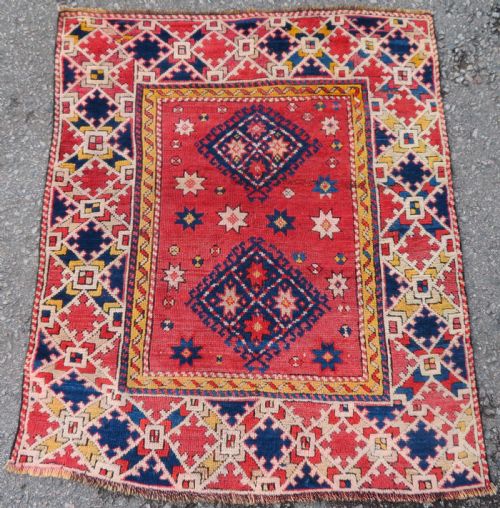
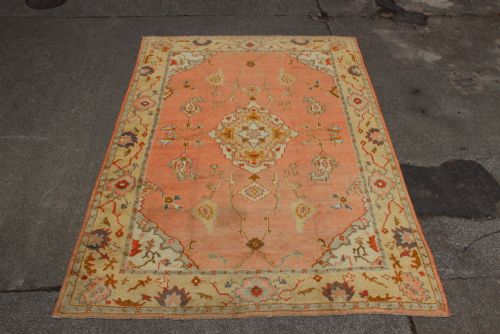
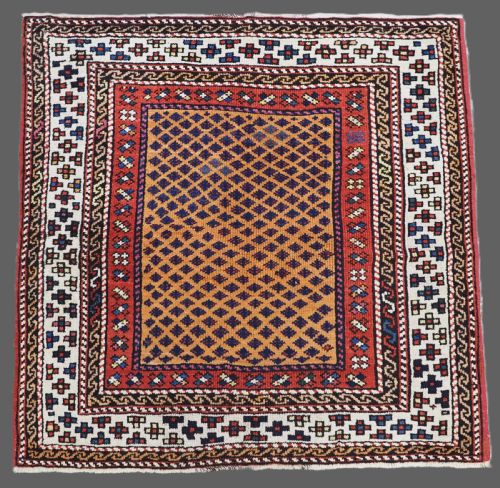
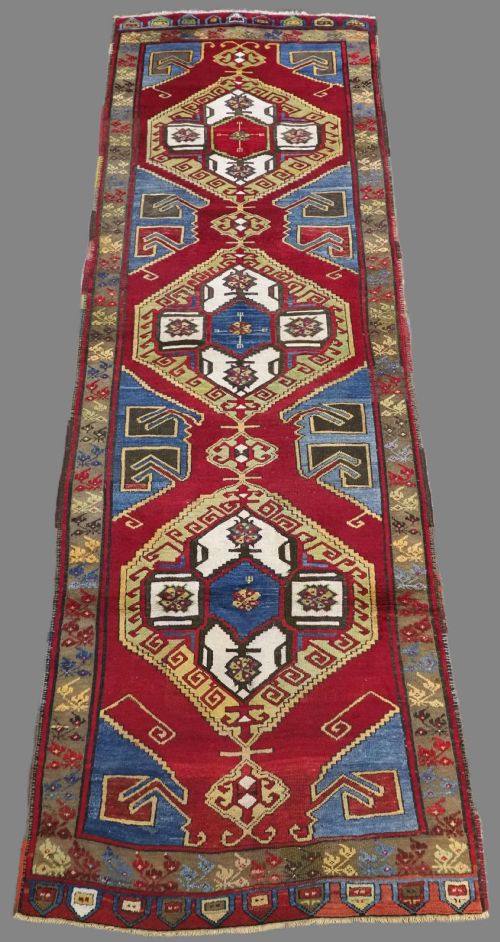
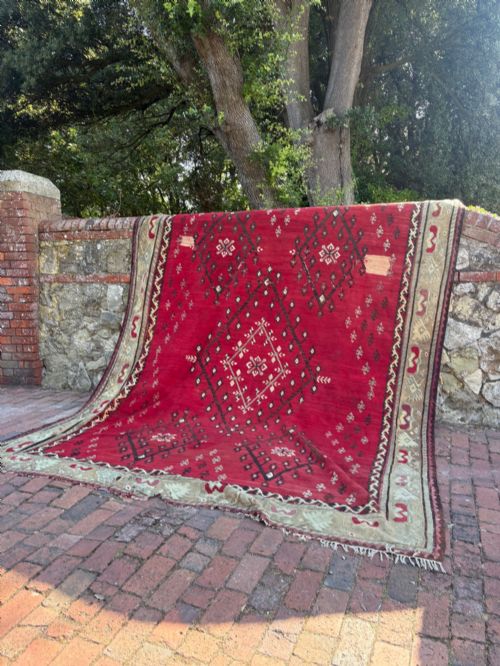
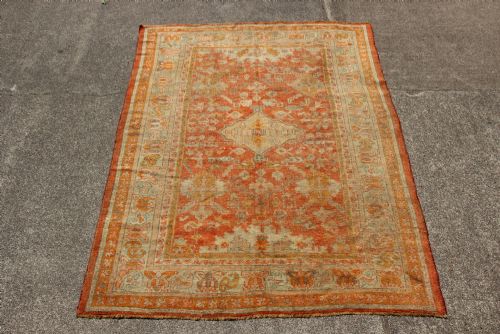
A traditional turkish wool carpet encompasses a wide array of knotted pile rugs, flatweaves, and long runners originating from regions such as Oushak, Ushak, Bergama, Ghiordes, Kirsehir, and Konya Karapinar. These textiles span periods from the nineteenth century into the early decades of the twentieth century, reflecting diverse regional designs like prayer rugs and lattice patterns.
The aesthetic vocabulary draws upon Anatolian tribal traditions and Ottoman court styles, incorporating motifs from prayer designs to willow trees. Each piece bridges utility and historic artistry, shaped by the specific village or town where it was knotted.
Materials and construction
The foundation of a traditional turkish wool carpet relies on natural animal and plant fibres, predominantly wool for the soft pile and cotton for the structural warp and weft threads. Certain pieces incorporate fine angora wool, lending a distinct texture to the surface.
Weavers employed traditional hand-knotting techniques and flatweave methods such as kilim construction, utilising wooden looms and hand-spun materials. The durability of these textiles stems from the density of the wool pile secured onto sturdy cotton foundations.
Some carpets hid unexpected willow trees amongst their wool knots, letting weavers bring entire orchards indoors.
Elements of distinction
The hierarchy of quality in a traditional turkish wool carpet rests upon the fineness of the knotting, the balance of the composition, and the nuance of the dye palette. Subtle fading and wear indicate genuine age and historical exposure rather than diminished artistic worth.
The Traditional Turkish Wool Carpet Glossary
- Oushak
- A prominent type of carpet originating from the town of Ushak, known for pale grounds, large-scale floral motifs, and softer colour palettes. These pieces were often produced for both domestic use and export.
- Kilim
- A flatwoven carpet or runner made without a pile, created by tightly interweaving the warp and weft strands to produce a flat surface with geometric patterns. They are often lighter in weight than knotted pile rugs.
- Prayer Rug
- A specialised rug format featuring a mihrab or niche design at one end, traditionally used for Islamic prayer. The motif directs the user during daily devotions.
- Runner
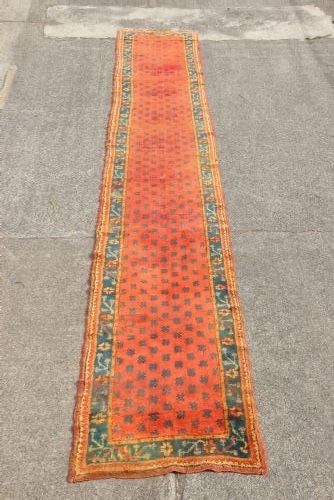
- A long, narrow carpet format designed specifically for corridors, hallways, and staircases. These pieces balance extended length with manageable widths.
- Warp
- The vertical threads stretched tightly on the loom that form the structural skeleton of the carpet. The knots are tied around these foundational cords.
Traditional Turkish Wool Carpet: Frequently Asked Questions
How do I care for a wool carpet?
Regular gentle vacuuming without a beater bar removes surface dust safely. Professional cleaning is recommended when deeper maintenance is needed.
Keep the textile out of direct, harsh sunlight to protect the natural dyes from fading unevenly over time.
Where were these carpets made?
These textiles were woven across various regions of Turkey, including Anatolian villages, nomadic tribal camps, and established weaving centres like Oushak, Bergama, and Konya.
Each region developed distinct colour palettes and geometric or floral motifs that identify its geographic origin.
Are runners suitable for hallways?
Long and narrow runner formats were specifically created to fit corridors, stair landings, and narrow spaces in traditional homes. Their dimensions handle heavy foot traffic while adding warmth to transitional areas.
Using a quality underlay helps keep the runner stable on wooden or tiled floors.
What indicates age in these textiles?
Natural irregularities in the hand-spun wool, organic dye variations, and the specific structural characteristics of nineteenth-century weaving help determine age. Wear patterns and construction techniques also point to historical periods.
Comparing regional knot counts and design styles confirms the approximate era of production.