






Traditional Timber Wall Mirror
A traditional timber wall mirror brings warmth and depth to a room, using natural wood and glass to catch the light.
Traditional Timber Wall Mirror
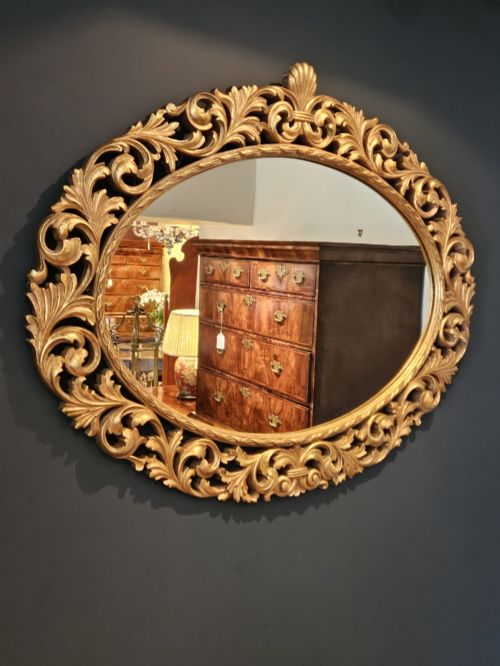
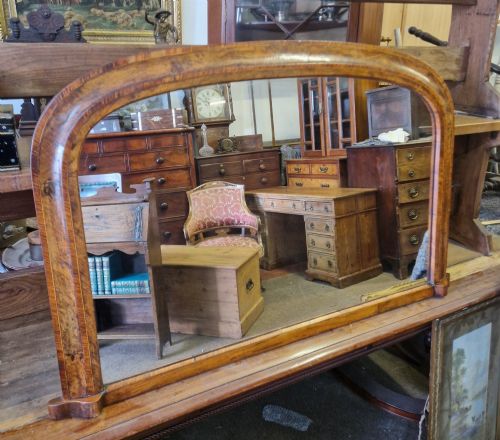
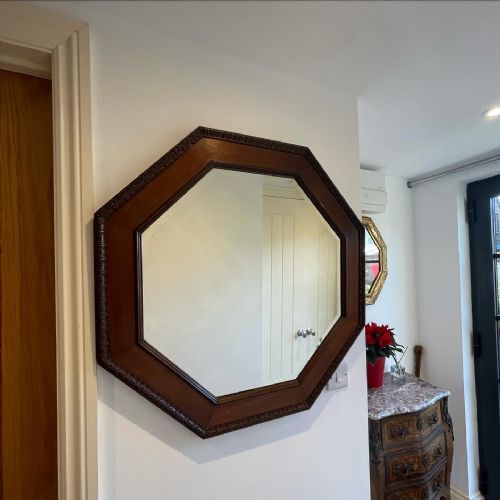
A traditional timber wall mirror anchors a room through tactile materials and historical form, ranging from compact hanging pieces to substantial overmantels. Buyers searching for a traditional timber wall mirror encounter diverse interpretations across centuries, from restrained Georgian mahogany frames to elaborate Victorian giltwood creations.
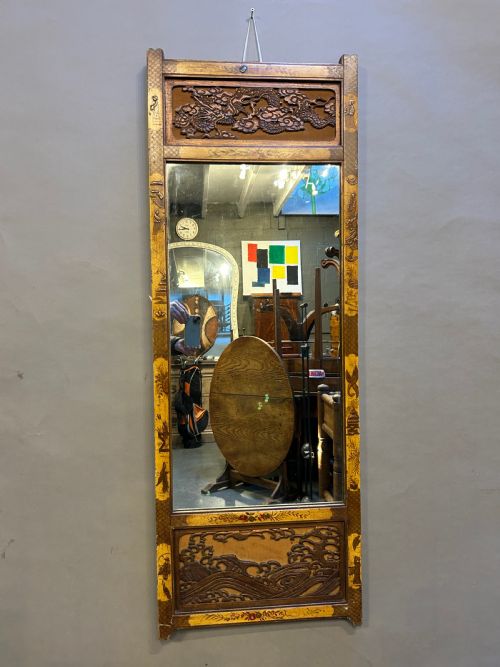
The selection includes pieces spanning the Georgian, Victorian, Edwardian and early twentieth century eras, alongside distinct stylistic revivals like Rococo and Chinoiserie. Oak, walnut, mahogany and rosewood form the structural backbone of these wall mirrors, frequently paired with gesso or paint.
Wall mirrors and overmantel mirrors dominate the current range, offering both intimate domestic accents and grand architectural focal points. Regional variations appear too, including North Indian mirrored sconces and French framed examples that expand the traditional vocabulary.
Materials and construction methods
Makers utilised solid timbers such as mahogany, oak, walnut and rosewood, often shaping the wood through carving and turning to build depth into the frame. Giltwood and gesso elements added reflective brilliance and intricate ornamentation, while paint and ebonisation provided alternative surface finishes.
Glass plates were bevelled or flat-set into Rebated frames, sometimes divided into sections as seen in multi-panel designs. Joinery techniques relied on traditional corner joints and pinned construction to support the considerable weight of the timber and glass.
Distinctions in quality
Quality rests upon the crispness of hand-carving in the timber and the depth of preparation beneath any giltwood or gesso surface. Superior examples display harmonious proportions where the weight of the frame complements the glass plate without visual heaviness.
The selection of timber grain, particularly in burr walnut or figured mahogany, dictates the visual richness of the piece. Intricate details such as pierced fretwork in Chippendale style frames or precise ebonised highlights separate standard production from exceptional craftsmanship.
The Traditional Timber Wall Mirror Glossary
- Overmantel mirror
- A wide mirror designed specifically to hang above a fireplace mantelpiece. These large pieces often echo the architectural style of the room.
- Giltwood
- Timber that has been coated with a thin layer of gold leaf or gold paint. This technique creates a luminous surface that catches and multiplies interior light.
- Gesso
- A plaster-like mixture applied to wood surfaces and carved before gilding. It provides a smooth, crisp ground for intricate ornamental detail.
- Pier mirror
- A tall, narrow mirror traditionally hung on the wall space between two windows. They often sat above matching console tables.
Traditional Timber Wall Mirror: Frequently Asked Questions
Where should I hang a large timber wall mirror?
Position a large wall mirror opposite a window to maximise natural light and create an illusion of space in a room. Ensure the fixings are secured directly into wall studs to safely support the weight of the timber and glass.
Overmantels naturally suit the space above a fireplace, while vertical pier mirrors work well in hallways or between windows where wall space is constrained.
How do I identify a Georgian mirror?
Georgian mirrors typically feature rich mahogany or walnut timbers, often with symmetrical fretwork inspired by Chippendale designs. The construction relies on traditional joinery methods appropriate to the eighteenth century.
Look for hand-bevelled glass plates and secondary timbers on the reverse that match the period of manufacture.
Are painted and ebonised mirrors authentic?
Painted and ebonised finishes have a long history in British and European frame-making, used to imitate exotic woods or provide a striking contrast to gilt details. Nineteenth-century pieces frequently utilised ebonised highlights to create a dramatic aesthetic.
Examine the wear patterns and the underlying timber to understand how the finish was applied over time.
How do I care for antique timber frames?
Keep timber frames away from direct sunlight and sources of heat to prevent the wood from drying out or warping. Dust gently with a dry, soft cloth and avoid chemical polishes that can damage original wax or polish surfaces.
Check hanging wire and wall fixings periodically to ensure the mirror remains secure.