
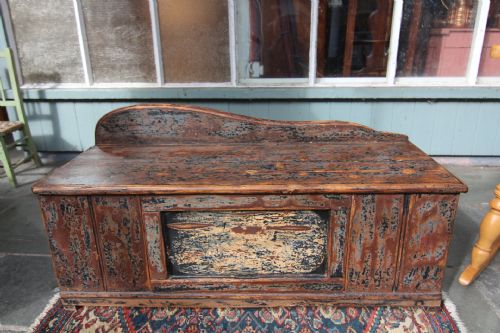
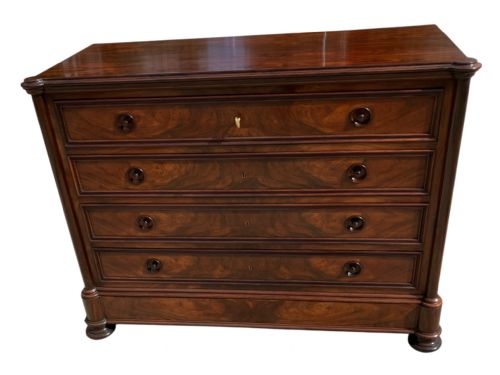

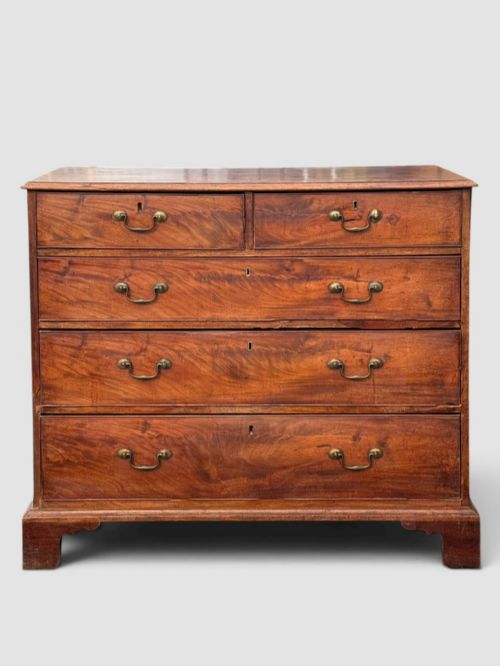
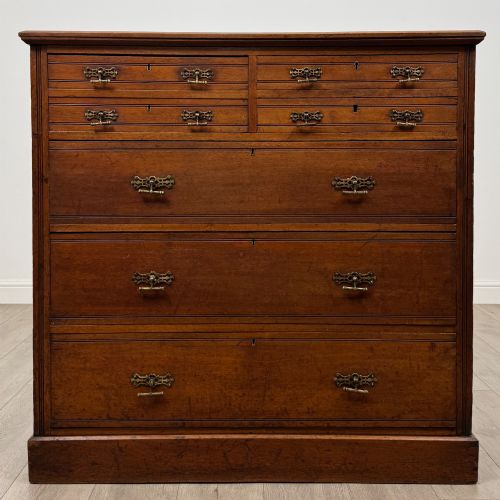
Traditional Timber Chest
A traditional timber chest brings enduring utility and grounded presence to a room, holding centuries of storage history in solid oak, mahogany, and pine.
Traditional Timber Chest
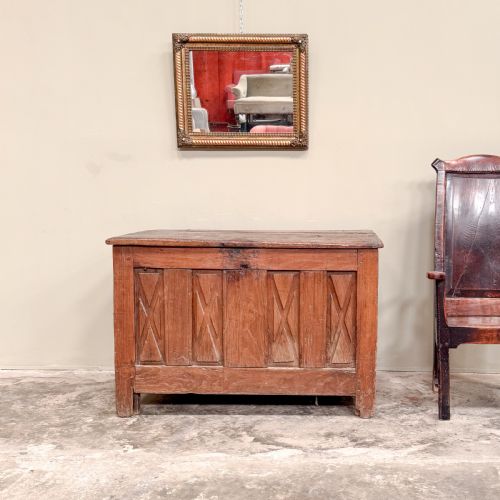
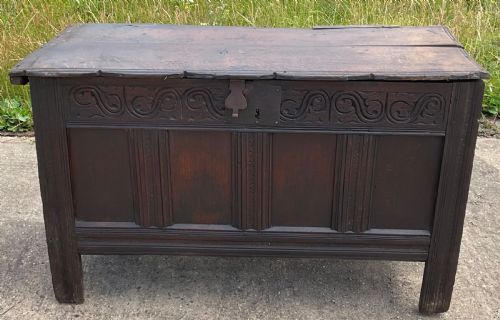
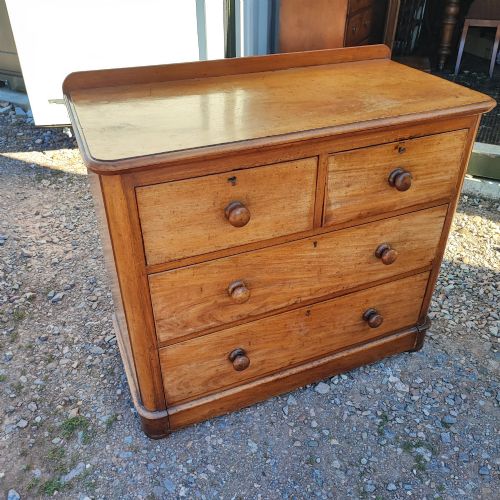
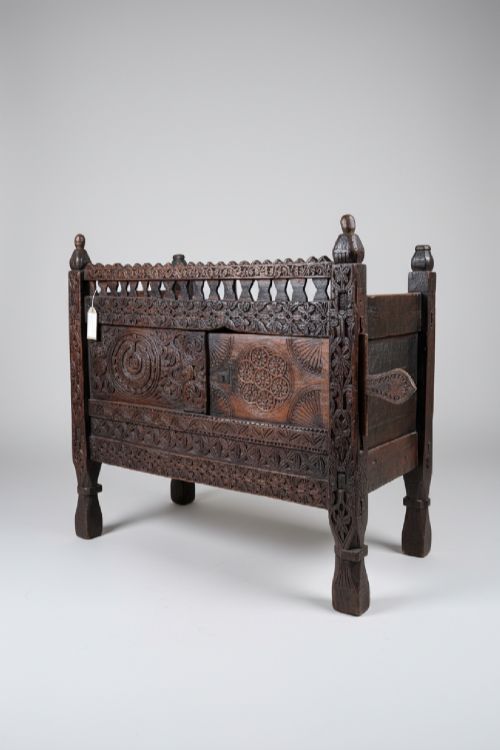
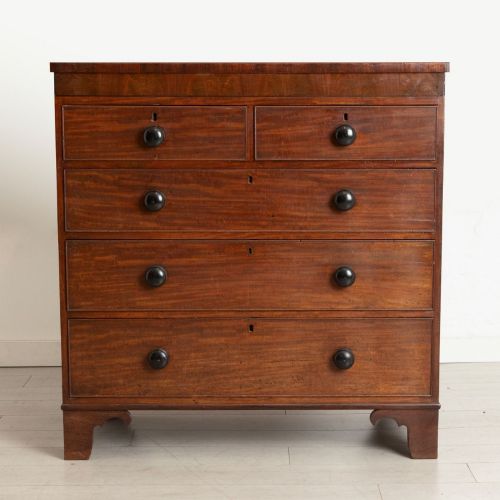
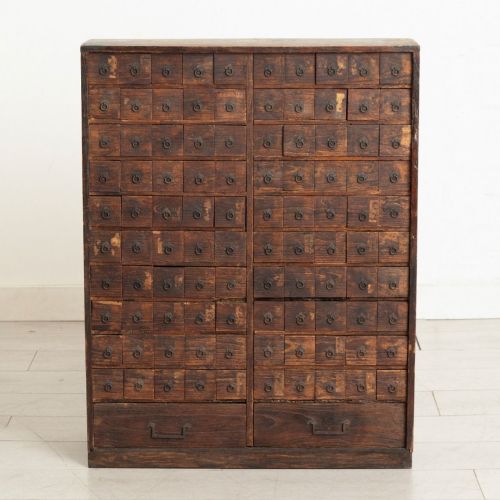
A traditional timber chest encompasses heavy-duty coffers, blanket boxes, and multi-drawer storage pieces spanning from the seventeenth century through the Edwardian era. These items emerge in regional workshops and grand houses alike, built to secure linens, dowries, and personal possessions.
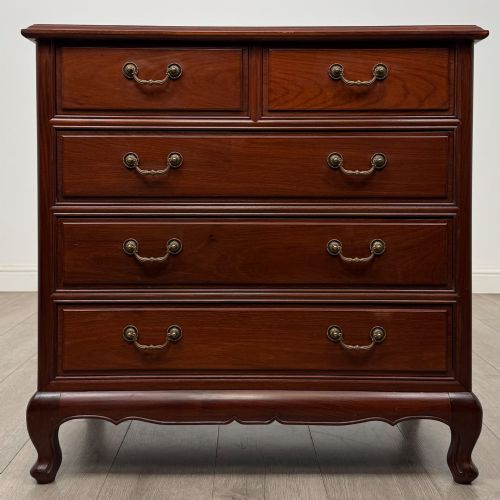
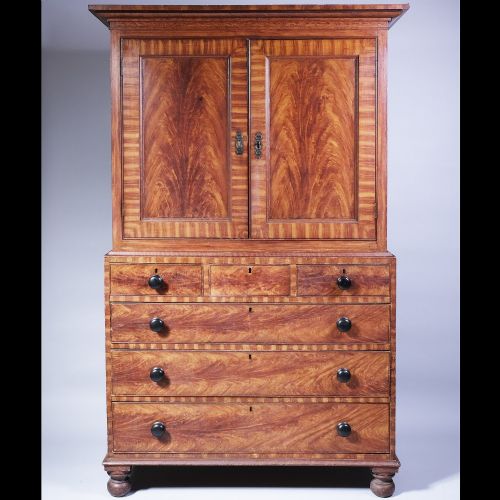
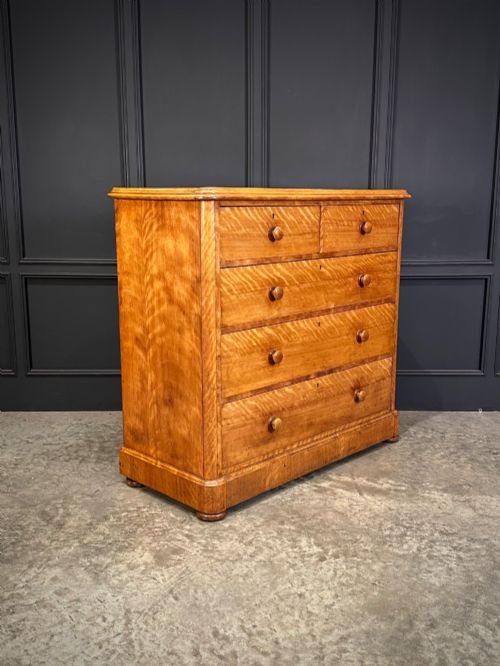
The varieties found here range from joined oak Lancashire coffers and French provincial designs to satinwood and mahogany chests of drawers. Buyers encounter both vernacular pine trunks and formal Georgian walnut pieces reflecting distinct period domestic needs.
Materials and construction
Carpenters relied on sturdy timbers such as oak, mahogany, walnut, and pine, often joined with pegged framing, dovetails, or iron hardware. Surfaces frequently display natural grain, traditional scumble paint, or applied lacquer.
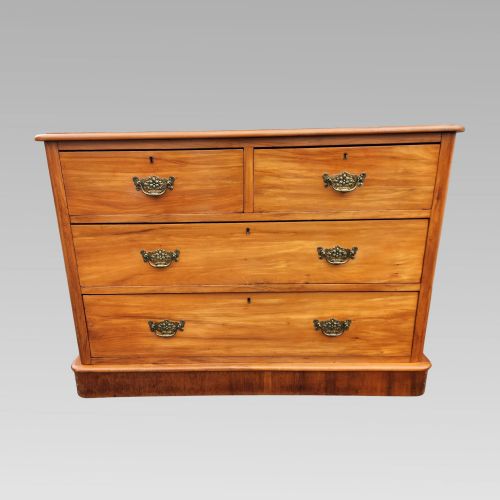
Makers reinforced corners with brass plates and incorporated secret drawers or heavy lids for security. Iron handles and brass drop pulls provided functional grip on heavy storage boxes.
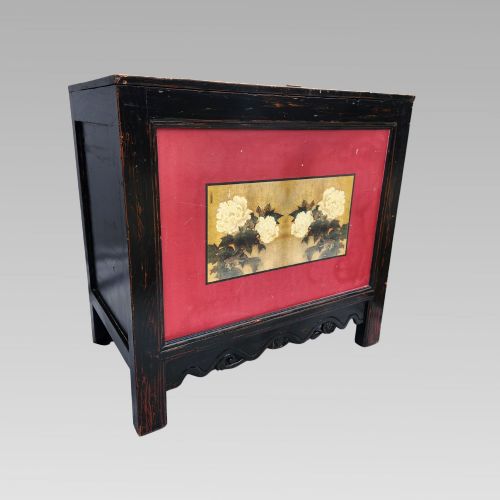
The listings span multiple centuries, incorporating seventeenth-century oak coffers alongside twentieth-century lacquered storage from international origins.
The markers of distinction
Quality rests upon the integrity of the timber selection and the precision of the joinery, distinguishing utilitarian containers from high-status cabinet work. Original surfaces, untouched handles, and intact internal partitions elevate a piece significantly.
Proportion and restraint in carving or inlay separate skilled regional workshops from simpler domestic items. Wear should reflect genuine age rather than structural compromise.
Jas Shoolbred
The Traditional Timber Chest Glossary
- Coffer
- A heavy wooden chest traditionally used for storing valuables or documents. These pieces often feature joined plank construction and hinged lids.
- Dovetail
- A joint formed by interlocking wedge-shaped fingers, widely used in drawer construction. This method provides robust tensile strength without relying on metal fasteners.
- Scumble paint
- A decorative glazing technique applied to mimic richer wood grains or create mottled surface patterns. It appears frequently on country house furniture.
- Wellington chest
- A tall, narrow chest of drawers secured by a locking side flap that bars access to the drawers. This form originated in the nineteenth century.
- Lancashire coffer
- A regional seventeenth-century storage chest typically featuring panelled construction and lower drawer storage. These robust items exemplify early British joinery.
Traditional Timber Chest: Frequently Asked Questions
What is the difference between a coffer and a chest of drawers?
A coffer opens from a top lid and represents earlier storage traditions, while a chest of drawers relies on sliding horizontal compartments accessed from the front.
Cofers suit the end of a bed or a hallway for bulky blankets, whereas drawer chests function well in bedrooms for folded garments.
How do I identify seventeenth-century oak furniture?
Seventeenth-century pieces display pegged frame-and-panel construction, hand-rived timber surfaces, and heavy wrought iron hinges. Tool marks and lack of standardised machine cutting are standard indicators.
Over time, genuine oak develops a deep, dry patina that modern reproductions struggle to replicate authentically.
Where should I place a large timber chest at home?
Heavy timber chests anchor living rooms as coffee table alternatives or sit comfortably at the foot of a bedroom to store spare bedding. Their sturdy tops also offer display space for lamps or decorative objects.
Keep wooden storage pieces away from direct heat sources to prevent the timber from splitting or warping.
What does scumble paint mean on an antique box?
Scumble paint is a decorative surface treatment where a translucent glaze is manipulated over a lighter base colour to simulate richer wood grains or create textured patterns. Country house furniture often received this treatment to elevate plain pine.
Original scumble finishes provide historical character and should be preserved rather than stripped away.