

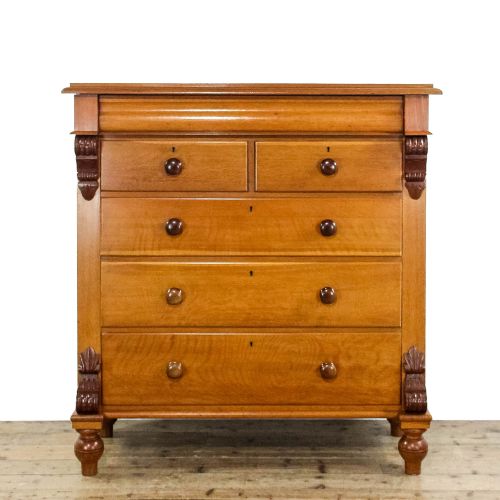
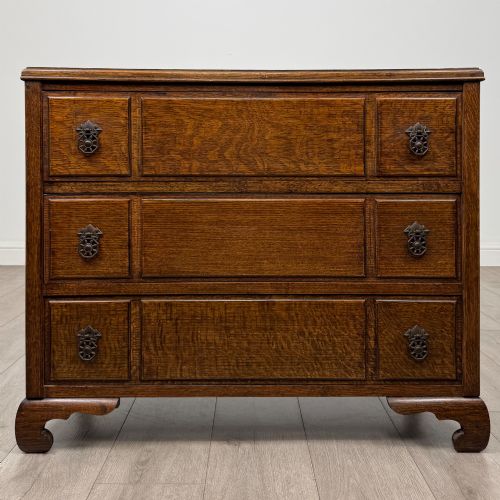
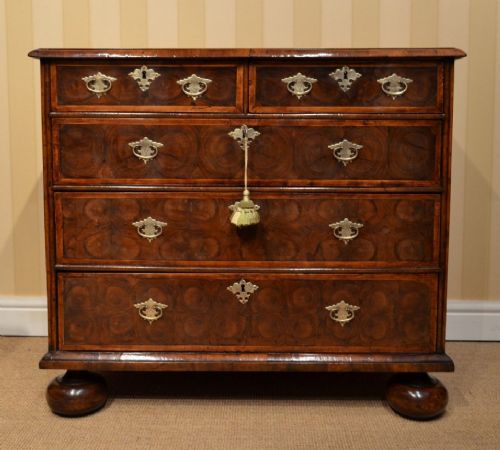
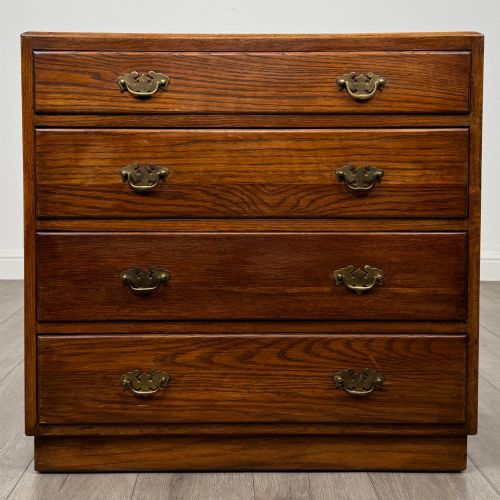
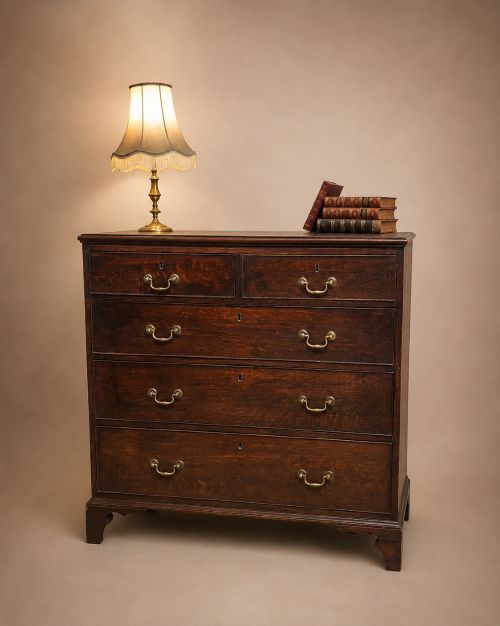
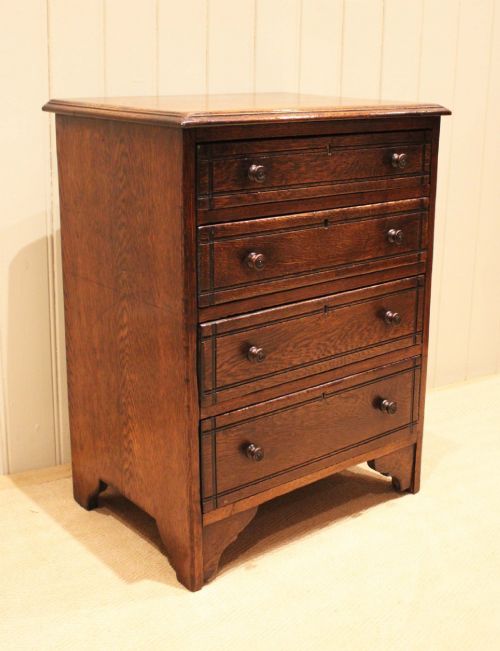
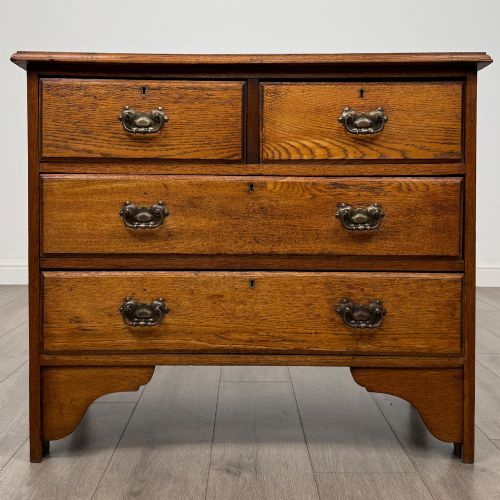
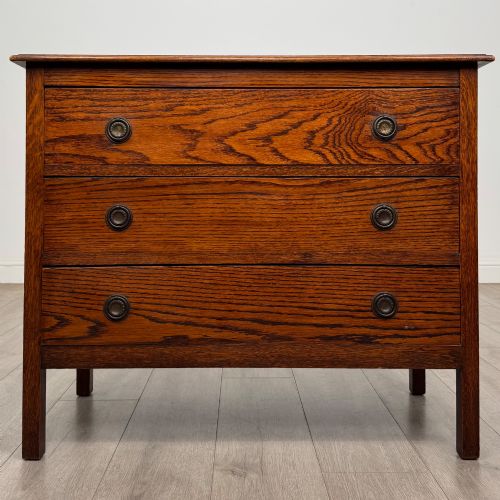
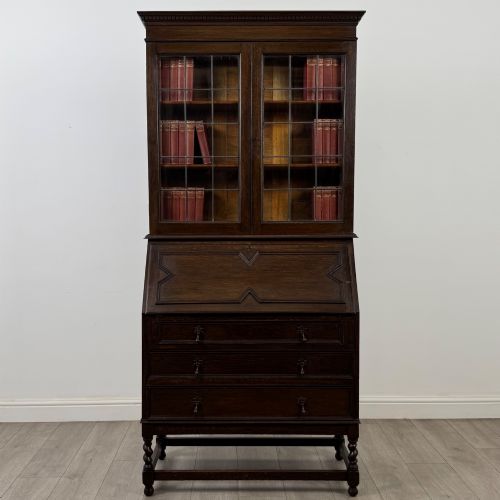
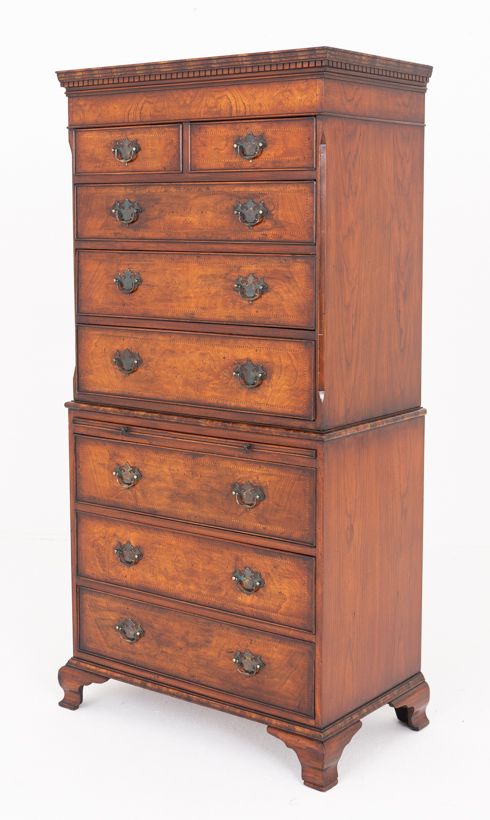
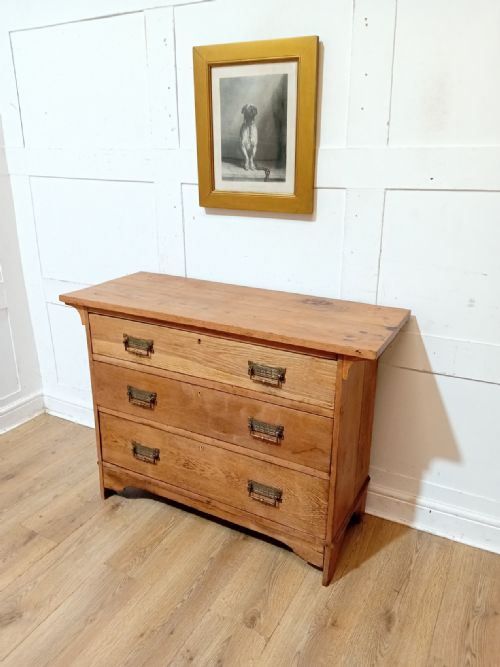
Traditional Oak Tallboy
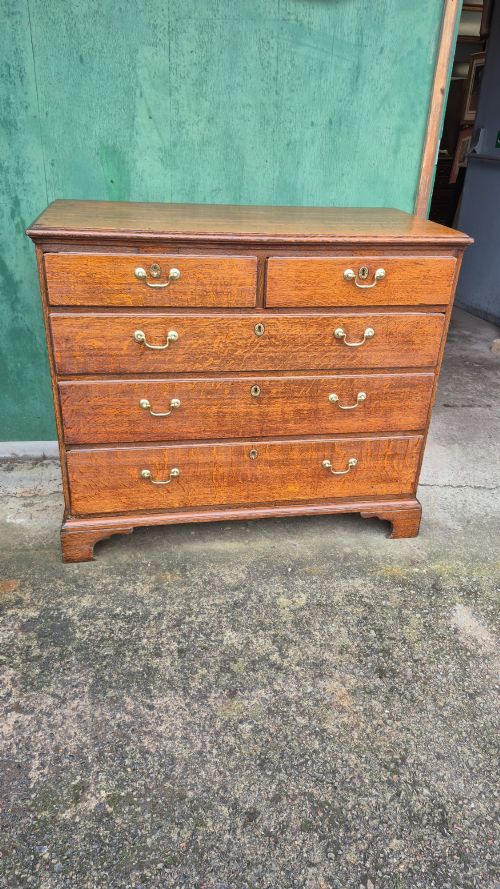
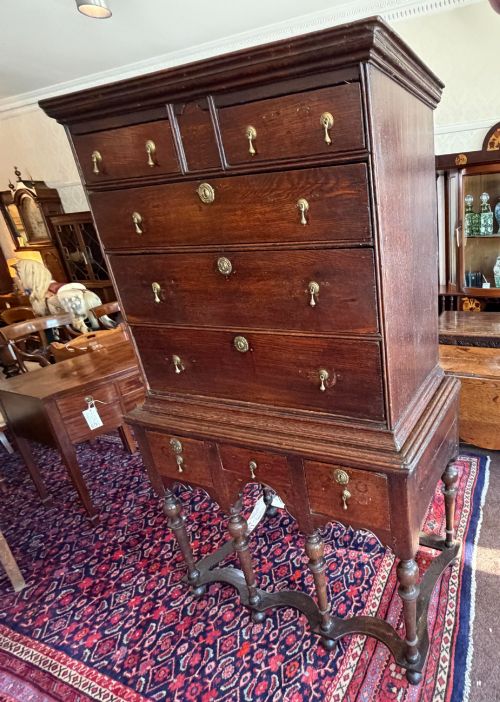
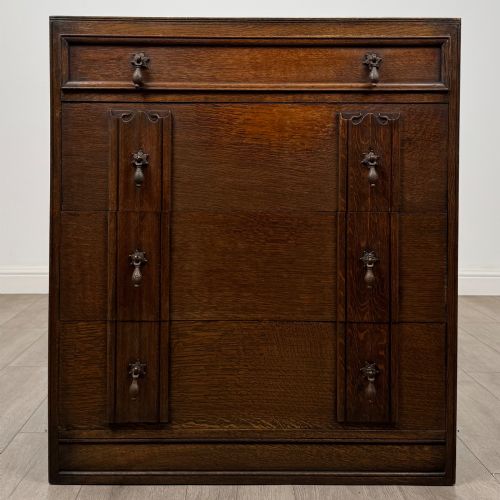
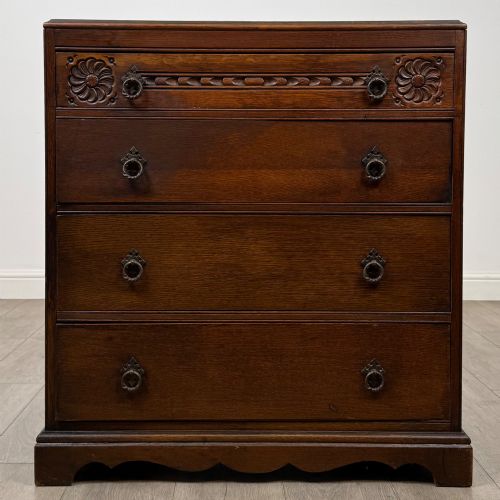
A traditional oak tallboy brings sturdy British timber and generous storage to a room, offering practical design through stacked drawers.
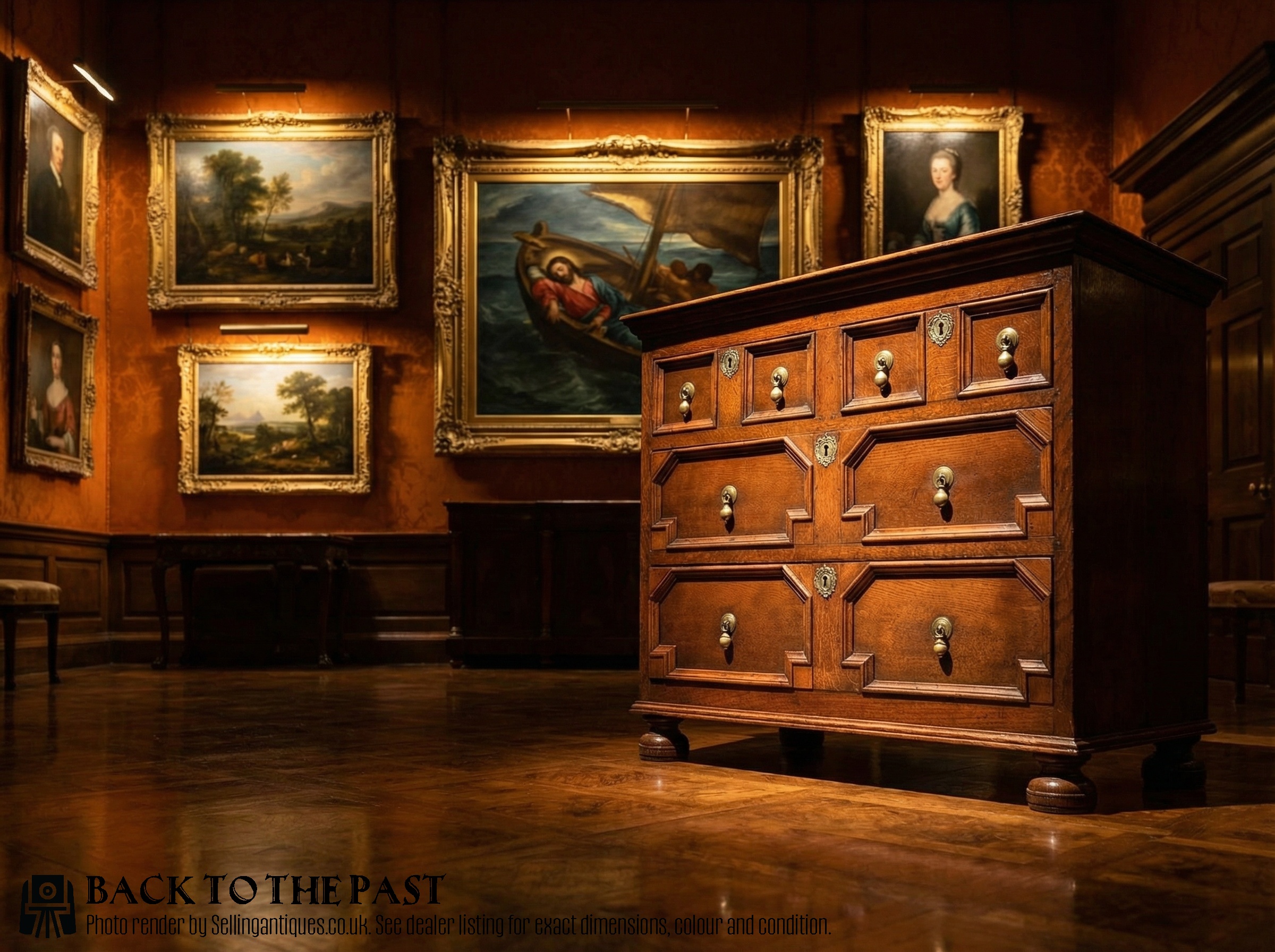
Traditional Oak Tallboy
A traditional oak tallboy encompasses chest of drawers forms and related storage furniture originating from multiple periods. The selection spans pieces from the 17th century through the Georgian era and Victorian period, extending into Edwardian and early 20th century examples.
Most items appearing under this search phrase are constructed as chests of drawers, alongside linen presses, chests on stands, and bureau bookcases. These forms reflect centuries of domestic storage needs across English country houses and town homes.
Makers and joiners utilised resilient timbers, frequently pairing solid oak with secondary woods such as mahogany, walnut, and elm. Buyers encounter both vernacular provincial pieces and refined urban cabinetwork.
How they were made
Construction relies heavily on solid oak timbers, joined with traditional methods to endure generations of daily use. Secondary materials including brass for handles and iron fixings appear alongside decorative applications of walnut and mahogany veneers.
Surface treatments and hardware define the fabrication of these storage pieces. Selected examples feature carved linenfold panels, brass swing handles, and bracket feet, while others display figured grain patterns and moulded drawer fronts.
Traditional Oak Tallboy Retail Price Guide 2026
Typical asking prices for traditional oak tallboy among the pieces listed under this phrase on Sellingantiques today, from the lower quarter to the upper quarter. They describe what is for sale here now, not the wider market.
Several pieces conceal secret compartments behind primary drawers, designed for hiding family valuables from curious houseguests.
What varies in quality
The standard of timber selection and surface finish separates examples across the range. Pieces exhibiting figured grain, deep patination, and original hardware demonstrate superior cabinetmaking standards compared to simpler utilitarian variants.
Structural integrity and proportion also influence quality. Small proportioned items and pieces retaining their original bracket feet and oak drawer linings command greater interest from collectors than altered or heavily restored equivalents.
David Craig Ford Path head
The Traditional Oak Tallboy Glossary
- Tallboy
- A tall chest of drawers, typically comprising a double chest configuration or a chest mounted on a stand. This form maximises vertical storage capacity while occupying a compact floor footprint.
- Linenfold
- A style of carved wooden panelling that resembles folded cloth, commonly found on pieces from the Tudor period onwards. Cabinetmakers reproduced this textile effect using gouges and chisels.
- Bracket foot
- A structural support projecting from the corners of a case piece, shaped like a bracket. These feet lift the body of the furniture off the floor.
- Patina
- The surface sheen and colour developed by wood over decades of handling, light exposure, and polishing. A desirable patinated surface reflects age and careful maintenance.
- Cross-banding
- A decorative border technique where thin strips of veneer are laid perpendicular to the grain of the primary surface. This frames drawer fronts and tabletops with contrasting wood grain.
Traditional Oak Tallboy: Frequently Asked Questions
How do I date an oak chest?
Dating relies on examining construction methods, timber selection, and hardware styles. Hand-cut dovetails, timber shrinkage patterns, and original brass handles provide reliable chronological indicators.
Secondary woods used inside the carcass also point to specific eras. Comparing these physical traits with known period characteristics helps establish an approximate age.
Where should I place a tallboy?
These vertical storage units suit bedrooms, hallways, and living spaces where floor area is limited. Their height allows for substantial storage without dominating the room.
Ensure placement avoids direct sunlight and strong heat sources to protect the timber and historic finishes from drying out.
How do I care for antique oak?
Maintaining antique oak involves regular dusting with a soft, dry cloth and occasional application of traditional beeswax. Avoid silicone-based polishes that can damage the historic finish.
Keeping the room at a stable humidity level prevents the solid timber and veneers from splitting or warping over time.
What is a linen press?
A linen press is a tall storage cupboard featuring upper doors enclosing sliding shelves for linens, positioned above a base of lower drawers. They originated when household textiles required careful flat storage.
Over time, many of these presses were adapted for general clothing storage by removing internal trays to create hanging space.