
18th Century Oak Commode
An 18th century oak commode combines robust domestic timber with European case furniture design, offering both practical storage and period character.
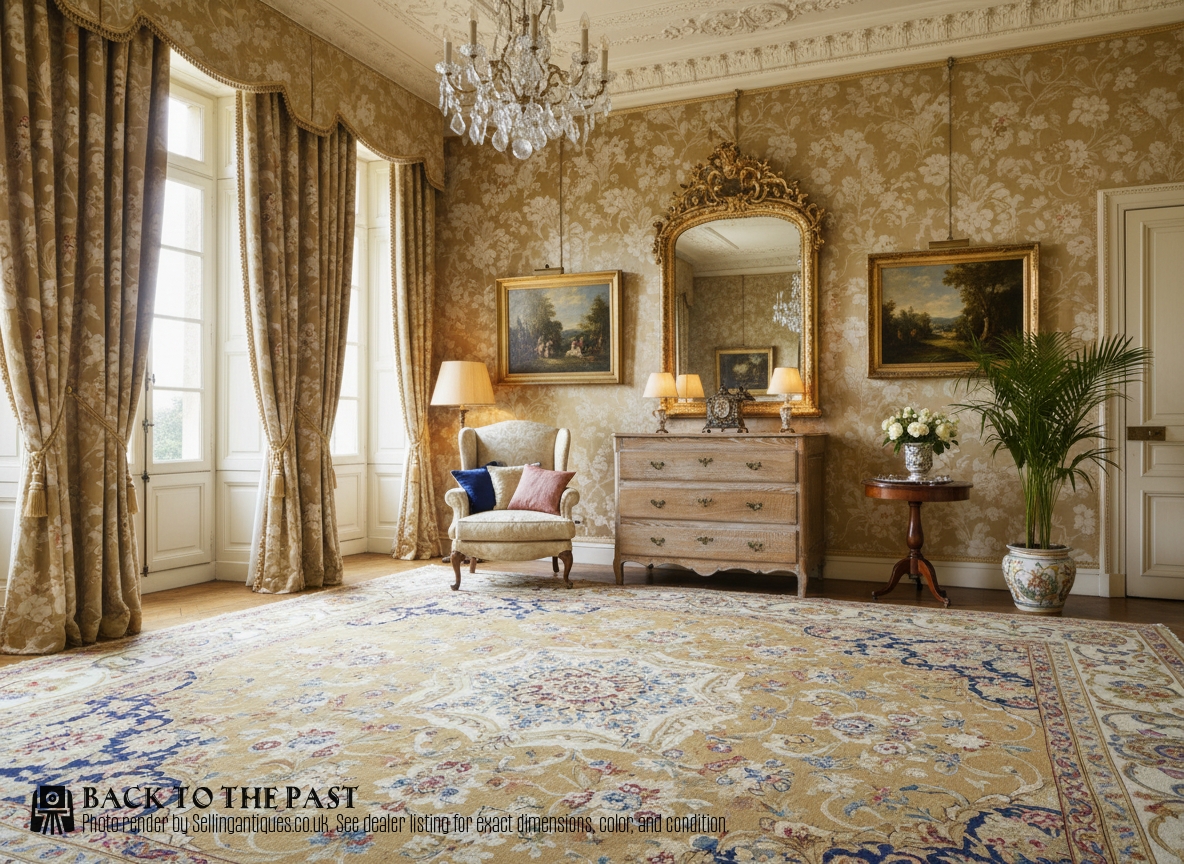
18th Century Oak Commode
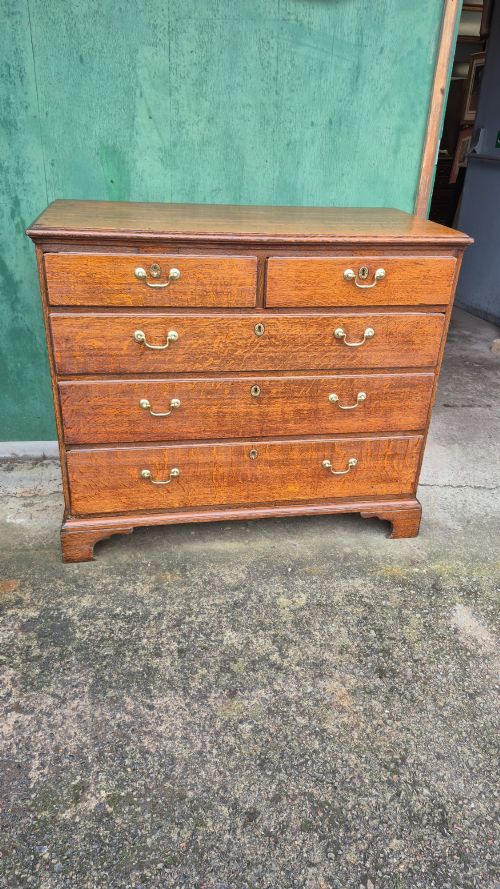
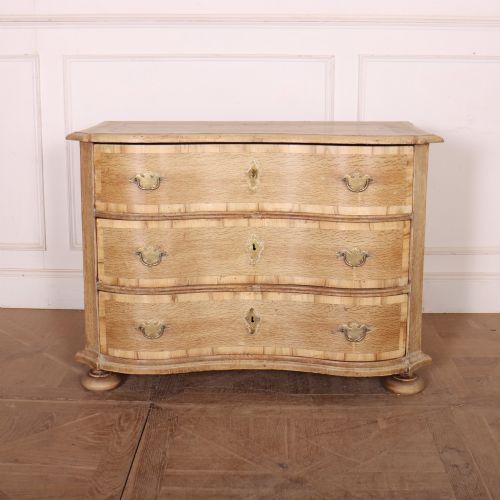
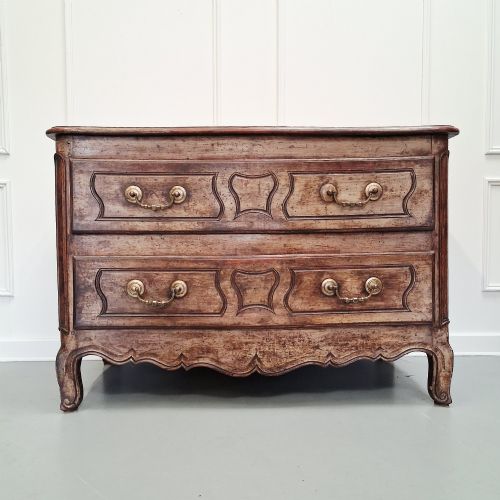
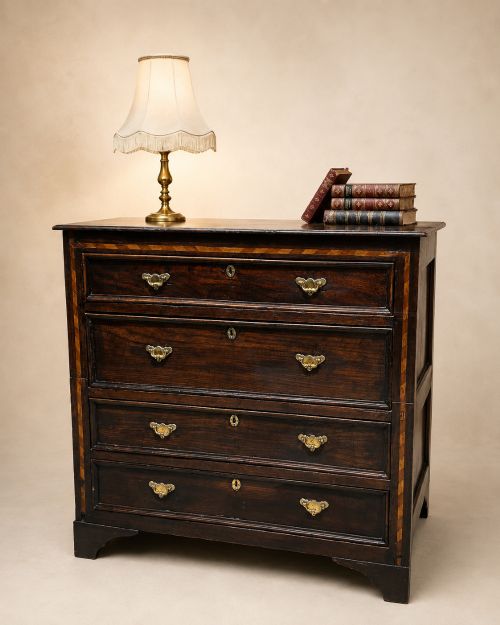
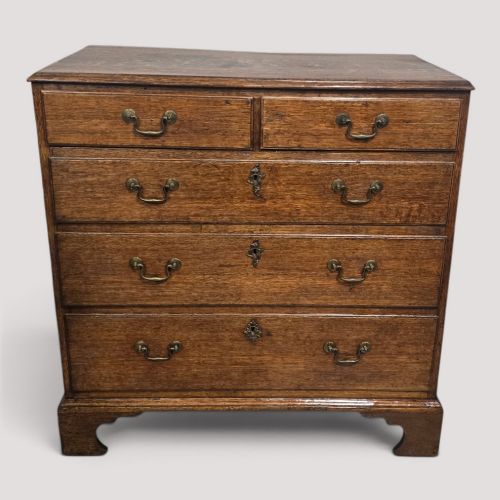
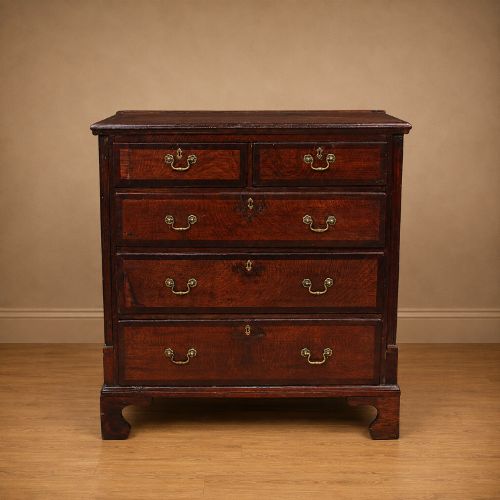
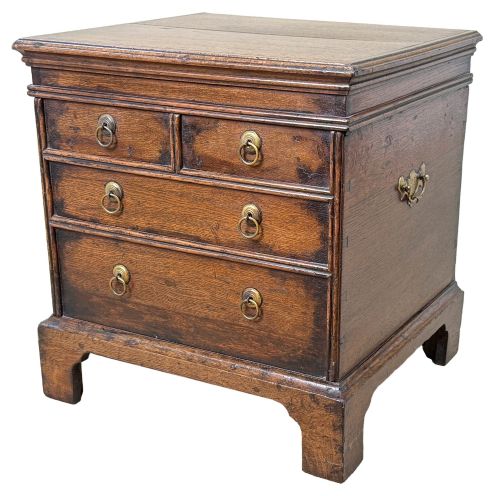
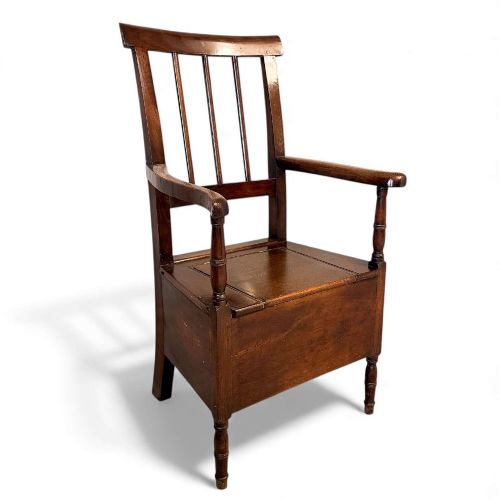
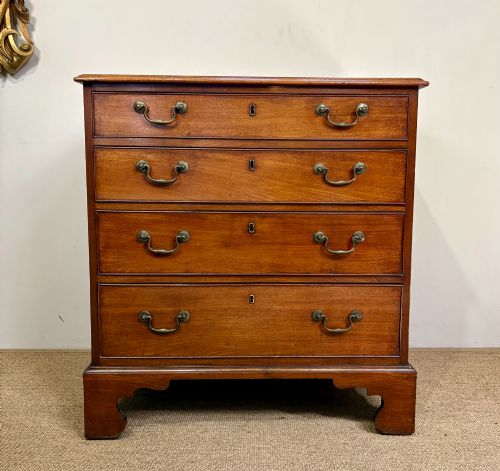
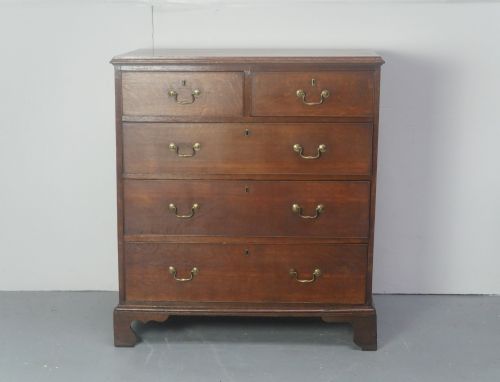
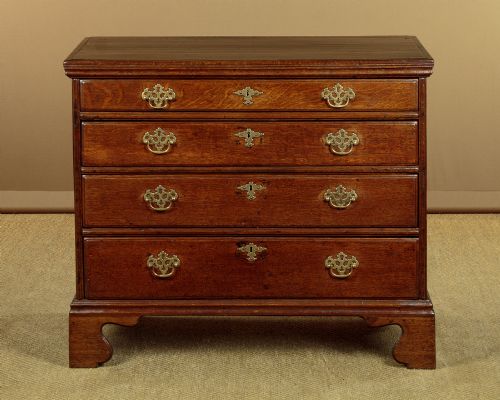
An 18th century oak commode generally presents as a sturdy chest of drawers or a low bedside close stool originating from Georgian Britain or continental Europe. Buyers encountering these pieces will find both simple British regional chests and elaborate continental serpentine forms.
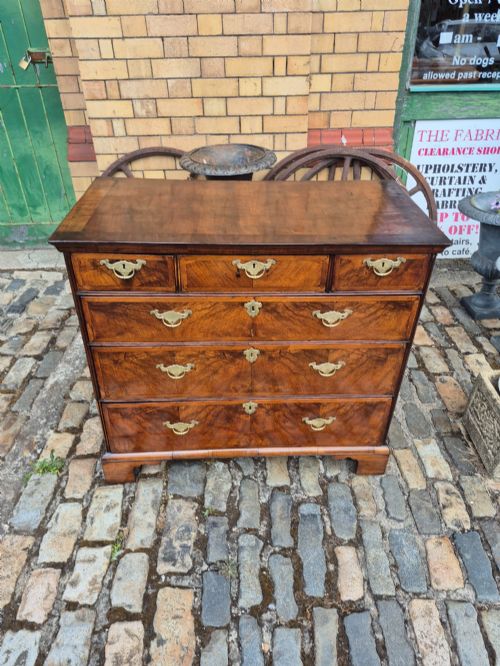
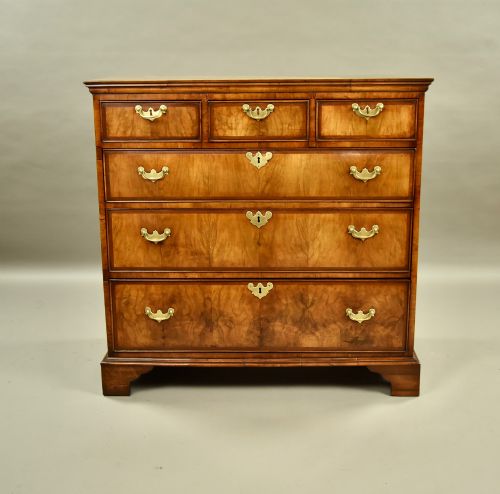
The material palette heavily relies on oak, frequently paired with walnut, mahogany crossbanding, or fruitwood inlay depending on whether the piece hails from English workshops or French and Dutch provinces.
Materials and Construction
Cabinetmakers utilised solid oak for structural carcasses and drawer linings, often selecting figured timber for primary facade surfaces. Secondary woods such as elm or fruitwood appear in regional pieces.
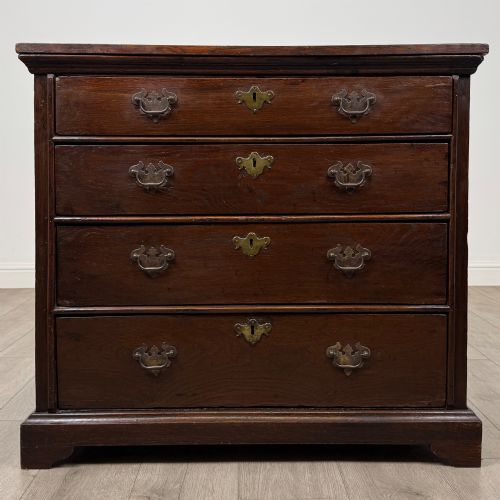
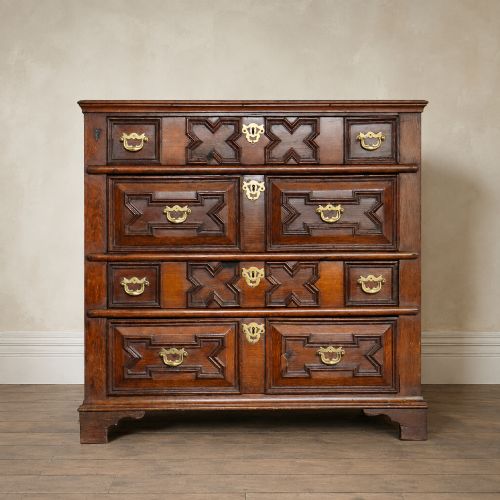
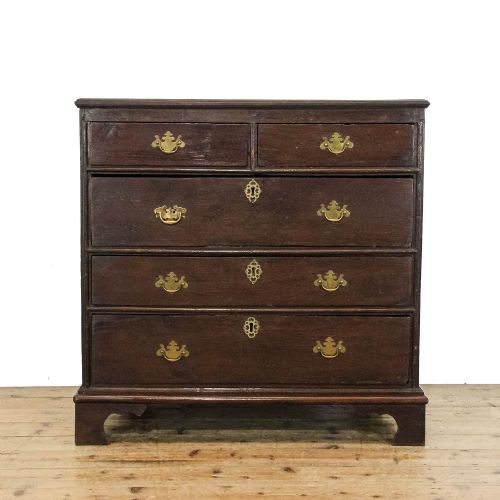
Hardware typically consists of brass handles and escutcheons secured to drawer fronts, while stylistic details like geometric moulding or marquetry require precise hand-cut joinery.
Listings span multiple materials including brass, oak, mahogany, walnut, fruitwood inlay, bleached oak, iron, and elm.
Evaluating Quality and Execution
Superior examples distinguish themselves through the crispness of carved mouldings, the tightness of dovetail joints, and the integration of secondary timbers like walnut or mahogany crossbanding. Continental variations reveal quality through the fluidity of serpentine or bombe profiles and the complexity of marquetry inlay.
Simpler regional pieces rely on the inherent figuring of the oak grain and the retention of original brass hardware rather than elaborate decorative techniques.
The 18th Century Oak Commode Glossary
- Commode
- A low chest of drawers or cabinet originating from French furniture design. It became widely adopted across European workshops during the 18th century.
- Crossbanding
- A decorative border technique where veneer strips are applied across the grain of the primary wood. This method frames drawer fronts on finer Georgian furniture.
- Bombe
- A swollen or bulging convex shape characteristic of continental case furniture. It requires advanced timber-bending and carving skills.
- Close stool
- A small cabinet or chest enclosing a chamber pot for private use. Some examples take the form of miniature bedside chests.
- Serpentine
- A furniture front curving inward centrally and outward at the sides. This fluid outline appears frequently on continental and English pieces.
18th Century Oak Commode: Frequently Asked Questions
Where were these commodes made?
The evidence shows production spanning England, France, the Netherlands, Austria, and broader continental regions during the 1700s and Georgian eras.
English examples tend to favour rectilinear chest forms in oak and mahogany, while continental makers produced serpentine and bombe commodes using fruitwood inlay and marquetry.
How do I use one today?
These pieces function as practical storage chests for clothing, linens, or general household items within living spaces and bedrooms.
Their robust timber construction allows them to serve daily domestic roles while adding distinct period character to an interior.
How are different periods told apart?
Early pieces from the late 17th or early 18th century often feature geometric mouldings, heavy paneling, and walnut or oak construction. Later Georgian and 1800s items incorporate mahogany crossbanding, oval brass handles, and bracket feet.
Continental pieces display distinct regional traits like French provincial shaping or Dutch marquetry.