



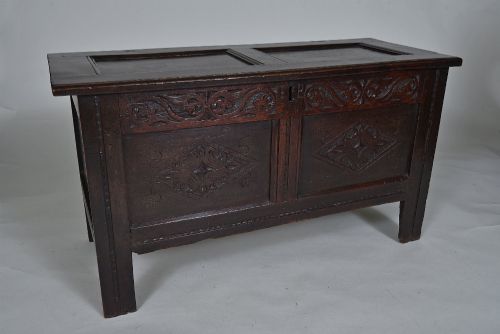

Traditional Oak Storage Box
A traditional oak storage box offers robust utility, bringing centuries of sturdy carpentry and practical house storage into daily modern rooms.
Traditional Oak Storage Box
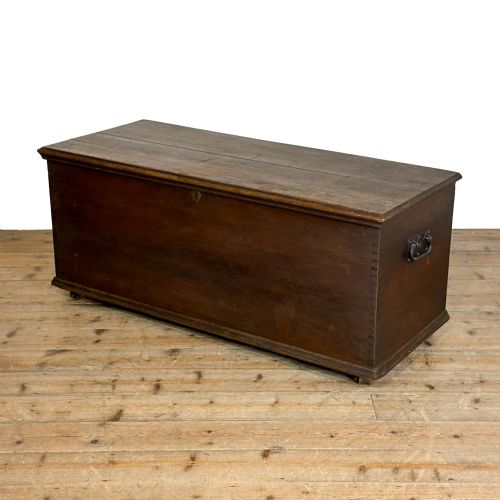
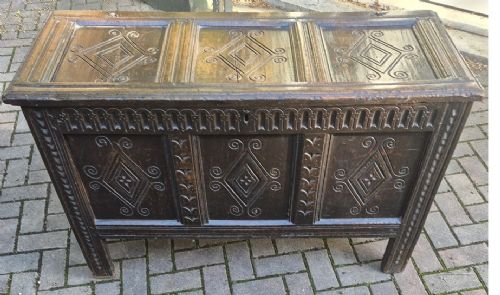
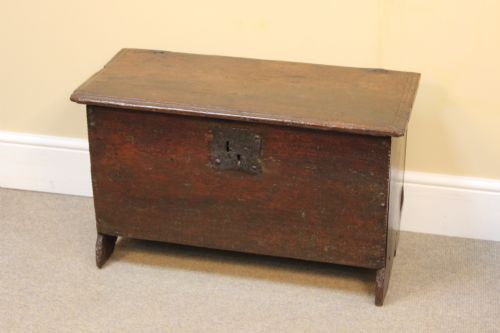
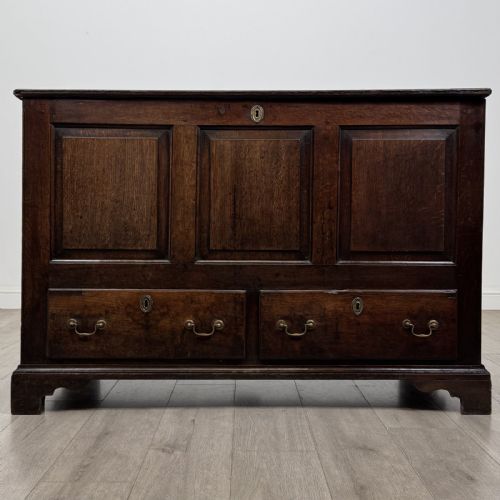
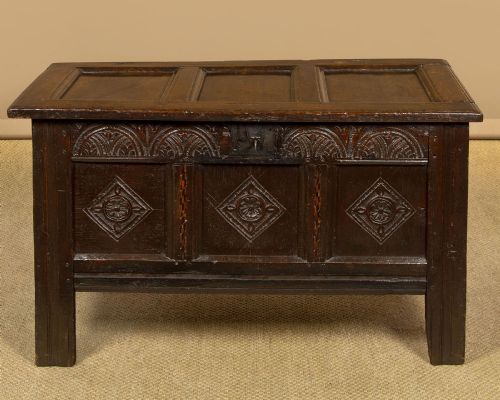
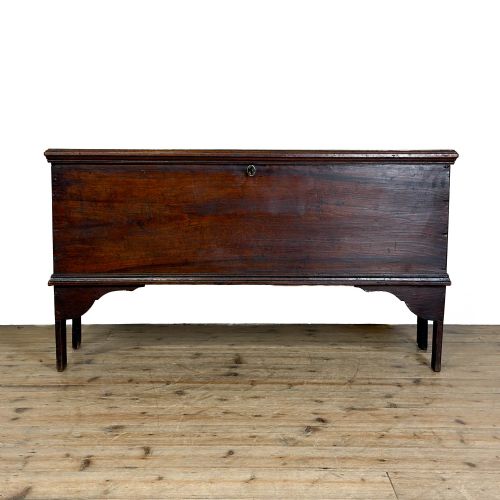
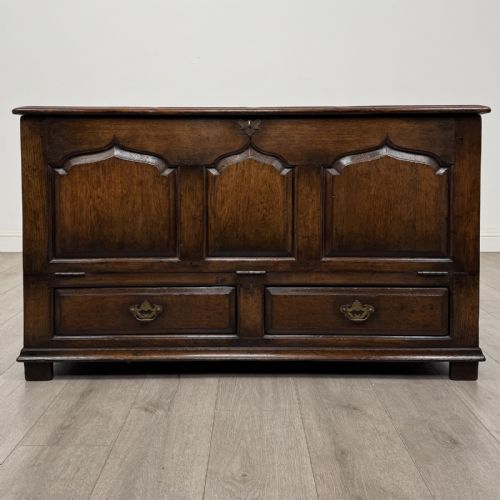
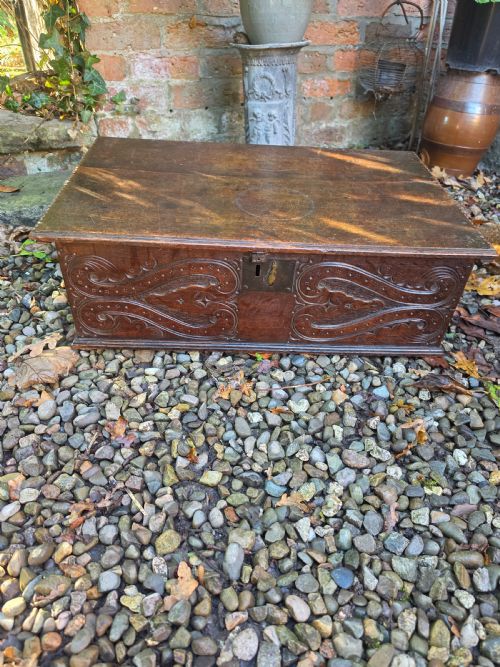
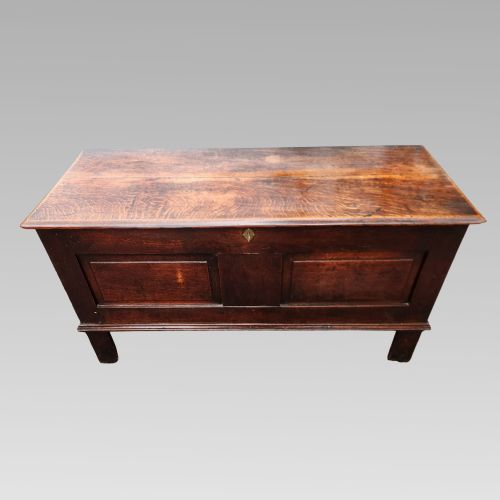
When searching for a traditional oak storage box, buyers encounter an array of heavy domestic receptacles spanning multiple centuries and regional workshops. The selection here ranges from early seventeenth-century joined chests and bible boxes to eighteenth-century mule chests and twentieth-century revival blanket boxes.
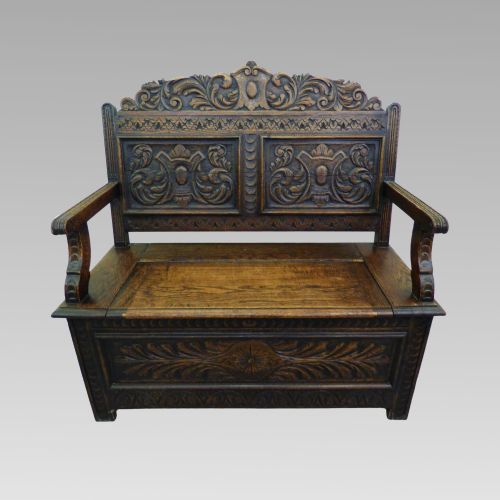
The most common forms on this page include panelled coffers, lift-top blanket chests, and box settles with integrated seating. These pieces originate from English, Welsh, and French provincial traditions, reflecting utilitarian domestic needs across various historical eras.
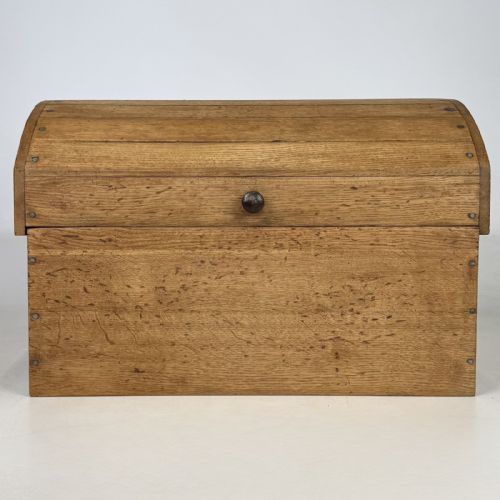
Construction methods shift noticeably between periods, moving from early joined frameworks and six-plank assemblies to later revival interpretations and carved decorative pieces. Buyers find both rustic country examples and formal Georgian iterations among the available stock.
Materials and construction techniques
These items rely fundamentally on solid timber, with oak serving as the primary material supplemented occasionally by elm for specific board components. Iron and brass hardware, including hinges, latches, and lock plates, provide structural reinforcement and functional mechanics.
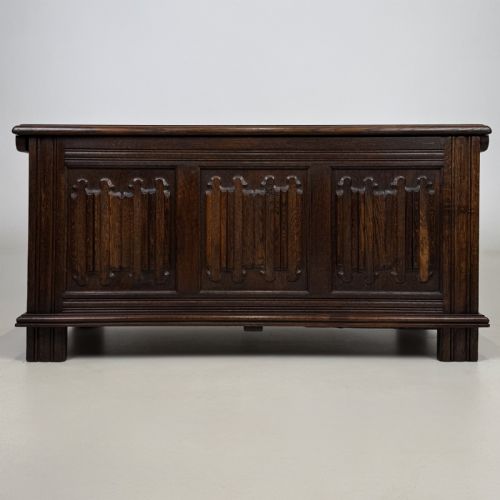
Carpenters utilised traditional joinery methods such as mortise and tenon frames, panel grooves, and hand-cut dovetails to construct stable body shells. Surfaces often display hand-carved linenfold patterns, geometric panels, or waxed finishes that highlight the natural grain of the wood.
Traditional Oak Storage Box Retail Price Guide 2026
Typical asking prices for traditional oak storage box among the pieces listed under this phrase on Sellingantiques today, from the lower quarter to the upper quarter. They describe what is for sale here now, not the wider market.
Several boxes double as seating or fold-over tables, proving that historical household multitasking began long before modern apartments.
Assessing quality in construction and material integrity
Quality separates pieces through the integrity of the original timber and the precision of the hand joinery. Superior examples maintain their structural rigidity through sound frame construction and minimal replacement wood.
The crispness of hand-carved panels and the presence of period-appropriate iron or brass fixings distinguish finer items from later revival utility pieces. Original lids, hinges, and uncompromised internal floorboards elevate the standing of a coffer within its period.
The Traditional Oak Storage Box Glossary
- Mule chest
- A traditional storage chest featuring one or more drawers beneath the main lift-top compartment. This form bridges the gap between the simple cofer and the modern chest of drawers.
- Bible box
- A small, portable desk or storage box designed to hold sacred texts and writing materials. These compact pieces often feature sloping lids and secure lock mechanisms.
- Linenfold
- A style of wood carving that mimics the appearance of folded fabric or linen cloth. It appears frequently on the panels of sixteenth and seventeenth-century furniture.
- Six-plank coffer
- A primitive chest constructed from six simple boards joined directly at the edges. This method represents one of the oldest forms of domestic box making.
Traditional Oak Storage Box: Frequently Asked Questions
What is a traditional oak storage box used for?
These versatile pieces serve primarily for domestic storage, holding blankets, linens, and household items out of sight. Many examples also function as casual seating, benches, or low hallway tables in contemporary rooms.
Their sturdy flat lids provide useful surface space while keeping stored contents secure and protected within the heavy wooden shell.
How do I date a wooden coffer?
Dating relies on examining construction marks, timber selection, joinery style, and decorative carvings. Early pieces from the seventeenth century often show joined frames and hand-riven oak boards.
Later revival items from the twentieth century utilise more uniform machine-cut timber and replicate older styles like Jacobean or linenfold panelling.
Are these boxes made of solid oak?
The majority of listings feature solid oak construction, though secondary woods like elm or pine occasionally appear in internal base boards or linings. Regional pieces incorporate local timber varieties common to their workshop origin.
Checking the grain continuity across panel joints helps confirm the use of solid boards rather than modern veneered surfaces.
How do I care for antique oak furniture?
Maintenance involves keeping the timber away from direct heat sources and sudden humidity changes to prevent wood splitting. Regular application of a traditional beeswax feed helps nourish the dry surface and preserves the finish.
Avoid harsh modern chemical cleaners and rely on a soft, dry cloth for routine dusting of carved panels and mouldings.